13 Costly Will Mistakes That Can Leave Families Fighting After You’re Gone
A will is supposed to protect the people we love, not leave them trapped in confusion, resentment, and legal bills. Yet many families discover too late that one missing signature, one outdated name, or one vague instruction can turn a private loss into a public fight.
We often think estate planning is only for wealthy people with mansions, businesses, and complicated investments. That mistake can be costly because even a modest estate can trigger arguments over bank accounts, funeral wishes, family jewelry, a car, a house, or sentimental items nobody expected to fight over.
The real danger is not just dying without a plan. It is leaving behind a plan that looks complete but quietly fails when your family needs it most.
Naming the Wrong Executor

The executor has one of the most important jobs after death. This person handles probate, gathers assets, pays valid debts, communicates with heirs, and makes sure the will is followed.
Choosing the wrong person can create a disaster. An executor who is disorganized, dishonest, emotional, secretive, or easily pressured can turn a simple estate into a long family battle.
The best executor is not always the oldest child or the closest relative. We should choose someone who can stay calm, keep records, follow instructions, and deal with conflict without making the estate about themselves.
Believing a Will Is Only for Rich People
One of the biggest mistakes we make is assuming a will is unnecessary because we do not have a large estate. That belief can leave loved ones stuck with court rules, paperwork, delays, and decisions we should have made while we were alive.
A will is not just about money. It can explain who receives personal belongings, who handles the estate, who cares for minor children, and how family members should avoid confusion when emotions are already raw.
Without a valid will, the state may decide how probate assets are divided. That outcome may ignore unmarried partners, stepchildren, close friends, strained relatives, or promises we made privately but never put in writing.
Relying on a Cheap Template Without Checking the Details
Online forms can feel like an easy solution, especially when they promise speed and low cost. The problem is that a cheap template may not account for our family structure, state laws, property situation, or hidden conflicts that could explode later.
A will must follow specific signing and witnessing requirements. If those steps are handled incorrectly, the document may be challenged or rejected, leaving the estate to be handled as if no will existed at all.
Templates are not always dangerous, but blind trust in them is. A simple estate still needs a clear, valid, and properly executed document that fits the laws where we live.
Forgetting That a Will Does Not Control Every Asset
Many people assume a will controls everything they own, but that is not always true. Life insurance policies, retirement accounts, joint accounts, payable-on-death accounts, and transfer-on-death accounts often pass directly to named beneficiaries.
That means an old beneficiary form can override what the will says. A person may leave everything to their children in a will, only for an outdated account to send a major payout to an ex-spouse or someone they no longer trust.
This is one of the most painful estate-planning surprises because families may feel cheated even when the paperwork is legally sound. A strong plan must match the will with every beneficiary form.
Failing to Name a Backup Executor
Even a trusted executor may not be able to serve when the time comes. They may become ill, die first, move away, refuse the responsibility, or feel too overwhelmed to handle the estate.
That is why a backup executor matters. Without one, the court may need to appoint someone, and that person may not be the person we would have chosen.
A will should plan for real life, not perfect timing. Naming an alternate keeps the process moving if the first choice cannot step in.
Keeping the Will Where Nobody Can Find It
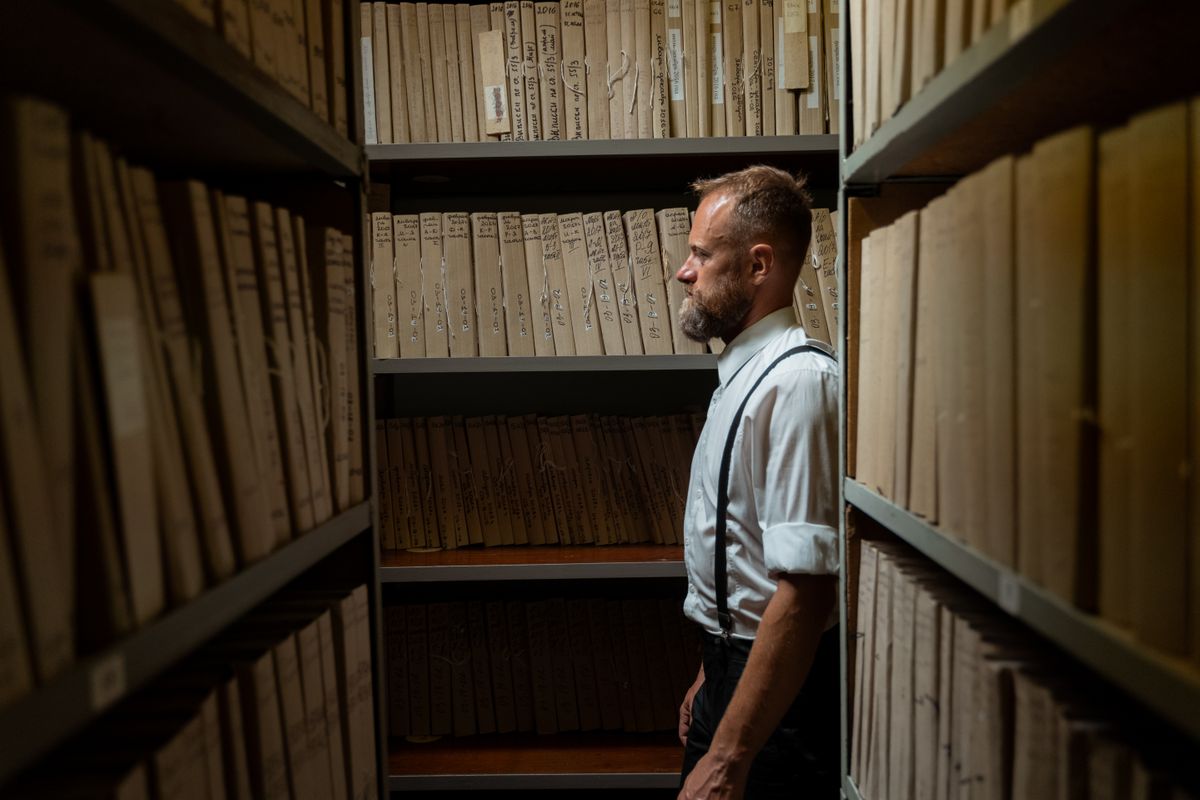
A will that nobody can find might as well not exist. Families often know a document was written, but they do not know whether it is in a safe, drawer, bank box, lawyer’s office, storage bin, or old folder.
This creates panic at the worst possible moment. Loved ones may be planning a funeral, paying urgent bills, and searching through personal belongings while trying to prove what the person wanted.
The executor should know where the original will is stored and how to access it. Hiding a will too well can create the same chaos as never writing one.
Putting Funeral Wishes Only in the Will

Funeral wishes are often placed in a will, but that can be a serious mistake. The will may not be read until days or weeks after burial, or cremation decisions have already been made.
By then, it may be too late to follow instructions about burial, cremation, religious customs, military honors, organ donation, music, clothing, or the type of service wanted.
Funeral wishes should be written in a separate document and shared with the people most likely to make those decisions quickly. A will can mention the document, but loved ones need practical instructions they can find immediately.
Ignoring Medical and Financial Powers of Attorney
A will only speaks after death. It does not help much if we are alive but unable to make decisions because of illness, injury, or incapacity.
That is where advance directives, health care powers of attorney, and financial powers of attorney become important. These documents name trusted people to make medical or financial decisions when we cannot speak for ourselves.
Without them, relatives may argue over treatment, bills, access to accounts, or end-of-life decisions. A complete plan should cover what happens if we die and what happens if we survive but are unable to act.
Leaving Money to Children Without a Plan

Parents often want everything to go to their children, but leaving money directly to minors can create problems. Children cannot usually manage inherited assets on their own, so a court may need to appoint someone to handle the money.
Even when children are legally adults, a sudden lump sum can be risky. A young beneficiary may not be ready to manage a large inheritance, especially in the midst of grief.
Trust provisions can help control how and when money is used. They can provide support for education, housing, health care, and daily needs while preventing a child from receiving everything before they are ready.
Being Too Vague About Personal Property
Money creates tension, but sentimental items can cause the deepest wounds. A watch, ring, photo album, family Bible, recipe book, military medal, artwork, or handmade item can become the center of a bitter fight.
A will that simply states that personal property should be divided fairly may not resolve anything. Fair to one person may feel insulting to another, especially when old family rivalries are already simmering just beneath the surface.
Specific instructions can prevent chaos. We should clearly identify meaningful items, name the person who should receive each one, and explain the reason when the emotional value is at stake.
Forgetting Digital Assets

Modern estates are filled with digital property. Email accounts, cloud photos, social media pages, online businesses, cryptocurrency, digital wallets, subscriptions, loyalty points, and stored files can all become difficult to manage after death.
If no one has access, families may lose valuable records, personal memories, or financial assets. They may also struggle to close accounts or protect the estate from identity theft.
A digital estate plan should list important accounts, explain where access information is stored, and name who has the authority to manage digital property. Passwords should be protected securely, not casually written inside a will that could become public.
Failing to Update the Will After Life Changes
A will can become outdated faster than people realize. Marriage, divorce, remarriage, new children, stepchildren, death of a beneficiary, a new home, a business sale, a move to another state, or a family fallout can all change what the will should say.
An old will can create shocking results. It may leave assets to someone we no longer speak to, exclude someone we now support, or name an executor who is no longer alive or trustworthy.
We should review a will after every major life change. Estate planning is not a one-time task. It is a document that should keep up with the life we are actually living.
Assuming a Trust Works Without Funding
A trust can be a powerful estate planning tool, but it does not work by magic. Signing trust papers is not enough if assets are never transferred into the trust or properly connected to it.
This mistake can send families right back into probate. The person thought they had created a smoother plan, but the house, accounts, or other assets were still titled outside the trust.
A trust must be funded to do its job. That means checking titles, accounts, beneficiary forms, and ownership records so the plan works when the family needs it.