Penn Station Stabbing Victim Blasts City Leaders After Random Knife Attack Shakes New York Commuters
Henry Obadiah thought he was simply leaving Penn Station after a trip back from the Jersey Shore. Instead, the 60-year-old commuter became one of several victims in a frightening Sunday evening knife attack that turned one of America’s busiest transit hubs into a scene of panic, blood, and confusion.
Days after the attack, Obadiah is no longer just a name in a police report. He is now speaking out in anger and pain, with a direct message for New York City leaders. Appearing on “Fox & Friends,” he blamed Mayor Zohran Mamdani and Manhattan District Attorney Alvin Bragg for what he sees as a public safety failure.
“I gotta blame the administration, starting with Mamdani,” Obadiah said during the interview. He also said he wanted “law and order in the city,” arguing that people with violent records should not be free to endanger commuters.
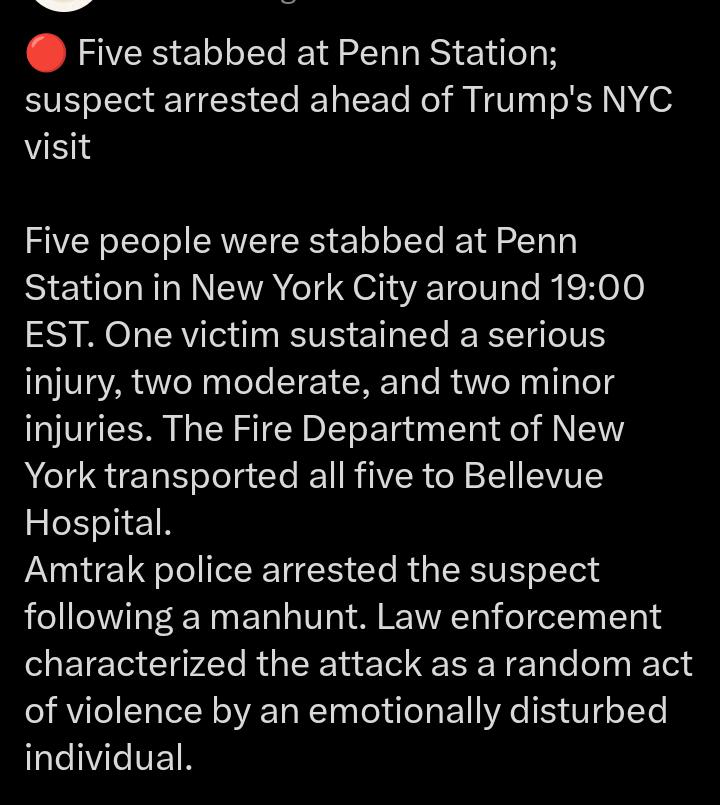
The stabbing happened shortly after 7 p.m. Sunday on the NJ Transit concourse inside Penn Station. Police said several people were stabbed or slashed before officers moved in and took the suspect into custody. Local reports said the victims were expected to survive, though some suffered serious wounds, including injuries to the neck.
Obadiah said the attack came without warning. He was walking toward the escalator when he noticed a scuffle nearby. At first, he did not think he was in danger. Then the suspect turned toward him.
What Obadiah first thought was a punch turned out to be a knife attack. He was cut across the face and later received stitches in his lip. Someone nearby shouted, “He’s got a knife,” and the ordinary station rush suddenly became a scramble for safety.
“I feel very lucky,” Obadiah said, describing how close the attack came to being far worse.
Another victim, identified in local reports as 52-year-old Steven Hadgkiss, said he was heading to work from New Jersey when he felt what seemed like a punch to his neck. Moments later, someone told him he was bleeding. He grabbed his neck, went outside, and called 911. Reports said he needed stitches.
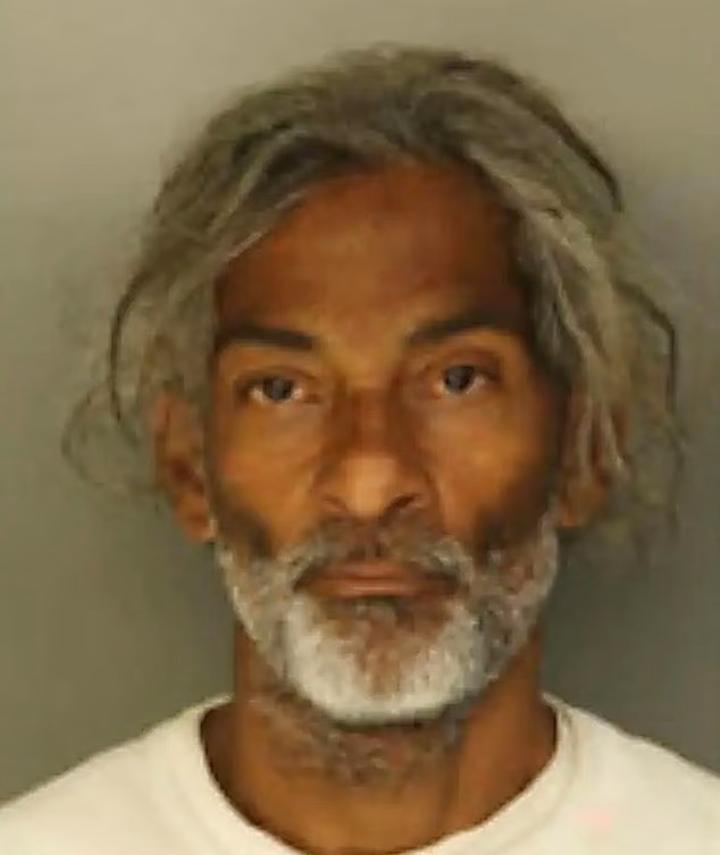
The suspect has been identified in multiple reports as 51-year-old Hector Deleon, also reported as Hector De Leon. Authorities said Amtrak Police took him into custody after a search inside the station. Reports said officers recovered a knife believed to have been used in the attack.
Police sources have described the stabbing spree as random. Officials have also said there were no signs of terrorism. But for commuters, that detail does not make the story feel less frightening. Random violence inside a crowded train station means the victims did not need to know the attacker, argue with him, or provoke him. They only had to be in the wrong place at the wrong time.
Reports about the suspect’s background have intensified public anger. Local outlets reported that he had a criminal history involving drug-related arrests, assault, theft, and an active bench warrant in Manhattan. WABC also reported that police said the suspect had a history of mental illness.
Those details are now at the center of the political argument surrounding the attack. Obadiah questioned why someone with a reported criminal history could still move freely through public spaces. His frustration reflects a wider fear among New Yorkers who feel the transit system has become too unpredictable.
At the same time, the legal picture is more complicated. Some of the suspect’s reported prior cases happened in New Jersey, outside the direct control of Manhattan prosecutors. But for victims and commuters, that distinction may feel hollow. Their concern is not which office handled which case. Their concern is whether the system protected them.
Mayor Mamdani responded to the attack by saying the violence was unacceptable and that his heart was with the victims and their families. He also thanked Amtrak Police and first responders for acting quickly. His administration said it was in contact with Amtrak officials as the investigation continued.
Transportation Secretary Sean Duffy also reacted, calling the incident “totally unacceptable” and saying his department was working with Amtrak on safety and security at Penn Station. His response added national attention to a case already shaking local commuters.

The timing made the attack even more unsettling. Penn Station sits beneath Madison Square Garden, and the stabbing happened shortly before Game 3 of the NBA Finals. President Donald Trump was expected at the game, making security in the area a major concern.
For workers and riders who use Penn Station every day, the fear is simple. This is not a quiet backstreet or an isolated corner of the city. It is a major rail hub filled with office workers, tourists, families, students, sports fans, and late-night commuters. It is supposed to be ordinary. That is why a random knife attack there feels so disturbing.
Obadiah’s wounds may heal, but his anger has already pushed the story beyond the station floor. To him, the attack is not only about one suspect. It is about a system he believes failed before the knife ever came out.
For many New Yorkers, his words capture the fear now hanging over the commute. People do not want luck to be their safety plan inside Penn Station. They want to believe they can walk through one of the city’s busiest transportation hubs without wondering whether a stranger with a blade is standing a few steps away.