8 Travel Scams That Are Currently Group-Targeting Beginners
Traveling is one of life’s greatest joys, but unfortunately, it’s also a prime opportunity for scammers to target unsuspecting tourists. While seasoned travelers may know how to spot a scam, beginners often find themselves caught off guard.
The last thing you want when exploring a new city is to fall victim to a scam that could ruin your trip. Here’s a look at 8 travel scams that are currently preying on new travelers, and how to avoid them.
The “Friendly Local” Scam
You’ve just arrived in a new city, and a friendly local approaches you, offering to show you the best spots or offer helpful advice. Sound familiar? While some genuine locals do want to help, many scammers use this tactic to get close to you.
After engaging in conversation, they may insist on taking you to a “hidden gem” or to a pricey shop where they receive a commission. The catch? You’ll end up overpaying for mediocre products or services. Keep your guard up and politely decline unsolicited offers of help.
The “Fake Taxi” Trap
It’s late at night, you’re tired, and a taxi pulls up offering a seemingly reasonable rate. You hop in, only to realize that the meter is rigged or that you’re being taken on a roundabout route to rack up the fare.
Alternatively, some scammers impersonate legitimate taxi drivers and offer unmarked cars at inflated rates. Always confirm that you’re using a registered taxi service or a ride-sharing app with a verified driver to ensure safety and fair pricing.
The Currency Exchange Con
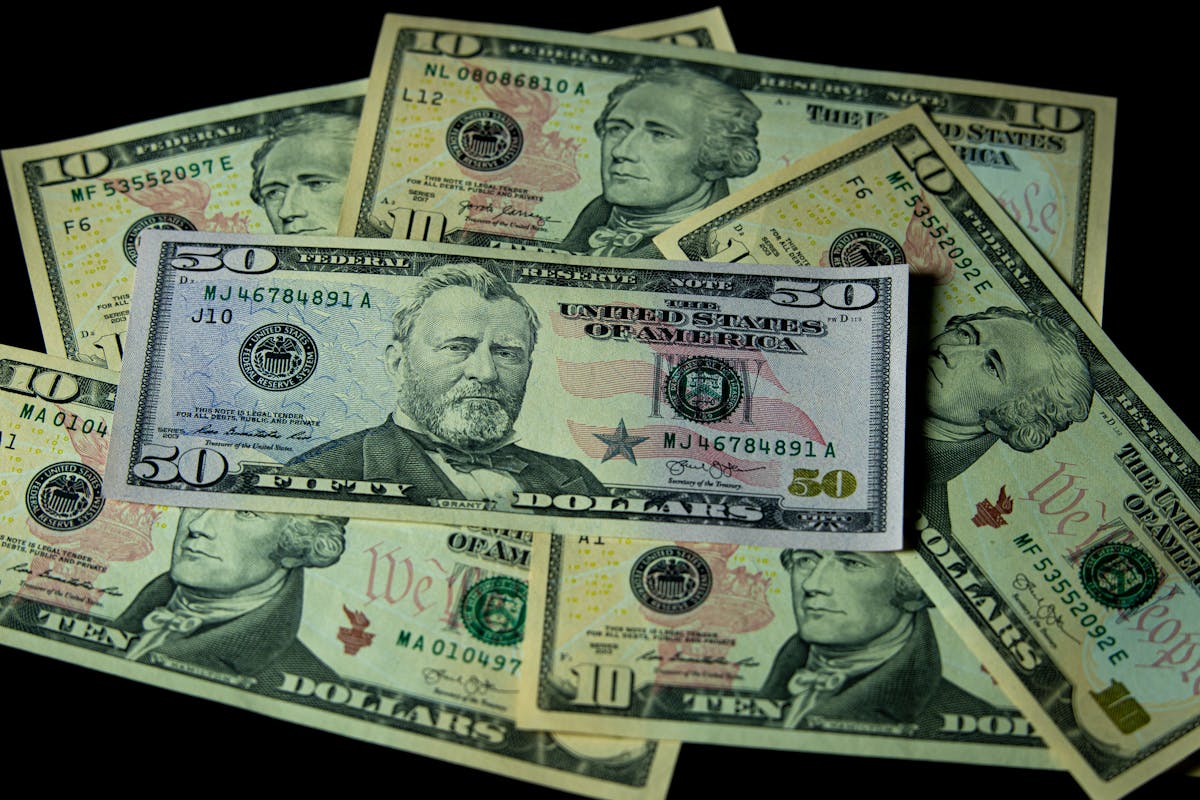
At a busy airport or tourist hotspot, you may be tempted to exchange your money at a kiosk that offers “great rates.” But here’s the catch: the exchange rate might be terrible, or they may charge hidden fees that make the transaction less favorable.
In some cases, the exchange clerk might even offer you counterfeit bills. Always research the current exchange rate before your trip and use reputable, trusted currency exchange services, avoiding street vendors and questionable kiosks.
The “Free Gift” Offer
You’re walking through a market or a public square, and someone offers you a “free gift” like a bracelet or a trinket. It seems harmless, right? Unfortunately, this is a scam: the vendor gives you a “gift” only to demand an unreasonable payment after you’ve accepted it.
These scammers know that once you’ve accepted the “gift,” they’ll pressure you into paying for it. Don’t accept anything for free from strangers, and if you do, expect to pay, regardless of what they say.
The “Pickpocket Assistance” Scam
A common tactic among scammers, especially in busy cities, is to stage a “pickpocket” incident. You’re walking around, and someone bumps into you or spills something on you, suddenly, you’re distracted.
The scammer then “helps” you clean up while another accomplice lifts your wallet or phone. To avoid this, always keep your belongings close to you, preferably in a front-facing pocket or a secure bag, and stay alert in crowded areas.
The “Broken Down Vehicle” Scam
You’re walking down the street or taking a scenic walk when a distressed individual approaches, claiming their car broke down, and they need money for repairs or gas to get home. It might seem like a genuine plea for help, but more often than not, it’s a scam.
These scammers target tourists who are more likely to feel sympathy and offer money. If you’re truly concerned, suggest calling a local service or authority to help rather than handing over cash.
The “Overbooked Hotel” Scam

Some scammers will pose as hotel staff and approach you at the airport or outside a hotel lobby. They’ll inform you that the hotel you’re booked at is overbooked, and they’ve already arranged for you to stay at a different, supposedly “better” hotel.
After taking you to a more expensive hotel, they might convince you to pay up front. To avoid this scam, always confirm your reservation in advance, and never accept alternative arrangements from unsolicited individuals.
The “Overpriced Tour Guide” Scam
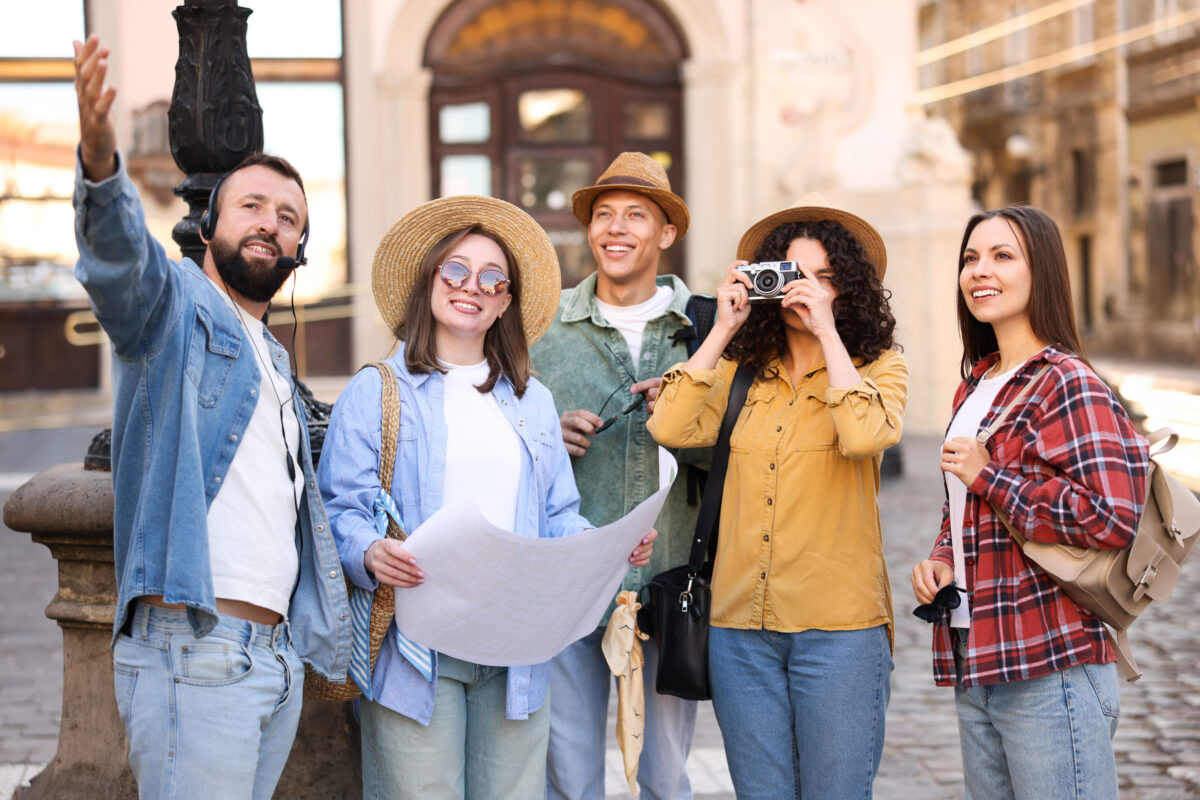
While guided tours can be a great way to explore a city, some scammers are offering “exclusive” tours at extremely high prices. They often target beginners eager to experience local culture but who lack knowledge of what a fair price is.
These scammers will take you on overpriced tours to tourist traps or mediocre spots, leaving you feeling like you’ve been ripped off. Always research the going rate for tours and use established, reputable tour operators.
Key Takeaway

Traveling is one of life’s greatest joys, but unfortunately, it also opens the door to scammers looking to take advantage of inexperienced tourists. By staying aware, doing a little research, and trusting your instincts, you can avoid falling for these common tricks.
The world is full of incredible experiences waiting to be had, just make sure you’re not paying for them in the form of a scam.