Before the First Freeze: 8 Things American Homeowners Should Handle to Protect Their Homes This Winter
Winter can be beautiful, especially when neighborhoods are covered in fresh snow, and homes glow with warm lights. But for homeowners, the colder months can also bring expensive surprises. Frozen pipes, leaking roofs, clogged gutters, malfunctioning heating systems, and unexpected power outages are just some of the problems that can turn an ordinary winter day into a stressful experience.
The trouble is that many of these problems don’t begin when temperatures drop. They develop because homeowners overlook small maintenance tasks during the fall.
Across the United States, preparing a home for winter involves more than bringing out heavy blankets and turning up the thermostat. It means checking the parts of the house that will face the greatest challenges when freezing temperatures, strong winds, ice, and snow arrive.
The good news is that many important preparations can be completed before winter becomes severe. Taking care of them early may help prevent avoidable damage, reduce heating expenses, and make the colder months more manageable.
Here are eight things American homeowners should handle before winter sets in.
Inspect the Roof for Damage Before Snow and Ice Arrive
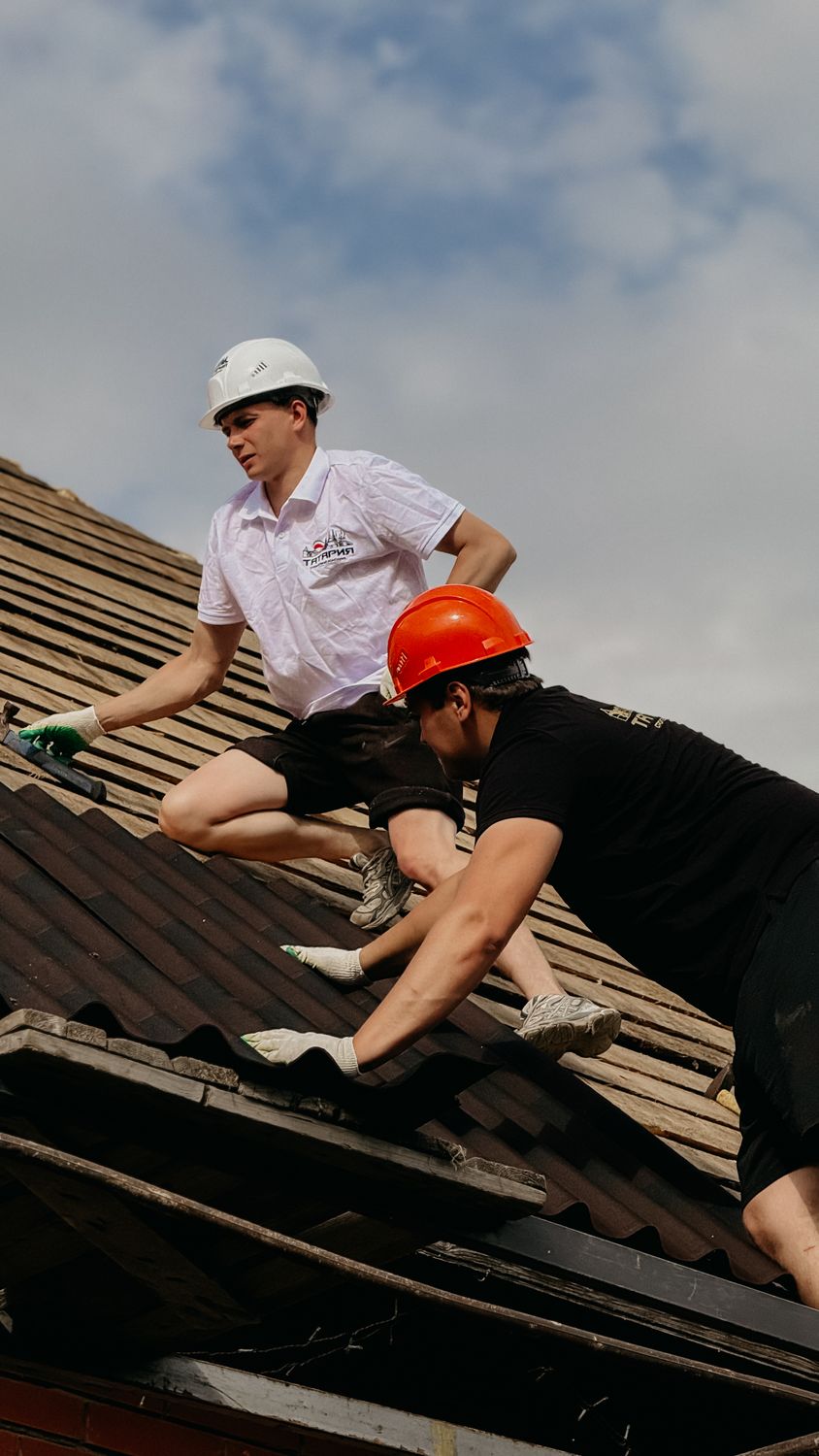
The roof is one of the most important parts of a home to inspect before winter.
A few missing shingles, loose flashing, or small cracks around roof openings might not seem particularly concerning during mild weather. However, rain, freezing temperatures, and accumulated snow can worsen existing problems.
Water entering through a damaged roof can affect ceilings, attic insulation, walls, and other parts of the house.
Homeowners should look for missing or damaged shingles, deteriorating flashing, and signs of previous leaks. They should also check the attic for water stains, damp insulation, or visible signs of moisture.
If repairs are necessary, arranging them before severe winter weather arrives is generally easier than waiting until snow or ice makes roof access dangerous.
For homes in areas that regularly experience heavy snowfall, a professional inspection can also help identify potential structural concerns.
Related: 13 Safety Rules Everyone Follows but Should Ignore
Clean Gutters and Downspouts
Gutters are easy to forget because most homeowners rarely think about them unless something goes wrong.
However, they perform an important job by directing rainwater and melting snow away from the roof and foundation.
In autumn, gutters often fill with fallen leaves, small branches, dirt, and other debris. When winter arrives, blocked gutters can interfere with drainage and contribute to ice dams and water damage.
Homeowners should remove accumulated debris and check that downspouts drain freely.
They should also make sure downspouts direct water away from the home’s foundation rather than allowing it to collect beside the house.
If the property has a multi-story roof or difficult-to-reach gutters, hiring a professional is safer than attempting dangerous ladder work.
This relatively simple maintenance task can help prevent several avoidable problems during the colder months.
Protect Exposed Pipes From Freezing
Few household problems are as frustrating as discovering a burst water pipe during winter.
When temperatures fall below freezing, water inside vulnerable pipes can freeze and expand. The resulting pressure can crack or burst pipes, potentially releasing large amounts of water once the ice thaws.
Pipes located in unheated basements, crawl spaces, garages, attics, and along exterior walls deserve particular attention.
Homeowners should inspect these areas and insulate exposed pipes where necessary. Outdoor hoses should also be disconnected, and exterior faucets should receive appropriate protection.
It is equally important to know where the main water shutoff valve is located. If a pipe bursts, knowing how to shut off the water can help limit additional damage while repairs are arranged.
During periods of extreme cold, homeowners should follow local weather guidance on keeping vulnerable pipes warm.
The Centers for Disease Control and Prevention recommends insulating water lines along exterior walls and weatherproofing homes before winter weather arrives.
Have the Heating System Professionally Inspected
A heating system that worked perfectly last winter might not necessarily be ready for another season.
Furnaces, boilers, and other heating equipment can develop problems during months of limited use. Waiting until the coldest day of the year to discover that the furnace isn’t working can be particularly inconvenient.
Before winter arrives, homeowners should arrange appropriate maintenance with a qualified heating professional.
Depending on the system, this may include inspecting components, checking ventilation, cleaning parts, and identifying potential mechanical problems.
Homeowners who use furnaces should also check their filters and replace them according to the manufacturer’s recommendations.
Fireplaces and wood-burning stoves also need attention. Chimneys and flues should be inspected and cleaned when necessary to address creosote buildup and other potential hazards.
A properly maintained heating system can help homeowners avoid unexpected breakdowns when they need warmth the most.
Seal Drafty Windows and Doors
Have you ever noticed cold air entering your house even when every window and door is closed?
Small gaps around windows, exterior doors, and other openings can let warm indoor air escape while cold air enters.
This can make certain rooms uncomfortable and force heating systems to work harder to maintain the desired temperature.
Before winter, homeowners should inspect weatherstripping around doors and check window frames for visible gaps.
Caulking can help seal appropriate cracks around stationary window frames and other openings. Weatherstripping is useful for movable parts, including doors and operable windows.
Homes with older windows may benefit from interior window insulation kits or storm windows, depending on their condition and local climate.
The U.S. Department of Energy identifies air sealing and insulation as important parts of home weatherization.
These improvements can make a home more comfortable while helping reduce unnecessary heating costs.
Related: 13 Mantel Mistakes Designers Warn You to Avoid
Test Smoke and Carbon Monoxide Detectors
Winter brings increased use of furnaces, fireplaces, wood stoves, and portable heating equipment.
Unfortunately, heating-related fire hazards and carbon monoxide exposure deserve serious attention during this season.
Carbon monoxide is particularly dangerous because it is an odorless, colorless gas that people cannot reliably detect without an alarm.
Homeowners should test their smoke alarms and carbon monoxide detectors before the heating season begins.
They should also check battery requirements, replace expired units, and follow the manufacturer’s installation and maintenance instructions.
Homes with fuel-burning appliances should have appropriate carbon monoxide protection, particularly near sleeping areas.
Another important precaution involves portable generators. They should never be operated inside a home, garage, or other enclosed space. The National Weather Service recommends keeping generators outdoors and away from doors, windows, and other openings.
These checks take relatively little time but can be extremely important for household safety.
Trim Dangerous Tree Branches Around the House
A tree that provides welcome shade during summer can become a potential winter hazard if its branches are damaged, weak, or growing too close to the house.
Heavy snow, ice accumulation, and strong winds can cause vulnerable branches to break.
When branches fall, they can damage roofs, vehicles, fences, outdoor structures, and electrical lines.
Before winter, homeowners should inspect trees around their properties for dead branches, visible damage, and limbs hanging over important structures.
Small, accessible branches may be manageable for someone with the appropriate skills and equipment. However, large branches, tall trees, and anything near electrical wires should be handled by qualified professionals.
It is also worth checking whether trees near driveways and walkways could create problems during heavy snowfall.
Removing potentially dangerous branches before winter storms can help reduce the likelihood of property damage.
Related: 7 Things in your home that make everyone think you’re rich
Prepare an Emergency Winter Supply Kit
Even a well-maintained home can experience problems during severe winter weather.
Snowstorms, freezing rain, and strong winds can disrupt electricity, transportation, and access to stores. In some communities, residents may need to remain indoors for extended periods.
That is why homeowners should prepare basic emergency supplies before winter becomes severe.
A household winter kit should include:
- Flashlights and extra batteries.
- A battery-powered or hand-crank radio.
- Bottled drinking water.
- Nonperishable food.
- First-aid supplies.
- Necessary medications.
- Warm blankets and extra clothing.
- Portable phone chargers.
- A manual can opener.
- Essential pet supplies.
Homeowners who live in areas with frequent snowfall should also check their snow shovels, ice scrapers, and appropriate walkway deicers.
Those who rely on backup generators should review the manufacturer’s operating instructions and follow all outdoor placement and safety requirements.
The National Weather Service recommends preparing emergency supplies before winter storms arrive rather than waiting until severe weather is already approaching.
A Little Preparation Can Make Winter Much Easier
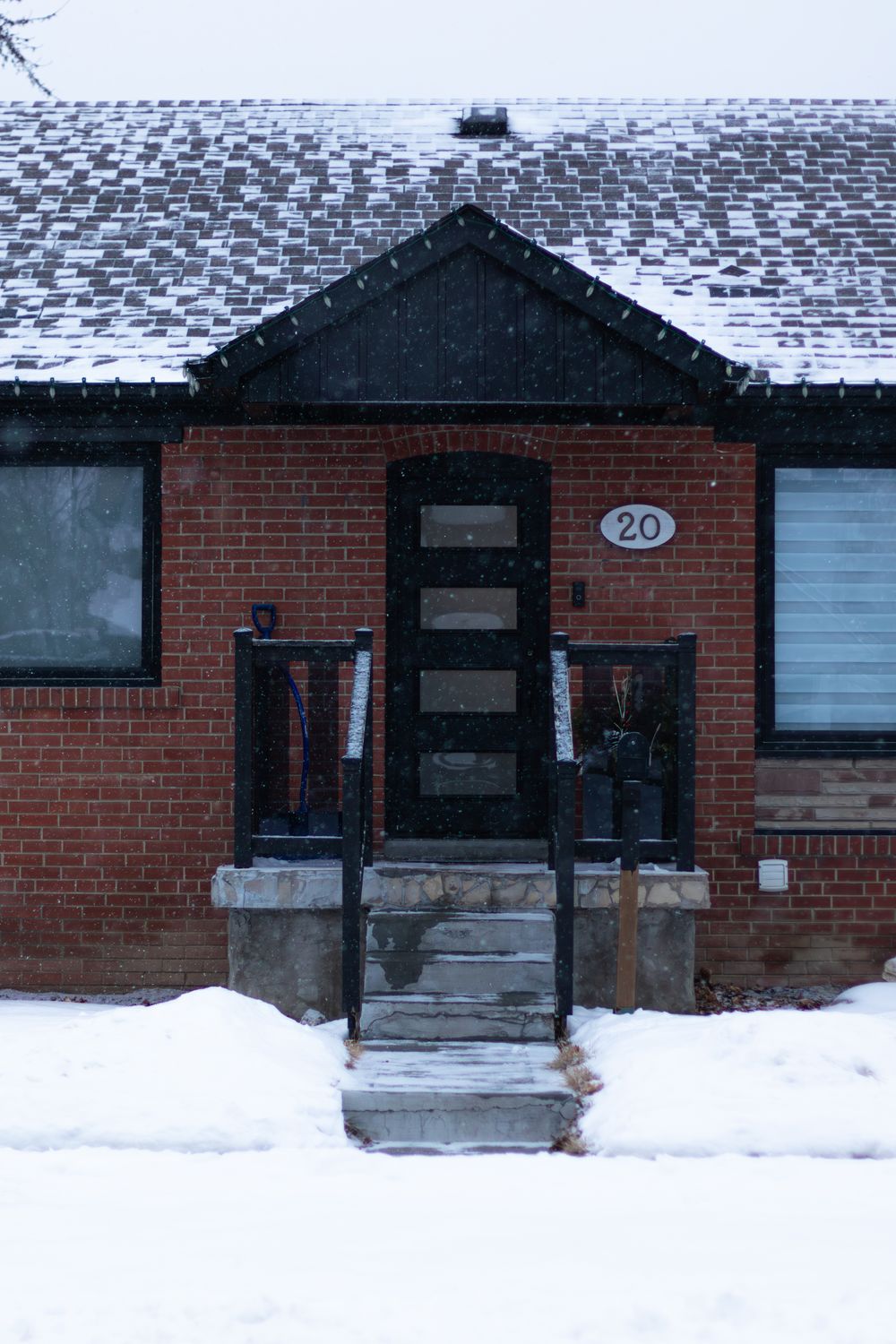
Winter preparation doesn’t have to involve expensive renovations or an overwhelming list of household projects.
Sometimes, the most important steps are surprisingly ordinary: cleaning the gutters, checking the roof, insulating exposed pipes, servicing the furnace, and testing safety alarms.
The biggest mistake homeowners can make is waiting until the first major freeze or winter storm to start thinking about these responsibilities.
By then, contractors may be busier, repairs may be more difficult, and certain problems may already have developed.
Taking care of these eight tasks ahead of time can help American homeowners protect their properties, avoid some preventable repair expenses, and enter winter with greater peace of mind.
After all, the best time to prepare a home for freezing temperatures is before the cold arrives.