Move Over, Potato Fries: These Crispy Polenta Sticks Bring the Crunch and the Cheese
French fries are not being fired. But they might have some competition for that spot beside your burger. Polenta fries take cooked cornmeal, turn it into golden sticks, and deliver a different kind of bite: crisp on the outside, soft and creamy inside. Add Parmesan, garlic, and a dipping sauce, and the familiar side-dish formula suddenly has something new to say. No potato peeling required.
The appeal is the contrast. Instead of starting with sliced potatoes, you cook a thick cornmeal mixture, chill it until firm, and cut it into fry-shaped pieces before baking or frying. That extra setting step is what makes the transformation possible. Zestful Kitchen recipe developer Lauren Grant describes polenta fries as cooked and cooled polenta cut into batons, then cooked until golden and crisp.
They also offer a welcome change without asking you to abandon everything you enjoy about fries. There is still a browned exterior, a tender middle, and plenty of opportunity to drag each piece through something delicious. The difference is that cheese and seasonings can go directly into the mixture before the fries take shape, rather than appearing only as a finishing sprinkle.
The Secret Starts Before They Ever Hit the Oven
A successful batch begins in the saucepan, not on the baking sheet. In its recipe, Bob’s Red Mill combines 1 cup yellow corn polenta with 3 cups water, butter, kosher salt, garlic powder, and black pepper. The mixture comes to a boil, then cooks over low heat with occasional stirring for about 15 minutes, until thick. Add grated Gruyère or Parmesan afterward.
That cheese does more than decorate the finished plate: It becomes part of the fries themselves. The Kitchn takes a similar flavor-first approach,using Parmesan, butter, vegetable or chicken broth, and garlic powder in its polenta mixture. Its recipe also favors instant polenta for a shorter stovetop cooking time. The useful takeaway is to follow the timing for your chosen recipe and polenta, rather than treating every package as interchangeable.
Next comes the part that requires patience. Bob’s Red Mill instructs cooks to spread the mixture in a prepared 8-by-8-inch pan, smooth the surface, cover it, and chill for two hours or overnight. Grant’s separate recipe calls for at least one hour in the fridge. These are different formulas, but both make the same point: the mixture needs to firm up before you start cutting.
The refrigerator is therefore part of the recipe, not an inconvenient detour. It turns a spoonable mixture into something you can lift out, slice, and move to a baking sheet. It also creates a useful make-ahead opportunity. Grant lets the prepared, unbaked slab chill for up to two days, so you can do the saucepan work ahead of dinner and save baking for serving time.
How to Get That Golden, Crunchy Finish
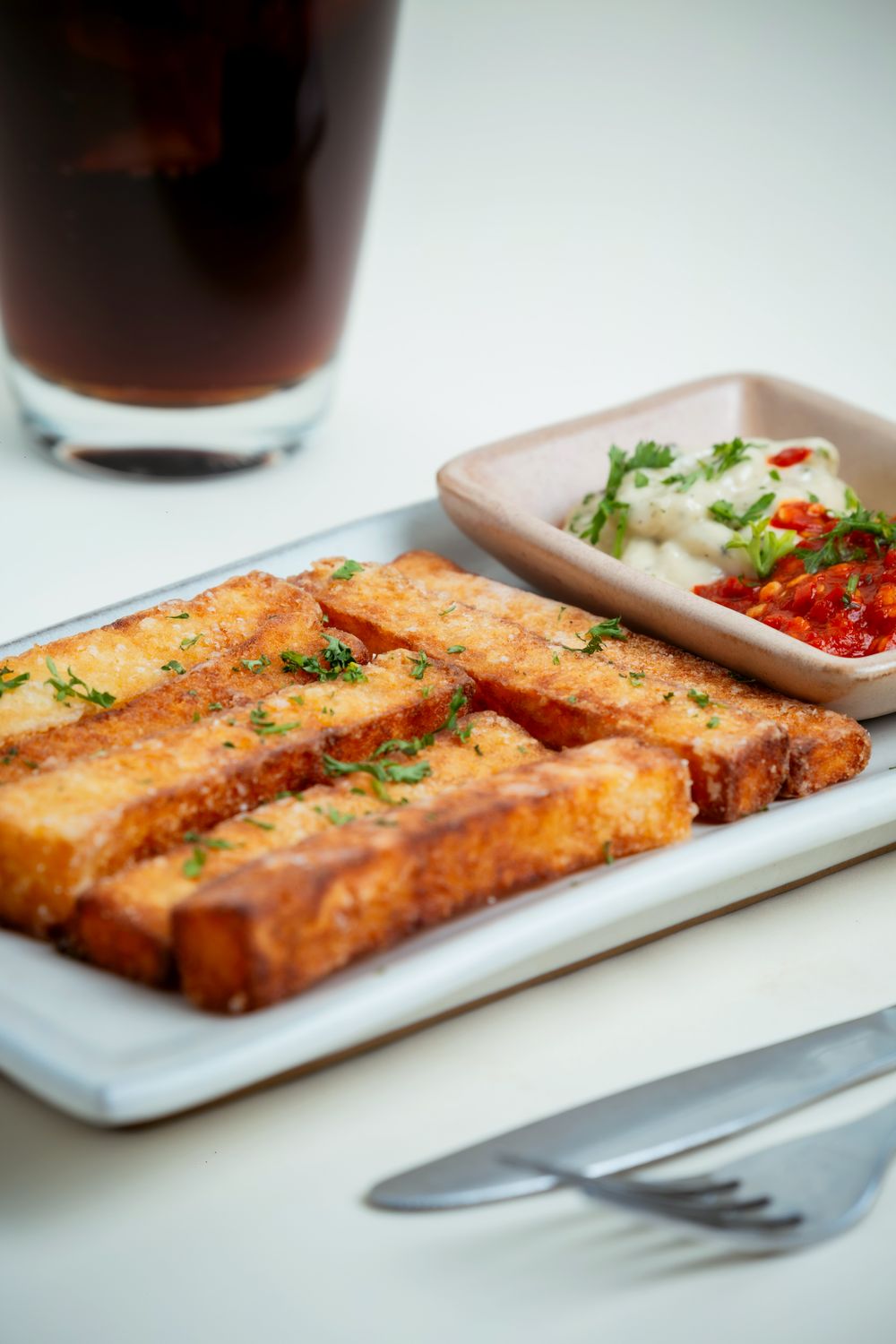
For a clearly defined baked version, Bob’s Red Mill offers a straightforward route. After chilling, its recipe cuts the slab into 10 long strips, then divides each strip into three pieces, producing 30 fries. The pieces are gently tossed with 1½ tablespoons of olive oil, then coated with one cup of panko breadcrumbs. That breadcrumb layer is a deliberate feature of this particular recipe, not a requirement for every polenta fry.
Bake the coated fries on a parchment-lined sheet pan at 425°F for about 25 minutes, flipping halfway through. Bob’s Red Mill describes the finished result as having “a crispy, crunchy exterior and a creamy interior.” That is the target here: a substantial crust surrounding a center that still feels like polenta, rather than a stick cooked until dry all the way through. Serve this version warm.
Prefer to skip the breadcrumbs? Grant’s recipe uses cornmeal, Parmesan, and olive oil without a panko coating. She arranges the cut fries in a single layer and bakes them at 400°F for 30 minutes, then flips and continues for another 10 to 20 minutes, turning periodically for even browning. The different temperatures and timings belong to different recipes; don’t mix and match halfway through cooking.
Grant also makes a useful distinction about the ingredient itself. “After testing this recipe multiple times, I’ve found the fine-grain texture of cornmeal lends itself to crisping nicely in the oven,” she writes.Her observation supports the cornmeal in her tested formula; it doesn’t mean every grind needs identical treatment. Choose one complete recipe, keep its proportions together, and let its instructions guide the batch.
Related: 9 Beloved Foods That Began as Poverty Staples
Give Them a Good Dip and a Place at Dinner
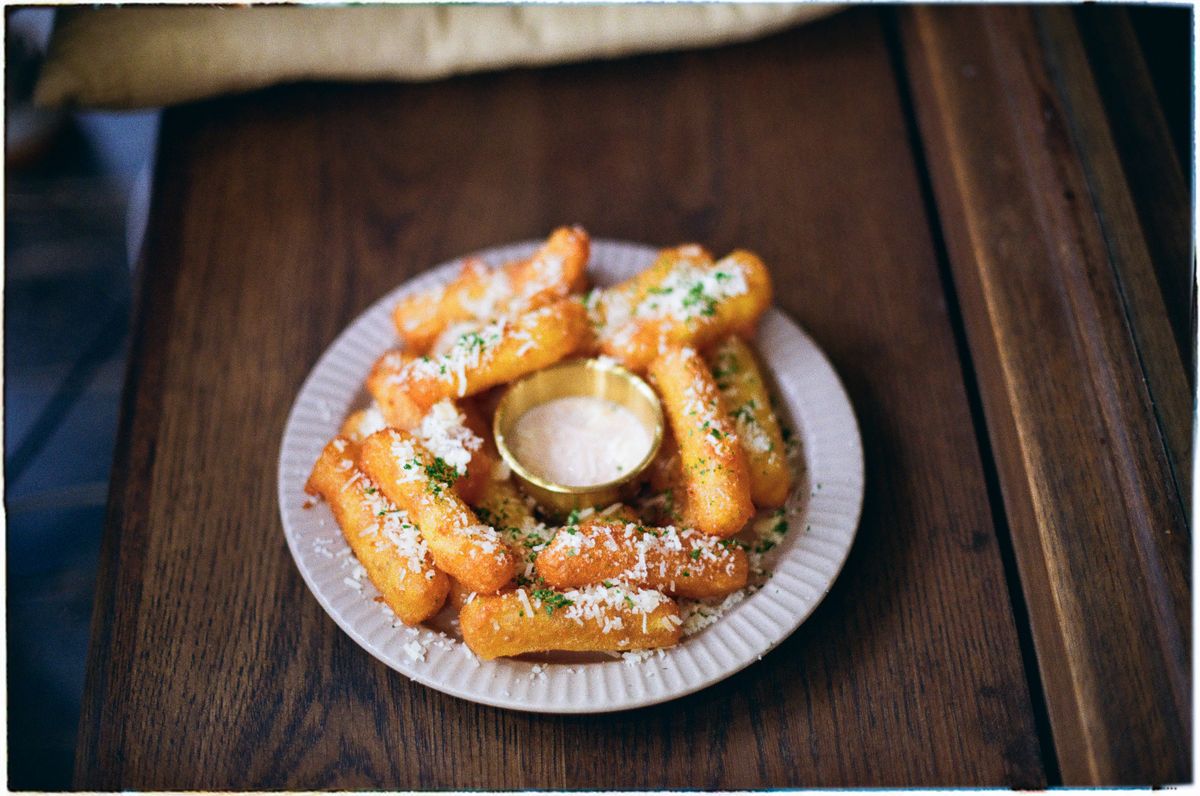
Once the fries are ready, the sauce can take the plate in several directions. Bob’s Red Mill suggests herbed ranch, garlic aioli, or marinara, giving you creamy, garlicky, tomato-based options without changing the fries. The Kitchn mentions ketchup and toum, the garlic sauce, as dipping companions. In other words, you do not need an elaborate homemade condiment to make this side feel complete.
For a more dressed-up option, Grant pairs hers with Parmesan aioli made from mayonnaise, grated Parmesan, chives, lemon juice, lemon zest, and fresh garlic. She also serves polenta fries as an appetizer or alongside steak, offering an alternative to steak-and-fries. The cornmeal base changes the flavor and texture, while the familiar fry shape keeps the meal comfortably recognizable.
Timing matters most at the finish. Grant recommends preparing the polenta ahead rather than baking the fries ahead, because they lose crispness after cooking. That gives this dish a practical rhythm: Make the slab when you have time, then cut and bake close to dinner. Potato fries can stay on the menu year-round. These cheesy cornmeal sticks add another crunchy contender to the side-dish rotation.