All These 7 Artists Died at 27, Leaving American Fans Shocked
Some ages pass quietly. Twenty-seven did not. In music history, it became a number wrapped in grief, myth, and uncomfortable fascination. The so-called 27 Club is not proof of a curse, but it is hard to ignore the shadow it casts. These were not ordinary careers cut short. These were artists who changed sound, style, rebellion, heartbreak, and youth culture before their lives ended far too early.
Brian Jones
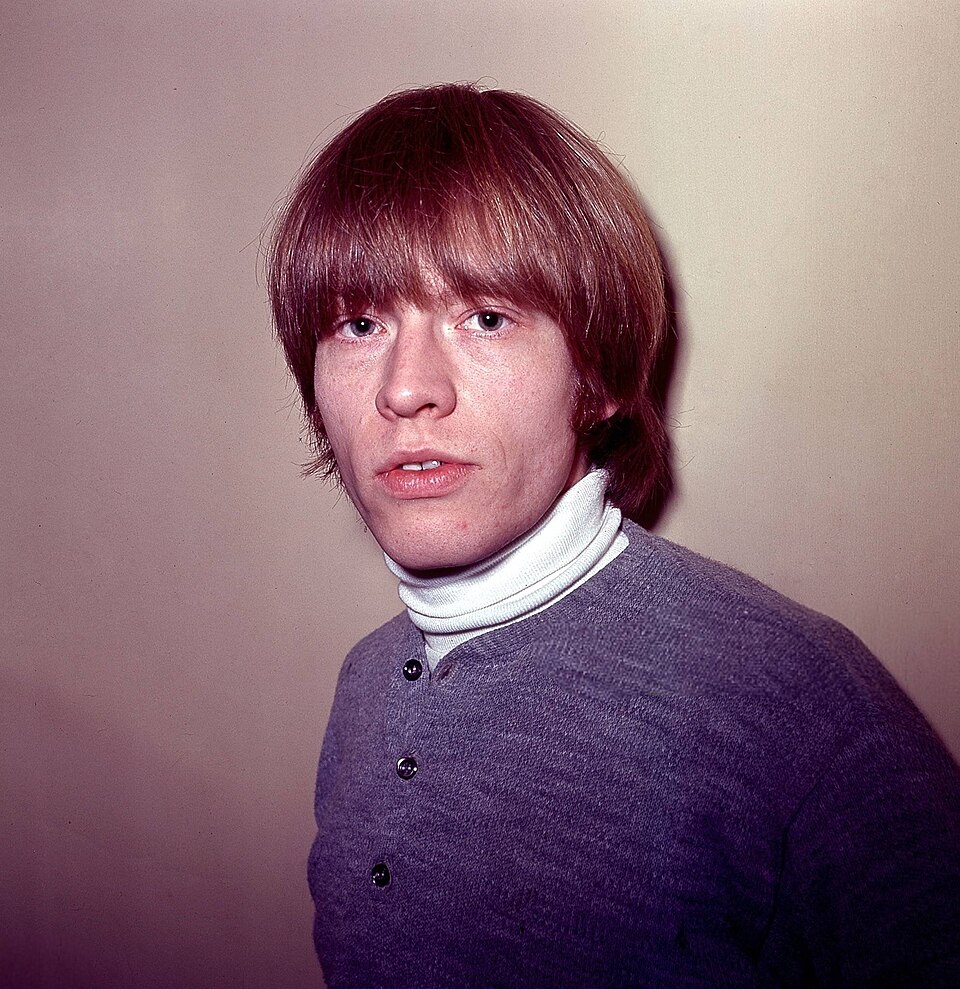
Brian Jones was not just another member of The Rolling Stones. He helped form the band, gave it its name, and brought a restless musical curiosity that pushed its early sound beyond basic rock and blues.
Yet fame can turn brutal when the group you helped build starts moving without you. Jones became increasingly isolated from the band’s direction before he was found dead in his swimming pool in 1969 at 27. His death became one of the first major pieces of the 27 Club story.
Robert Johnson
Robert Johnson’s life feels almost too mysterious to belong to real history. The Mississippi bluesman left behind a small body of recordings, yet his influence stretched across rock, blues, and soul for generations.
His voice carried hunger, danger, and loneliness in a way that made listeners lean closer. Songs linked to him helped shape the language of guitar music long after his death. Johnson died in 1938 at 27, and the uncertainty around his final days only made his legend grow darker.
Jimi Hendrix
Jimi Hendrix did not simply play the electric guitar. He seemed to bend it into weather, fire, noise, and prayer. His performances made the instrument feel bigger than rock music itself.
In just a few years, Hendrix reshaped what people thought a guitarist could do onstage and in the studio. His death in London in 1970 at 27 stunned fans because his career still felt like it was opening, not closing. The tragedy is that he left behind enough brilliance to feel immortal, yet nowhere near enough time.
Janis Joplin
Janis Joplin did not sing politely. She tore through songs with a voice that sounded bruised, brave, and completely exposed. That rawness made her unforgettable.
Her performances felt less like entertainment and more like emotional survival. Joplin died in Los Angeles in 1970 at 27, only weeks after Hendrix. The closeness of those losses deepened the strange feeling that something was haunting rock music’s brightest young stars.
Amy Winehouse

Amy Winehouse had a voice that felt older than her years. She could make a modern song sound like it had been waiting in a smoky club for decades. Her style, humor, pain, and honesty made her impossible to copy.
Her album Back to Black turned personal wreckage into something sharp, soulful, and unforgettable. Winehouse died in London in 2011 at 27, bringing the 27 Club back into public conversation. Her death reminded the world that talent does not protect anyone from pressure, addiction, loneliness, or pain.
Jim Morrison
Jim Morrison carried himself like someone who knew fame was both a stage light and a trap. As the frontman of The Doors, he mixed poetry, danger, theater, and rebellion into one magnetic presence.
His voice could sound seductive, strange, and doomed all at once. Morrison died in Paris in 1971 at 27, adding another shocking name to the pattern. By then, the deaths of Jones, Hendrix, Joplin, and Morrison had turned coincidence into a cultural obsession.
Kurt Cobain
Kurt Cobain did not look like the polished rock star people were used to. That was part of his power. He sounded uncomfortable, angry, fragile, and honest in a way that made millions feel recognized.
Nirvana’s success pulled underground pain into the mainstream almost overnight. Cobain died in 1994 at 27, and his death reopened the 27 Club conversation for a new generation. His story still feels painful because his music gave voice to people who felt unseen, yet he seemed crushed by the attention that followed.
The Number is Famous, but the Loss is Human
The 27 Club is often discussed like a mystery, but the real story is more human than supernatural. These artists did not become important because they died young. They became important because they created work that outlived them.
The number 27 makes the pattern easy to remember, but it should not make the pain look glamorous. Behind every myth was a person, a family, a body under pressure, and a future that never arrived. That is what makes these stories haunting.
Their music still plays because genius can survive death. The tragedy is that each of these artists had more to say.