
Debunking Redhead Myths: Truths About Gingers You Should Know
Red hair has fascinated humans for centuries, often accompanied by stereotypes, exaggerations, and outright myths. The narratives surrounding redheads, commonly called “gingers,” range from humorous to offensive.
However, science and lived experience consistently reveal that these misconceptions don’t hold up. In this article, we separate myth from fact, exploring genetics, physiology, and cultural perceptions to give a full picture of what it really means to be a redhead.
Understanding red hair goes beyond appearance; it involves genetics, physiology, and history. Around 1–2% of the global population carries naturally red hair, a recessive trait governed by the MC1R gene. Red hair is far more than an aesthetic feature; it often coincides with unique biological traits, such as lighter skin, heightened pain sensitivity, and the rare combination of red hair and blue eyes.
Myth: Redheads Have No Souls

One of the most infamous myths is that gingers are soulless, a trope perpetuated in pop culture. This idea is entirely baseless, rooted in superstition and old folklore. Scientifically, there’s no way to measure a soul, but humans universally possess consciousness, emotions, and morality regardless of hair color. The myth persists only as a social joke rather than a reflection of reality.
Redheads demonstrate the same complexity, empathy, and individuality as anyone else. From leadership roles to artistic talent, people with red hair thrive in diverse spheres, disproving notions of moral or emotional deficiency. The “soulless” stereotype has no biological or psychological basis and is simply a cultural exaggeration.
Myth: Every Redhead is Irish
While Ireland is famous for a high concentration of redheads, genetics reveal a broader story. Red hair occurs in multiple European populations, including Scotland, England, Germany, and Scandinavia. The MC1R gene, which causes red hair, is recessive, meaning both parents must carry it to produce a redheaded child. Thus, red hair appears in families without Irish ancestry.
This myth often leads to erroneous assumptions about culture and heritage. Red hair does not dictate nationality, ethnicity, or cultural identity. People with red hair embrace diverse backgrounds, demonstrating that hair color is a genetic trait, not a cultural passport.
Myth: Redheads Will Go Extinct

Another persistent rumor claims that redheads will disappear due to genetic dilution. While the trait is uncommon, it remains stable in the gene pool. Even if red hair appears infrequently in successive generations, the recessive MC1R gene is widely carried, allowing occasional expression in offspring.
Rarity does not equal extinction. Genetics, intermarriage, and natural inheritance patterns ensure red hair will continue to exist for generations. Communities of redheads around the world, from Northern Europe to North America, help maintain cultural and genetic continuity.
Fact: Redheads Are More Prone to Sunburn
Red hair often coincides with fair skin and lower melanin levels, making gingers more susceptible to sunburn. This is a biological reality, not a stereotype, and necessitates diligent sun protection. Dermatologists recommend using higher-SPF sunscreen, wearing protective clothing, and limiting sun exposure during peak hours.
Understanding this fact is crucial for health and wellness. While amusing, jokes about “fragile” skin reflect a real physiological need. Awareness ensures that redheads can safely enjoy outdoor activities without increased risk of skin damage.
Fact: Rare Red Hair and Blue Eye Combinations
Red hair coupled with blue eyes is one of the rarest genetic combinations in the world. Statistically, less than 1% of the population possesses both traits, a result of independent recessive genes. This unique appearance has cultural and aesthetic appeal, contributing to the mystique of redheads in history and media.
The combination also highlights genetic diversity. It underscores how multiple traits interact across generations and across geographic regions, demonstrating the complex inheritance patterns underlying hair and eye color.
Fact: Redheads Produce Their Own Vitamin D
Redheads’ fair skin allows more efficient synthesis of Vitamin D under low sunlight conditions. This adaptation helps mitigate deficiencies in regions with limited sun exposure, particularly in Northern Europe. While they may still need supplementation in extreme cases, their biology gives them a natural advantage in Vitamin D production compared to darker-skinned populations in similar latitudes.
This fact dispels misconceptions about weakness or fragility. The trait is evolutionary, functional, and contributes to overall health. Gingers’ bodies are uniquely adapted to their ancestral environments.
Fact: Pain Sensitivity and Medical Considerations
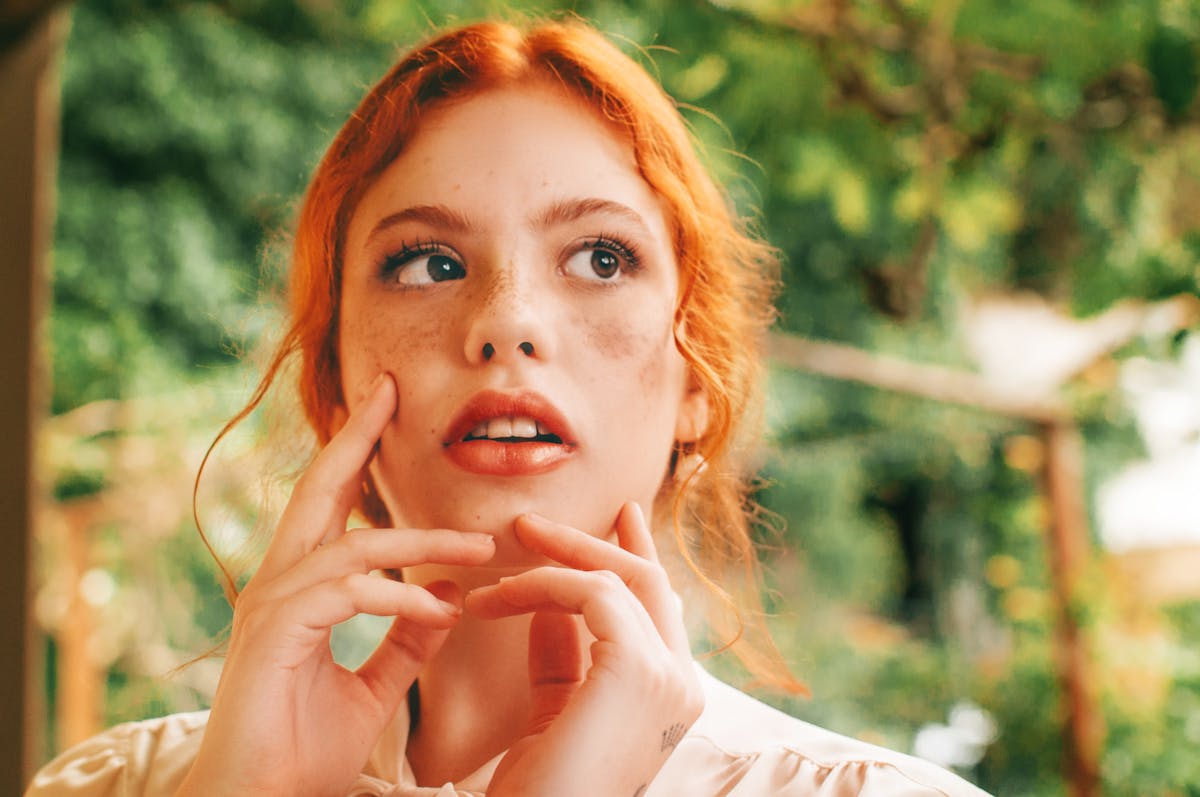
Scientific studies show redheads often have heightened sensitivity to certain types of pain and may respond differently to anesthesia. This is linked to the MC1R gene and its interaction with neurological pathways. It’s not a sign of weakness; it simply requires medical awareness to manage pain effectively.
Understanding these differences helps improve care in clinical settings. Surgeons and anesthesiologists consider these variations when planning procedures, ensuring redheads receive optimal treatment without risk of over- or under-dosing medications.
Conclusion
Redheads, or gingers, have been the subject of myths for centuries, yet the reality is far richer and more nuanced. Genetics, physiology, and cultural history provide a deeper understanding of their uniqueness.
Red hair is rare but resilient, often accompanied by fascinating traits such as increased sun sensitivity, enhanced Vitamin D synthesis, and unique genetic combinations. Debunking myths such as soullessness, Irish exclusivity, or imminent extinction allows society to appreciate redheads as fully human, biologically and culturally diverse, and deserving of respect.


