10 Things People Secretly Hate (But Pretend To Enjoy)
We live in a world full of polite little performances. We clap when the meeting ends, smile through awkward small talk, say “that was fun” after events that drained every ounce of energy, and pretend certain social rituals are charming when they actually feel like emotional obstacle courses.
Most people don’t lie to be fake. We are trying to be kind, fit in, avoid embarrassment, and keep life moving without turning every minor discomfort into a public confession.
That is why some of the most hated everyday experiences survive for generations. Nobody wants to be the person who ruins the mood, rejects the invitation, questions the tradition, or says the quiet part out loud. So we endure it all. Beneath the smiles, many people are thinking the same thing: can this be over now?
Singing Happy Birthday in Public

The birthday song looks sweet from the outside, but for the person sitting in the chair, it can feel like a spotlight interrogation. Everyone stares, the song drags, the clapping grows louder, and there is no natural thing to do with the face. We smile too much, look down at the cake, laugh awkwardly, and wait for the final note like it is a rescue helicopter arriving over the horizon.
This tradition survives because the intention is usually loving. Friends and family want to celebrate us, not torture us. Still, being the center of attention does not feel good for everyone. Some people love applause, speeches, and photos.
Others would rather receive a quiet hug, a thoughtful message, or a slice of cake without being turned into the evening’s entertainment. We pretend to enjoy it because rejecting the song feels rude, even when every second of it makes us want to vanish into the frosting.
Social Media Trends Everyone Feels Forced to Join
Trends can be fun when they feel natural. The problem starts when every platform begins pressuring people to use the same audio, make the same joke, post the same format, or react to the same viral moment. Suddenly, creativity feels less like expression and more like attendance. We join because everyone else is joining, and we do not want to seem out of touch.
This is especially true for creators, brands, and professionals who feel pressure to stay visible. Even casual users can feel the pull. We pretend trends are exciting because the internet rewards participation, but many people quietly hate how repetitive it all becomes.
The same dance, caption, filter, and joke move from account to account until originality feels like a risk. The best online presence still comes from personality, not panic posting.
Team-Building Activities at Work

Team-building events are often sold as morale boosters, but many employees experience them as unpaid theater. We are asked to solve puzzles with people we barely know, share personal facts in a circle, build towers from office supplies, or laugh through games that feel as if they were designed by someone who has never met an introvert. The stated goal is connection, but the real feeling can be pressure.
The problem is not teamwork itself. Strong workplace relationships matter. The issue is forced enthusiasm. People bond more naturally through trust, fairness, clear communication, and shared wins than through awkward icebreakers in a conference room. We pretend to enjoy these activities because nobody wants to look negative in front of management.
Destination Weddings That Become Financial Tests
Destination weddings can be beautiful, romantic, and memorable. They can also become expensive loyalty exams disguised as celebrations. Guests may need to pay for flights, hotels, outfits, meals, transportation, time off work, gifts, and sometimes extra events across several days.
Many people smile through the invitation because they care about the bride, groom, or family involved. But behind the smile, they may be doing mental math and wondering how one wedding became a mini-vacation they did not choose.
We pretend to be excited because love is involved, and love makes honesty harder. A wedding invitation should feel like an honor, not a financial trap. Yet plenty of guests agree before they are ready because they fear being judged more than they fear the credit card bill.
Endless Group Chats That Never Sleep
Group chats begin with purpose. A birthday plan, a family update, a work project, a trip idea, or a shared joke brings everyone together. Then the chat grows into a nonstop stream of memes, side conversations, voice notes, reactions, reminders, and messages that demand attention even when nothing important is happening.
We pretend to enjoy group chats because leaving one feels dramatic. Muting it feels safer, though even that can create anxiety when hundreds of unread messages pile up. The problem is not the connection.
It is the expectation of constant availability. A phone buzzing all day can make friendship feel like homework. We laugh at the jokes and drop the occasional emoji, but many people secretly wish the chat had office hours.
Loud Restaurants With “Great Energy”

Some restaurants mistake noise for atmosphere. The music is loud, the tables are tight, the lights are dim, and every conversation requires leaning forward like we are negotiating state secrets. People call it “vibrant” or “buzzy,” but many diners quietly hate having to shout across a table while pretending the chaos adds charm.
The strange part is that nobody wants to admit they are overstimulated. We say the place has a cool vibe because everyone else seems impressed. Yet a meal is meant to let people taste food, talk comfortably, and relax. When dinner becomes a battle against noise, the experience loses its warmth.
We pretend to enjoy it because complaining makes us sound old, boring, or difficult. In reality, many people would choose a comfortable booth and an audible conversation over “great energy” every single time.
Baby Showers and Bridal Showers With Forced Games
Showers are meant to celebrate big life moments, and the love behind them is usually real. Still, the games can feel like a test of endurance. Guests guess belly sizes, answer trivia, unwrap gifts for an hour, write advice cards, or compete in activities that make adults act cheerful on command. Everyone laughs, but not always because they are having fun.
The deeper issue is that these events can become socially scripted. We know when to smile, when to clap, when to say “aww,” and when to compliment the decorations. We may genuinely care about the person being celebrated, yet still find the format exhausting.
People pretend to enjoy showers because the occasion matters, and nobody wants to appear cold during someone’s happy season. A warmer version would keep the celebration but remove the pressure to perform delight for three straight hours.
Networking Events That Feel Like Human Speed Dating
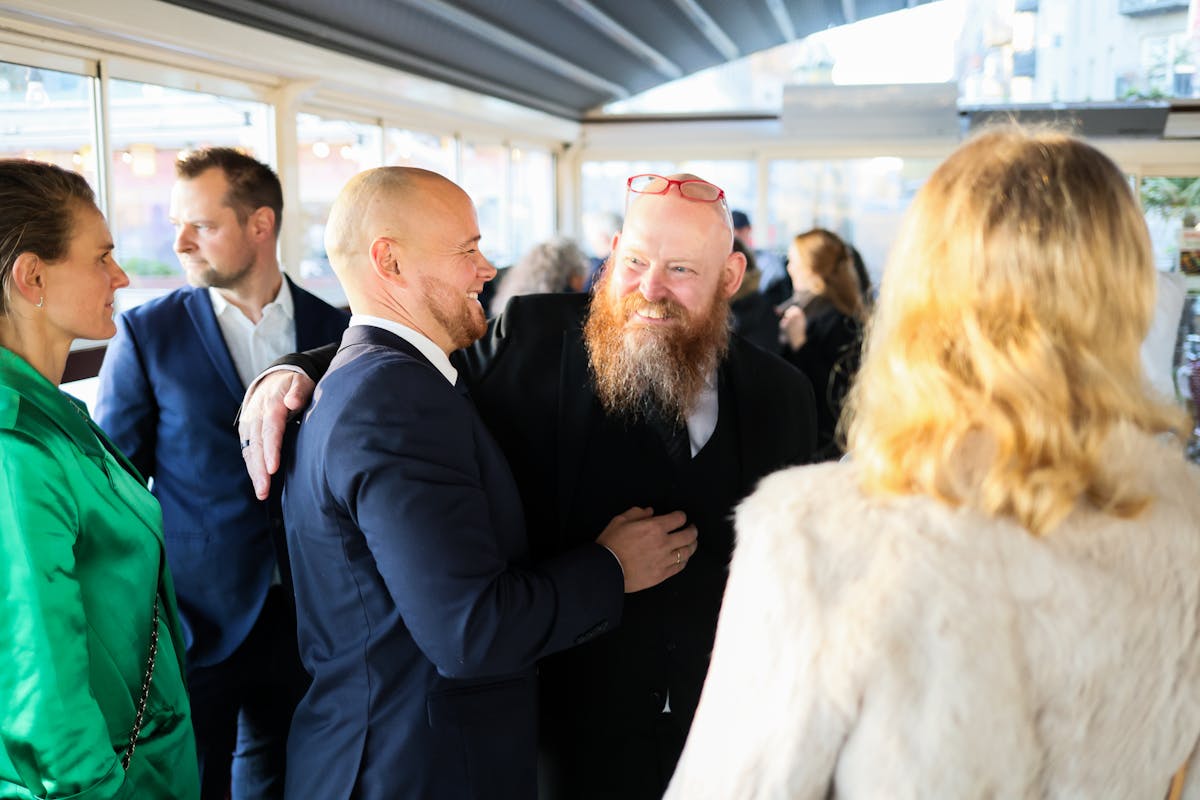
Networking sounds professional and useful until we are holding a drink, reading name tags, and trying to enter conversations without looking desperate. The room is full of people asking what everyone does, exchanging polished summaries, and pretending the interaction is natural. It can be valuable, but it can also feel painfully transactional.
We pretend to enjoy networking because ambition rewards visibility. Saying “I hate networking” can sound like saying “I do not want opportunities.” But what many people dislike is not meeting others.
They dislike the performance of confidence, the shallow conversations, the pressure to be memorable, and the awkward exit when both people have run out of useful things to say. The best professional relationships usually grow from genuine curiosity and shared purpose, not from collecting business cards while scanning the room for someone more important.
Fancy Food That Tastes Like a Dare
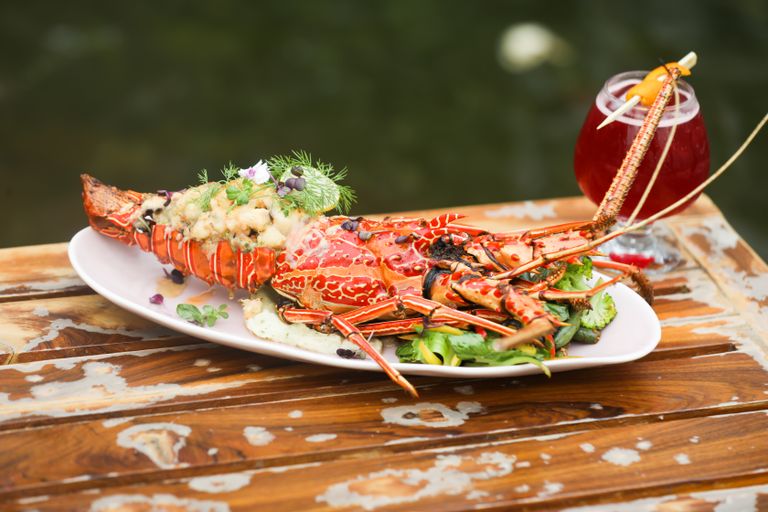
Some meals arrive looking like art but eating like a challenge. Tiny portions, foams, unusual textures, edible flowers, bitter sauces, and mysterious ingredients can make people feel uncultured if they dislike the dish. So we nod, say it is “interesting,” and pretend the experience is sophisticated rather than confusing.
This does not mean fine dining is fake. Many creative meals are brilliant. The problem begins when social pressure makes people praise food they do not actually enjoy. We may fear looking plain, childish, cheap, or closed-minded. So we complement the presentation and hope nobody notices we are still hungry afterward.
Food should be allowed to be honest. Sometimes the burger is better than the tasting menu, and admitting that should not feel like a moral failure.
Surprise Parties for People Who Hate Surprises
A surprise party is one of those ideas that looks magical in movies and risky in real life. The guests are excited, the room is decorated, and everyone waits for the big reaction. But the person being surprised may walk in tired, underdressed, stressed, hungry, or emotionally unprepared to be the center of attention.
We pretend surprise parties are universally joyful because the effort behind them is hard to criticize. People planned, coordinated, decorated, and showed up. Yet some people dislike being caught off guard, especially in public.
They may need time to prepare socially, emotionally, or even physically. A surprise can feel less like a gift and more like a friendly ambush. The safest celebration is one that matches the person’s personality, not the planner’s fantasy.
Concerts Where the Crowd Becomes the Problem
Concerts can be unforgettable, especially when the artist is great and the crowd is alive. But the reality can also include expensive tickets, long lines, parking stress, blocked views, drunk strangers, endless phone screens, sticky floors, and people screaming lyrics directly into our ears. We may love the performer and still hate the experience around the performance.
People pretend concerts are always worth it because live music has cultural prestige. Saying we would rather listen at home can sound boring. Yet comfort matters. A great song can lose its magic when we are trapped behind a tall person recording the entire show.
Many people enjoy the idea of concerts more than the logistics of attending them. The memory may become beautiful later, but during the event, plenty of people are counting down to the encore.
Small Talk That Pretends to Be Connection
Small talk keeps society polite, but it can feel painfully hollow when it goes on too long. We discuss the weather, traffic, weekend plans, work stress, and how busy everything has been. Everyone knows the script. Everyone plays their part. Nobody wants to be rude, so the conversation continues even after it has run out of oxygen.
The truth is that small talk has a purpose. It softens social spaces and helps people warm up. But many people secretly dislike it because it blocks the kind of conversation they actually want to have.
We pretend to enjoy it because silence feels risky and directness can feel too intense. A better social culture would allow people to move gently from polite openings into real conversation, rather than circling the same safe topics until someone finally breaks away.
Holiday Gatherings That Feel More Like Obligation Than Joy
Holidays are sold as warm, magical, and meaningful. Many are. But they can also bring travel stress, family tension, cooking pressure, money strain, awkward conversations, and emotional exhaustion. We may love our relatives and still dread the performance of holiday cheer.
The hardest part is admitting that joy and dread can coexist. We can appreciate tradition even as we feel drained by it. We can love family while needing boundaries. We can enjoy the meal while hating the pressure around it.
People pretend to love every part of the holidays because honesty sounds ungrateful. Yet the healthiest celebrations are the ones where people are allowed to be human, not festive machines.
Group Vacations With Too Many Opinions

A group vacation sounds exciting when everyone is planning it. The photos will be amazing, the memories will be special, and the group chat will buzz with ideas. Then the trip begins, and suddenly every meal, taxi, museum, beach hour, bedtime, budget, and breakfast plan requires negotiation. One person wants adventure. Another wants rest. Someone is late. Someone is hungry. Someone wants “just one more picture.”
We pretend to enjoy group trips because complaining feels ungrateful. Travel is supposed to be fun, and nobody wants to be the person who ruins the mood. But group vacations often expose differences that normal life hides.
People have different energy levels, spending habits, hygiene standards, planning styles, and definitions of fun. The trip may still be worth it, but many people secretly crave one solo afternoon where nobody asks what the plan is.
Why We Pretend to Enjoy Things We Secretly Hate
We pretend for three big reasons: kindness, belonging, and survival. We do not want to hurt people’s feelings. We do not want to be judged. We do not want to seem difficult, boring, rude, cheap, antisocial, or ungrateful. So we perform enjoyment even when the experience feels uncomfortable.
The problem is that constant pretending creates quite a resentment. When everyone acts like they love the same rituals, the rituals never improve. The birthday song stays awkward. The work event stays forced. The group chat stays exhausting.
The destination wedding stays expensive. Honest preferences do not have to ruin social life. They can make it better because people can finally design experiences around what others actually enjoy.
Conclusion
The things people secretly hate but pretend to enjoy reveal something funny and uncomfortable about modern life. We are often more committed to looking agreeable than being honest. We tolerate awkward songs, expensive events, and fake enthusiasm because politeness tells us to smile through it.
But the truth is not rude when it is delivered with care. We can respect traditions without loving every part of them. We can celebrate people without embarrassing them. We can enjoy friendship without nonstop availability. The more honest we become about what actually feels good, the less we need to perform happiness in pursuit of things that quietly drain us.