8 Ways Stress Quietly Wrecks Your Body Before You Notice
Stress rarely knocks politely. It slips into the body through tight shoulders, bad sleep, stomach trouble, headaches, jaw pain, and the strange feeling that something is “off” even when nothing looks wrong on paper. The tricky part is that many stress symptoms look ordinary at first, so we blame the pillow, the coffee, the weather, the workload, or a bad night’s sleep.
The body treats stress like a signal for action. When we feel threatened, pressured, rushed, or emotionally overwhelmed, the body can raise heart rate, breathing rate, and blood pressure as part of the fight or flight response. That short burst can help in real danger, but when stress lasts for weeks or months, it can begin to affect sleep, digestion, muscles, hormones, immunity, and long-term health.
Dry Mouth That Makes Swallowing Feel Strange
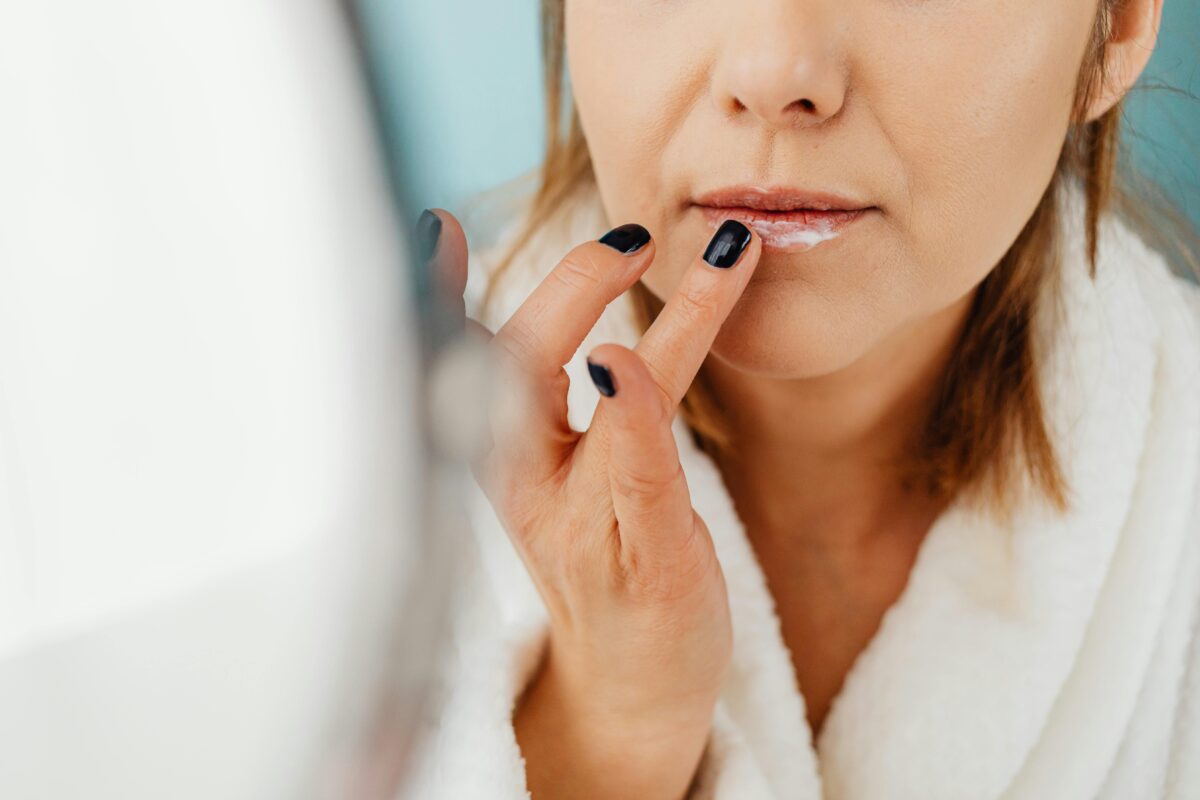
Stress can dry out the mouth because the body may reduce saliva production during a stress response. That dry, sticky feeling can make swallowing uncomfortable, make the throat feel tight, and leave people reaching for water more often than usual. It is one of those symptoms that feels small until it starts happening repeatedly during tense days, hard conversations, or long stretches of work.
This symptom can also make stress feel scarier because a dry mouth can mimic the sensation of something being wrong in the throat. We may start overthinking the feeling, which can make the body feel even more tense. If the dryness keeps returning, tracking when it happens can help reveal patterns tied to pressure, anxiety, caffeine, poor hydration, or sleep loss.
Hair Shedding That Feels Sudden
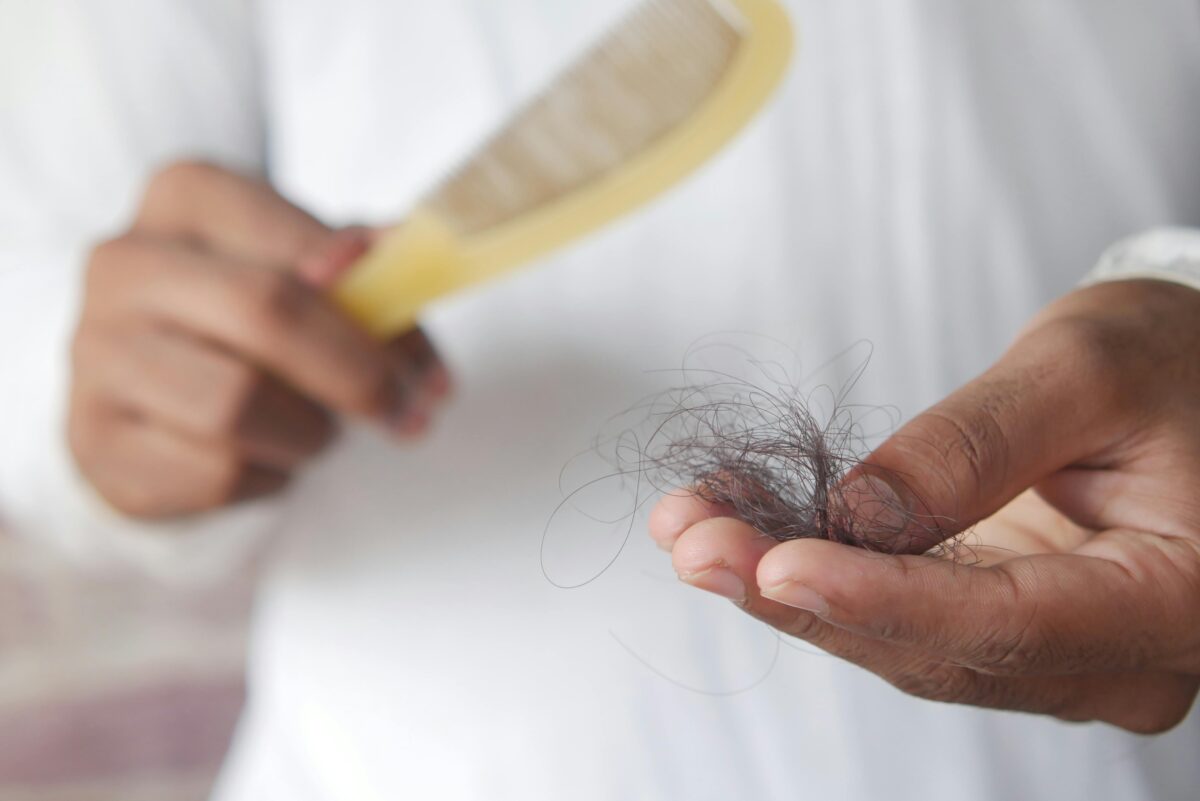
Hair naturally grows, rests,, rests, and falls out as part of its normal cycle. Stress can push more hair into the resting phase, which may lead to more noticeable shedding later. That means the hair loss may not show up immediately after the stressful event, which can make the connection harder to spot.
This is one reason stress-related hair shedding can feel so alarming. A person may notice more strands in the shower, on a pillow, or in a brush long after the emotional pressure began. It does not mean stress is always the cause, but it is one possible trigger worth considering when hair loss appears alongside exhaustion, poor sleep, appetite changes, or ongoing emotional strain.
Upset Stomach That Comes Out of Nowhere

Stress can disrupt digestion, and the symptoms can manifest in several uncomfortable ways. Some people feel nausea or stomach pain. Others deal with heartburn, constipation, diarrhea, or even vomiting during high-stress periods. The gut and brain are closely connected, so emotional pressure can turn into very physical stomach trouble.
This is why some people feel sick before a big meeting, argument, exam, bill deadline, or family crisis. The stomach may react before the mind has fully processed what is happening. When digestive symptoms keep coming back, it helps to look beyond food alone and ask what was happening emotionally around the same time.
Sleep Problems That Make Everything Worse
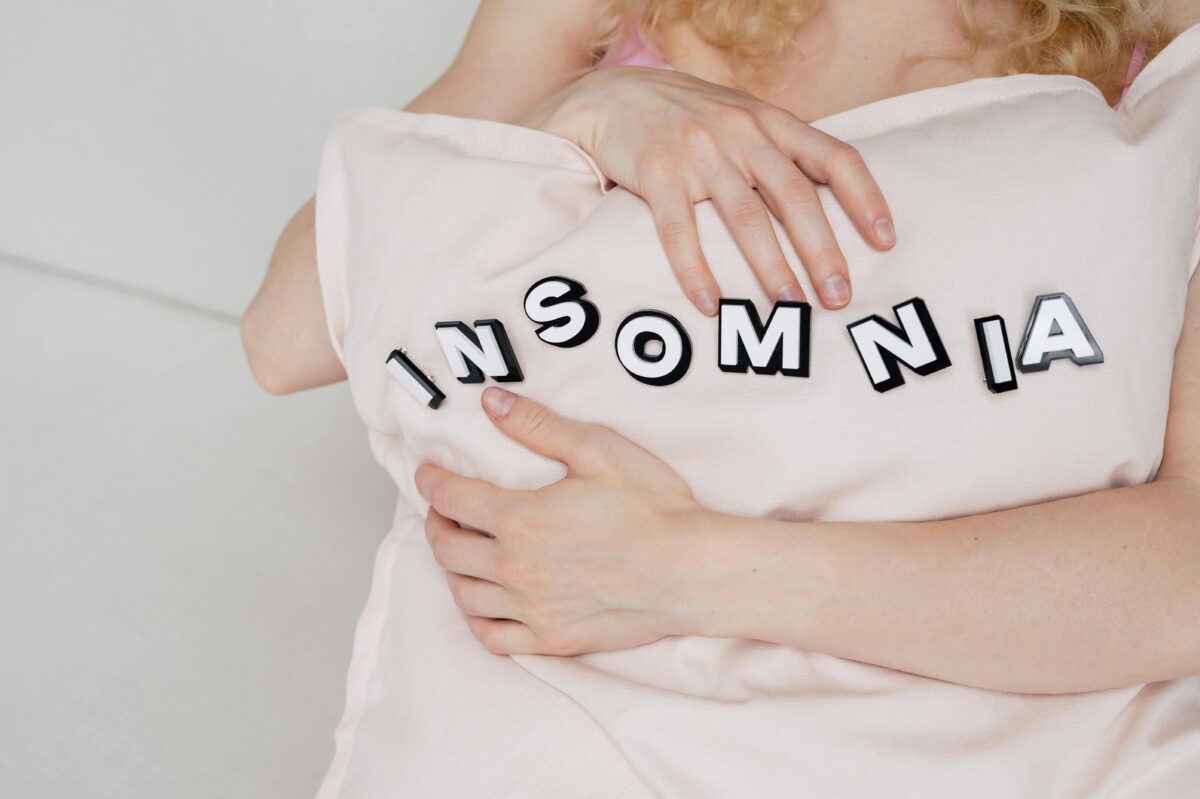
Stress can make it harder to fall asleep, stay asleep, or wake up feeling rested. A stressful event may keep the mind racing for a night or two, but chronic stress can lead to longer-term sleep disruption. That creates a frustrating loop because poor sleep can make the next day feel harder, and a harder day can make the next night worse.
Sleep is not just rest. The CDC notes that good sleep is essential for health and emotional well-being, and insufficient sleep is linked with a higher risk of anxiety, depression, obesity, heart disease, injuries, and other serious conditions. Stress that steals sleep does more than make us tired. It can weaken patience, concentration, mood, decision-making, and the body’s ability to recover.
Muscle Aches That Settle in the Neck and Shoulders
Stress can cause muscles to tighten, especially when the body remains alert for too long. Over time, that tension can turn into soreness, stiffness, and pain. Many people feel it most in the neck, back, and shoulders because these areas often carry stress without us noticing.
The pain can feel like a posture problem, and sometimes posture plays a role. Still, stress may be the reason the muscles stay clenched even after the workday ends. A tense jaw, raised shoulders, shallow breathing, and long hours at a desk can all feed the same cycle. The body keeps bracing, even when there is no immediate danger.
Jaw Pain, Toothaches, and Head Pressure
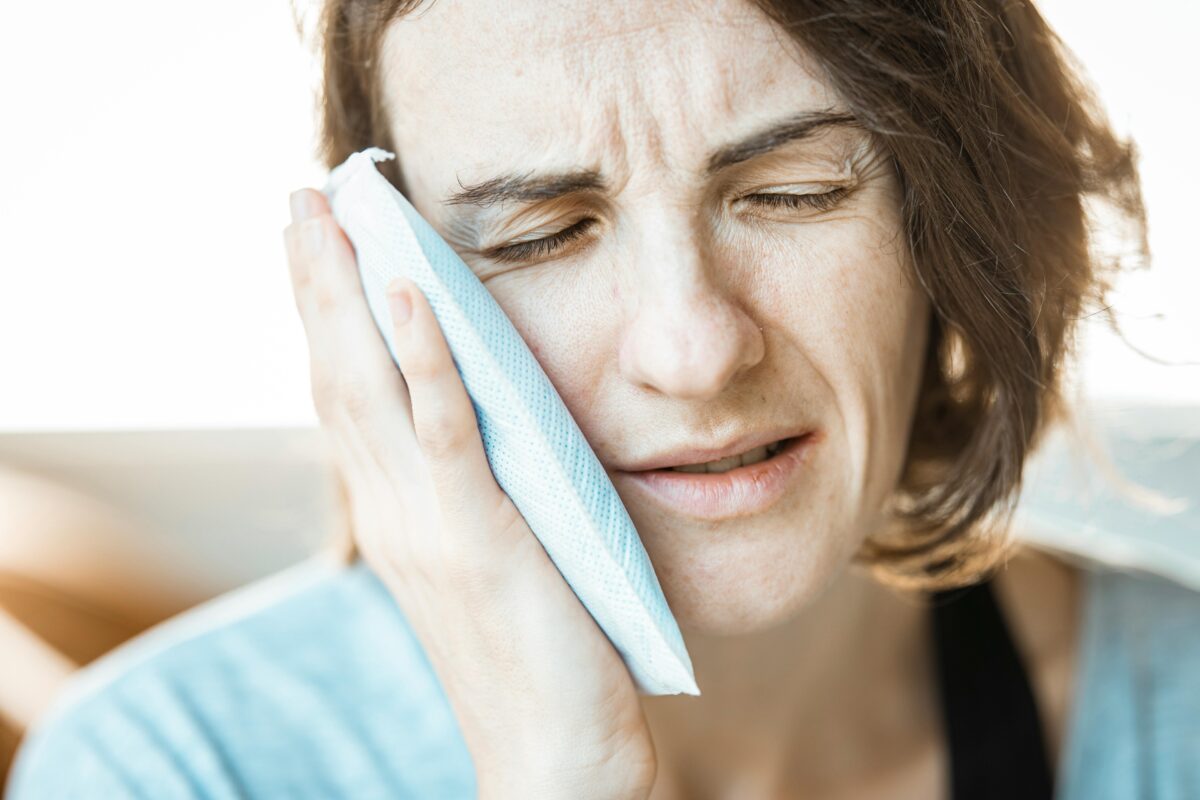
Stress can cause jaw clenching or teeth grinding, often without the person realizing it. Some people grind their teeth at night. Others clench during the day when they are concentrating, angry, overwhelmed, or rushing through tasks. The result can be jaw soreness, neck tightness, tooth pain, ear discomfort, or headaches.
This symptom can be especially confusing because the pain may seem dental, muscular, or neurological. A person may feel pressure around the head or face and never connect it to stress. If jaw pain or tooth pain keeps returning, it is worth taking seriously rather than treating it like a random annoyance.
Dizziness and Lightheadedness During High-Pressure Moments
Stress can raise heart rate and trigger rapid, shallow breathing. That shift can leave some people feeling dizzy, lightheaded, shaky, or unsteady. The feeling can be frightening because dizziness often makes people worry that something serious is happening, which can further intensify the stress response.
This does not mean every dizzy spell is “just stress.” Dizziness can have many causes, including dehydration, low blood sugar, medication effects, blood pressure changes, inner ear problems, and other health concerns. Still, when lightheadedness appears during emotional pressure or panic-like moments, stress may be part of the picture.
Lower Sex Drive and Hormonal Disruption

Chronic stress can interfere with hormones and sexual health. Kaiser Permanente notes that long term stress may contribute to decreased sex drive, erectile dysfunction, irregular menstrual cycles, and problems getting pregnant. This can make stress feel even more personal because it affects confidence, relationships, and the body’s natural rhythms.
This symptom is often hidden because people may feel embarrassed to talk about it. Yet the body does not neatly separate emotional pressure from physical function. Long-term tension, poor sleep, anxiety, exhaustion, and hormonal changes can all pile up until desire drops or cycles become irregular.
Conclusion
Selfcare matters, but ongoing symptoms should not be ignored. Kaiser Permanente advises talking with a doctor if symptoms do not go away or keep coming back, because chronic stress can overlap with anxiety, depression, unhealthy eating behaviors, and other health issues. Medical support can help rule out other causes and create a plan that fits the person’s situation.
Stress is not “all in your head.” It can live in the mouth, gut, muscles, skin, sleep, hormones, and heart. The sooner we notice the body’s warning signs, the easier it is to respond before stress becomes a daily operating system.