5 Shocking Reasons Ford Recalled 420,000 SUVs Over Dangerous Seat Belts
Ford Motor has recalled nearly 420,000 Expedition and Lincoln Navigator SUVs due to a serious seat belt defect that increases the risk of injury to passengers. In these vehicles, seat belts may lock unexpectedly or fail to retract or extend properly, undermining their essential function in a crash.
The issue has drawn scrutiny from the National Highway Traffic Safety Administration (NHTSA), which emphasizes that seat belts that do not function as intended can fail to restrain occupants in a collision, significantly increasing the chance of injury.
The recall affects model years 2018 through 2022 and highlights the importance of vehicle safety oversight and proactive maintenance. To help drivers understand the scope and severity of the problem, here are the main reasons for the recall and the actions Ford is taking to protect passengers.
Pretensioners Can Lock at the Wrong Time
The central issue involves front seat belt pretensioners, which are supposed to tighten during a crash to hold occupants securely. In affected SUVs, these pretensioners may lock unpredictably, preventing belts from moving freely. A seat belt that sticks during a sudden stop or collision can leave passengers inadequately restrained, turning the very feature designed to save lives into a hidden risk on the road.
Belts May Fail to Retract or Extend Properly
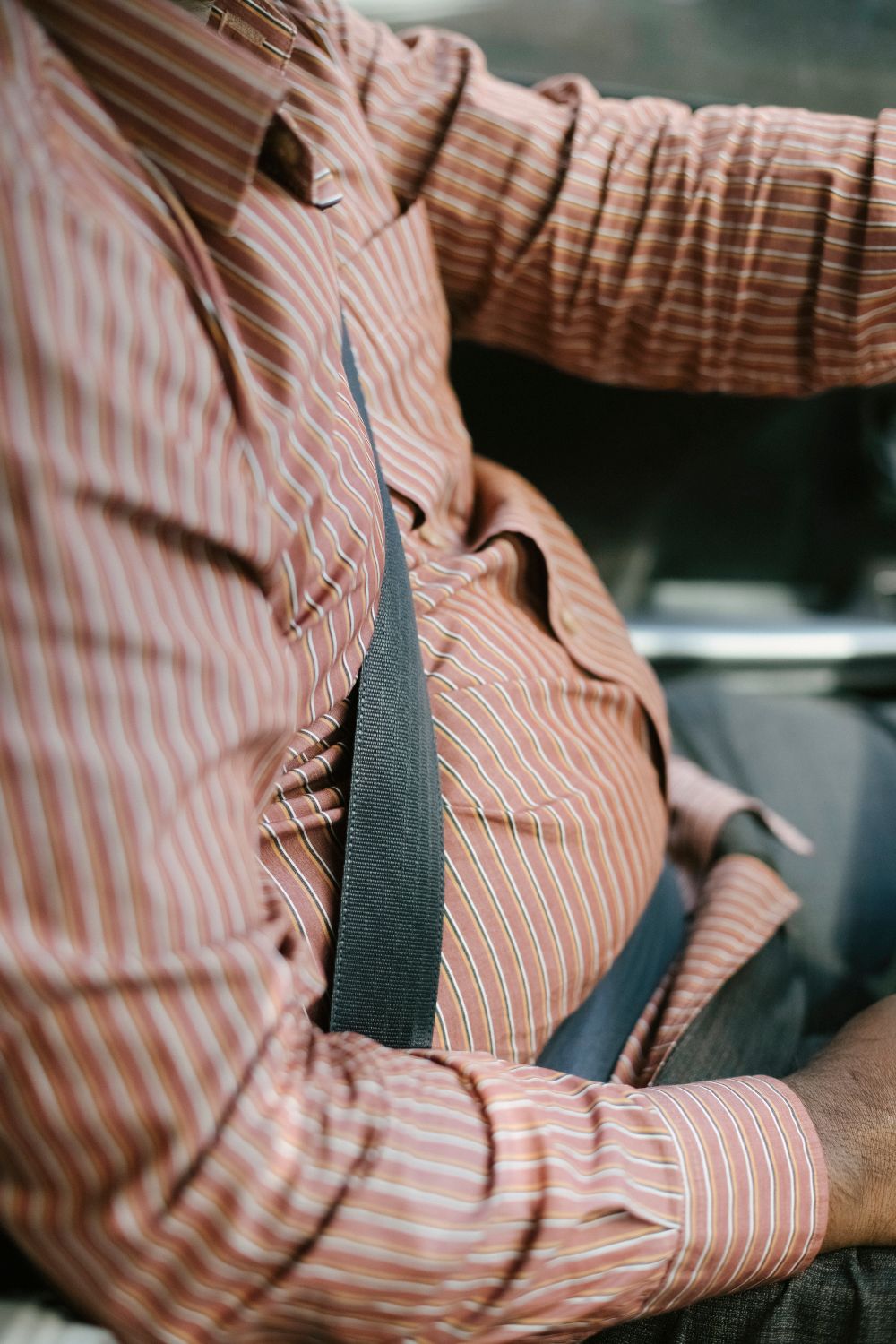
Beyond pretensioner problems, the belts themselves can malfunction, failing to retract or extend under normal use. This can make it difficult for drivers and passengers to adjust them properly, leaving occupants partially secured. During a collision, a stuck or unresponsive belt may fail to fully restrain passengers, increasing the likelihood of injury rather than preventing it.
Documented Injuries Highlight Real-World Danger
Ford has confirmed at least one injury linked to this defect, demonstrating the real-world implications of the malfunction. Even a single injury underscores the urgency for owners to act immediately. Each trip in an affected SUV poses the risk that the seat belt may fail, making this recall particularly alarming for families and daily commuters who rely on the vehicle for safety.
Large-Scale Recall Exposes Oversight Gaps
The recall spans nearly 420,000 SUVs across model years 2018–2022, indicating that the problem is widespread rather than isolated. The magnitude of the recall raises concerns about manufacturing oversight and quality control. Owners who assumed their SUVs were safe now face uncertainty, underscoring the need for stricter safety standards and improved inspection processes.
Families and Daily Drivers Are Most Exposed
Because the Expedition and Navigator are commonly used by families and daily commuters, the defect disproportionately affects the people who rely on these SUVs for transporting passengers safely. Until dealerships replace the faulty seat belts, each trip carries a subtle but real risk. The recall highlights that even popular and trusted vehicles cannot be assumed completely safe without timely corrective action.
Free Dealer Repairs Are Crucial, But Risk Persists

Ford and Lincoln dealers will inspect and replace affected seat belt retractors free of charge, but delays in scheduling or completing the repairs leave vehicles on the road with potentially unsafe belts. Owners must proactively check their VINs and act quickly to ensure the defect is fixed. Until repairs are performed, every drive in these affected SUVs remains a risk to passengers.
Ford’s recall reveals a hidden hazard in nearly half a million SUVs. Seat belts, a feature drivers and families rely on to protect their lives, have been found to have a critical flaw that could have serious consequences. Immediate action, checking recall notices, scheduling repairs, and remaining vigilant, is essential to ensure passenger safety. This incident serves as a sharp reminder that even trusted, popular vehicles are not immune to serious safety defects and must be monitored closely.