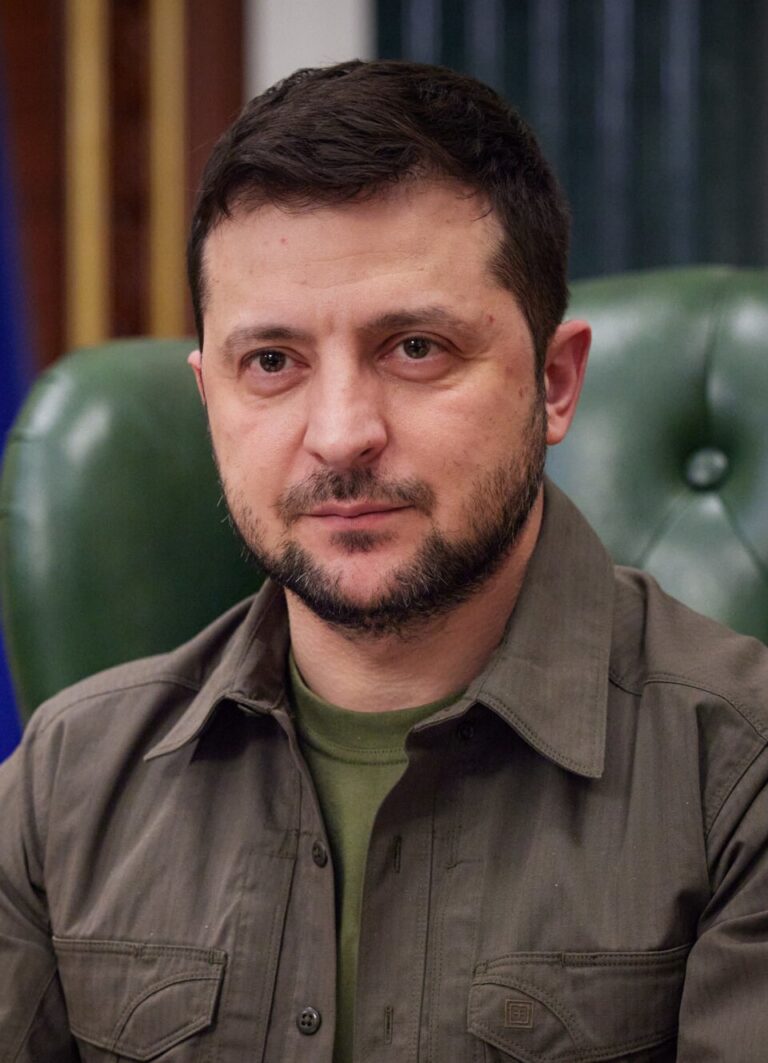
10 Brutal Truths Men Secretly Struggle With Emotionally
Men learn early to suppress their emotions, yet beneath every stoic appearance lies a personal conflict. In a society equating strength with silence, many men shoulder hidden emotional burdens. They project positivity, drive forward, and persevere, but internally, they wrestle with fear, isolation, insecurity, and quiet suffering that rarely emerges.
These emotional struggles are often kept in the shadows, quietly weighing them down, and the more they hide, the heavier the load becomes. It’s time to face the brutal truths that men secretly battle with every day, truths that can no longer be ignored.
Unresolved Childhood Trauma

Men frequently carry unresolved childhood wounds. From neglect, abuse, bullying, or lack of nurturing, these early scars shape emotional health. As adults, they may struggle with intimacy, trust, or vulnerability because of these early experiences, but they often bury the pain, convinced that they must “move on” or “get over it.” However, these unresolved issues can resurface in unhealthy ways, affecting their relationships and their overall emotional well-being.
The Reluctance to Seek Help
A potent emotional struggle is men’s resistance to seeking help. For issues like depression, anxiety, or trauma, men view asking for support as admitting defeat. They may avoid therapy, counseling, or support groups because of the stigma attached to men who seek emotional support.
This avoidance can exacerbate their struggles, leaving them feeling trapped in their own emotions without a way out. Seeking help should be seen as a strength, not a weakness, but the fear of judgment often keeps men from reaching out.
The Constant Pressure to Be the Strong One

A primary challenge for many men is the unyielding demand to stay resilient. Men often absorb the idea that vulnerability means weakness and believe they must bear life’s weight without faltering. Whether it’s at work, in relationships, or in their social lives, they are expected to be the rock, the problem solvers, the decision-makers, the protectors.
This emotional strain can leave them feeling like they are drowning, unable to show any sign of vulnerability without fearing they will be judged or dismissed. The result is an emotional suppression that builds up over time, eventually leading to burnout or emotional collapse.
Secret Loneliness Behind a Crowded Room
Despite being surrounded by people, many men feel profoundly alone. This loneliness isn’t just about physical isolation, but also about emotional isolation. Men often feel they lack the space to express their deeper emotions or fears, which can lead to a quiet sense of abandonment.
Social expectations often leave men stuck in superficial conversations, avoiding the emotional depth that could provide a real connection. Many men crave meaningful bonds and support but are unsure how to reach out without being perceived as weak or needy.
The Fear of Never Being Enough
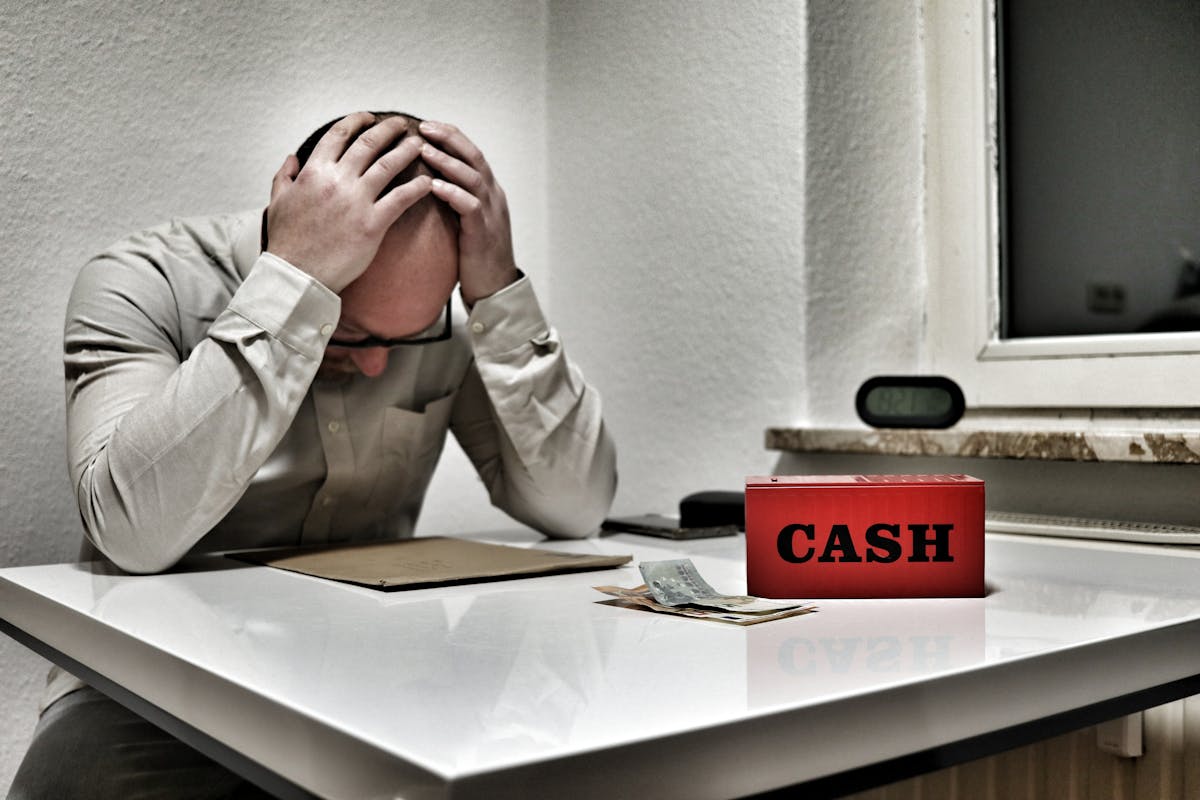
One of the toughest struggles for men is the persistent fear of inadequacy. Pressure exists to stand out in work, finances, relationships, and appearance. Relentless self-critique breeds insecurity, even amid success.
The fear of failure haunts them, and even when they achieve success, the satisfaction is short-lived, overshadowed by the worry that they aren’t doing enough or that they’ll lose it all at any moment. This internal battle often remains hidden behind a façade of confidence and stoicism.
Rejection Hits Harder Than You Think
Rejection wounds men deeply, though it’s often dismissed. Whether romantic, professional, or social, rejection leaves lasting marks. Men may act like it doesn’t bother them, but the truth is that rejection can strike at their sense of self-worth, leaving them questioning their value.
However, societal expectations discourage men from expressing the pain of rejection, making them feel they must bury their emotions. This fear of rejection can impact their relationships, careers, and even their self-image, yet they rarely let others see the true weight it carries.
Struggling to Express Pain and Vulnerability
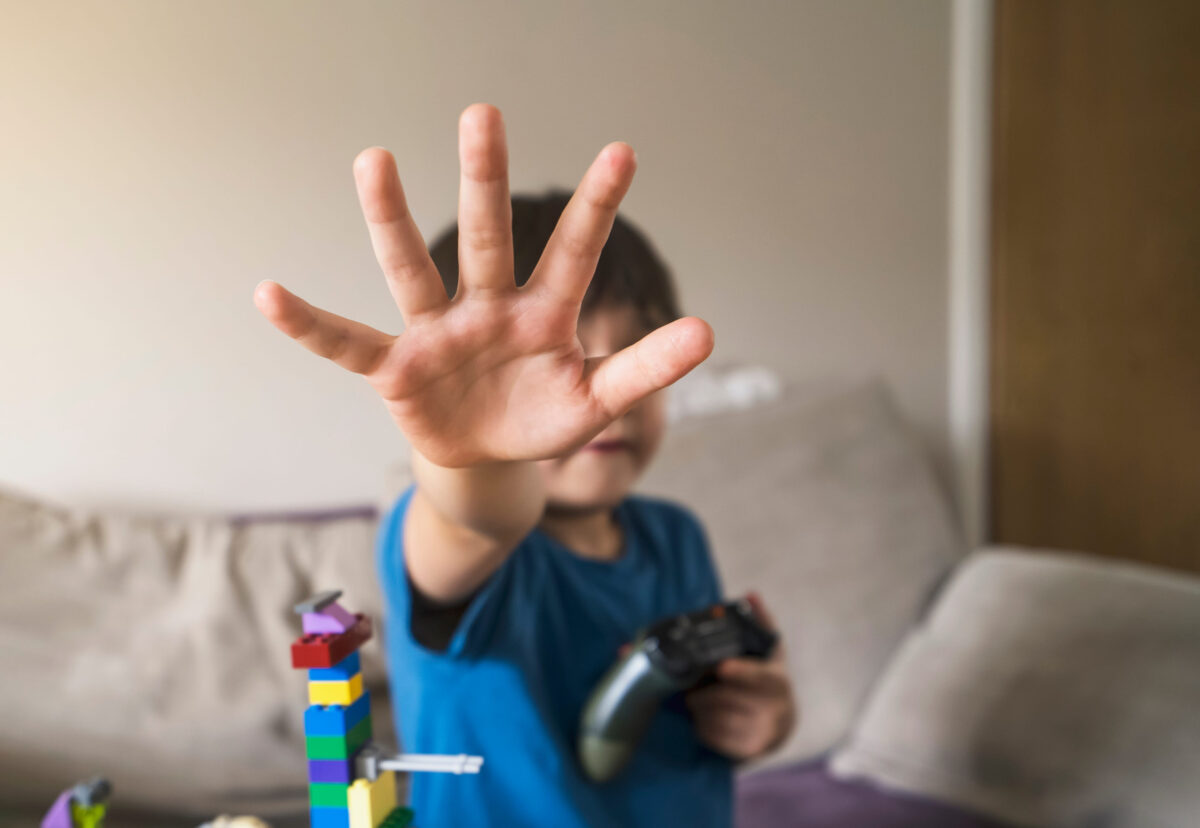
Many men find it difficult to express emotional pain. From childhood, they are taught that showing emotions like sadness, fear, or frustration is a sign of weakness. As a result, many men bottle up their feelings until they can no longer contain them.
This often manifests as anger, withdrawal, or irritability, but deep down, it is the pain of feeling misunderstood or emotionally neglected. Men may not know how to articulate their struggles, so they often suffer in silence, feeling disconnected from the very people who could offer support.
The Hidden Battle with Body Image and Aging
Body image issues are often associated with women, but men face their own struggles in this area as well. Society tells men they must maintain a muscular, lean, youthful appearance, and this pressure can take a toll on their emotional well-being.
As they age, the fear of losing their physical appeal or not meeting societal standards of masculinity can create feelings of insecurity. Whether it’s hair loss, weight gain, or physical decline, many men struggle with the fear of not being “enough” in a society that values physical strength and appearance.
The Weight of Financial Responsibility

For many men, their sense of worth is tied to their ability to provide financially. The pressure to be the sole breadwinner, maintain financial stability, and provide for loved ones can be overwhelming. When financial hardship hits, many men feel ashamed or defeated, fearing they’ve failed in their primary role.
This emotional strain can lead to anxiety, stress, and even depression, yet men are often expected to keep their financial struggles hidden, further isolating them from the support they need.
The Fear of Being a Burden
Many men worry privately about being burdensome to others. Whether suffering emotionally, physically, or financially, men equate seeking support with weakness. They may internalize the belief that they are supposed to be self-sufficient and that needing others is a flaw.
This fear of being seen as a burden can prevent them from reaching out for help, even when they are in desperate need of emotional or physical support. The result is a growing sense of isolation and a reluctance to open up to those who care about them.
Conclusion
The emotional struggles that men face are often hidden behind a mask of silence, strength, and stoicism. They are taught to suppress their emotions, to carry their burdens alone, and to be the pillars of support for others, all while silently struggling with their own pain.
It’s time for society to change the narrative, to recognize that men, too, experience deep emotional challenges that deserve acknowledgment and support. The more we understand these hidden battles, the more we can create a world where men feel empowered to share their struggles without fear of judgment or ridicule. Men should not have to carry these burdens in silence.