Potato Storage Mistake Quietly Ruining Food in Homes Without Anyone Noticing
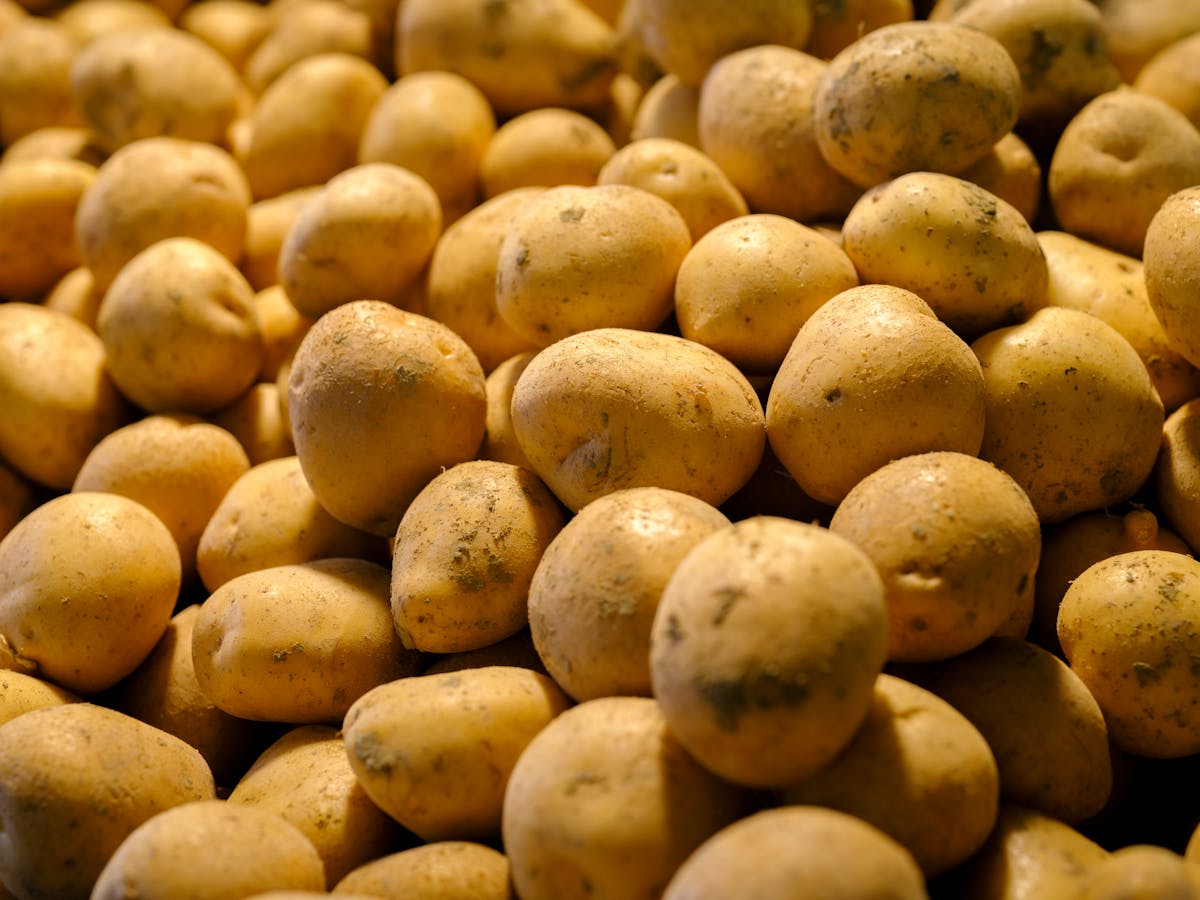
Most people bring potatoes home and barely think about them again. They end up in a bag, on a counter, or tucked into a cupboard until they are needed. But what happens in those first few hours after shopping often decides how long they will actually last.
Potatoes are more sensitive than they look. They react quickly to light, heat, and moisture, which can trigger sprouting, greening, and early spoilage. That is why storage is not just a “later” issue. It starts the moment you walk through the door.
Understanding what is happening inside the potato, what common habits speed up damage, and what to do when sprouting has already started can help reduce waste and keep food safer for longer.
Why are potatoes starting to change faster than expected
Potatoes are still alive in a biological sense after harvest. They continue responding to their environment even after being packed and sold. When they are exposed to light, they begin producing chlorophyll, which turns the skin green. Heat and moisture speed up sprouting.
Sprouting is not random. It is the potato’s natural response to growing conditions. It is trying to “restart” growth. While small sprouts are not immediately dangerous, they are a clear sign that the potato is aging and losing quality.
This is why leaving potatoes on a kitchen counter near sunlight or heat sources shortens their shelf life so quickly. The environment is often doing more damage than people realize.
The truth behind green potatoes
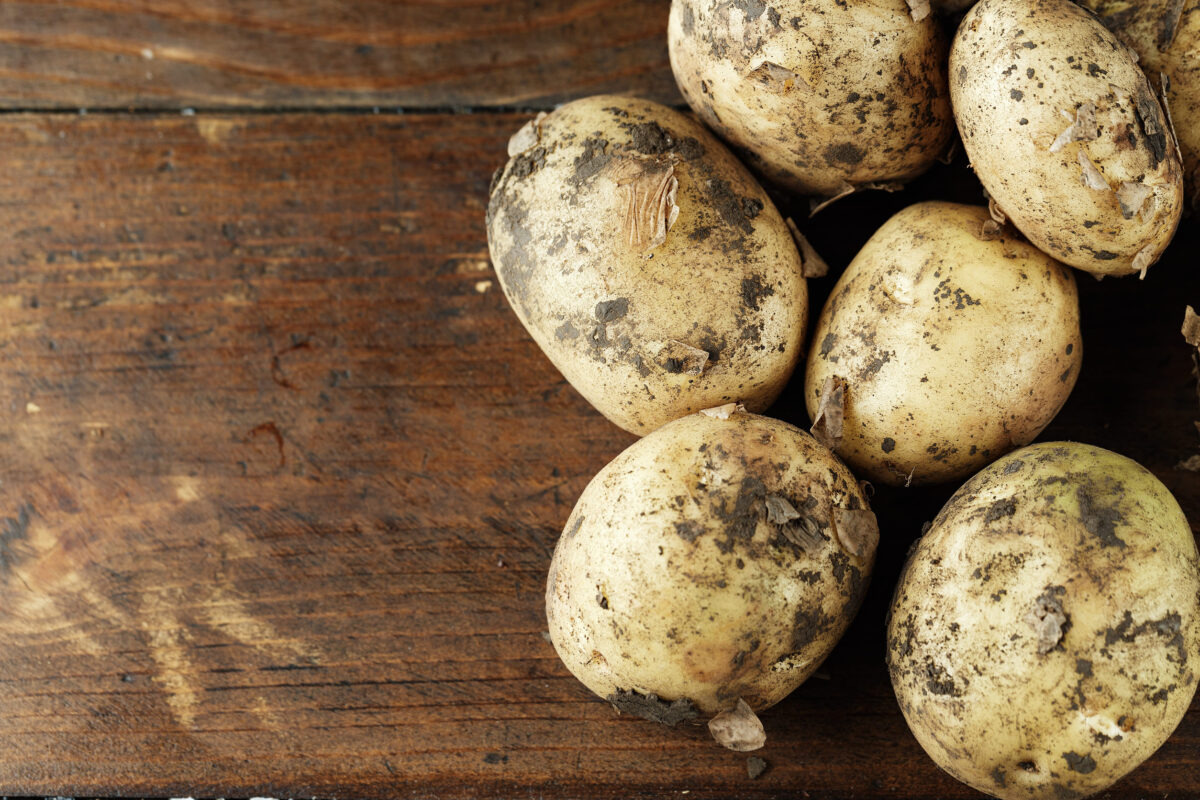
Green patches on potatoes often cause confusion. The green color itself is chlorophyll, which is not toxic. But it is also a warning sign that the potato may have higher levels of natural compounds called glycoalkaloids.
These compounds can become a concern when they build up in large amounts. That is why heavily green potatoes, especially those that taste bitter or feel soft, are considered unsafe by food safety experts.
Small green spots can sometimes be cut away if the potato is still firm. But when greening spreads or combines with sprouting and softness, the potato should not be eaten. The key point is simple: color alone is not the only warning. Texture and smell matter just as much.
The storage mistake most households don’t realize
One of the most common mistakes is storing potatoes with onions. Onions release gases that encourage sprouting, which significantly shortens the freshness of potatoes. It is an easy habit to overlook because both foods often end up in the same kitchen space.
Another mistake is keeping potatoes in sealed plastic bags. These bags trap moisture and block airflow, creating the perfect conditions for rot. Even washing potatoes before storing them can accelerate spoilage because excess moisture encourages mold growth.
Light exposure is another silent problem. Even indirect sunlight can trigger greening over time. None of these mistakes seems serious on its own, but together they dramatically reduce shelf life.
Should potatoes go in the fridge?
This is one of the most debated questions in food storage. Traditional guidance says potatoes should be kept in a cool, dark, dry place, not the refrigerator. The concern is that cold temperatures can convert starch into sugar, which can affect taste and texture when cooked.
However, some international food safety guidance allows refrigeration as an option to reduce food waste, especially in warmer homes where pantry conditions are not ideal. Despite the debate, one rule is consistent everywhere: potatoes must be kept away from light, heat, and moisture. Those three factors are what cause most of the damage.
When sprouted potatoes are still usable
Not all sprouted potatoes need to be thrown away. If the potato is still firm, has small sprouts, and has no strong odor or green patches, it can often still be used. The sprouts should be fully removed, and the potato should be peeled before cooking.

At this stage, the best use is in fully cooked dishes such as mashed potatoes, soups, stews, curries, roasted wedges, or hash browns. These methods allow you to cut away small damaged areas and cook the potato thoroughly, which helps improve safety and texture.
However, there is a clear limit. Potatoes that are soft, wrinkled, heavily sprouted, or bitter-smelling should be discarded. At that point, cooking cannot undo the chemical changes already taking place. The difference comes down to condition, not just appearance. Light sprouting can still be managed. Advanced spoilage cannot.
Simple habits that keep potatoes fresh longer
Good storage is not complicated, but it does require consistency. Once potatoes are brought home, they should be removed from plastic packaging immediately. They should be sorted so that any damaged potatoes are separated from healthy ones. This prevents faster spoilage from spreading.
The best storage option is a breathable container such as a paper bag, basket, or mesh sack. The location should be cool, dark, and dry, away from heat sources and sunlight. It also helps to check potatoes every few days. Catching early sprouting or soft spots makes it easier to use them before they go bad. Small adjustments like these can significantly extend freshness.
Why this matters more than it seems

Potatoes are one of the most common staple foods in households worldwide. When they spoil early, the loss is not just food, but money and effort. A large portion of household food waste comes from storage issues rather than expiration dates. That means most of it is preventable.
Better storage habits do not require extra spending or equipment. They simply require awareness of how potatoes actually behave after they are brought home.
Potatoes are simple, but they are not passive. They react to how they are stored from the moment they enter the kitchen. A few small habits can decide whether they last weeks or end up wasted within days. The difference is not the potato itself, but what happens after it comes home.