8 Depression-Era Dinners Families Still Make Today
Think your meal prepping is creative? Try feeding a family of six on a single potato, half a block of lard, and a whole lot of hope. At the peak of the Great Depression in 1933, approximately 25% of the U.S. labor force was unemployed, according to the Smithsonian’s National Museum of American History. With empty pockets and bare cupboards, American home cooks didn’t just survive; they became absolute culinary magicians.
From sizzling, hearty potato skillets to velvety macaroni and cheese, they turned basic staples into comforting masterpieces. Nearly a century later, these old-fashioned recipes prove that true comfort food isn’t born in high-end restaurants, but in resourceful kitchens that know how to make every single bite count.
Pasta and peas
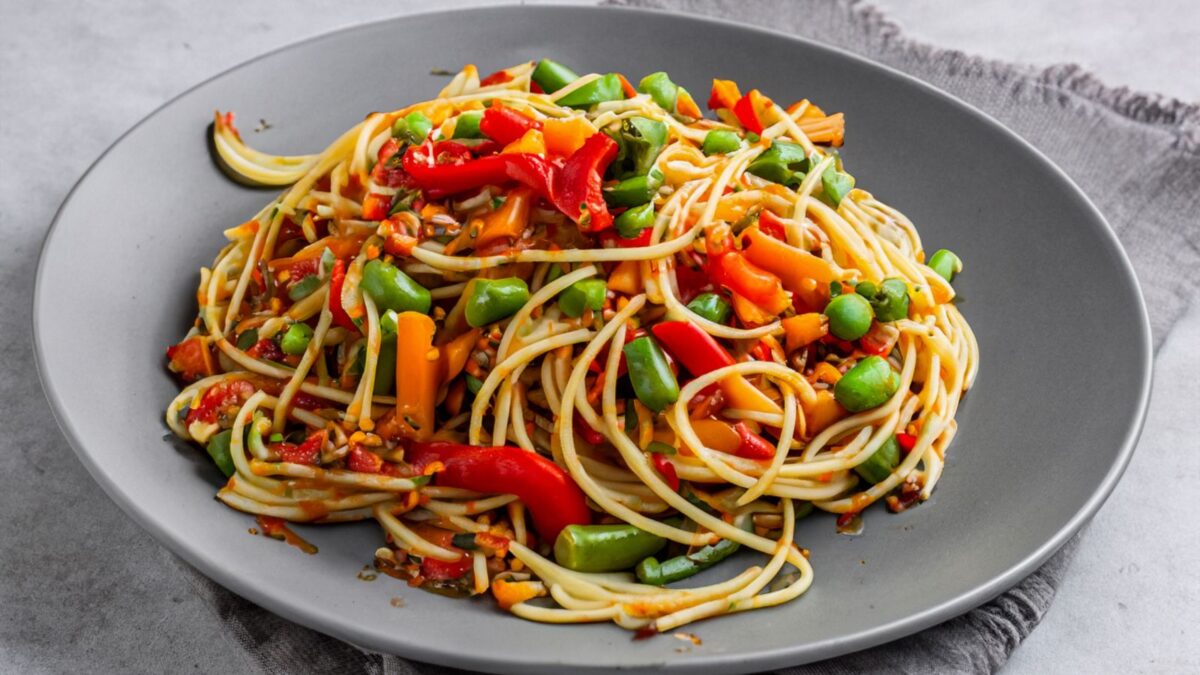
Who says a satisfying pasta dinner needs an expensive sauce or a generous helping of meat? Clara’s Depression-era pasta and peas relied on a combination of noodles, canned peas, potatoes, onions, and grated cheese. Her family’s method brought these ordinary ingredients together in a single pot.
The potatoes helped extend the meal, while the peas and cheese added extra flavor. Clara even shared a cooking trick that reduced the time the stove needed to run. Today’s cooks can follow her example when they want a simple dinner without preparing a separate meat dish.
Macaroni and cheese
Few comfort foods have enjoyed the lasting popularity of macaroni and cheese. Americans enjoyed versions of this cheesy pasta dish before the Great Depression, but a convenient packaged product helped make it a household staple. Kraft launched its iconic boxed macaroni-and-cheese dinner in 1937 for 19 cents per box, as documented by the Chicago History Museum.
The inexpensive product offered families an easy way to prepare a familiar meal during an economically challenging period. The museum explains that convenient preparation also contributed to its popularity through World War II, when food rationing influenced household cooking. That legacy continues in grocery stores today. Kraft Heinz still sells macaroni-and-cheese dinners and promotes the product as a tradition that connects generations.
Poor man’s meal
Potatoes, onions, and sliced hot dogs might sound like an unlikely dinner combination, but Depression-era cook Clara Cannucciari knew how to make it work. In her original Great Depression Cooking video, Clara demonstrated how her family prepared this humble skillet meal during the 1930s. She fried chopped potatoes and onions until tender, added sliced hot dogs, and finished everything with a little tomato sauce.
The result offered a practical way to turn a small amount of meat into a family supper. The recipe has survived through generations of home cooks. For anyone with a few potatoes and leftover hot dogs, this old-fashioned dinner still offers a straightforward way to use familiar ingredients.
Spanish beans
Beans have long offered home cooks a convenient starting point for hearty dishes. On Recipe Zazz the 1930s Spanish Beans recipe is featured as a vintage Great Depression-era dish originally published in a 1930 community cookbook from the Chicago Daily News. Rather than relying on an expensive centerpiece, the recipe brought several everyday foods together in one preparation.
The creator identified the original dish as a side, although a generous bowl could also serve as the centerpiece of a simple supper. Its enduring appeal comes from its flexible combination of beans, tomatoes, and vegetables. Anyone interested in vintage American cooking can see how an ordinary cookbook recipe still fits into modern meal planning.
Relatable: Nostalgic Dinners From the ’70s That Will Take You Back In Time
Peppers-and-egg sandwiches
Sometimes the best dinner sits between two slices of bread. Peppers-and-egg sandwiches bring together cooked bell peppers, scrambled eggs, and bread for a straightforward meal that needs no meat. Clara demonstrated this family favorite on her Great Depression Cooking series and even prepared homemade bread to accompany the filling.
Her approach reflected the practical cooking habits of her Italian-American household during the Depression. Different families carried similar food traditions forward. For modern cooks, the sandwich remains an appealing dinner option when the refrigerator holds peppers, eggs, and a little bread.
Potato-and-egg soup
PURE Executive Health & Wellness states that a bowl of soup serves as the ultimate comfort food that can warm us up or cool us off, body and soul. Clara’s Depression-era egg drop soup began with potatoes and onions, which she browned in olive oil before adding water and seasonings. Once the potatoes softened, she stirred eggs directly into the hot broth. She also added whole eggs and finished the soup with cheese.
Bread or toast underneath the broth helped make the dish more substantial. The method continues to appear in home kitchens. These variations demonstrate how cooks can create distinct meals from a similar pantry-based approach.
Garlic-and-oil pasta
Garlic, olive oil, and pasta can create a delicious dinner without a complicated ingredient list. Known in Italian cooking as pasta aglio e olio, this dish existed long before America’s economic crisis. However, Clara’s family cooking memories connect the simple preparation with the resourceful habits of Depression-era households.
The finished demonstration captured a recipe that placed everyday pantry ingredients at the center of dinner. Cooks today can appreciate the same simplicity by preparing pasta with garlic and oil rather than relying on a more elaborate sauce. The dish shows that an uncomplicated supper can still feel special.
Meatloaf
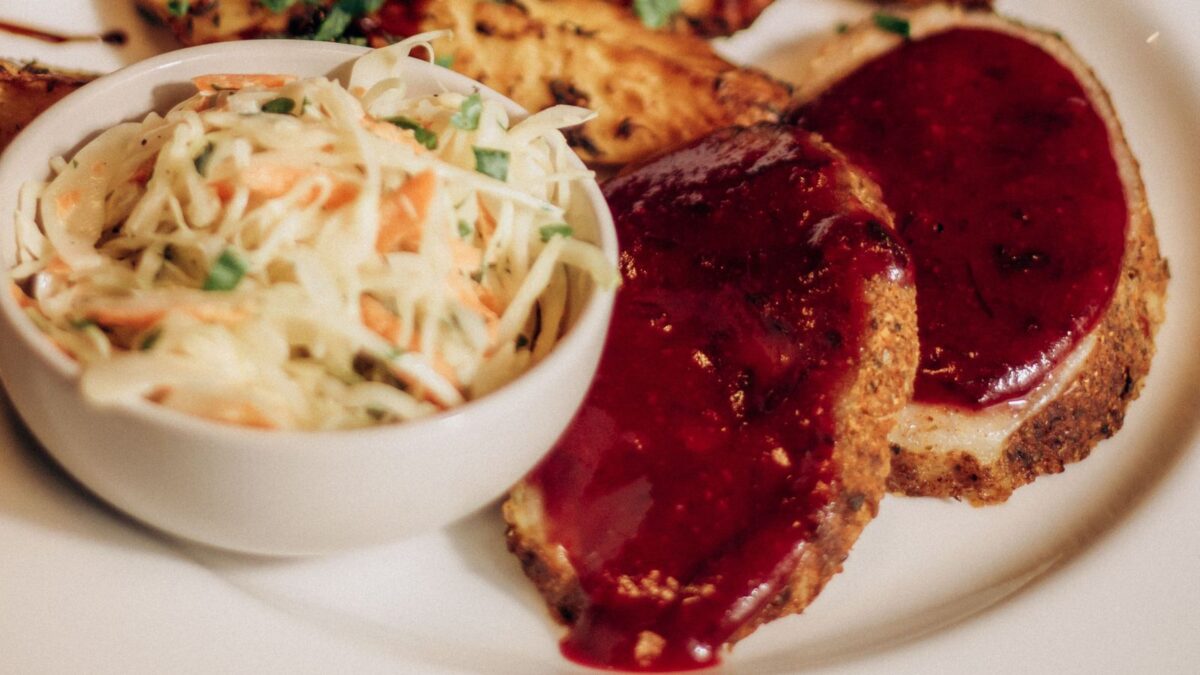
Meatloaf has a way of bringing old-fashioned family dinners straight back to the table. According to Allrecipes, good old-fashioned meatloaf stands alongside hot dogs and apple pie as an iconic American comfort food. During the Depression, cooks adapted familiar meat dishes to make their available ingredients go further.
Glen and Friends Cooking has also demonstrated a modern meatloaf made with vegetables, breadcrumbs, and an egg, illustrating how the dish continues to change. The Depression-era recipe does not prove that every household used tapioca. Instead, it offers a fascinating glimpse into the creative methods home cooks used to prepare familiar family dinners.