5 Kidney-Friendly Vegetables We Should Eat More Often for Better Kidney Health
Our kidneys do quite a lot of work every minute. They filter waste, help balance fluids, support healthy blood pressure, and help keep key minerals in the right range.
That is why the best vegetables for kidney health are not just “healthy” in a vague way. They help us build meals that are lower in sodium, higher in fiber, and rich in protective plant compounds.
Still, kidney health needs a smart approach. People with chronic kidney disease may need to control sodium, potassium, phosphorus, calcium, and protein intake based on their lab results and kidney disease stage.
The National Kidney Foundation explains that potassium needs can vary widely, and too much or too little potassium can be dangerous for people with kidney disease.
Why Vegetables Matter for Kidney Health
Vegetables support kidney health through several connected pathways. They can help reduce reliance on salty packaged foods, add fiber to support blood sugar control, provide antioxidants to help fight oxidative stress, and make meals more satisfying without heavy sauces.
The CDC lists eating more fruits and vegetables and choosing foods lower in salt among the lifestyle steps that help protect kidney health.
We should also remember that diabetes and high blood pressure are major drivers of kidney damage. The CDC reports that about 1 in 3 adults with diabetes and 1 in 5 adults with high blood pressure may have chronic kidney disease.
That makes vegetable choices especially important because blood pressure, blood sugar, and sodium intake all affect kidney health.
Red Bell Peppers
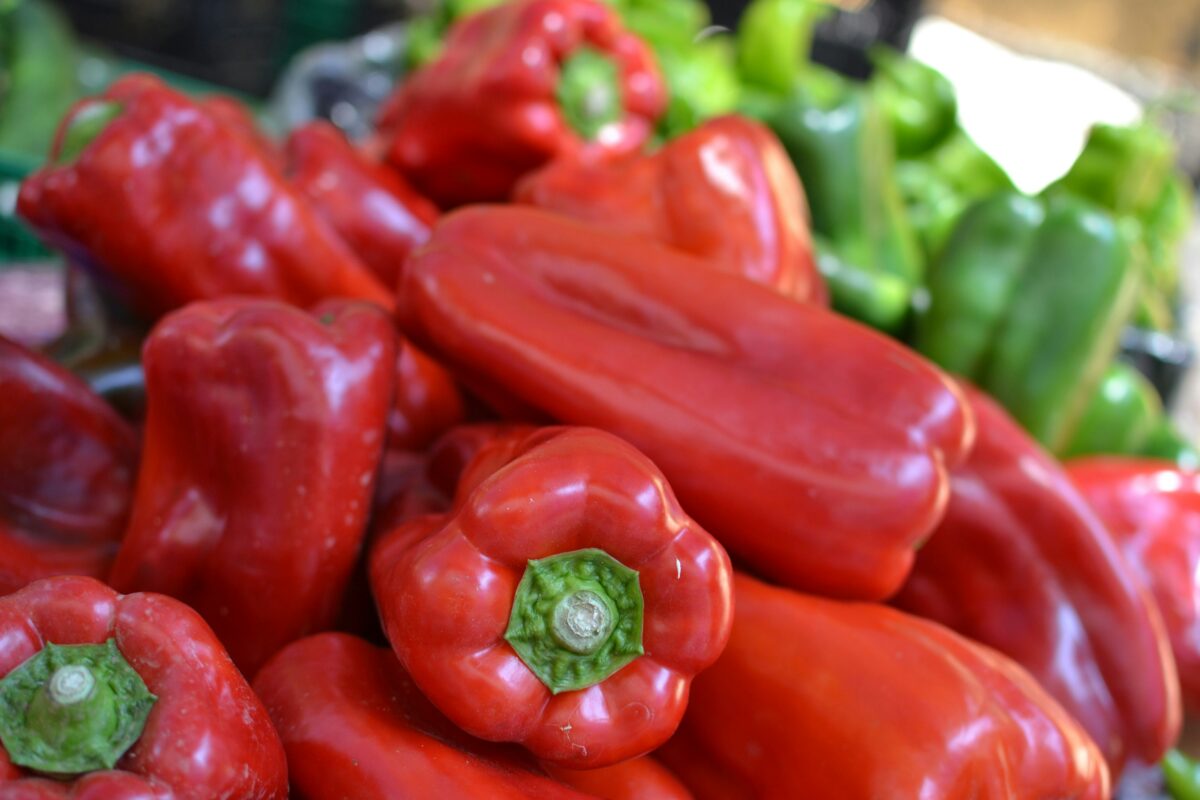
Red bell peppers add Crunch Without Loading the plate with potassium. They deserve a top spot because they bring color, sweetness, and crunch without the heavy sodium that often sneaks into flavor-packed meals.
They work well raw, roasted, grilled, chopped into salads, or folded into omelets. For people trying to make kidney-friendly meals feel less bland, red bell peppers can carry a lot of flavor with very little effort.
They also fit the classic kidney-friendly pattern because they are often listed as lower in potassium than many other vegetables.
DaVita’s kidney diet resource lists a half-cup serving of red bell pepper as containing 1 mg of sodium, 88 mg of potassium, and 10 mg of phosphorus. That makes them useful for people who need careful mineral control, though anyone with CKD should still follow their own clinician’s advice.
Cabbage
Cabbage gives us fiber, volume, and a budget-friendly kidney staple. It is one of the most practical vegetables for better kidney health because it is affordable, versatile, and easy to incorporate into large meals.
We can shred it into slaws, sauté it with onions and garlic, roast it in wedges, or add it to soups. It gives meals bulk, helping us feel full without relying on salty, processed sides.
Cabbage also brings glucosinolates, a group of compounds found in cruciferous vegetables. Those plant compounds help explain why cabbage often appears in kidney-friendly food lists.
DaVita lists a half-cup serving of green cabbage as containing 6 mg of sodium, 60 mg of potassium, and 9 mg of phosphorus, making it a strong option for many kidney-conscious meal plans.
Cauliflower

Cauliflower works as a kidney-friendly swap for Higher-Potassium Comfort Foods, and it has become popular for a reason. It can replace mashed potatoes, bulk up rice dishes, thicken soups, and add texture to casseroles. That matters because many comfort foods become harder to manage when we need to watch sodium, potassium, or refined carbs.
Cauliflower also provides fiber, vitamin C, and a mild flavor that pairs well with almost any seasoning. The CDC includes cauliflower among vegetables that may fit food choices for people living with diabetes and kidney disease.
That does not mean every person with CKD can eat unlimited cauliflower, but it does make it one of the more useful vegetables to discuss with a renal dietitian.
Green Beans
Green beans, familiar, and kidney beans are among the easiest vegetables to incorporate into everyday eating. They do not require a special recipe, and they pair well with chicken, fish, rice, pasta, eggs, or plant-based meals. We can steam them, roast them, sauté them with garlic, or toss them into a quick lunch bowl.
Their biggest advantage is balance. Green beans add fiber and texture without making the meal high in sodium. They are also often considered kidney-friendly because they are lower in potassium than many other vegetables. For people who feel overwhelmed by kidney diet rules, green beans offer a familiar starting point.
Garlic

Garlic helps us cut back on salt without making food taste flat. It supports kidney-friendly cooking by addressing one of the biggest challenges of low-sodium eating: flavor. Many people cut back on salt, only to give up because their meals taste dull. Garlic changes that. It adds depth to soups, sauces, roasted vegetables, beans, fish, and grain bowls without relying on salty seasoning blends.
This matters because sodium control is a major part of kidney-conscious eating. The NIDDK explains that choosing foods and drinks while avoiding too much sodium, potassium, and phosphorus may help prevent or delay some CKD-related health problems.
The CDC also notes that eating less sodium can help lower blood pressure and reduce fluid buildup in kidney disease.
The Best Way to Prepare Vegetables for Kidney Health
The way we cook vegetables can help or hurt the kidney-friendly goal. Roasting, steaming, grilling, and sautéing with garlic, onions, herbs, lemon, vinegar, or salt-free seasoning blends can make vegetables taste rich without adding too much sodium.
Creamy sauces, salty broths, cured meats, cheese-heavy toppings, and packaged seasoning packets can turn a healthy vegetable into a sodium-heavy dish.
We should also pay attention to canned vegetables. If we use them, low-sodium or no-salt-added versions are usually better choices. Rinsing canned vegetables can help reduce some sodium, but starting with fresh or frozen vegetables gives us more control.
A Simple Kidney-Friendly Vegetable Plate Formula

via unsplash
A strong kidney-conscious plate starts with vegetables that bring color and fiber, then adds a sensible protein, a grain or starch that fits the person’s needs, and a low-sodium flavor base.
For example, we can build a meal with roasted cauliflower, sautéed cabbage, grilled chicken, rice, garlic, onion, herbs, and lemon. Another simple plate could include green beans, red bell pepper, fish, and a small serving of pasta tossed with olive oil and garlic.
The goal is not perfection. The goal is a pattern. When we eat more home-cooked meals built around vegetables, we usually reduce sodium intake, increase fiber intake, and support better blood pressure over time.
Conclusion
The best vegetables for kidney health are the ones that help us eat with more control, more color, and less sodium. Red bell peppers, cabbage, cauliflower, green beans, garlic, onions, cucumbers, eggplant, and carefully portioned beets can all support a smarter, kidney-friendly eating pattern.
They bring fiber, flavor, antioxidants, and practical meal flexibility without making healthy eating feel like punishment.
For people without kidney disease, these vegetables can support a balanced, heart-friendly diet. People with CKD should fit inside a personalized plan shaped by lab results, medications, kidney function, and professional guidance.
That balanced approach gives us the best chance to protect kidney health without turning food into fear.