10 Ways You Are Cooking Meat Wrong and How to Fix Them
Cooking meat is an art form that requires technique, patience, and a little bit of know-how. Unfortunately, many of us make common mistakes that can ruin an otherwise perfect cut of meat.
Whether you’re grilling, pan-searing, or slow-roasting, these cooking errors are more common than you might think. If you’ve ever wondered why your steak isn’t as juicy, or your roast doesn’t turn out as tender as you’d like, it might be time to reassess your methods. Here are 10 ways you might be cooking meat wrong , and how to fix them to achieve mouthwatering results every time.
You’re Not Letting the Meat Rest Before Cooking
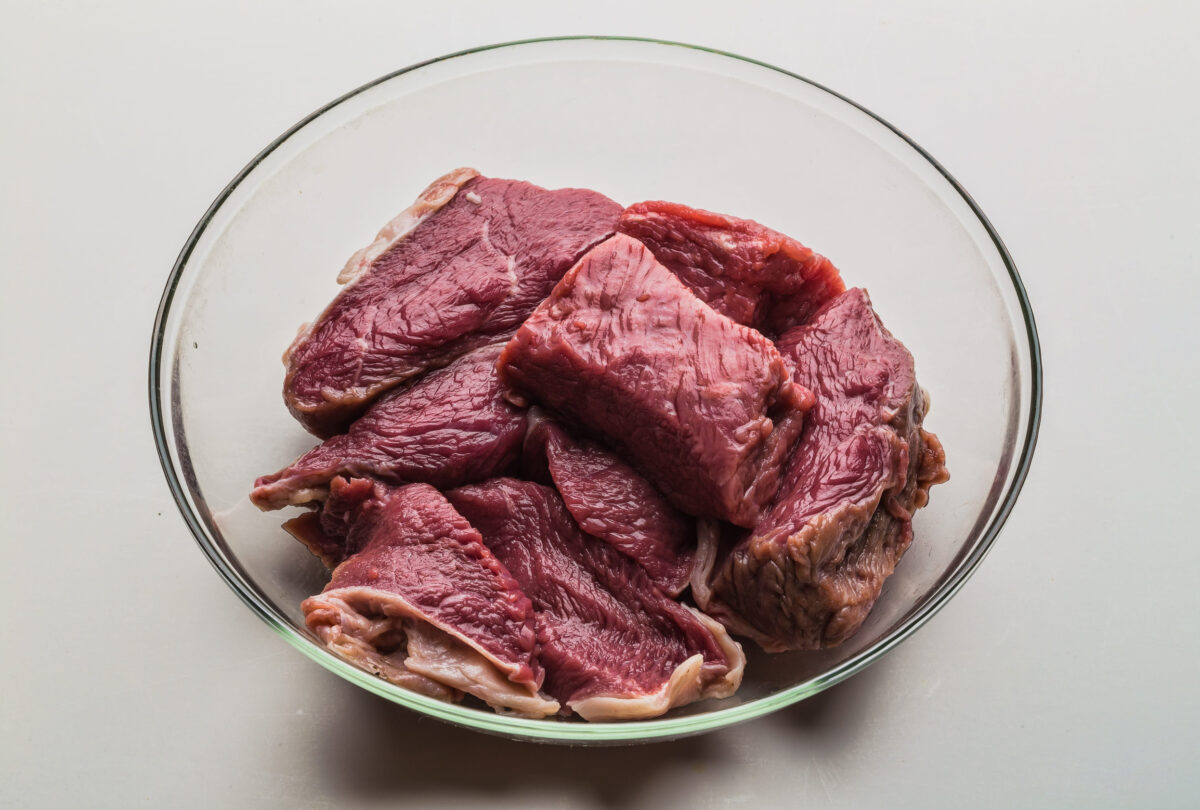
It’s easy to forget that letting meat come to room temperature before cooking is crucial. Many home cooks make the mistake of putting cold meat straight from the fridge into the pan or grill.
This results in uneven cooking and can cause the meat to seize up and lose moisture. The solution is simple: Take your meat out of the fridge 20 to 30 minutes before cooking, depending on the size of the cut. This helps the meat cook more evenly and retains its juiciness.
You’re Using the Wrong Cooking Temperature
Every cut of meat requires a specific cooking temperature to achieve the perfect texture. If you cook a thick steak or a roast on high heat for too long, you risk burning the exterior while leaving the inside undercooked. Similarly, cooking meat on too low a heat can make it tough and dry.
The key is to balance the heat: Use high heat to sear the meat, then reduce the heat for a slower, more controlled cook. For large cuts like roasts or pork shoulders, consider cooking them at a lower temperature for a longer time to achieve melt-in-your-mouth tenderness.
You’re Overcrowding the Pan
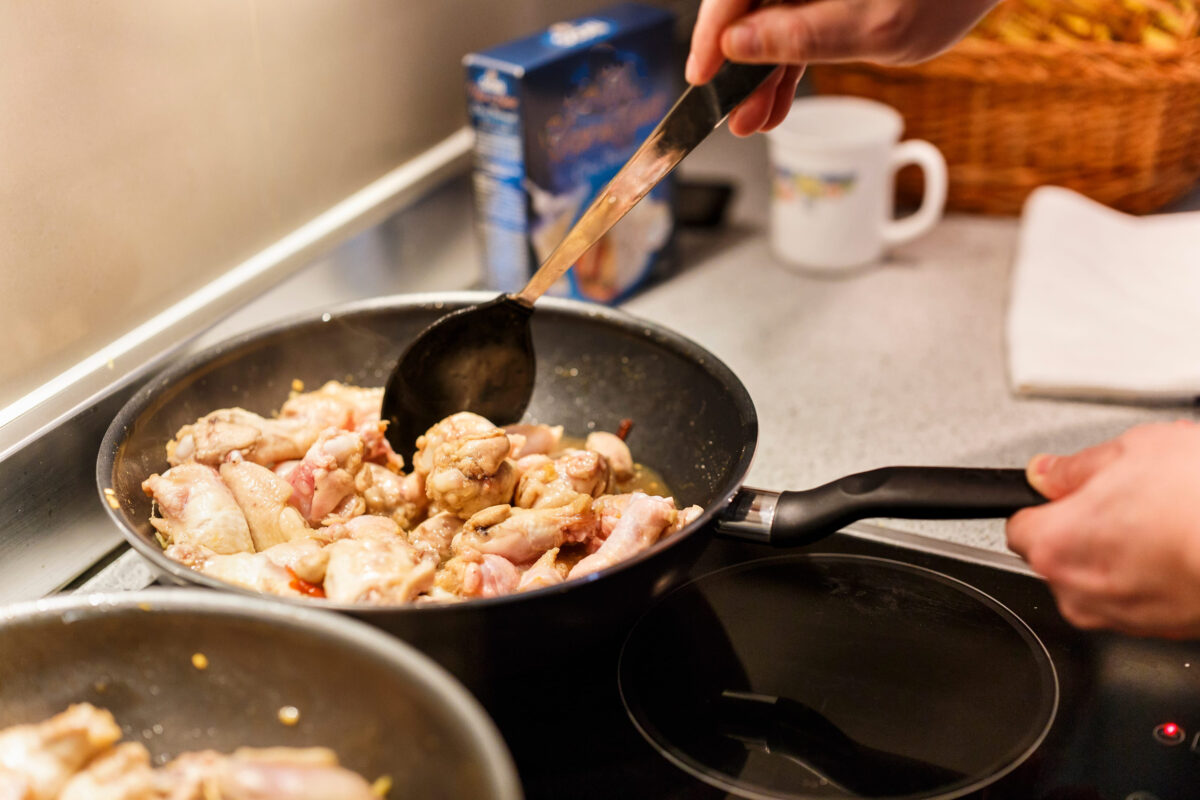
This is a classic mistake that affects how meat cooks. When you overcrowd the pan, you trap steam instead of allowing the meat to sear.
This results in steaming rather than browning, and your meat won’t get that crispy, caramelized exterior that adds so much flavor. To fix this, cook the meat in batches if necessary. Give each piece enough space to breathe, allowing for an even sear.
You’re Not Seasoning Enough
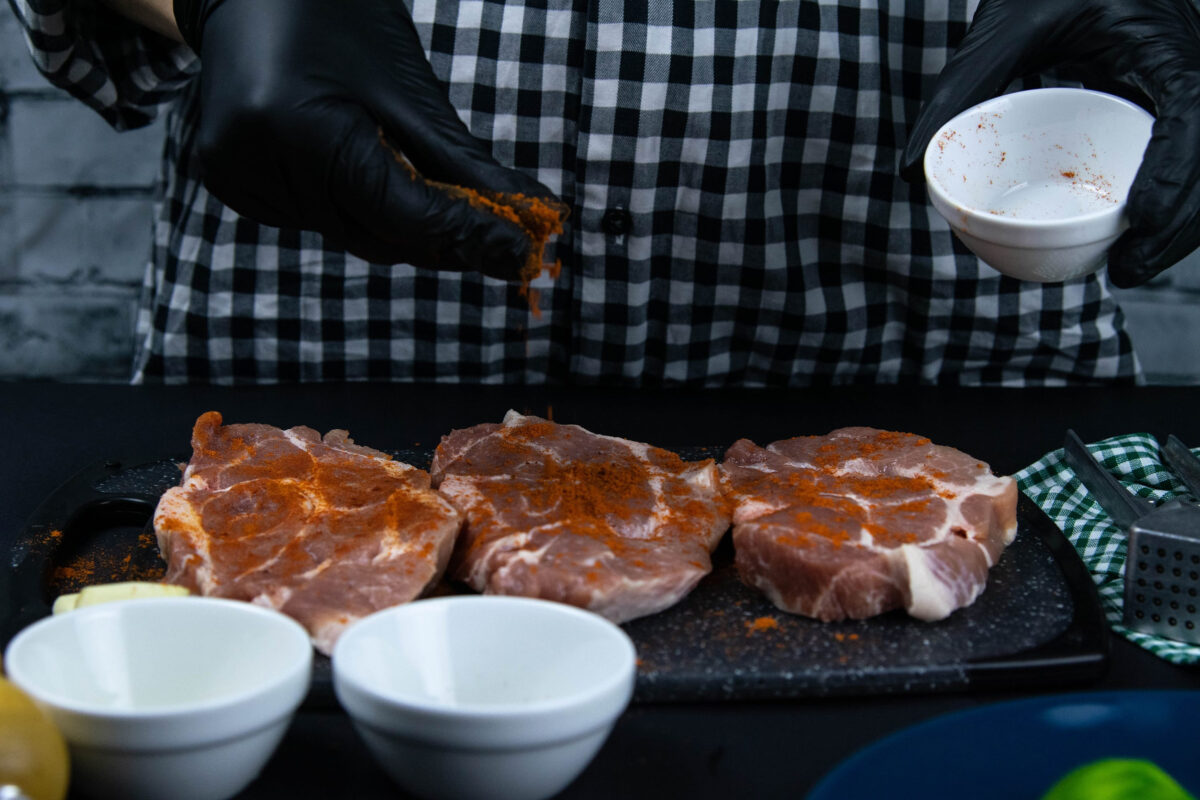
Many people shy away from properly seasoning their meat, fearing it will overpower the natural flavors. The truth is, seasoning is essential to bring out the best in your meat. Whether it’s salt, pepper, or a mix of herbs and spices, seasoning not only enhances flavor but also adds texture.
Salt, in particular, helps draw out moisture from the meat, creating a flavorful crust. Don’t be afraid to generously season your meat before cooking.
You’re Overcooking Your Meat
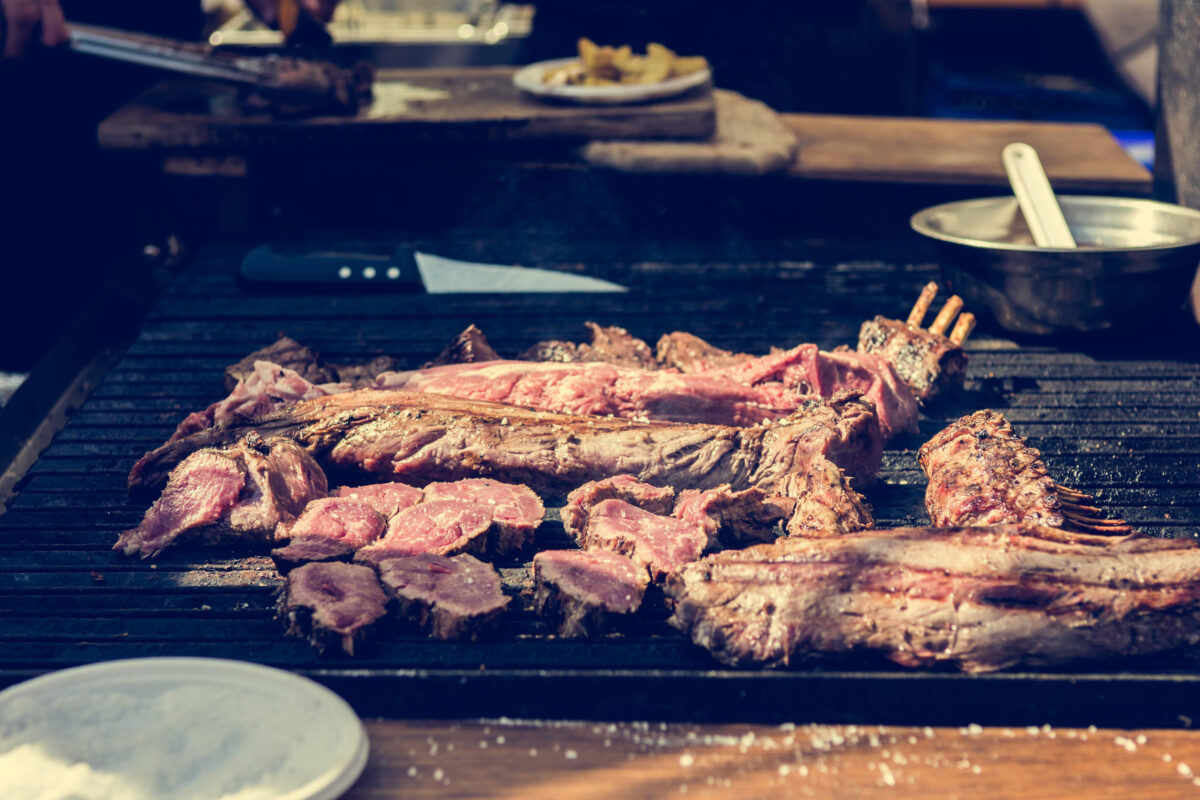
There’s a fine line between a perfectly cooked piece of meat and one that’s dry and tough. Overcooking is a mistake that can happen too easily, especially with lean cuts like chicken breasts or pork tenderloin. Using a meat thermometer is your best friend here.
For instance, steaks should reach an internal temperature of 130-135°F for medium-rare, and poultry should be cooked to 165°F. If you don’t have a thermometer, the touch test can help, but it’s always best to rely on an accurate reading.
You’re Not Using Enough Fat
Fat is not the enemy when cooking meat. In fact, fat plays a critical role in flavor and moisture. When cooking lean cuts like chicken breasts or pork chops, adding a little extra fat can make a world of difference.
This could mean using olive oil, butter, or even rendering bacon fat. Not only does fat keep the meat moist, but it also helps achieve a golden, crispy crust. So, don’t skimp on the oil or butter; your taste buds will thank you.
You’re Not Resting Your Meat After Cooking
Resting meat after cooking is one of the most overlooked steps, but it’s crucial. When you cook meat, the juices are pushed to the center. If you cut into it right away, those juices will run out, leaving the meat dry. To avoid this, let the meat rest for 5-10 minutes after cooking.
This allows the juices to redistribute, resulting in a juicier, more flavorful product. For larger cuts like steaks or roasts, consider resting for up to 15 minutes to allow the temperature to stabilize and the fibers to relax.
You’re Not Using the Right Tools
It may sound like a small thing, but the tools you use can affect how well your meat cooks. For instance, using a fork to flip a steak can pierce the meat, causing it to lose precious juices. Instead, use tongs or a spatula to flip or move your meat around.
Also, ensure you’re using a heavy-bottomed pan or a cast-iron skillet, as these help evenly distribute heat. A grill thermometer can also help ensure your grill is at the perfect temperature. These little adjustments in equipment can lead to a significantly better cooking experience.
You’re Cooking Meat Straight from Frozen
While it’s possible to cook frozen meat, it’s not the best approach for quality results. Cooking frozen meat can cause it to cook unevenly, with the outside becoming overdone while the inside remains frozen. The best practice is to thaw your meat before cooking, either by leaving it in the fridge overnight or using the defrost setting on your microwave.
However, if you must cook from frozen, be sure to adjust your cooking time accordingly, using a lower heat to allow the meat to thaw and cook more evenly.
You’re Not Paying Attention to the Resting Time and Slice Direction
While most people understand the importance of letting meat rest before slicing, few know the significance of slicing against the grain. Cutting along the grain of the meat (in the direction the muscle fibers run) can lead to tougher, chewier slices.
Instead, always slice against the grain to ensure each bite is tender and easy to chew. This is particularly important for tougher cuts like flank steak or brisket. Additionally, allow larger cuts, such as roasts, to rest before slicing to lock in the juices and ensure tenderness.
Conclusion
Cooking meat perfectly isn’t as hard as it seems; it just takes a bit of knowledge and care. By avoiding these common mistakes, you can take your meat dishes from average to exceptional. Remember, it’s all about the right temperature, proper seasoning, and allowing the meat to rest.
Whether you’re grilling, roasting, or pan-searing, these small adjustments can make a huge difference in the final result. So, next time you’re in the kitchen, take your time and pay attention to these details. With practice, you’ll become a master at cooking meat that’s juicy, flavorful, and perfectly cooked every time.