7 Costly Mistakes You Should Never Make Before Filing Your Taxes
Tax season is here, and if you’re not careful, a few simple mistakes could cost you hundreds, or even thousands, of dollars. It’s easy to rush through your return and check off the boxes, but some of the most common errors can lead to rejected returns, missed refunds, or even an IRS audit. In 2026, it’s more important than ever to approach tax filing with caution and precision.
While tax software and professionals can guide you, the ultimate responsibility lies with you. And avoiding these seven costly mistakes will give you peace of mind and ensure you’re not paying more than you should. Let’s dive into the things you should never do before filing your taxes and how to avoid the pitfalls that many taxpayers fall into.
Don’t File Without All Your Income Forms
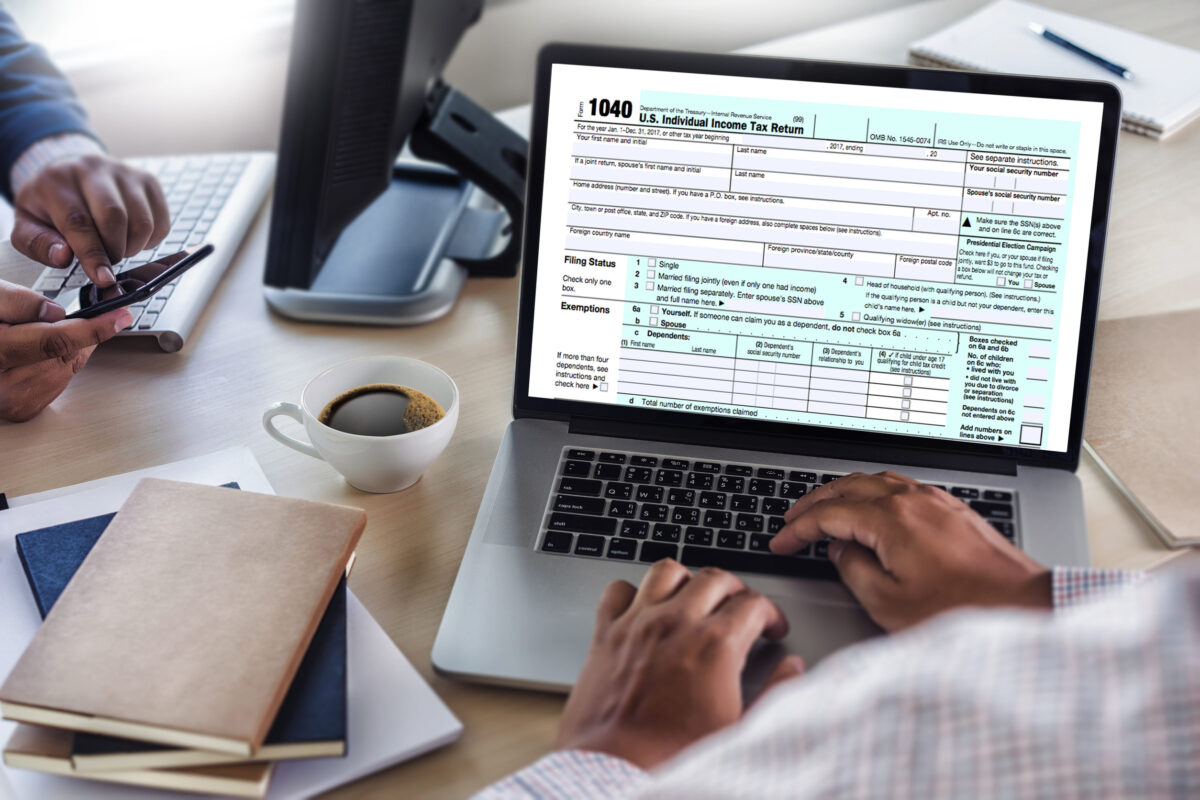
You may think it’s safe to file once you’ve received your W-2, but that’s a rookie mistake. If you’ve earned income from side gigs, freelancing, or investments, you’ll need to collect additional documents, such as 1099s or investment statements. If any income forms are missing, your return may be inaccurate, and the IRS could flag your return for discrepancies.
Many people rush to file when they think they’re done. But skipping the last few forms can lead to mistakes that cost time, money, and even delay a refund. Be sure to wait until you have all your income documents in hand.
Don’t Guess Deductions or Credits

It’s tempting to guess at deductions and credits that you’ve heard about, but that can lead to serious problems. Whether you’re trying to deduct medical expenses or claim a tax credit for education, always use accurate data and proper documentation. Misreporting or overstating deductions could not only reduce your refund but also result in penalties if you get caught.
Don’t Ignore Life Changes
Your tax situation changes when you do. Got married? Had a baby? Moved states? These life events can significantly impact your tax return. Changing your filing status, claiming dependents, or adjusting your deductions should all be updated on your return to reflect your current situation.
Filing as “single” when you’re actually married or leaving out a new dependent can cost you credits or deductions that you’re eligible for. Make sure your return accurately reflects any changes in your personal life to maximize your tax benefits.
Don’t Forget to Protect Your Identity
Tax identity theft is more common than ever, and it can ruin your tax filing experience. Failing to secure your personal information, especially when filing electronically, can expose you to fraud. If you’ve been a victim of identity theft in the past, or just want to add an extra layer of protection, consider applying for an Identity Protection PIN (IP PIN) from the IRS. If you don’t already have one, get an IP PIN. This simple step ensures that no one can file a tax return using your Social Security number without your permission.
Don’t Choose the Wrong Filing Status
Your filing status can affect how much you owe or how much you get back. Whether you’re single, married, or the head of your household, the IRS has specific guidelines on which status you should choose. Picking the wrong one can put you in a higher tax bracket or leave you missing out on deductions and credits. Review your options carefully. Filing as “head of household” may be beneficial if you support a dependent, while “married filing separately” could have drawbacks when it comes to credits.
Don’t Rush the Process
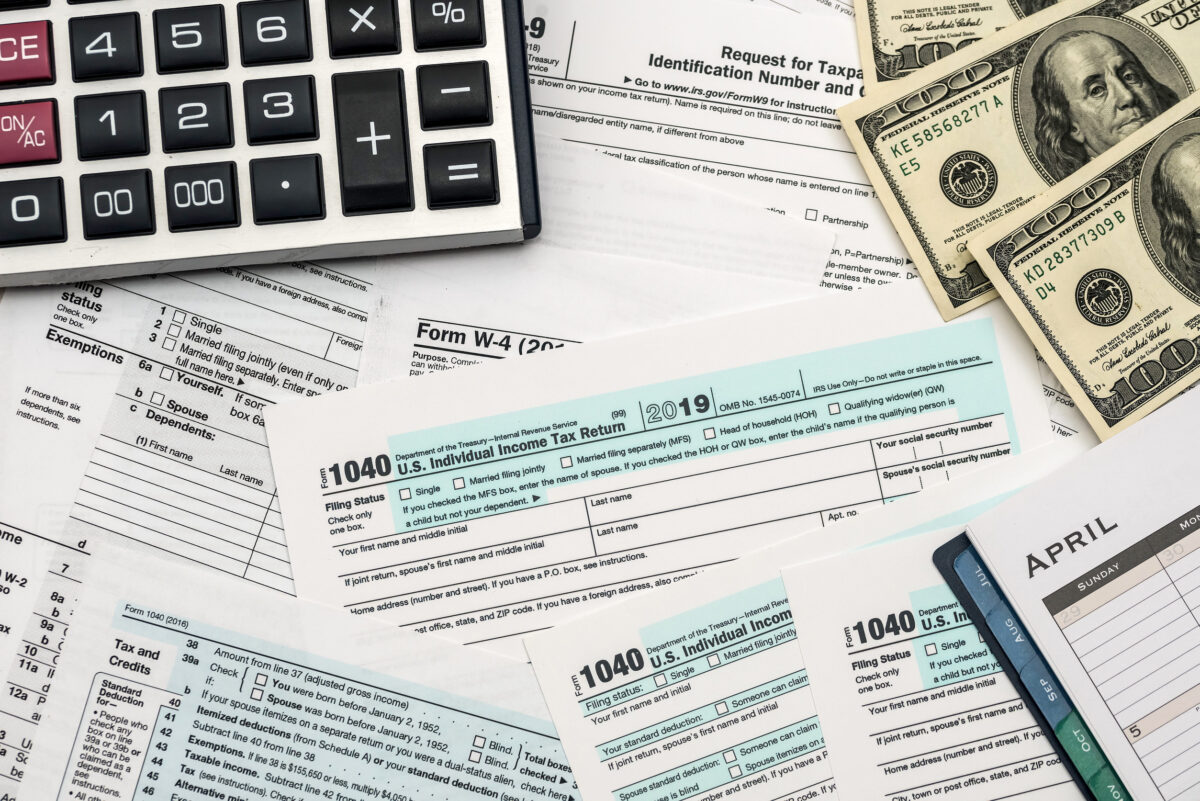
We’ve all been there, anxious to file our tax returns so we can receive our refunds. But rushing through the process is one of the worst mistakes you can make. You’ll miss critical details, make errors in your tax calculation, and possibly have to deal with an IRS audit later on. It’s better to take your time and double-check everything before you submit. After you complete your return, take a break and come back to it with fresh eyes. Review your information thoroughly, and if you can, have someone else look it over too.
Don’t Assume Extensions Mean More Time to Pay
It’s a common misconception: filing an extension gives you more time to pay your taxes. The truth is that an extension only gives you more time to file, not more time to pay. If you owe taxes, you still need to make a payment by the filing deadline to avoid penalties and interest. If you’re unable to pay the full amount, consider setting up a payment plan with the IRS. Don’t delay filing your return; penalties for late filing can be steep.
Conclusion
Filing taxes doesn’t have to be stressful. By avoiding these seven costly mistakes, you can save yourself time, money, and the hassle of dealing with the IRS down the line. Take your time, gather your documents, and ensure every detail is correct. Remember, patience and preparation are your best tools for a smooth filing experience.