12 Crazy Workouts to Try This Summer That Actually Make Fitness Fun
Summer has a sneaky way of exposing every dull fitness routine we have been pretending to enjoy. That is where crazy workouts to try this summer come in.
We are talking about unusual, high-energy, mood-lifting workouts that make movement feel less like a chore and more like an experience worth repeating.
Hula Hooping
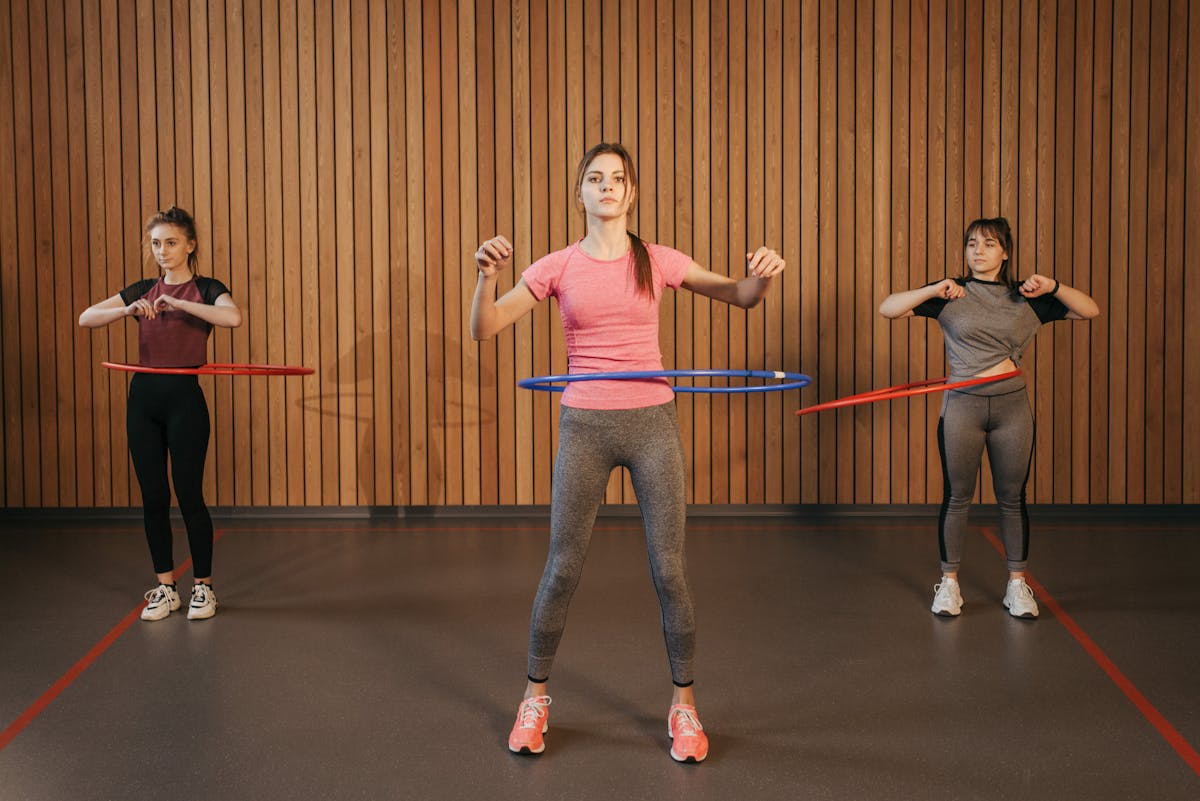
Hula hooping has grown far beyond childhood playground nostalgia. A fitness hoop workout can train the waist, hips, glutes, legs, and deep core muscles through constant motion. The body has to keep the hoop moving by coordinating small, repeated shifts through the trunk and lower body.
That makes it a sneaky workout. We may feel like we are playing around, then realize the midsection has been working the entire time. Weighted hoops can help some adults maintain rhythm more easily, though beginners should avoid going too heavy too soon. A lighter fitness hoop is often better for learning control, direction changes, and longer sessions.
Goat Yoga
Goat yoga sounds like a joke until we remember that many people quit exercise because it feels too serious, too repetitive, or too lonely. This workout softens the whole atmosphere. We move through basic yoga poses while goats wander around the mat, climb near us, nudge our hands, or interrupt a pose at the exact moment we thought we had finally found inner peace.
It is not the most meditative yoga class in the world, but it may be one of the most memorable. The real value is emotional. Goat yoga lowers the pressure that often comes with fitness spaces. Nobody looks perfect when a goat steps beside their mat during child’s pose, and that is the charm. It works best for beginners, animal lovers, stressed-out professionals, and anyone who wants a gentle summer workout with more laughter than competition.
Trampoline Fitness
Trampoline workouts bring back the feeling of being a kid, but the adult version can be surprisingly intense. Most studio classes use mini trampolines, also called rebounders, and mix jogging, jumping jacks, squats, knee lifts, arm movements, and core drills. The surface absorbs some impact, which may make the workout feel friendlier than pounding away on concrete.
That does not mean it is easy. Within minutes, the legs, glutes, calves, and core start working hard to control every bounce. The beauty of trampoline fitness lies in its rhythm. We are not just jumping randomly. We are reacting to music, timing our landings, stabilizing through the core, and keeping posture tall. It is a strong choice for people who hate traditional cardio but still want a sweaty, fast-paced class.
Pole Fitness
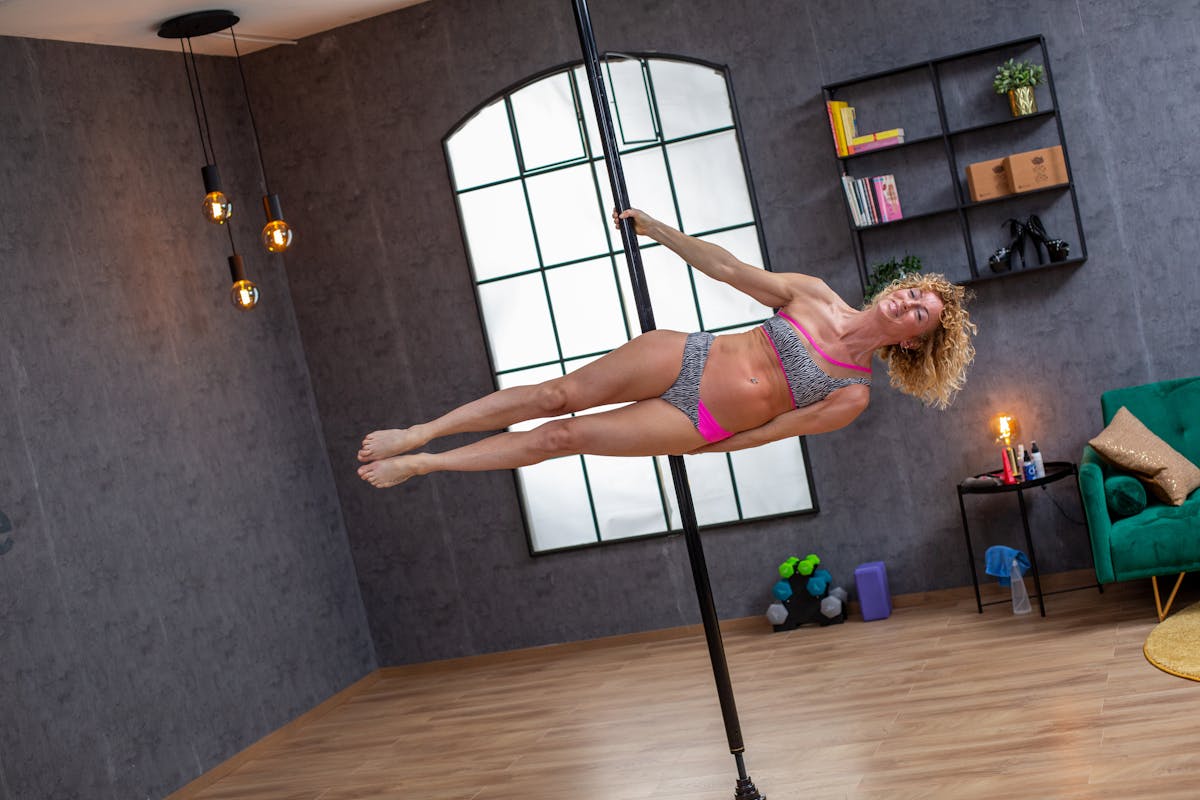
Pole fitness is often misunderstood by people who have never tried it. A beginner class quickly clears that up. Climbing, spinning, holding poses, and transitioning around the pole require grip strength, shoulder stability, core control, coordination, and lower-body engagement.
It is not just a performance art. It is bodyweight training with rhythm, grace, and a steep respect curve. The confidence piece matters too. Pole fitness encourages adults to move with more body awareness and less self-consciousness. Many classes are supportive, beginner-friendly, and focused on strength rather than performance.
Indoor Climbing
Indoor climbing is one of the best examples of exercise that does not feel like exercise. We focus on the next hold, the next foothold, the next route, and the next decision. Meanwhile, the body is working hard. The forearms grip, the back pulls, the legs push, the core stabilizes, and the mind solves each movement like a puzzle.
Bouldering and rope climbing can both build strength, balance, and endurance. A climbing gym is also less intimidating than it may look. Beginners can start on easy routes and learn how to fall safely, use their legs, and avoid over-gripping.
Belly Dancing
Belly dancing brings a different kind of strength into fitness. It focuses on controlled movement through the hips, ribs, torso, arms, and shoulders. The workout is low-impact, but it can be demanding because the movements require isolation, posture, coordination, and rhythm.
Instead of forcing the body through harsh repetitions, belly dancing teaches us how to move with precision. It is also a confidence-building class for people who feel stiff, shy, or disconnected from their bodies. Beginners learn basic hip circles, shimmies, figure eights, arm patterns, and posture cues.
Crazy Races
Traditional 5K races are great, but crazy races add a story. We are talking about color runs, bubble runs, inflatable obstacle races, mud runs, glow runs, foam races, and themed charity events. These races work because they reduce the intimidation factor.
People show up in costumes, families participate together, music plays, photos happen, and the finish line feels more like a celebration than a test. The training benefit depends on the race, but the motivation benefit is clear. Signing up for a fun event gives us a date on the calendar and a reason to move.
Sand Workouts
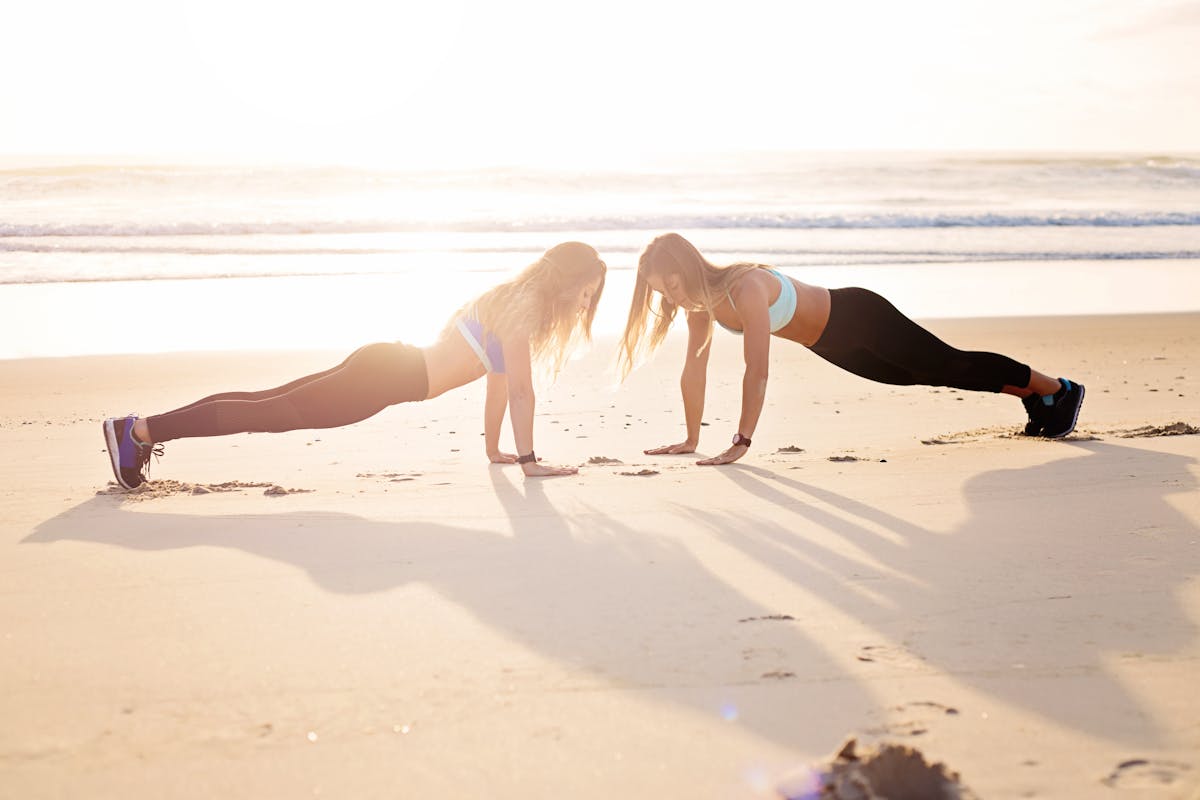
The beach is already a summer magnet, so we might as well use it. Sand workouts make familiar exercises harder because the ground shifts under the feet. Walking lunges, bear crawls, shuttle runs, squats, planks, lateral steps, and short sprints all require more stabilization on sand than on solid pavement.
The calves, ankles, hips, and core have to work overtime. Soft sand can be intense, so beginners should start slowly. A simple routine might include a brisk beach walk, bodyweight squats, standing knee lifts, side steps, and a few short intervals.
Aerial Yoga
Aerial yoga uses fabric hammocks suspended from the ceiling to support stretches, poses, inversions, and flowing movements. It looks elegant, but it is also a serious body-awareness workout. The hammock helps us explore the range of motion, unload certain joints, and practice supported strength work.
At the same time, it challenges grip, core stability, balance, and trust. This class is perfect for people who want something calmer than bungee fitness but more unusual than mat yoga. Beginners should choose an introductory class and avoid forcing deep stretches too soon.
Silent Disco
Silent disco cardio classes use wireless headphones so participants can hear the instructor and music directly. From the outside, everyone looks like they are dancing to silence. From the inside, the class feels immersive, focused, and surprisingly freeing.
It works for outdoor parks, rooftops, beaches, and event spaces because it avoids blasting music into the entire neighborhood. This is a great option for people who enjoy dance fitness but feel self-conscious in loud studios. The headphones create a private bubble, even in a crowd.
Roller Skating
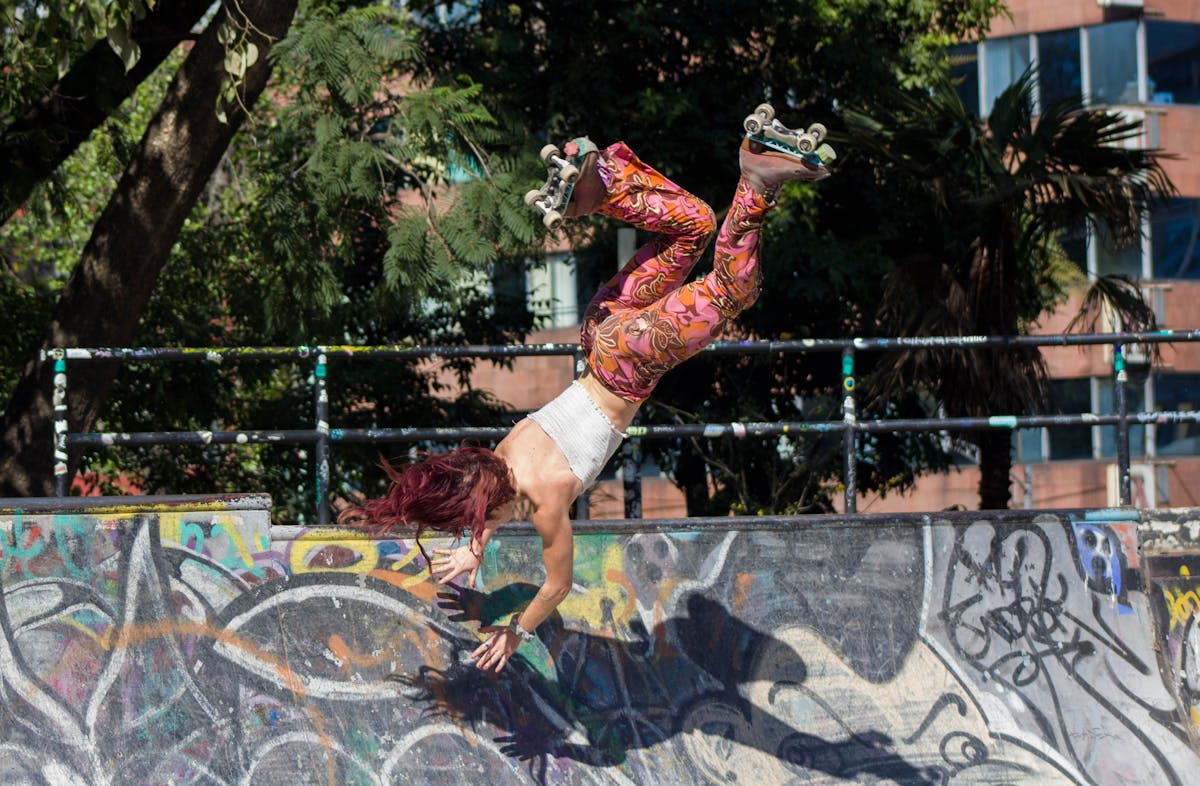
Roller skating has made a strong comeback because it blends nostalgia, skill, music, and exercise. It trains balance, lower-body endurance, coordination, and core control. Even casual skating can raise the heart rate, especially when we add turns, backward practice, rhythm skating, or longer outdoor routes.
The body has to stay low, stable, and alert. Safety matters here. Wrist guards, knee pads, elbow pads, and a helmet are smart, especially for beginners. Smooth surfaces are also important. A roller rink is the safest place to start because the floor is predictable and the environment is controlled.
Underwater Running
Underwater running, often done in deep water with a flotation belt, lets us mimic running mechanics without the pounding of land running. It is popular for injury recovery, conditioning, and low-impact cardio. The water creates resistance from every direction, so the legs and arms must work through each stride.
The heart rate rises, but the joints get a break from impact. This workout is not only for athletes. Anyone with access to a pool can try a beginner version by jogging in chest-deep water or joining an aqua fitness class.
Conclusion
Crazy workouts work because they break the stale story many people carry about fitness. Exercise does not have to mean punishment, perfection, or another lonely session counting minutes on a machine. It can mean drumming on the floor, balancing on a paddleboard, laughing through goat yoga, climbing a wall, skating under lights, jogging with a trash bag, or pedaling a bike in a pool.
The smartest approach is simple. We choose the workout that makes us curious, start at the beginner level, respect the heat, and give the body time to adapt.