10 Wild Things That Happened in 2010 That Still Feel Unreal Today
2010 was the year we stepped into a new decade with smartphones in our pockets, reality TV in our living rooms, viral videos in our browsers, and social media slowly becoming the loudest room in public life.
It was strange, funny, over-the-top, dramatic, and oddly futuristic. We were still getting used to apps, YouTube fame, Facebook events, iPad screens, and the idea that one commercial, one outfit, one dance, or one TV finale could take over every conversation by breakfast.
The iPad Made Tablets Feel Like the Future
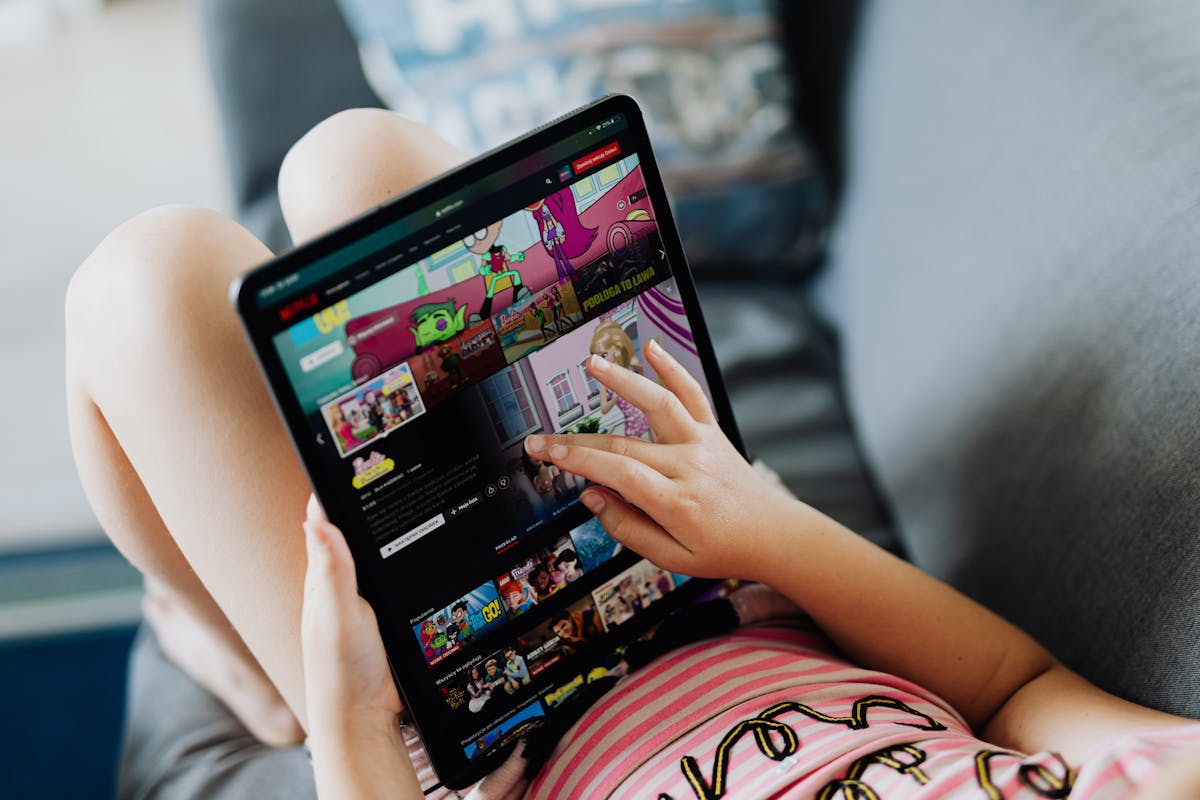
When Apple introduced the first iPad in 2010, we did not fully realize how much it would change the way people read, watch, work, and surf the internet. At first, many treated it like a giant iPhone without the phone part. That joke did not last long.
The device quickly became a symbol of the new decade, offering a larger touchscreen for apps, games, magazines, videos, email, and web browsing.
Angry Birds Turned Casual Gaming Into a Daily Habit
Before mobile games became a billion-dollar business, Angry Birds helped show that a simple app could grab worldwide attention. The game had a simple idea, colorful characters, short rounds, and just enough challenge to keep players trying again. It did not need a console, a controller, or a serious gaming experience. Anyone with a phone or tablet could fling birds at green pigs and get hooked right away.
Glee Made Musical TV Feel Cool Again

Glee arrived with bright colors, sharp jokes, school drama, and pop songs that turned ordinary teenage problems into full musical numbers. By 2010, it had become more than a TV show.
It was a weekly event for viewers who wanted emotion, humor, rivalry, romance, and familiar songs performed with Broadway-level enthusiasm. Glee helped prepare audiences for a decade where streaming, clips, and musical moments would travel far beyond the episode itself.
Jeggings Took Over Closets and Refused to Leave
Jeggings sounded silly until people tried them on. They promised the look of skinny jeans with the comfort of leggings, and that was enough to make them very popular. Fake pockets, stretchy fabric, denim-like prints, and a tight fit made them both practical and controversial. Fashion critics made fun of them. Shoppers bought them anyway. Comfort won the argument.
The KFC Double Down Made Fast Food Feel Like a Dare
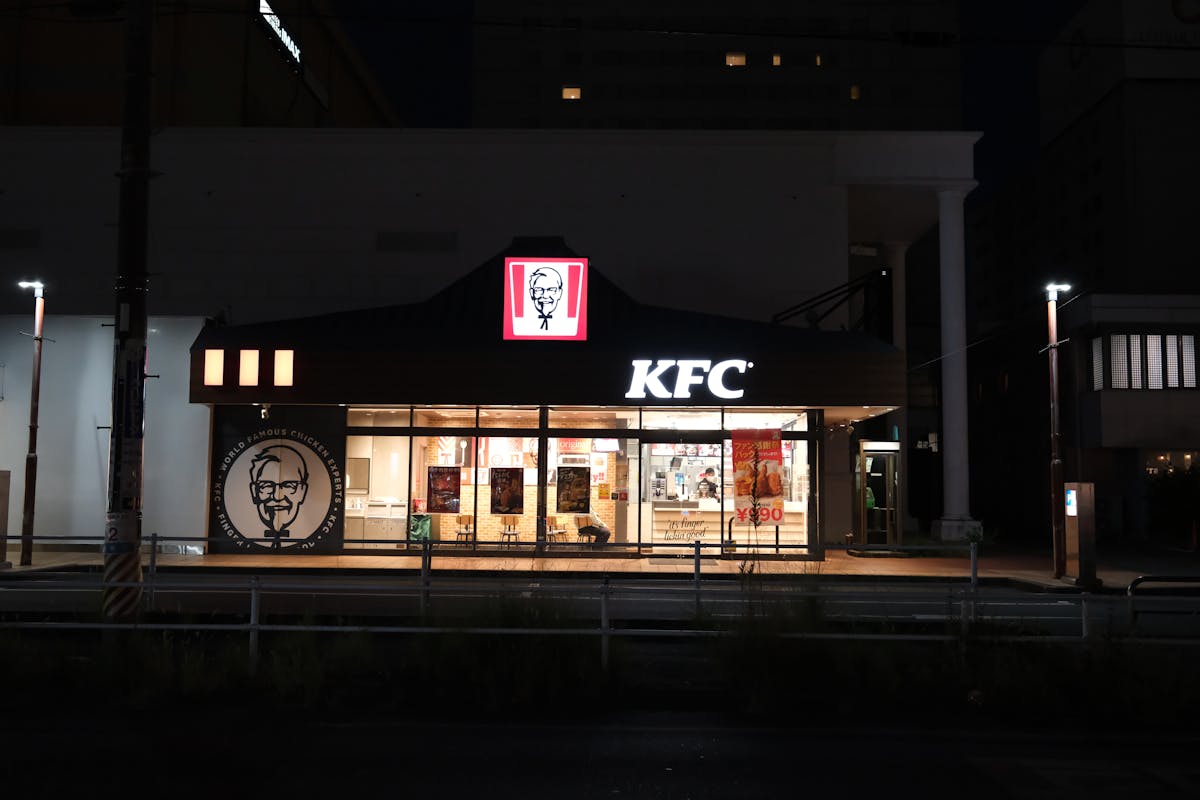
The KFC Double Down was not just a sandwich. It was a challenge wrapped in fried chicken. Instead of bread, it used two pieces of chicken to hold bacon, cheese, and sauce. The result looked like fast food had given up on moderation. People joked about it, criticized it, took pictures of it, reviewed it, and bought it because curiosity is a powerful flavor.
The Vuvuzela Became the Loudest Sound of the World Cup
The 2010 FIFA World Cup in South Africa gave the world unforgettable football moments, but the vuvuzela may have been its most inescapable symbol. The long plastic horn created a buzzing roar that filled stadiums and television broadcasts.
For weeks, the sound became part of daily life for football fans around the world. We may debate whether it was joyful or irritating, but nobody can deny that it made the 2010 World Cup instantly recognizable.
Toy Story 3 Made Adults Cry Over Toys
Toy Story 3 came out as a family film, but it affected adults with surprising emotional power. The story followed Andy as he prepared for college while his toys faced uncertainty, separation, and the fear of being forgotten. For children, it was an adventure. For older viewers who had grown up with Woody, Buzz, and the rest of the gang, it felt like saying goodbye to childhood.
The Walking Dead Turned Zombies Into Prime-Time Drama
When The Walking Dead premiered on Halloween night in 2010, it brought zombies to serious television in a way that felt fresh and cinematic. It was violent, tense, emotional, and grim.
Yet the real story was never only about the undead. It was about survival, leadership, grief, fear, trust, and what people become when society collapses. In 2010, it proved that apocalypse stories could carry serious character drama.
Flash Mobs Made Social Media Feel Physical
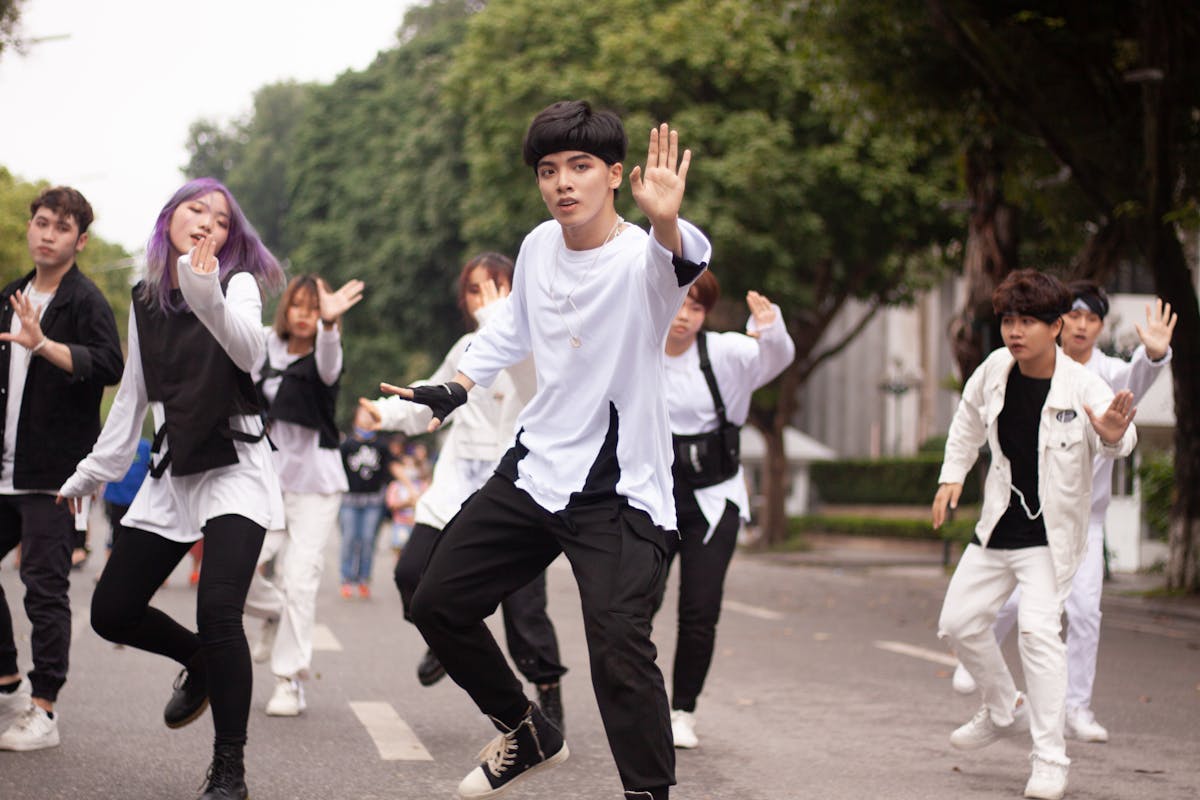
Flash mobs were one of those 2010 trends that made the internet spill into real life. Their popularity reflected a specific moment in digital culture. Social media still felt exciting, surprising, and communal. People were discovering that online coordination could create an offline spectacle.
Before every public stunt felt like content strategy, flash mobs carried a playful unpredictability. They were cheesy, yes, but they also showed the early power of viral participation.
Bed Bugs Turned Hotels Into Horror Stories
Not everything from 2010 was funny or glamorous. Bed bug anxiety became a major concern as reports of infestations rose in cities, hotels, apartments, and travel spaces.
These pests were hard to spot, hard to remove, and easy to transport in luggage, clothing, and furniture. The idea that a nice hotel room could hide tiny biting insects made travelers uneasy.
Conclusion
2010 was messy, loud, funny, emotional, and full of moments that seemed temporary but left a lasting mark. We watched technology become more personal, entertainment become more interactive, fashion become more theatrical, and online culture become impossible to ignore.
The year gave us tablet obsession, zombie drama, musical TV, viral commercials, dance crazes, reality-TV chaos, and one of the strangest red-carpet outfits ever made.