8 Common Mistakes You’re Making by Skipping the Resting Step After Cooking Meat
When it comes to preparing the perfect steak, roast, or chicken, there’s one step many home cooks and chefs alike often overlook: letting the meat rest.
While it may seem trivial, this step is essential for ensuring that your meat is not only tender but also juicy and full of flavor. It might surprise you to learn that the science behind resting meat goes beyond simply “letting it sit.” It’s a process rooted in biology, temperature regulation, and moisture retention. Let’s dive into the fascinating science behind resting meat and why it should never be skipped.
The Role of Temperature in Resting Meat
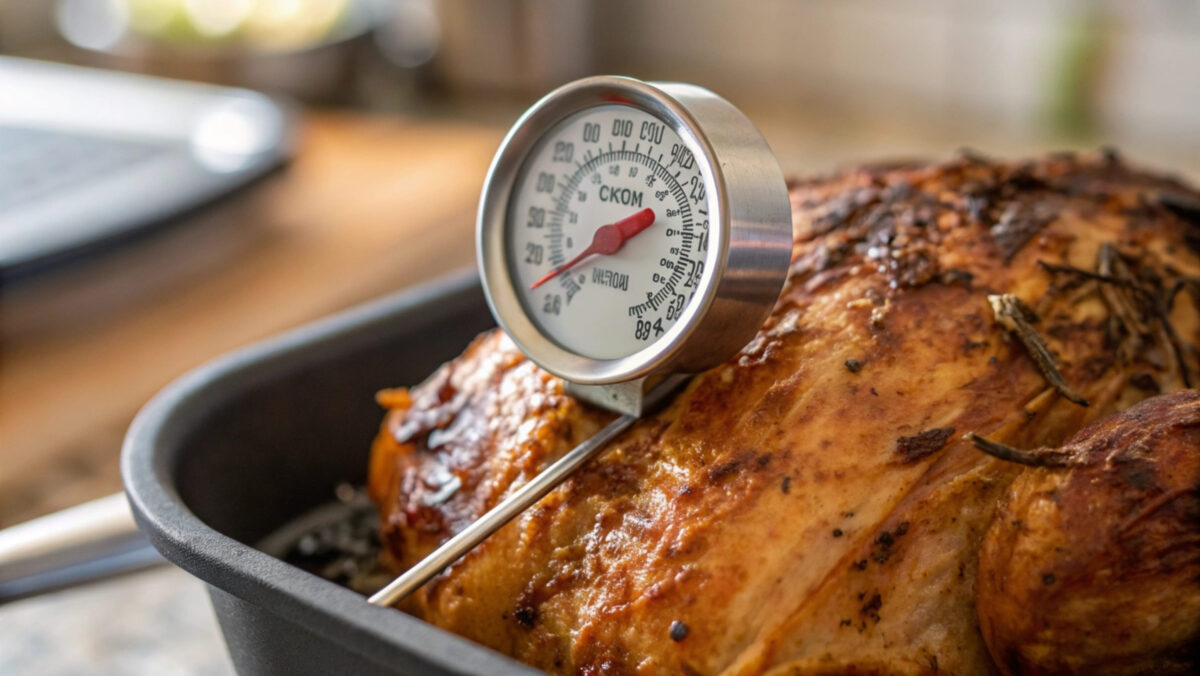
When you cook meat, heat causes its fibers and proteins to contract. The more heat applied, the more the muscle fibers shrink, and the moisture inside the meat is forced out. This is particularly true for tougher cuts of meat that require longer cooking times. But here’s where the magic happens: when you allow meat to rest after cooking, the temperature inside the meat starts to even out. The exterior cools down slightly, while the interior continues to retain heat for a while. This redistribution of heat helps prevent the meat from continuing to contract and squeeze out moisture.
If you cut into the meat immediately after it’s been cooked, you’ll notice a significant loss of juice. Resting allows the juices that have been pushed to the center of the meat during cooking to redistribute throughout the meat, making it moist and flavorful. Cutting the meat too soon results in a dry, flavorless experience, as the flavorful juices run out onto the cutting board rather than staying within the meat.
How Long Should Meat Rest?
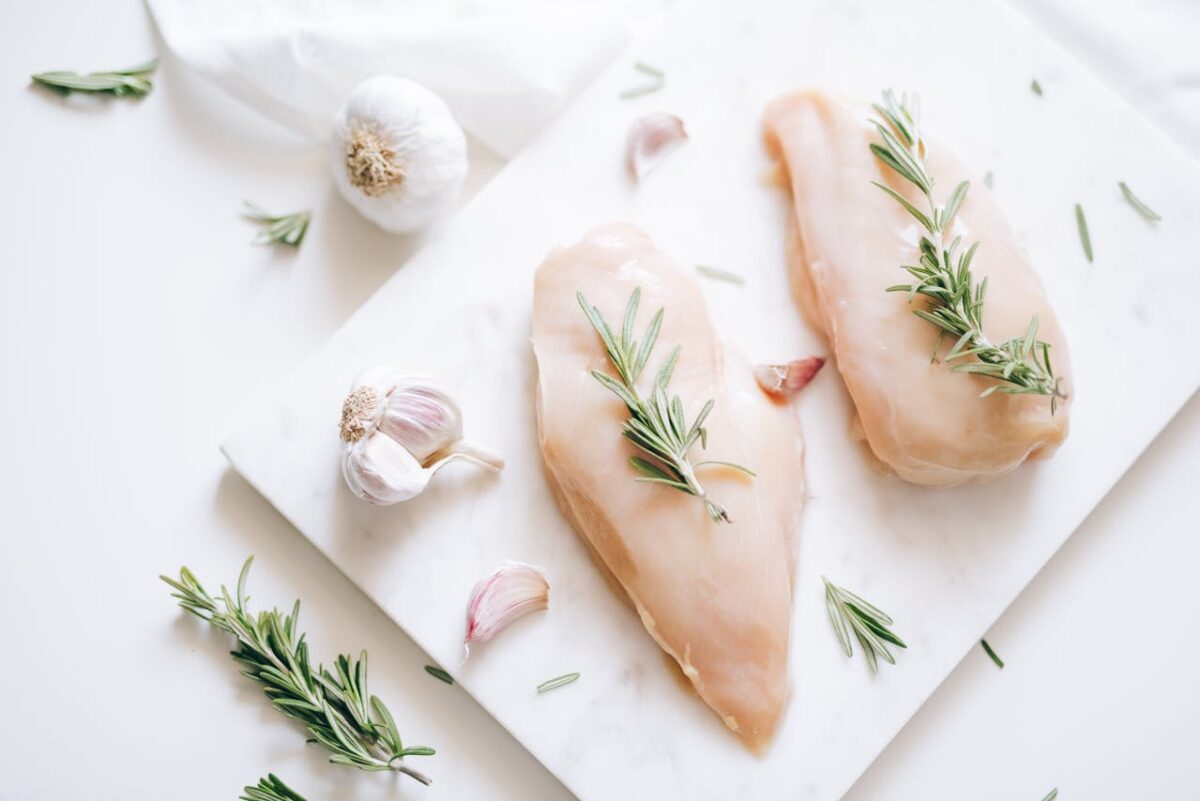
The length of time meat should rest largely depends on its size and type. For smaller cuts like steaks or chicken breasts, five to ten minutes of resting is generally sufficient. On the other hand, larger roasts or whole birds may need 15 to 20 minutes of rest time to allow the juices to redistribute properly.
It’s crucial to note that while the meat rests, it continues to cook for a short period due to residual heat. This is called carryover cooking, and it can increase the internal temperature by 5-10°F, which is why it’s important to remove the meat from the heat when it’s just shy of your desired doneness.
Resting Meat
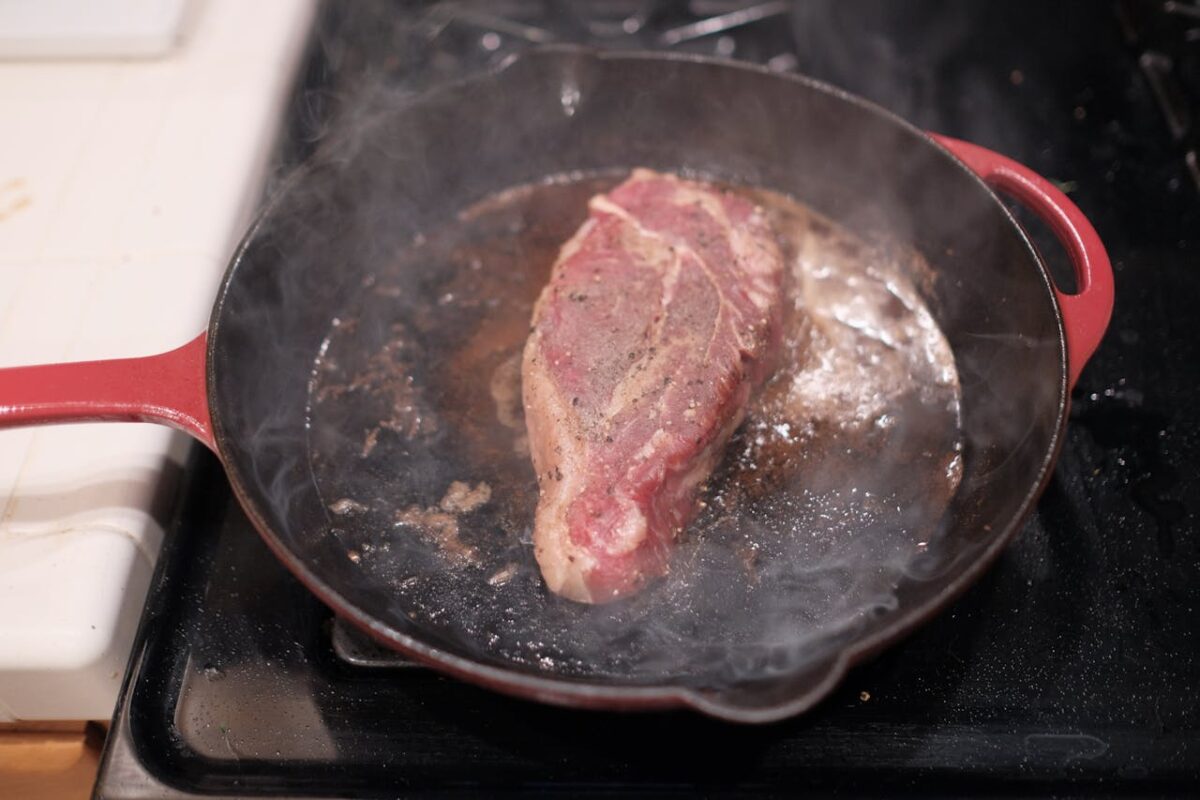
The main reason why meat should rest is to allow the juices to redistribute. During cooking, muscle fibers contract and expel liquid, especially as the meat is heated to higher temperatures. As the meat rests, these fibers relax and reabsorb some of the moisture they’ve lost. This results in a more tender and juicy piece of meat.
Without allowing meat to rest, you risk the juices running out immediately upon cutting, resulting in dry, tough meat that doesn’t live up to its potential. Imagine pulling a roast chicken from the oven, carving it too soon, and watching all the flavorful juices spill out. The result? A sad, dry piece of poultry instead of a succulent, juicy delight. Letting the meat rest ensures that these juices stay within the fibers, enhancing the texture and flavor of each bite.
The Science of Muscle Fiber Contraction
To understand why resting meat is so important, it helps to understand what happens to the muscle fibers during cooking. Muscles are made up of fibers, and these fibers contract when they’re exposed to heat. This contraction forces out the water and fat that’s contained within them. For smaller cuts of meat, this process happens very quickly, but for larger cuts, like roasts or steaks, the process is more gradual.
When the heat is removed, the muscle fibers start to relax and reabsorb the moisture that’s been pushed out. This is the critical phase where the meat retains its moisture, making it juicier. The resting phase allows the muscle fibers to return to their relaxed state, making the meat tender and flavorful. If you slice the meat too soon, these fibers haven’t had a chance to relax, and all the precious moisture escapes, resulting in a dry, tough texture.
Meat Resting
One of the key benefits of resting meat is the enhancement of tenderness. As the fibers contract during cooking, the meat becomes firmer and more compact. But when the meat rests, the relaxation of these fibers makes the meat more tender. For tougher cuts, such as roasts or briskets, this tenderness is critical. A lengthy resting period allows the meat to slowly tenderize after the stress of cooking, providing a better eating experience.
The science behind this process stems from the fact that heat alters the structure of proteins in meat. During cooking, these proteins coagulate and contract, which makes the meat firm. Resting gives these proteins time to reabsorb some of the moisture, making them less tough. The result is a more pleasant texture and a piece of meat that’s easier to chew.
The Impact of Meat Type on Resting
While all meat benefits from resting, different types respond to it in slightly different ways. For example, steaks or chops cooked to medium or medium-rare benefit greatly from resting, as they allow the juices to redistribute and cool slightly. These cuts are typically more tender, so the resting period doesn’t need to be as long.
In contrast, tougher cuts of meat, such as pork shoulder, brisket, or whole chickens, require longer resting periods. These cuts contain more collagen, which takes longer to break down and tenderize. Resting them for a longer period allows the collagen to break down, making the meat more tender and flavorful.
Temperature Considerations for Resting Meat
The temperature at which you cook your meat also influences how well it rests. The higher the temperature, the more the muscle fibers will contract. For this reason, meat that’s cooked at a lower temperature, such as slow-roasted meats, will have more time to relax during the resting phase. On the other hand, high-temperature cooking methods, like grilling or searing, will require a longer resting period to allow the meat to reabsorb moisture.
It’s also important to factor in carryover cooking when determining the meat’s resting time. As mentioned, the meat’s temperature can continue to rise by several degrees while it rests. This is why removing the meat from the heat when it’s just below your target temperature is so important. Allowing it to rest gives you a perfectly cooked piece of meat without overcooking.
What Happens If You Skip Resting Meat?
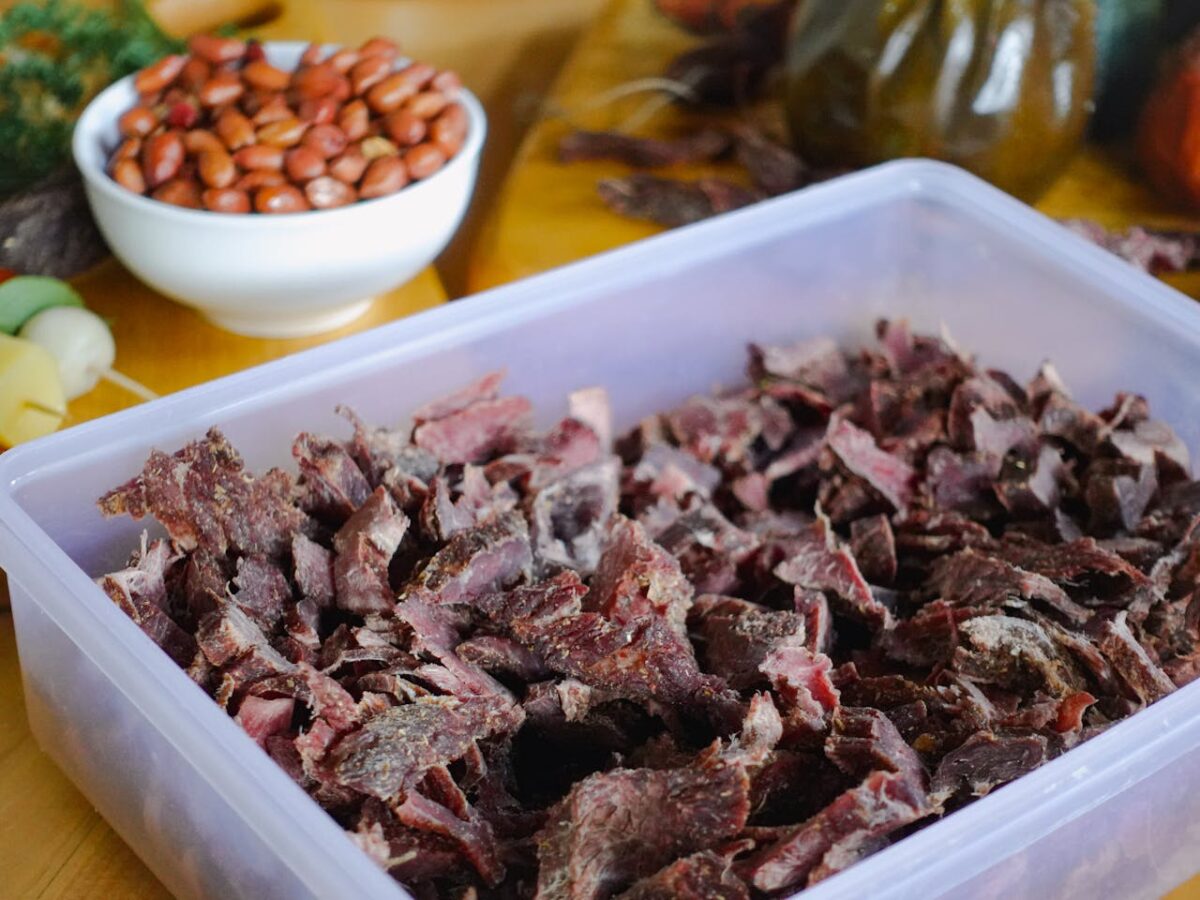
Skipping the resting period can lead to disappointing results, no matter how well you’ve cooked your meat. When you cut into meat that hasn’t rested, you’re likely to see a significant loss of juice. This can make the meat dry, bland, and unappetizing.
The flavor that would have been retained inside the meat is instead left on the cutting board, leaving you with a lackluster meal. Furthermore, the meat’s texture can suffer. Without the relaxation of the muscle fibers, the meat can feel tough and chewy, which is far from ideal.
Conclusion
The science of resting meat is simple but powerful. Allowing your meat to rest after cooking helps it retain moisture, become tender, and improve flavor.
While it might seem like a small step in the cooking process, it’s one that can make all the difference in the quality of your meal. So, next time you’re grilling a steak, roasting a chicken, or preparing a brisket, don’t skip the resting phase. It’s not just a suggestion , it’s a necessary step for perfect results. Trust the science, and let your meat rest!