7 Foods You Should Never Eat After 50 Because They’re Secretly Speeding Up the Aging Process
Turning 50 does not mean your best years are behind you. It means your food choices start carrying more weight than they did in your twenties and thirties. As the body ages, it becomes more likely to experience multiple health issues at once, and healthy eating is one of the most important ways to support energy, mobility, heart health, and brain function. The National Institute on Aging calls healthy eating a cornerstone of healthy aging, and recent heart health guidance keeps pointing in the same direction by urging people to cut back on added sugars, sodium, alcohol, and highly processed foods.
That is why the phrase “aging gracefully” is not just about skincare and exercise. It is also about avoiding the foods that quietly raise inflammation, strain the heart, worsen blood sugar, and chip away at strength over time. No single meal will suddenly make you old, of course, but a steady diet of the wrong foods can make the body feel older than it is. Here are seven foods that deserve a hard look after 50.
Processed meats
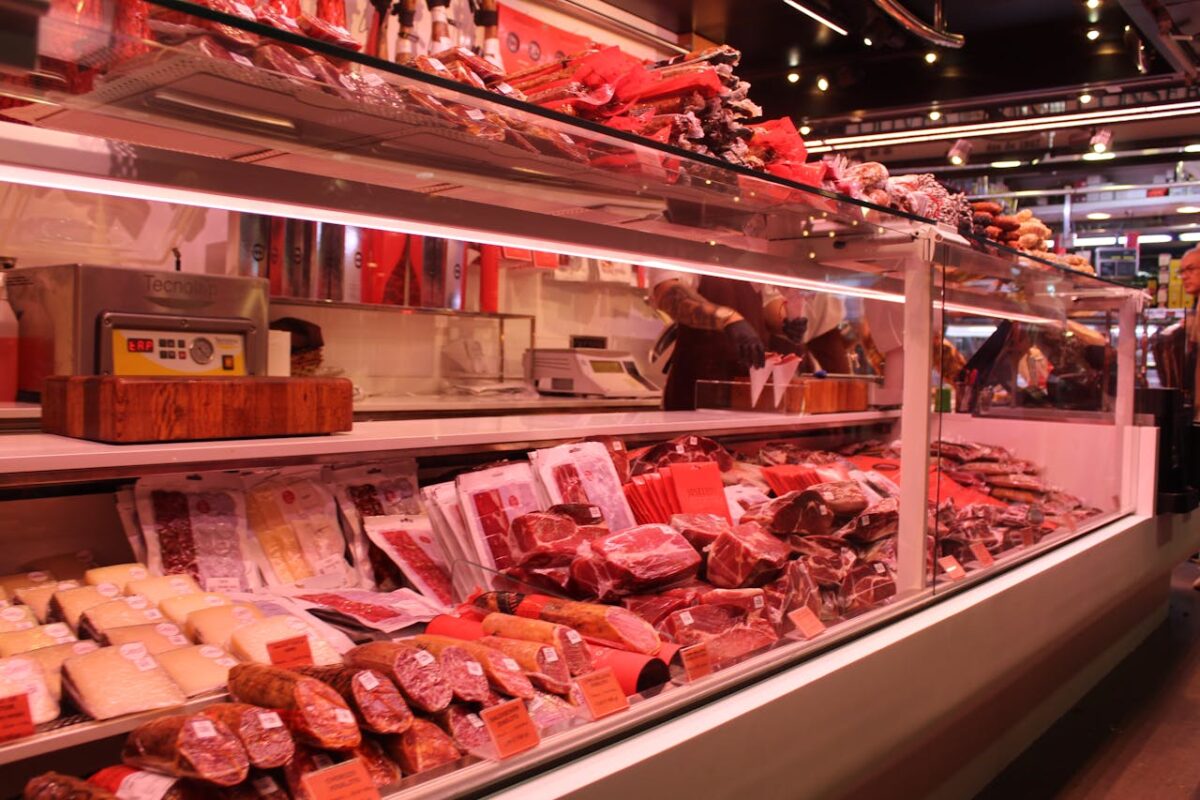
Bacon, sausage, hot dogs, salami, and deli meats may be convenient, but they are some of the worst regular picks for long-term health after 50.
The World Health Organization has said processed meat is carcinogenic to humans, and one analysis found that eating 50 grams a day was associated with about an 18% higher risk of colorectal cancer. The World Cancer Research Fund also advises people to eat little or no processed meat. After 50, that warning matters even more, because this is the stage of life when protecting the colon, heart, and blood vessels should become a serious priority.
Sugary drinks
Soft drinks, sweet tea, energy drinks, and many bottled juices are among the fastest ways to overload the body with sugar, without getting anything useful in return.
The American Heart Association recommends limiting added sugars to no more than 6% of daily calories, and current dietary guidance continues to stress reducing them because diets high in them are consistently linked to poorer cardiovascular health. After 50, sugary drinks become even more dangerous because they can worsen weight gain, blood sugar swings, and triglyceride levels at a time when the body is already less forgiving. If a drink tastes like dessert, it should be an occasional event, not part of your daily routine.
Ultra processed snacks
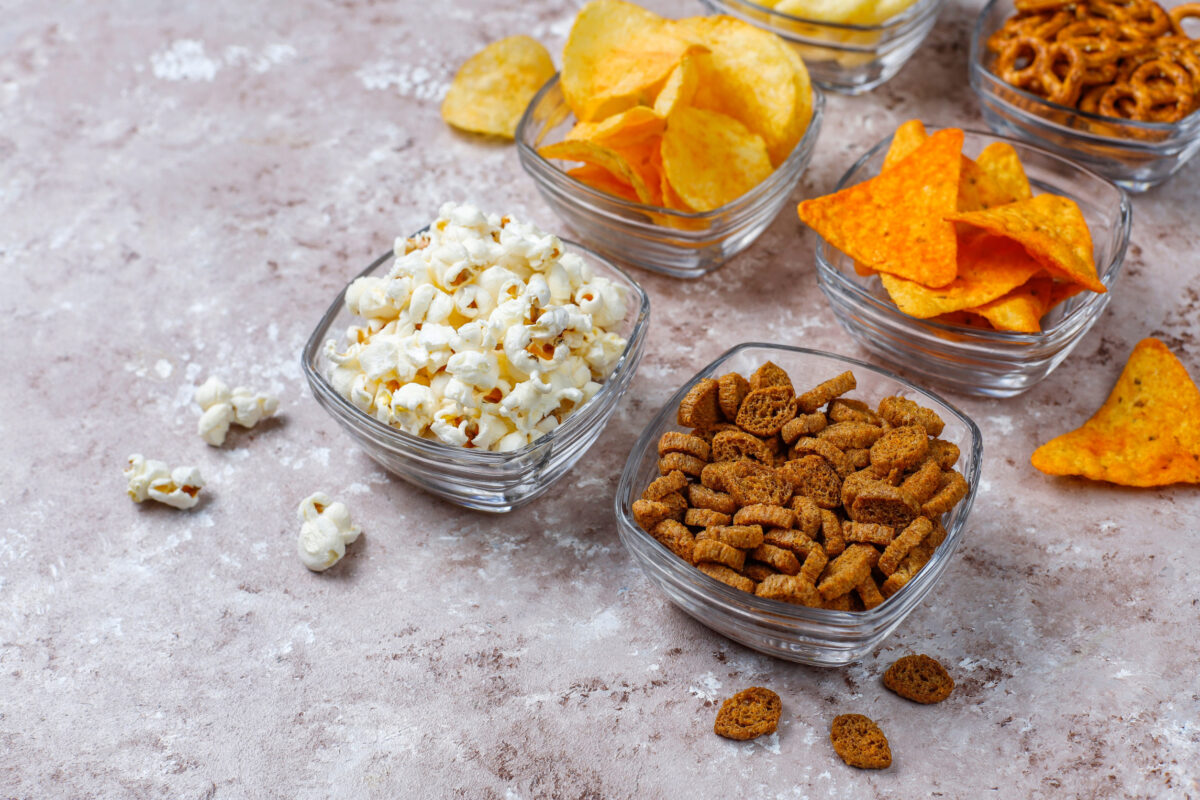
Chips, cheese puffs, packaged cookies, flavored crackers, and similar snack foods may seem harmless because they come in small portions, but they are often made with ingredients that age the body. A 2026 review in Frontiers in Nutrition describes growing evidence linking ultra-processed foods to accelerated aging, sarcopenia, reduced handgrip strength, and poor cardiometabolic health.
Research highlighted by the American Academy of Neurology has also found that people who eat more ultra-processed foods may have a higher risk of memory and thinking problems and stroke, though that study showed an association rather than proving cause and effect. In plain terms, these snacks do not just pad the waistline. They can chip away at strength and sharpness.
Deep-fried fast foods
French fries, fried chicken, onion rings, and other deep-fried favorites are hard on the body in more ways than one. Fried foods are often loaded with poor-quality fats, excess calories, and, in some cases, industrial trans fats, which the World Health Organization says clog arteries and increase the risk of heart attacks and deaths.
Recent research also suggests that high fried food intake contributes meaningfully to the burden of cardiovascular disease and stroke. After 50, when blood pressure, cholesterol, and circulation become more important than ever, making fried food a habit is one of the easiest ways to make aging feel heavier, slower, and more exhausting.
Packaged pastries and bakery treats
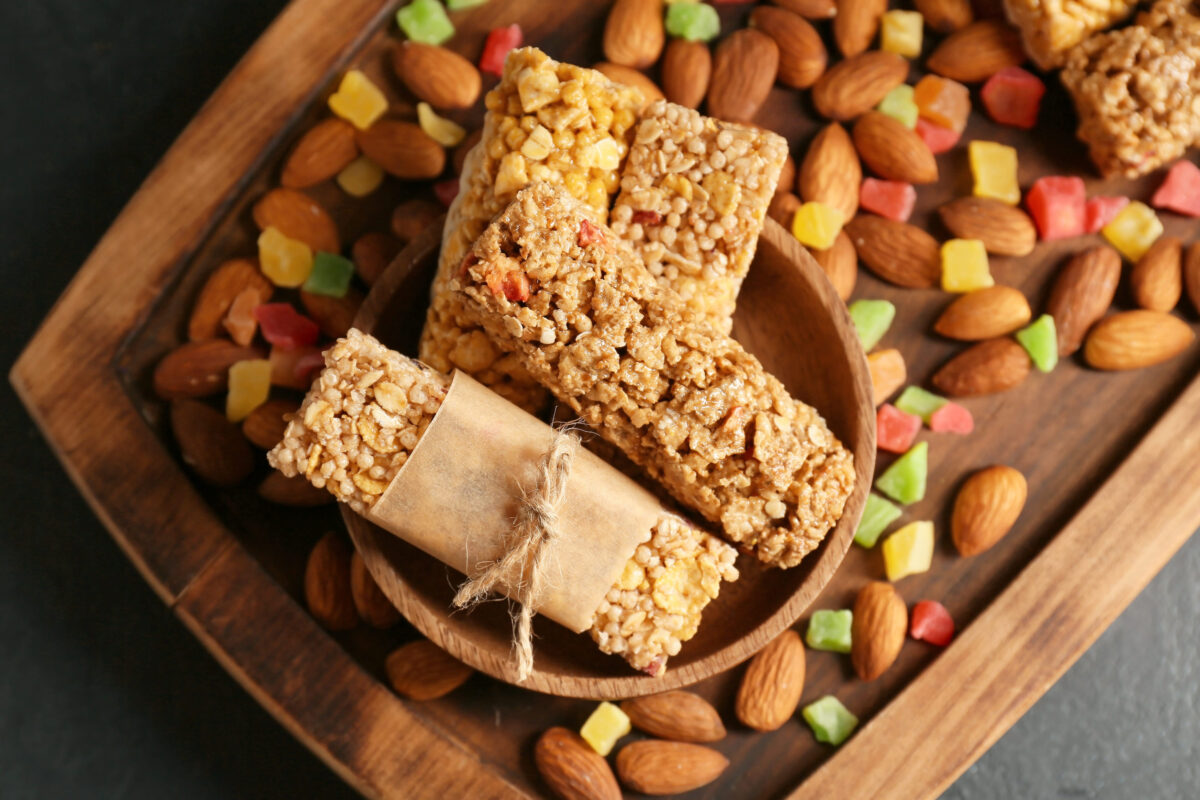
Muffins, doughnuts, frosted pastries, pies, and shelf-stable baked snacks often wear a friendly face, but nutritionally, they can be a mess.
These foods are usually packed with refined flour, added sugar, and unhealthy fats, and some baked goods and fried bakery items can still contain industrially produced trans fat. The World Health Organization says trans fat is found in baked goods such as biscuits and pies and is linked to more than 278,000 deaths each year globally, while Mayo Clinic notes that trans fat raises bad cholesterol and lowers good cholesterol. For people over 50, that is a terrible trade. These treats give quick pleasure, but they do very little for the heart, brain, or joints that need protection with age.
Salty frozen meals and instant foods
Frozen dinners, instant noodles, canned soups, and heavily salted ready meals are especially risky after 50 because they combine convenience with a sodium load the body often does not need.
The National Institute on Aging specifically advises older adults to eat fewer salty snacks and processed foods such as lunch meats, potato chips, and frozen dinners. The CDC notes that adults should keep their sodium intake below 2,300 milligrams a day, and reducing sodium intake helps prevent and manage hypertension. That matters because high blood pressure rarely announces itself loudly at first, yet it can quietly damage the heart, kidneys, and brain over time. Foods that make dinner easier should not make healthy aging harder.
Alcohol disguised as a nightly treat.

A nightly cocktail, extra glasses of wine, or sugary mixed drinks can feel harmless, especially when they become part of a relaxing routine. But alcohol hits older adults differently. The National Institute on Alcohol Abuse and Alcoholism says alcohol misuse in older adults is associated with faster cognitive decline, including problems with memory, thinking, and judgment. It also reports that millions of adults 65 and older still report binge drinking, and guidance for healthy older adults generally recommends no more than seven drinks a week and no more than three on any one day. After 50, alcohol is not just empty calories. It can worsen sleep, interfere with medications, and push the brain and body in the wrong direction.
Conclusion
Aging is unavoidable, but eating in a way that speeds it up is not. The foods that do the most damage after 50 tend to have the same pattern. They are highly processed, high in added sugar, heavy in sodium, loaded with unhealthy fats, or tied to worse heart, brain, and metabolic health over time. The good news is that healthy aging does not require perfection. It simply asks for better defaults.
That means choosing more meals built around real food and fewer built around wrappers, drive-through windows, and long ingredient lists. Save processed meats, fried foods, pastries, and sugary drinks for rare occasions rather than daily habits. After 50, the goal is no longer just eating to feel full. It is eating to stay strong, clear-minded, mobile, and fully alive for as long as possible.