10 Everyday Habits That Are Draining Your Wallet
Saving money is more than just about finding the best deals; it’s about recognizing the small habits that drain your finances without you even realizing it. Every day, you make decisions that either help you build wealth or deplete your savings. Sometimes, it’s the tiniest choices that make the biggest impact.
Let’s take a look at 10 common money-draining habits you need to stop today if you’re serious about keeping your wallet full.
Stop Buying Coffee Every Morning

It’s a ritual for many: stop at the coffee shop every morning for a $5 latte. While it might feel like a small indulgence, these daily purchases add up quickly. If you spent $5 on coffee every weekday, that’s $25 per week, $100 per month, and $1,200 per year,just on caffeine!
Switching to making coffee at home not only saves money, but it’s an easy way to start your day with more control over your spending habits. You’ll still get your caffeine fix without the hefty price tag.
Skip Ordering Takeout Too Often
While ordering food through delivery services like Uber Eats or Grubhub is incredibly convenient, the costs can be astronomical. Delivery fees, tips, and higher restaurant prices make this habit a drain on your budget. Instead, plan simple meals and prep ingredients at home.
Even ordering food once a week can significantly impact your monthly savings. Avoid the temptation and take control of your kitchen,plus, you’ll probably eat healthier, too!
Never Go Grocery Shopping Without a List

Grocery shopping without a list is a fast track to impulse buys and wasted food. Without a plan, it’s easy to throw extra items in your cart, and before you know it, you’re leaving with $50 more than you intended to spend.
Create a list based on your meal plan for the week and stick to it. By resisting impulse purchases, you’ll find that your grocery bills become much more manageable.
Cancel Unused Subscriptions Immediately
We’ve all fallen into the trap of forgetting to cancel subscriptions after a free trial ends. From streaming services like Netflix and HBO to fitness memberships, those recurring charges can quietly chip away at your savings.
If you’re not actively using a service, cut it out of your budget. With the abundance of free and affordable alternatives available, there’s no need to keep paying for something you’re not using.
Don’t Buy Name-Brand Everything
Name-brand products often carry a significant markup, but in many cases, generic or store-brand alternatives offer the same quality at a fraction of the price.
From cleaning products to canned goods, many generic brands use the same ingredients and offer the same performance as their more expensive counterparts. Start making the switch and watch how much you save,those extra dollars will add up over time.
Avoid Using ATMs That Charge Fees
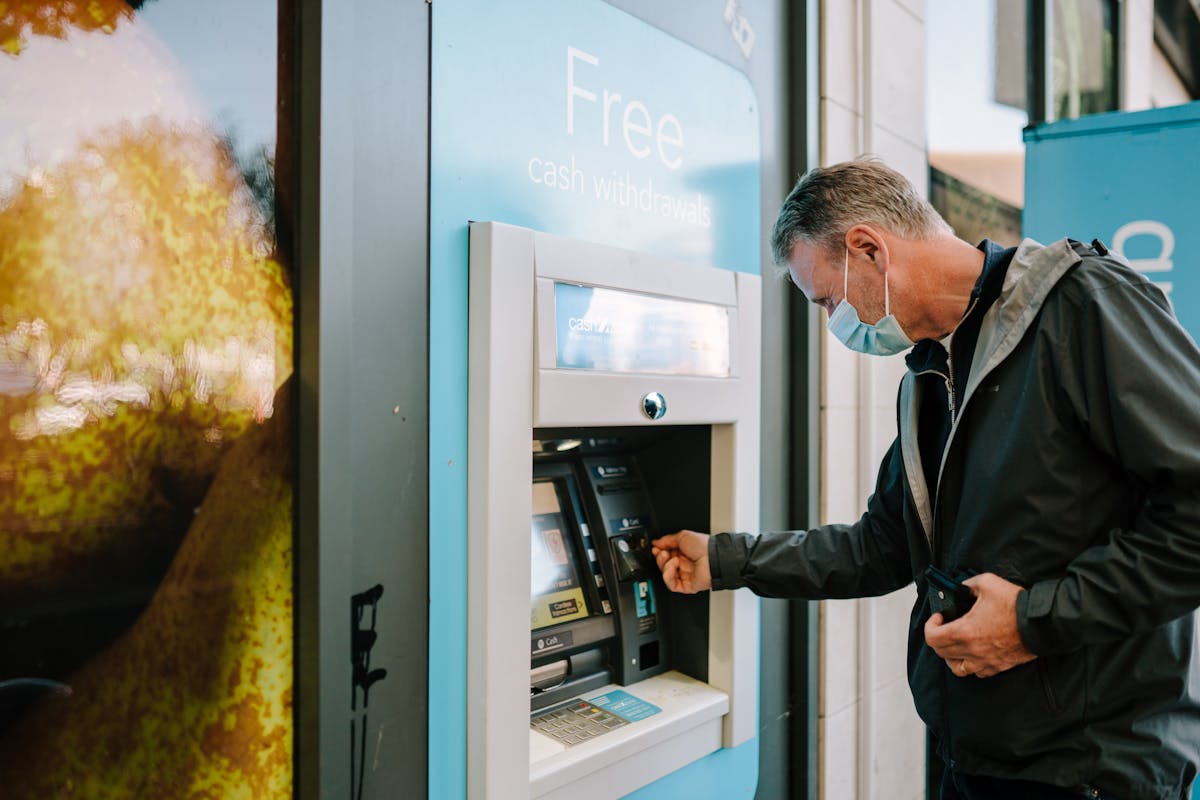
If you’ve ever been hit with an ATM fee, you know how quickly those charges can add up. Even a $3 fee seems small at the time, but withdrawing cash from an out-of-network ATM just once a week can cost you $156 annually.
Stick to ATMs at your bank, or take advantage of cashback offers at the store to avoid these unnecessary charges.
Move Your Money to a High-Interest Savings Account
Keeping your savings in a traditional low-interest savings account is essentially letting your money sit idle. The interest rates offered bymost banks are negligible, making it harder for your money to grow.
Instead, switch to a high-yield savings account or explore investment options that give you better returns. Even small changes in interest rates can make a huge difference in your financial future.
Turn Off Unused Lights and Electronics
Leaving lights and electronics on when not in use is a simple yet effective way to waste electricity. Those extra few dollars on your electric bill may seem insignificant each month, but they add up quickly.
Make it a habit to turn off lights when you leave a room and unplug devices when they’re not in use. Even the smallest changes in your daily routines can help you save hundreds of dollars annually.
Cancel Gym Memberships You Don’t Use

Gym memberships are a classic example of paying for something you don’t use. It’s easy to fall into the trap of signing up in January with big goals, but then never making it back after the initial few months. If you’re not committed to your fitness routine, consider canceling your membership.
You can do effective workouts at home using online resources or bodyweight exercises. Saving money and staying fit doesn’t require a pricey gym subscription.
Stop Shopping When You’re Bored
Retail therapy might feel like a quick fix, but it often leads to regret. Shopping when you’re bored can result in impulse buys that add unnecessary items to your home and a dent in your wallet. If you find yourself wandering online or strolling through stores, take a moment to ask yourself if you really need the item.
Find other activities to do when boredom strikes; reading a book or going for a walk can be a much more fulfilling and budget-friendly alternative.
Conclusion
Saving money doesn’t have to be about drastic changes; it’s about being mindful of everyday habits that gradually take a toll on your finances. By cutting back on unnecessary purchases and being intentional with your spending, you can watch your savings grow over time.
Start by implementing just a few of these tips, and you’ll be amazed at how much you can save without feeling deprived. Change your habits now, and see how much more money stays in your pocket by the end of the year.