Shanghai’s Robot-Run Ice Cream Shop Offers A Sweet Taste Of The Future
In a city already known for its futuristic skyline, advanced transportation systems, and rapid adoption of new technology, Shanghai has taken another step toward the future of dining. A new ice cream restaurant operated largely by robots is attracting attention, offering customers a glimpse of what automated food service could look like in the years ahead.
The robot-powered ice cream shop combines artificial intelligence, robotics, and digital ordering systems to create a unique experience where machines handle tasks traditionally performed by human employees. From taking orders to preparing and serving desserts, robots are becoming the face of the business.
The development reflects a broader trend in China, where companies are increasingly experimenting with automation to improve efficiency, reduce labor demands, and create new customer experiences.
A New Kind of Ice Cream Experience
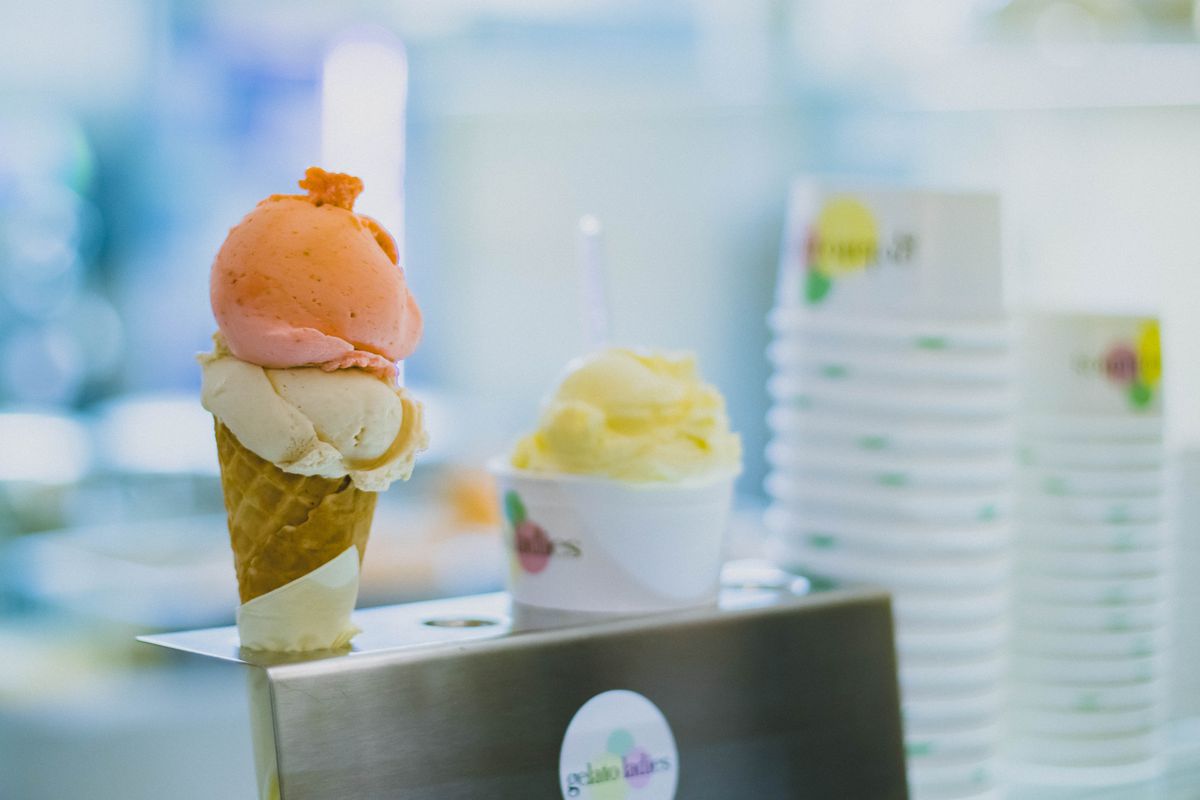
Visitors entering the Shanghai ice cream restaurant encounter a setting that feels more like a technology exhibition than a traditional dessert shop. Instead of approaching a cashier, customers interact with digital screens or automated systems to select their preferred flavors and toppings.
Once customers place an order, robotic equipment begins preparing the dessert. Machines carefully measure ingredients, assemble the ice cream, and deliver the finished product to customers.
The process is designed to be fast, consistent, and highly efficient. Unlike traditional restaurants where preparation depends on human workers, robotic systems can follow programmed instructions with precise measurements every time.
For many customers, the attraction is not only the ice cream itself but also the novelty of watching robots perform tasks normally handled by people.
“It feels like stepping into the future,” some visitors have said while observing the machines at work. The combination of food and technology has turned the restaurant into a popular destination for curious customers and technology enthusiasts.
Why Shanghai Is Becoming a Center for Restaurant Automation
Shanghai has long been one of China’s leading cities for technological innovation. The city has embraced smart infrastructure, cashless payments, artificial intelligence applications, and automated services across many industries.
Restaurants and food businesses have increasingly explored automation as they face rising labor costs, changing consumer expectations, and demand for faster service.
Robot restaurants are not entirely new in China. Over the past several years, automated systems have appeared in restaurants serving noodles, hot meals, coffee, and other products. However, dessert shops like the Shanghai ice cream restaurant show how robotics can expand into smaller and more specialized food businesses.
The rise of these automated restaurants is part of a broader global shift toward smart retail, where technology improves customer convenience.
How the Robotic System Works
Behind the scenes, the restaurant relies on a combination of robotic hardware and software systems.
Customers typically begin by selecting their order through a digital interface. The system then communicates instructions to robotic equipment, which carries out the preparation process.
Depending on the design, automated machines can perform tasks such as:
- Receiving digital orders
- Dispensing ingredients
- Mixing and preparing desserts
- Adding toppings
- Packaging products
- Delivering completed orders
Sensors and computer systems help ensure accuracy and reduce mistakes. Some robots can also monitor ingredient levels and notify operators when supplies need replacing.
Although the restaurant may appear fully automated, human workers are usually still involved behind the scenes. Staff may handle maintenance, restocking, quality control, cleaning, and technical support.
The Benefits of Robot-Run Restaurants
Supporters of restaurant automation say robotic systems offer several advantages.
One major benefit is consistency. Robots can prepare products to exact specifications, helping businesses maintain consistent quality across multiple locations.
Automation can also improve speed. During busy periods, machines can process orders quickly without becoming tired or overwhelmed.
Another advantage is that robots can operate in environments where businesses struggle to find enough workers. The food industry in many countries faces labor shortages, and automation is increasingly viewed as one possible solution.
For customers, robotic restaurants can provide a memorable experience. Many visitors are drawn by the opportunity to interact with advanced technology while enjoying a familiar product like ice cream.
Concerns About Automation and Jobs
Despite the excitement surrounding robot restaurants, the growth of automation has also raised questions about the future of human employment in the food industry.
Some workers worry that increased use of robots could reduce opportunities for traditional restaurant jobs, particularly roles involving repetitive tasks such as taking orders and preparing food.
Technology experts argue that automation may change jobs rather than eliminate them. Instead of replacing all workers, robots may shift human roles toward management, customer service, equipment maintenance, and creative tasks.
The impact of automation on employment remains a major discussion worldwide as businesses continue adopting artificial intelligence and robotics.
Customers Still Value Human Interaction
While robots can provide speed and accuracy, some experts point out that dining is about more than efficiency. Restaurants are also social spaces where customers often appreciate personal interaction.
A friendly conversation with a server, personalized recommendations, and human hospitality remain important parts of many dining experiences.
For this reason, some analysts believe the future of restaurants may involve a combination of humans and machines rather than complete replacement.
Robots may handle repetitive technical tasks while human employees focus on creating a welcoming atmosphere.
A Sign of Changing Consumer Habits
The Shanghai ice cream restaurant also reflects changing consumer attitudes toward technology. Younger generations, in particular, have grown up using smartphones, digital payments, and online services, making automated experiences feel increasingly natural.
For many customers, ordering from a robot is not strange; it is simply another form of convenience.
The popularity of such restaurants suggests that consumers are becoming more comfortable with technology playing a larger role in everyday activities.
The Future of Food Automation
The robot-operated ice cream restaurant in Shanghai represents a small but significant example of how technology is reshaping the food industry. As artificial intelligence and robotics continue to develop, more businesses may explore automated solutions for preparing and delivering food.
Future restaurants could feature even more advanced systems that handle complex cooking processes, personalize meals, and interact naturally with customers.
However, experts say successful automation will depend on finding the right balance between technology and human involvement.
Machines can provide efficiency and precision, but creativity, hospitality, and emotional connection remain difficult to replicate.