8 Reasons You Should Never Eat Bananas for Breakfast
Bananas have enjoyed a long run as the “good guy” of the fruit bowl. They are cheap, sweet, easy to carry, and polite enough to fit inside a handbag without causing drama. That makes them look like the perfect breakfast for busy mornings, especially when the school run, work emails, traffic, and half a cup of coffee are already fighting for your attention.
Bananas are not the villain. The real mistake is eating one alone and expecting it to power your entire morning like a full breakfast.
Here are some reasons why you shouldn’t eat bananas for breakfast
It Can Set You Up for a Mid-Morning Energy Crash

Breakfast plays an important role in supporting morning energy, concentration, mood, and appetite control. Although a banana may provide a quick source of natural energy, it may not offer a balanced nutritional profile to sustain the body for several hours.This is why a banana-only breakfast may feel satisfying at first but leave you tired, distracted, or hungry again by mid-morning.
A well-rounded breakfast should provide a balanced mix of carbohydrates, protein, fiber, and healthy fats to support stable energy and reduce unnecessary cravings. A banana can certainly be part of a healthy morning meal, but it is not designed to function as a complete breakfast on its own.
It Does Not Have Enough Protein to Keep You Full
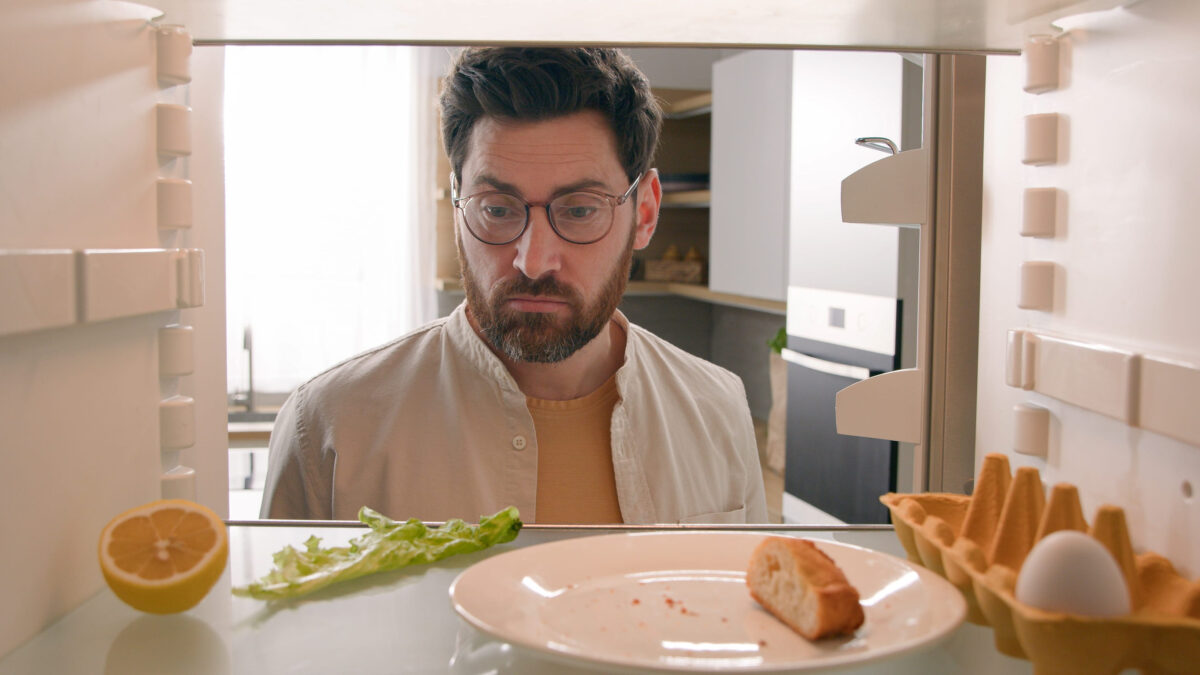
Protein is the breakfast ingredient that helps put hunger in its place. Bananas bring sweetness, fiber, and minerals, but they contain only about 1 gram of protein per medium fruit, which is not enough for most people trying to stay full through a busy morning.
That missing protein matters. Without eggs, yogurt, milk, cottage cheese, tofu, nuts, or peanut butter beside it, a banana can behave more like a snack than a meal. It fills the hand beautifully, but it may not fill the stomach for long.
It Can Trigger Stronger Cravings Later
A banana-only breakfast can quietly invite cravings because it gives the body a sweet start without enough balance. That natural sweetness is not the same as candy, but it can still leave some people wanting more sugar soon after, especially if breakfast had no protein or healthy fat.
This is where the morning can go sideways. One innocent banana becomes a cookie, then a muffin, then a “just this once” pastry at the office. The issue is not weakness. It is a breakfast that does not provide your body with enough support at the start.
Ripe Bananas Can Hit Faster Than You Expect
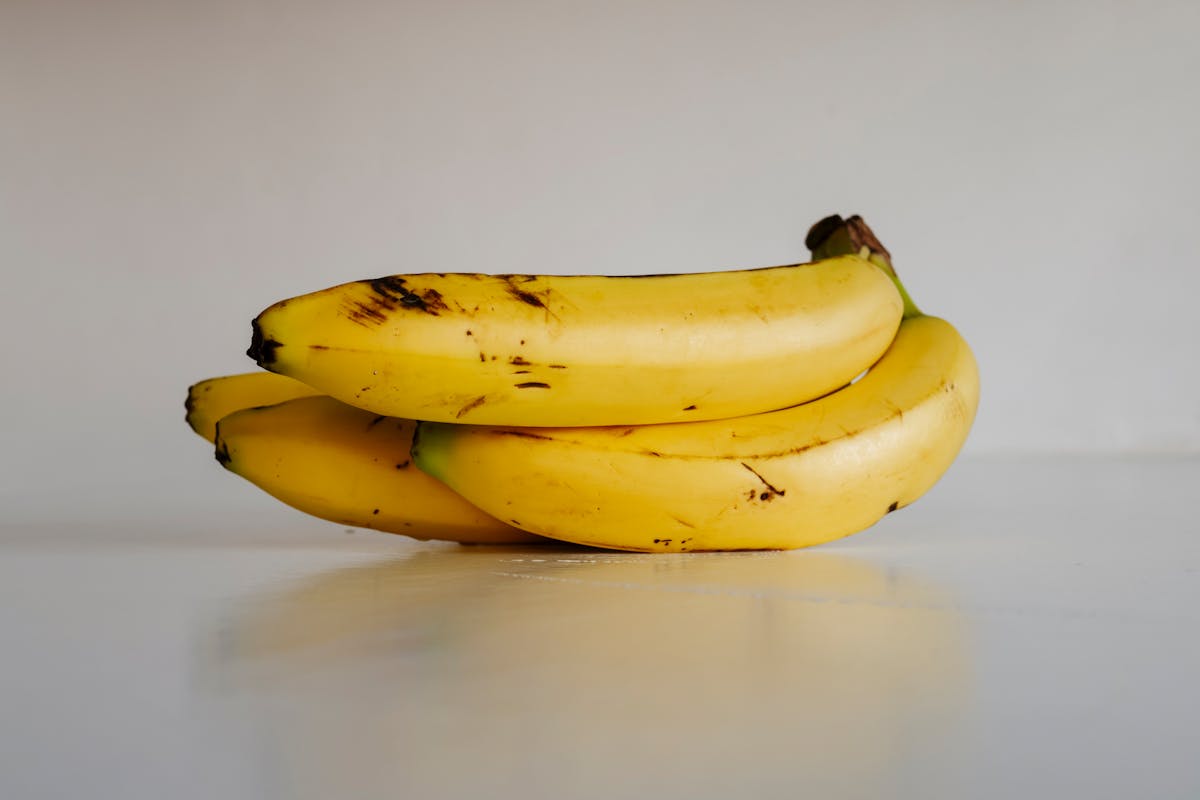
The riper a banana gets, the sweeter it tastes. Those brown-speckled bananas are soft, fragrant, and perfect for baking, but they may not be the best solo breakfast choice for people who want slow, steady energy. Riper fruit generally contains more sugar and can have a higher glycemic effect than less ripe fruit.
That does not make ripe bananas dangerous for healthy adults. It simply means they need a smart company. Pairing them with oats, Greek yogurt, chia seeds, peanut butter, or eggs can slow the meal down and make breakfast feel more stable.
It Leaves Out the Healthy Fats Your Morning Needs
Healthy fats help breakfast last longer. They add satisfaction, slow digestion, and make a meal feel less like a quick bite and more like proper fuel. A banana has almost no fat, which makes it light and easy to digest, but also easy to burn through.
That is why a banana with peanut butter feels different from a banana alone. The fruit brings sweetness and potassium, while the fat brings staying power. Almonds, walnuts, chia seeds, flaxseed, avocado, and plain yogurt can all turn a weak banana breakfast into something more useful.
It May Not Be Ideal for people watching their blood sugar.

People managing blood sugar do not have to fear bananas, but portion and pairing matter. The American Diabetes Association notes that fruit can fit into a healthy diet, but a small piece of whole fruit is already counted as a carbohydrate serving in many meal plans.
That means a banana alone may not be the smartest breakfast for someone who needs careful glucose control. A smaller banana paired with protein and fiber may work better than a large ripe banana eaten by itself. Breakfast should steady the morning, not start a guessing game.
It Can Be a Poor Choice for Some Kidney Diets
Bananas are famous for potassium, and that is usually a selling point. For many healthy people, potassium is helpful and important. For people with kidney disease, however, high-potassium foods may need closer attention because the kidneys help regulate potassium levels in the body.
This does not mean everyone should avoid bananas. It means the “banana every morning” habit may not suit everybody. People on kidney-specific diets should follow guidance from a doctor or dietitian rather than treating bananas as a harmless daily breakfast option.
It Tricks You Into Thinking You Had a Real Breakfast

This may be the biggest problem of all. A banana feels like a healthy decision, so it can fool you into thinking breakfast is taken care of. In reality, you may have eaten a nutritious fruit, not a complete meal.
A stronger breakfast needs more structure. Banana with oatmeal works. Banana with Greek yogurt works. Banana with peanut butter toast works. Banana with eggs on the side works. The goal is not to remove bananas from the breakfast table, but to stop giving them a job they cannot perform on their own.