7 Canned Foods You Should Avoid in Your Pantry
Canned foods have long been staples in many households, offering convenience and a long shelf life. But while they can be a lifesaver in times of need, not all canned goods are created equal.
Many popular options come with hidden downsides, from excessive sodium to potentially harmful chemicals. In this article, we’ll take a closer look at seven canned foods you might want to reconsider stocking in your pantry.
Canned Soups

Canned soups may seem like an easy go-to meal, especially on busy days, but they often contain high levels of sodium and preservatives. A single can of soup can contain up to 2,000 mg of sodium—almost the entire recommended daily limit. This excessive sodium intake can lead to health issues like high blood pressure and increased risk of heart disease. Additionally, many canned soups contain artificial flavors and MSG, which can contribute to bloating, headaches, and other adverse reactions in sensitive individuals.
What to do instead: Try making your own soup at home, where you control the ingredients. Fresh vegetables, lean meats, and homemade broth can help you create a healthier, more flavorful soup with no unnecessary additives.
Canned Vegetables

While canned vegetables may seem like a healthy choice, they can be packed with sodium. Many manufacturers add salt to preserve the vegetables and enhance flavor, and a can of peas, beans, or corn can sometimes contain more than half the daily recommended intake of sodium. Furthermore, the long shelf life of canned vegetables often comes at the expense of nutrient content. The canning process can strip away vital vitamins and minerals, making them less nutritious than their fresh counterparts.
What to do instead: Opt for fresh, frozen, or even dried vegetables. If you must use canned vegetables, look for low-sodium or no-salt-added options. These are often found in health-conscious sections of your grocery store.
Canned Fruit
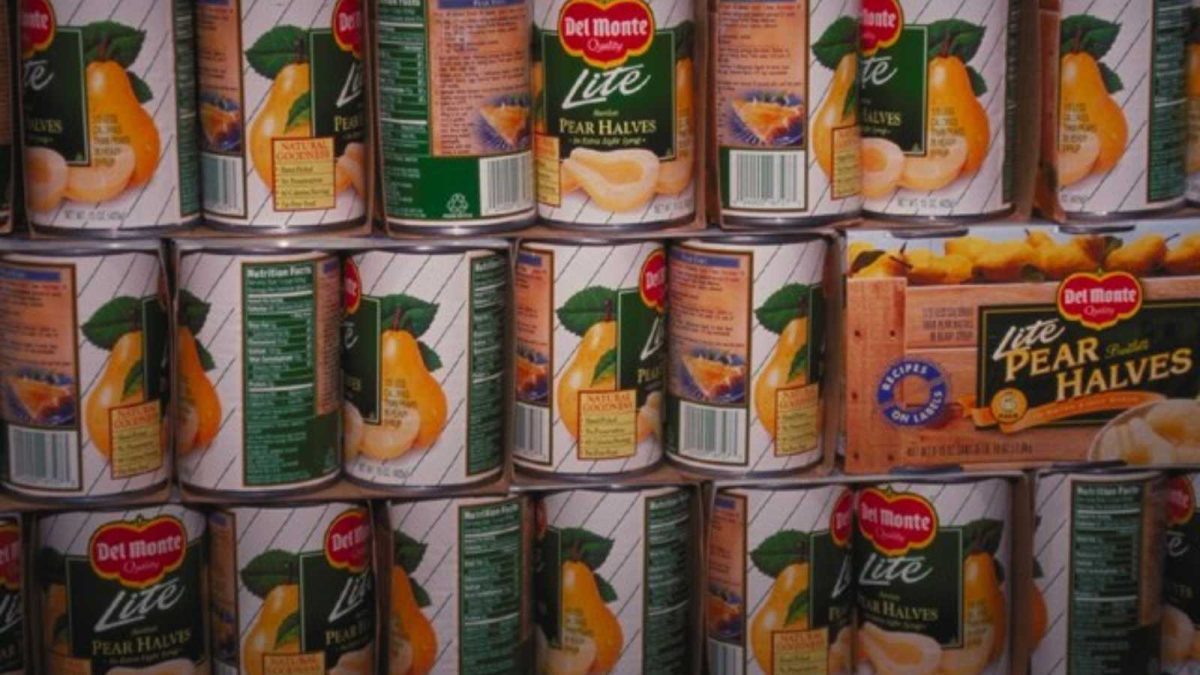
While fruit is a healthy snack, many canned fruits are packed in heavy syrup, which significantly increases their sugar content. The syrup may add more than 50 grams of sugar per can, which can contribute to weight gain, diabetes, and other metabolic disorders when consumed frequently. Even canned fruit labeled as “packed in its own juice” may still contain added sugars or sweeteners to improve flavor. As a result, canned fruit can be far less healthy than fresh fruit, which provides fiber, vitamins, and antioxidants without the sugar overload.
What to do instead: Choose fresh or frozen fruit for a healthier option. If you do choose canned fruit, make sure it’s packed in water or its own juice, with no added sugar.
Canned Tuna
Canned tuna is often seen as a healthy source of protein, but it’s worth considering the potential health risks. While tuna is a good source of omega-3 fatty acids and protein, it can also contain high levels of mercury, particularly in larger fish species. Mercury can harm the nervous system, and excessive consumption can lead to mercury poisoning. Additionally, many canned tuna products contain preservatives and may be packed in oil, which adds unnecessary calories and fat.
What to do instead: Opt for smaller fish such as sardines or mackerel, which are lower in mercury. If you do buy canned tuna, go for brands that offer “light tuna” or “sustainably sourced” options to minimize mercury exposure.
Canned Chili
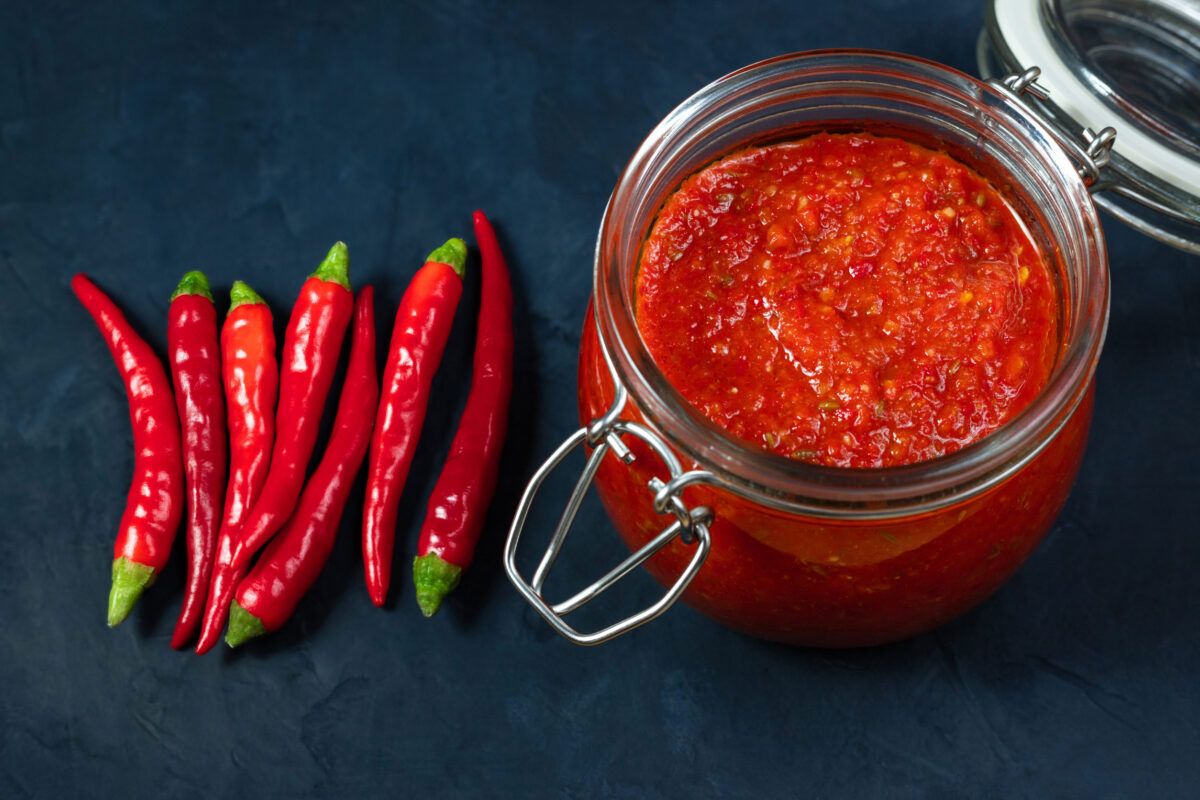
Canned chili is another quick and easy meal option, but it’s also a prime candidate for excessive sodium, unhealthy fats, and artificial preservatives. Many canned chili varieties contain 1,000 mg or more of sodium per serving, along with added sugars and unhealthy fats, making it a poor choice for those trying to maintain a healthy diet. Some brands may also add artificial flavors and colorings, further reducing the product’s nutritional value.
What to do instead: Prepare chili from scratch using lean meats, beans, fresh tomatoes, and spices. It’s a great way to control the ingredients and reduce unhealthy additives.
Canned Pasta
Much like canned soups and chili, canned pasta seems like a quick, easy solution for busy nights. However, it’s often loaded with sodium, preservatives, and artificial flavors. Some canned pasta dishes may even contain trans fats, which are linked to heart disease and other chronic health problems. The pasta itself may also be overcooked and nutrient-deficient, leaving you with a meal high in empty calories and low in nutritional value.
What to do instead: If you’re craving pasta, prepare it fresh at home using whole-grain or gluten-free options. Add your favorite vegetables, lean proteins, and a flavorful homemade sauce to create a far more nutritious and satisfying dish.
Canned Beans
Canned beans are another convenient pantry staple, but they can be problematic due to the high sodium content added for preservation. Even though beans are naturally high in fiber and protein, the added salt can turn them into a health liability. Additionally, the cans often contain BPA (Bisphenol A), a chemical used in the lining of many food containers that has been linked to various health issues, including hormonal disruption and increased risk of cancer.
What to do instead: Purchase dried beans and cook them yourself. Not only does this help you avoid excess sodium and BPA, but it also allows you to experiment with different flavors and seasoning combinations.
Conclusion
While canned foods offer convenience, many of them come with hidden health risks. From excessive sodium and preservatives to unhealthy fats and potentially harmful chemicals, some canned goods can do more harm than good. It’s crucial to be selective about the canned items you keep in your pantry and prioritize fresher, more natural alternatives whenever possible. By making mindful choices, you can enjoy healthier, more nutritious meals without sacrificing convenience. Choose fresh or frozen foods, or make your own versions of your favorite canned dishes, and you’ll be on the path to a healthier, more wholesome diet.
Are you ready to ditch the cans and make healthier choices for your pantry? Start by swapping out one or two canned items at a time for fresher options, and see how it impacts your health.