7 Sugary Drinks That Are Sabotaging Your Health
Sugary drinks are everywhere , in stores, restaurants, vending machines, and even in our homes. They’re often marketed as refreshing, tasty, and even “healthy” options, yet behind their brightly colored packaging and sweet flavors lies a disturbing truth. These beverages are not only addictive but also have serious consequences for your health. From weight gain to increased risk of chronic diseases, sugary drinks can truly sabotage your well-being.
In this article, we will highlight seven of the most popular sugary drinks that are silently undermining your health, and why you should reconsider your relationship with them.
Soda
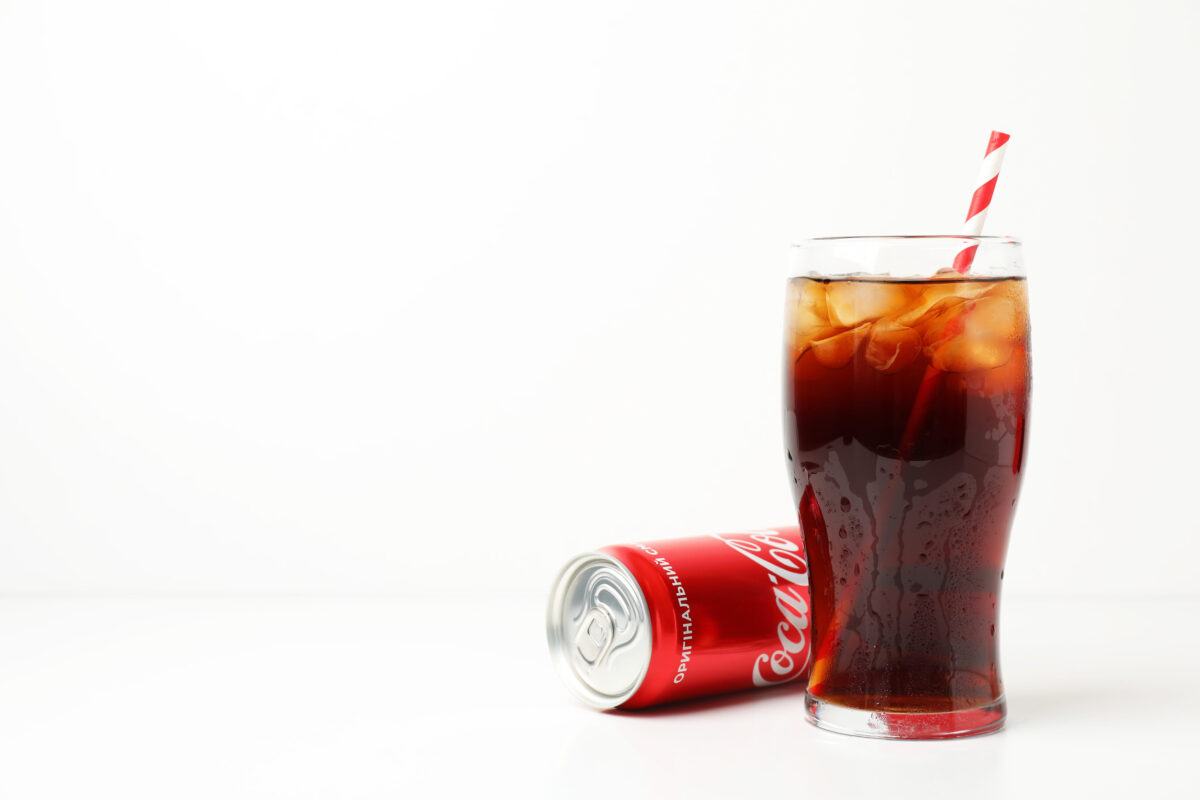
Soda is perhaps the most obvious and widely consumed sugary drink, making it the king of unhealthy choices. Whether it’s a classic cola or a fruit-flavored soda, these drinks contain high levels of refined sugars and artificial sweeteners, which contribute to a variety of health issues. In fact, just one can of soda can have up to 40 grams of sugar, far exceeding the daily recommended sugar intake.
The high sugar content in sodas contributes to obesity, insulin resistance, and increased fat storage in the liver, which can eventually lead to type 2 diabetes. Moreover, frequent soda consumption increases the risk of heart disease, as sugary drinks have been shown to raise levels of bad cholesterol and lower good cholesterol. The empty calories found in soda provide little to no nutritional value and leave you craving more sugar, creating a vicious cycle.
Energy Drinks
Energy drinks are often marketed as quick fixes to boost your energy levels. However, the truth is, the sugar content in these drinks can do more harm than good. Some energy drinks can pack up to 60 grams of sugar per serving , which is more than the entire recommended daily intake for an adult. Along with caffeine, these drinks give a short burst of energy, but the sugar crash that follows leaves you feeling sluggish and craving another fix.
Regular consumption of energy drinks can contribute to high blood pressure, heart palpitations, and anxiety due to the excessive caffeine and sugar content. Additionally, energy drinks have been linked to a higher risk of dehydration and dental issues, as the high sugar levels promote tooth decay. The combination of sugar and caffeine in these drinks can wreak havoc on your overall health, making them one of the most dangerous sugary drinks.
Fruit Juices
Fruit juices, particularly those labeled as “100% natural” or “freshly squeezed,” are often seen as a healthy alternative to sodas. However, what many people don’t realize is that even fruit juices can be loaded with sugar. For example, an 8-ounce serving of orange juice can contain about 20-30 grams of sugar, nearly the same amount found in a can of soda.
Despite the vitamins and nutrients found in fruit juices, the high sugar content can lead to rapid spikes in blood sugar levels. Over time, excessive consumption of fruit juice can contribute to weight gain, tooth decay, and insulin resistance. Even if you’re getting your juice from fresh fruit, the juicing process removes the fiber that helps slow sugar absorption. Therefore, while fruit juices may seem like a healthier option, they are still sugary drinks that can sabotage your health when consumed in excess.
Sweetened Iced Teas

Iced tea has long been regarded as a healthier alternative to sugary sodas, but don’t be fooled by its seemingly innocent appearance. Many commercial iced teas are loaded with added sugars to enhance the taste, making them just as unhealthy as their soda counterparts. A single bottle of sweetened iced tea can contain as much as 40 grams of sugar, which is equivalent to 10 teaspoons.
Although tea itself,, especially green and black varieties, can offer health benefits, the added sugar in commercially bottled iced teas cancels out these benefits. Excessive sugar intake can lead to weight gain, poor digestive health, and even an increased risk of diabetes. Additionally, many sweetened iced teas are made with artificial flavors and preservatives, further reducing their nutritional value. So, next time you’re reaching for a cold iced tea, check the label to ensure you’re not unknowingly drinking a sugary bomb.
Flavored Water
Flavored water may seem like a good option for hydration, but the truth is, many of these beverages are packed with added sugars and artificial sweeteners. While plain water is a great way to stay hydrated, flavored waters often come with a sweetened twist. Even a small bottle of flavored water can contain up to 20 grams of sugar, which is still high for a product marketed as a healthier choice.
Additionally, flavored waters are often artificially flavored, which means you’re not getting the natural goodness of real fruit. This can trick your body into thinking you’re getting hydration without the downside of sugary drinks. The reality is, regular consumption of flavored water can lead to health problems like obesity, tooth decay, and blood sugar imbalances, so it’s essential to read labels carefully.
Sports Drinks
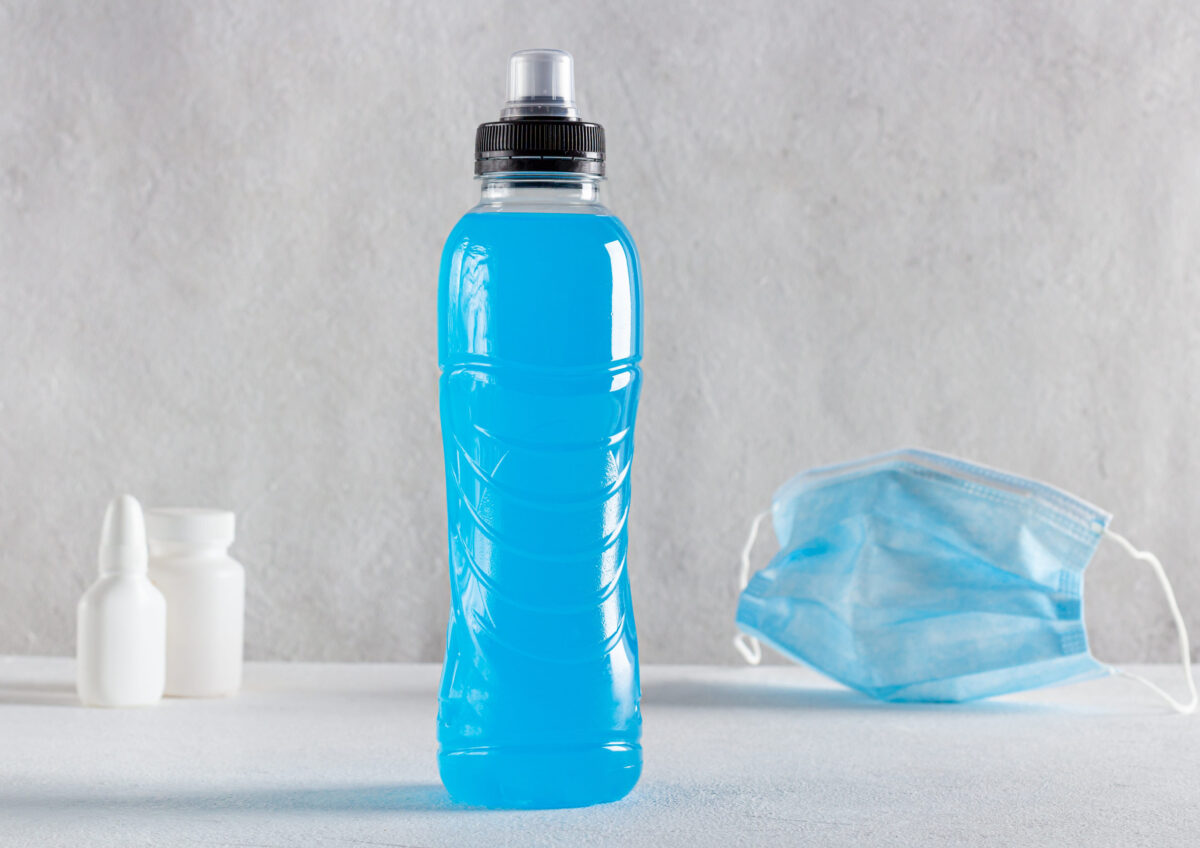
Sports drinks are often consumed during or after exercise to replenish electrolytes lost through sweating. However, many people drink them even when they’re not engaging in physical activity. While these drinks do provide electrolytes like sodium and potassium, they are also loaded with sugars and artificial additives. A single 20-ounce bottle of sports drink can contain as much as 34 grams of sugar , which is more than half the daily recommended sugar intake for an adult.
For athletes, sports drinks can help replenish electrolytes during intense physical activity. However, for the average person who isn’t working out at high intensity, drinking sports drinks regularly can contribute to weight gain, poor heart health, and an increased risk of metabolic disorders. Instead of reaching for a sports drink, consider water or coconut water as a healthier, lower-sugar alternative.
Milkshakes
Milkshakes are a popular indulgence, but their sugar content is not to be taken lightly. Depending on the flavor, size, and ingredients, milkshakes can contain up to 100 grams of sugar, which is more than the total daily recommended intake for an adult. Milkshakes also contain high amounts of saturated fat, which, when combined with the sugar content, can lead to long-term health issues like cardiovascular disease and obesity.
The thick, creamy texture of milkshakes comes from the ice cream and sugary syrups used in their preparation. While they may satisfy your sweet tooth temporarily, the consequences of consuming milkshakes frequently can be severe. From weight gain to high cholesterol and increased risk of diabetes, milkshakes are one of the worst sugary drinks for your health.
Conclusion
Sugary drinks are not just a temporary indulgence; they can have long-lasting and damaging effects on your health. From sodas and energy drinks to fruit juices and even seemingly “healthier” options like flavored waters and sweetened iced teas, these beverages can contribute to a wide range of health issues. Consuming too much sugar can lead to obesity, diabetes, heart disease, and other chronic conditions that affect quality of life.
If you want to take charge of your health, it’s time to start making more mindful beverage choices. Reach for water, herbal teas, or natural fruit-infused drinks instead of sugary alternatives. Your body will thank you in the long run, and you’ll be one step closer to achieving a healthier lifestyle. So, the next time you’re tempted to grab a sugary drink, pause and consider the impact it could have on your well-being. After all, your health is worth more than a momentary sugar fix.