10 Common Snacks You Should Never Eat if You Care About Your Heart
A bad snack rarely looks dangerous. It sits in a shiny bag, comes with a satisfying crunch, and promises a quick little reward after a long day. The problem is that many common snacks are built around the same heart-troubling trio: too much sodium, added sugar, and unhealthy fat. The American Heart Association recommends choosing whole or minimally processed foods, limiting added sugars, keeping sodium low, and replacing saturated fats with healthier unsaturated fats.
This does not mean one snack will ruin your health. But if these foods keep showing up in your hands every afternoon, your heart may start paying the bill quietly. Here are the everyday snacks worth cutting down if you care about your blood pressure, cholesterol, weight, and long-term heart health.
Potato Chips
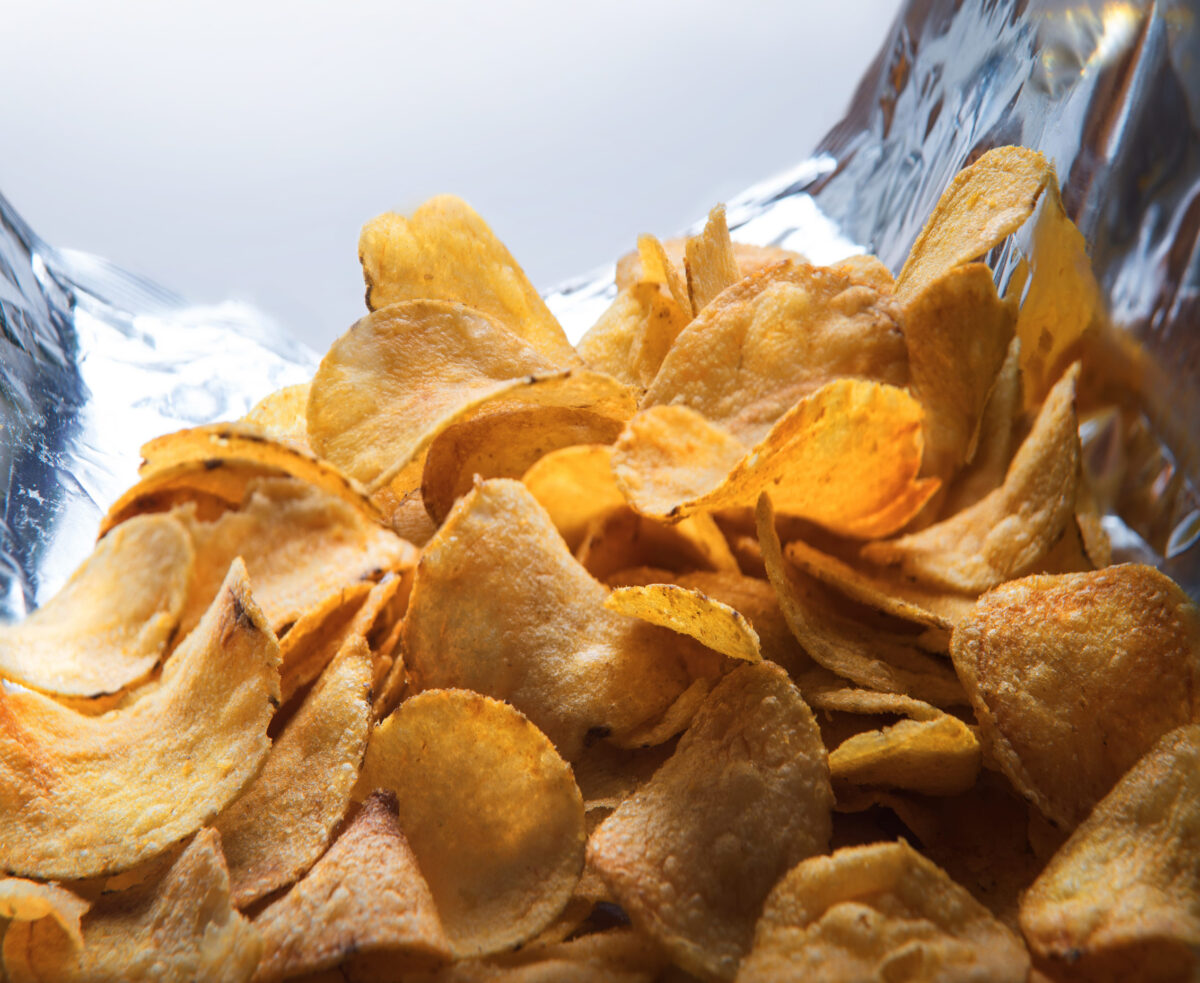
Potato chips are the classic “just one more” snack, and that is exactly the trap. They are salty, oily, and easy to eat by the handful, so you don’t notice the portion size.
Many chips also bring refined carbs and little fiber, so they do not keep you full for long. Sodium can be especially hard on the heart because high-salt diets are linked to higher blood pressure. If you love crunch, roasted chickpeas, air-popped popcorn, or unsalted nuts, they give you more nutrition without turning snack time into a sodium storm.
Packaged Cookies

Packaged cookies may look harmless beside a cup of tea, but they are often loaded with added sugar, refined flour, and saturated fat.
The CDC warns that too much added sugar can contribute to weight gain, obesity, type 2 diabetes, and heart disease. Cookies also disappear quickly because they are soft, sweet, and portion sizes are usually tiny compared with what people actually eat. A better choice is fruit with plain yogurt, a few squares of dark chocolate, or homemade oat bites with less sugar.
Cheese Puffs
Cheese puffs are a perfect example of a snack that feels light but is not doing your heart many favors. They are often salty, heavily processed, and made to melt in your mouth so quickly that your brain barely registers fullness.
That means you can finish a large bag before your body has time to object. Most cheese-flavored snacks also offer very little protein or fiber. For a heart-friendlier swap, try whole-grain crackers with avocado, a small handful of nuts, or sliced vegetables with hummus.
Sugary Granola Bars
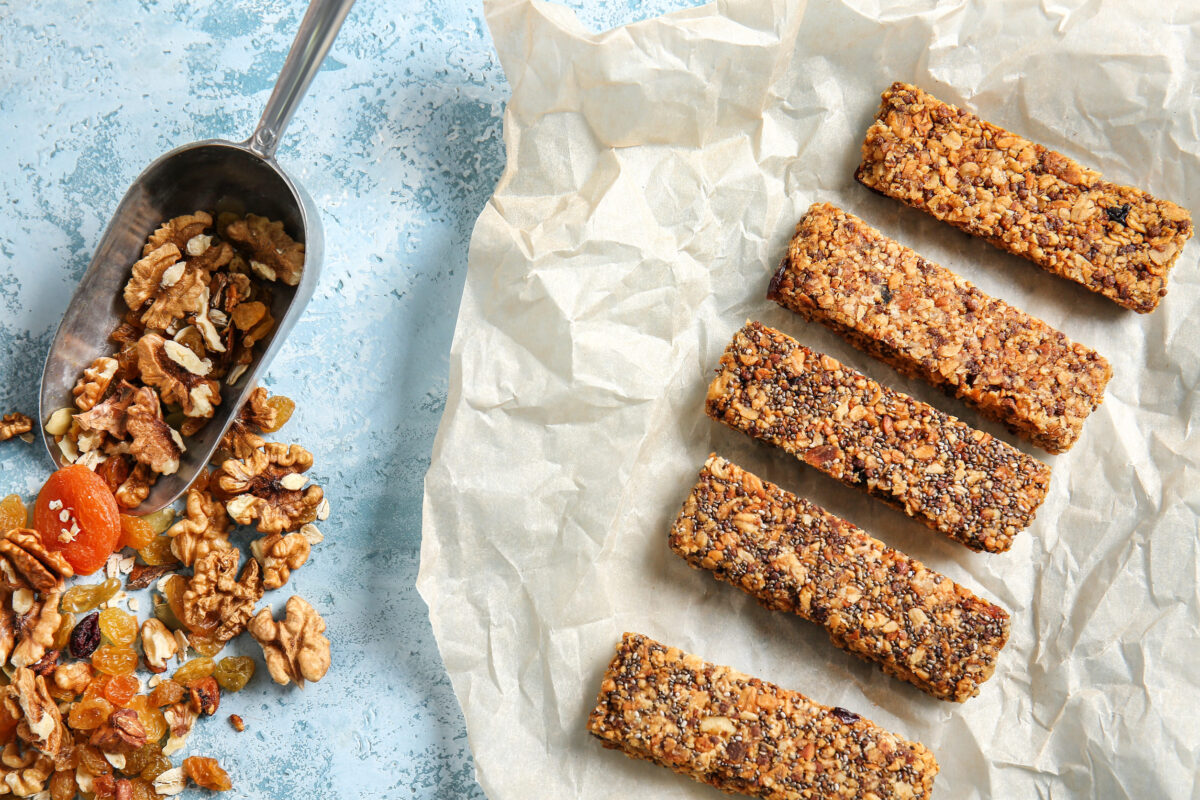
Granola bars wear a health halo, but many are closer to candy bars than real nourishment. Some contain chocolate chips, syrups, sweet coatings, and very little actual whole grain. The danger is the packaging: words like “natural,” “energy,” and “protein” can make a sugar-heavy bar look like a smart choice.
The American Heart Association recommends limiting added sugars to no more than 6% of daily calories, which can be easy to exceed with sweet snacks. Choose bars with simple ingredients, low added sugar, and at least a few grams of fiber.
Microwave Popcorn With Butter Flavor
Plain popcorn can be a good snack, but butter-flavored microwave popcorn can be a different story. Some versions are high in sodium and saturated fat, especially the extra-butter varieties.
Saturated fat matters because the American Heart Association says it can raise “bad” LDL cholesterol and recommends keeping it below 6% of total daily calories. The smarter move is air-popped popcorn with a light sprinkle of herbs, a pinch of cinnamon, a sprinkle of nutritional yeast, or a small drizzle of olive oil.
Processed Meat Snacks
Pepperoni sticks, salami bites, hot dogs, and jerky-style snacks may be convenient, but they are often heavy in sodium and saturated fat.
They can also encourage mindless grazing because they feel like protein, even when they’re high in salt. Your heart does not care that the snack is trendy or “high protein” if it is also pushing blood pressure in the wrong direction. Choose boiled eggs, tuna on whole-grain crackers, roasted edamame, or unsalted nuts when you want something filling.
Candy

Candy is quick comfort, but it gives your heart almost nothing useful in return. It spikes your sugar intake, adds empty calories, and leaves you hungry again soon after. Sweet snacks can also train your taste buds to expect dessert-level sweetness throughout the day.
The bigger issue is frequency. A small treat now and then is different from using candy as a daily afternoon fuel source. If you crave something sweet, try berries, apple slices with peanut butter, dates with nuts, or frozen grapes.
Packaged Pastries
Snack cakes, doughnuts, toaster pastries, and cream-filled treats are some of the worst everyday snacks for the heart. They often combine refined flour, added sugar, saturated fat, and sometimes small amounts of trans fat, depending on the product and market.
The FDA notes that trans fat raises LDL cholesterol, and higher LDL increases the risk of heart disease. These snacks also tend to feel like breakfast or a light bite, even though they behave more like dessert. Keep them rare, not routine.
Instant Noodle Cups
Instant noodle cups are cheap, fast, and comforting, but they can be brutal on sodium intake. Many people think of them as a small snack, yet one cup can carry a large salt load before you add anything else.
The broth is usually the biggest problem because it concentrates seasoning, salt, and flavor enhancers. Eating these often can work against heart goals, especially for anyone watching blood pressure. A better quick option is a homemade soup cup with vegetables, beans, leftover chicken, and low-sodium broth.
Ice Cream Bars
Ice cream bars are sweet, creamy, and easy to treat like a small snack, but many deliver plenty of added sugar and saturated fat in a compact package. The chocolate coating, caramel swirl, cookie layer, and sweetened dairy base can pile up quickly.
Frozen desserts are also easy to eat late at night, when you may not be hungry at all. For a cooler, heart-friendlier choice, try frozen banana slices, plain Greek yogurt with fruit, or a homemade smoothie without added syrup.
Conclusion
Heart health is built in small, repeated choices, and snacks are one of the easiest places to start. You do not need to fear every chip, cookie, or scoop of ice cream, but you do need to notice patterns. The snacks that cause the most trouble are usually the ones that combine salt, sugar, saturated fat, refined carbs, and heavy processing in one convenient package. The American Heart Association encourages healthier snack options such as fruit, low-fat yogurt, whole-grain crackers, unsalted or unsweetened nut butter, and unsweetened dried fruit.
The real goal is not punishment. It is protection. Your heart works all day without applause, so feed it as it matters. Replace the snacks that drain your health with foods that actually satisfy you, and your future self will thank you for every better bite.