8 Offbeat Food Science Experiments That Are Redefining Modern Cuisine
Food science no longer lives in the quiet corner of a laboratory. It now reaches into kitchens, farms, fermentation rooms, orbital stations, and even climate technology startups that want to rebuild everyday staples from the molecular level up. What once sounded absurd, such as butter made from carbon dioxide or miso fermented in space, now sits at the heart of serious discussions about sustainability, flavor, shelf life, human health, and the future of eating.
We are witnessing a moment in which food is being treated as a convergence of chemistry, physics, neuroscience, biotechnology, and cultural history all at once. Some of these experiments aim to reduce waste. Some try to solve practical problems in cooking. Others reveal how deeply taste, smell, memory, and technology shape the meals we think we already understand.
Together, they show that the future of food may be stranger, smarter, and far more inventive than most people expect.
Butter Made from Carbon Dioxide Could Reshape the Future of Fat
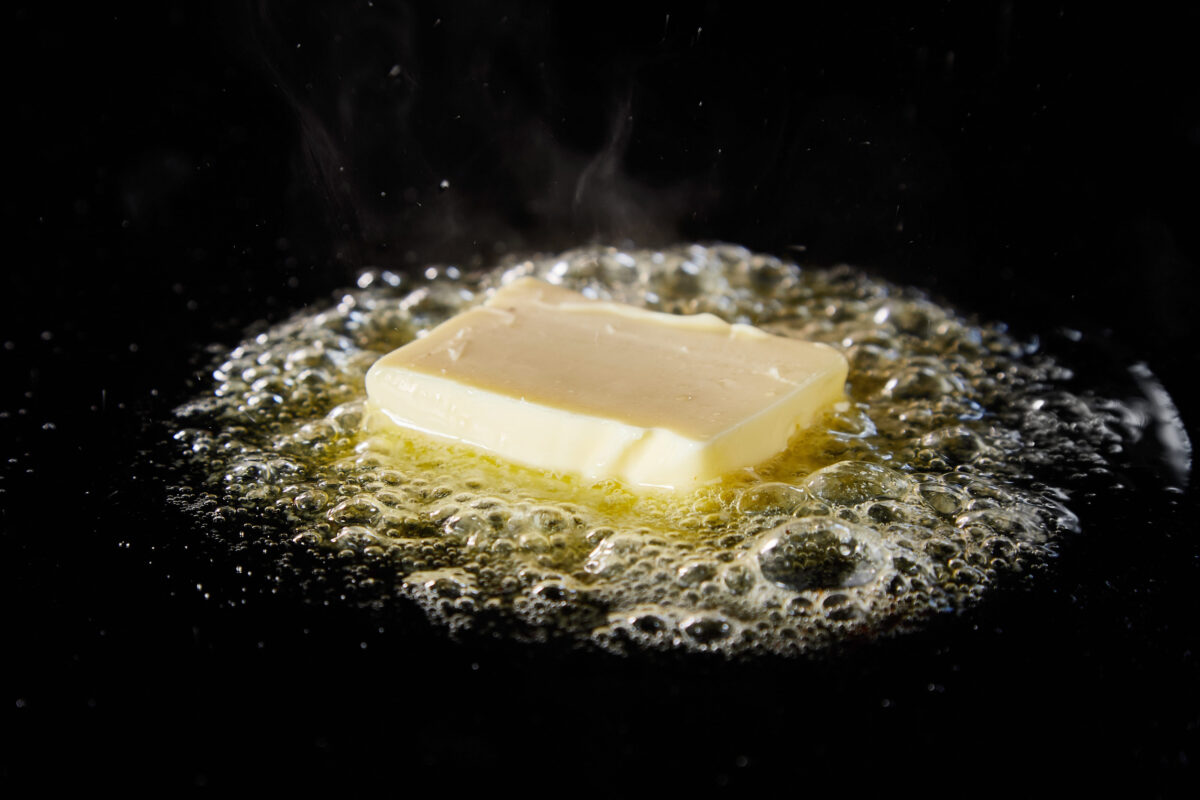
Synthetic butter made from gases in the air sounds like something from speculative fiction, yet it sits at the intersection of climate technology and food chemistry. The idea is deceptively simple. If fat molecules can be built from carbon dioxide, hydrogen, and oxygen through a controlled thermochemical process, then animal agriculture is no longer the only route to rich, dairy-like fats. That changes the conversation around butter from farming alone to molecular manufacturing.
The importance of this experiment is not just novelty. It is scale, environmental pressure, and resource use. Traditional dairy production demands land, water, feed, transport, and livestock emissions. A butter alternative built without cows challenges the assumption that familiar foods must always come from familiar systems. What makes the experiment especially striking is that the goal is not to create a weird substitute with a compromised texture.
The goal is to recreate the chemistry of the original closely enough that taste and performance feel normal. In food science, that is often where acceptance is won or lost. People may admire sustainability in theory, but they adopt products when toast, pastry, and cooking performance still feel right. If synthetic fats cross that threshold, everyday grocery shelves may start to look very different.
Open Mouth Eating Research Challenges
The claim sounds rude before it sounds scientific. Researchers have suggested that chewing with the mouth open may intensify flavor because aroma compounds reach the nose more effectively. That runs directly against one of the oldest rules of polite eating, which is exactly why the finding draws attention. But beneath the manners debate is a powerful reminder that flavor is not just on the tongue. It is built through smell, sound, texture, and expectation.
This experiment matters because it reframes eating as a multisensory event rather than a purely taste-based one. Crunch, crackle, airflow, and aroma release all shape pleasure. That helps explain why foods like chips, crisp apples, crackers, and popcorn can feel more satisfying than softer foods, even when their ingredient lists are unremarkable. It also suggests that etiquette and sensory optimization do not always point in the same direction.
Nobody is likely to redesign formal dining around louder chewing, but the study does expose how much of taste is really retronasal smell and sensory feedback. Once that becomes clear, food design changes. Packaging, texture engineering, and even serving style become part of the science of enjoyment.
Gene-Edited Bananas That Resist Browning Could Cut Massive Food Waste

Bananas look simple, but they are one of the most fragile large-scale crops in the global food chain. They bruise easily, discolor quickly, and are thrown away at alarming rates by retailers, transporters, and consumers. That makes them a perfect target for food scientists trying to reduce waste without changing how people actually eat. A banana that stays yellow longer is not a novelty item. It is a supply chain intervention dressed up as fruit.
The scientific focus here is the enzyme responsible for browning, polyphenol oxidase. By deactivating the gene linked to that process, researchers have developed bananas that remain visually fresh for longer after peeling and after minor handling damage. That matters because consumers often judge ripeness and quality by color long before texture or flavor are even considered. If the fruit looks old, it gets rejected.
A banana that holds its color longer could reduce retail loss, improve transport durability, and make households less likely to throw away edible produce. In practical terms, that makes this one of the clearest examples of biotechnology being used to solve a very ordinary, very expensive food problem.
A 2,000-Year-Old Curry Discovery Rewrites the History of Southeast Asian Food
Ancient food science may sound like an academic niche, but it has the power to redraw culinary history. By analyzing plant remains on stone grinding tools from the Óc Eo site in Vietnam, researchers found evidence of spices and ingredients tied to curry making two thousand years ago. That turns a familiar dish into a historical map of trade, migration, exchange, and taste.
The finding is important because it shows cuisine as a record of movement. Spices do not arrive by accident. They travel through trade routes, port cities, and sustained cultural contact. The preserved remains of turmeric, ginger, galangal, cinnamon, clove, nutmeg, and other ingredients reveal a food world that was already global in meaningful ways. Rather than treating ancient diets as simple or local by default, this discovery presents them as layered, sophisticated, and connected. It also reminds us that food experiments are not only futuristic.
Some of the most revealing investigations uncover how earlier societies combined ingredients, built flavor systems, and absorbed influences across oceans. In that sense, archaeology becomes one more branch of food science.
The Physics of Pizza Proves Great Cooking Can Be Calculated
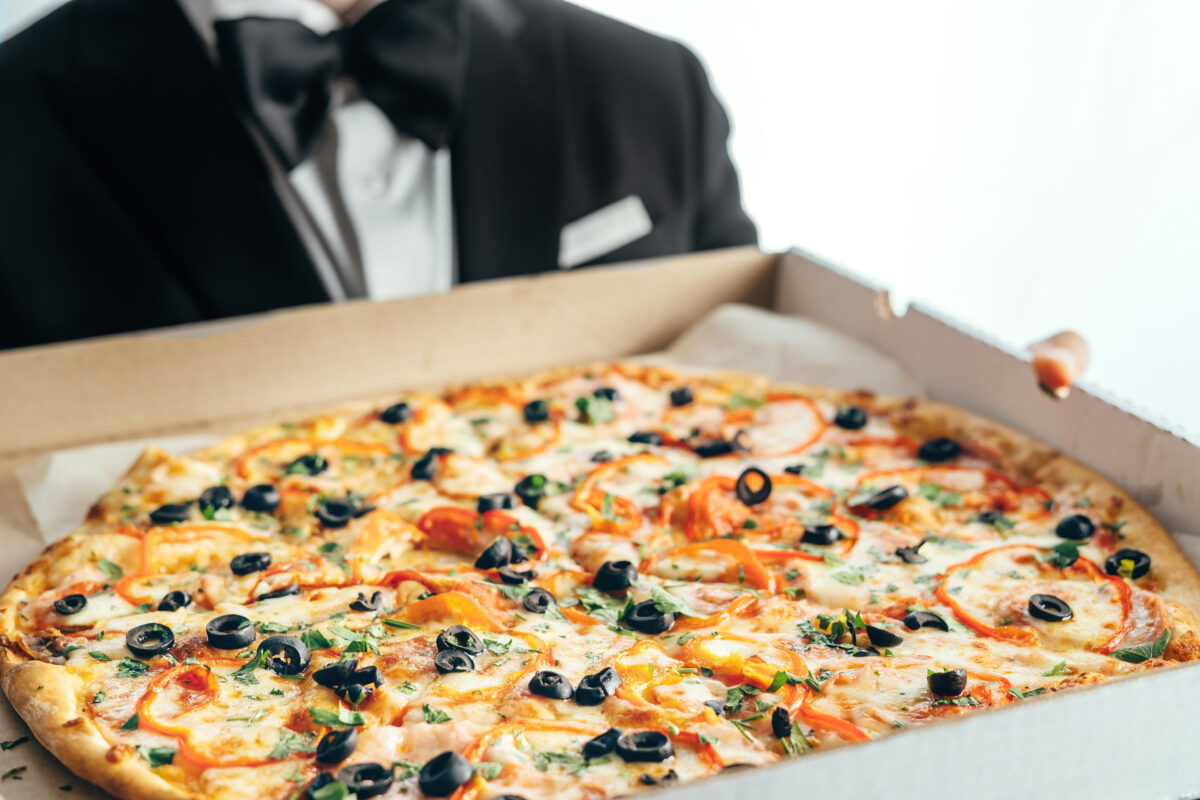
Pizza inspires strong opinions because it lives at the junction of craft, tradition, and precision. A great pizza depends on heat transfer, moisture loss, dough structure, topping load, and timing. That means it is an ideal object for thermodynamics. Scientists who studied pizza were not trying to strip romance from cooking. They were identifying why a wood-fired brick oven produces a dramatically different result from a standard electric oven.
The answer lies in heat intensity, material conductivity, and evaporation. A brick oven transfers heat differently from metal, and the cooking window is short enough that texture changes happen fast. The physics-based approach provides a workaround for home cooks using weaker ovens and metal trays. Adjustments in temperature and timing can compensate for the missing environment, at least partially.
The deeper value of the experiment is that it narrows the gap between professional conditions and domestic ones. Food science often shines brightest when it helps ordinary people produce better results with imperfect tools. Pizza is emotional, but it is also measurable. Once that is understood, good technique becomes less mysterious and more accessible.
Physicists Have Turned Cacio e Pepe Into a Precision Pasta Experiment.
Cacio e pepe has a reputation for being simple, but that reputation is misleading. The dish uses only a few ingredients, yet it can fail spectacularly in seconds if the cheese clumps, the sauce seizes, or the starch level is off. That makes it ideal for scientific study. When physicists step into pasta, they are not trying to replace tradition. They are trying to explain why some techniques produce silky emulsions, and others leave behind a grainy mess.
The real breakthrough lies in understanding the starch-to-water balance and the effect of heat on cheese proteins. Too much heat and the proteins tighten. Too little starch and the emulsion collapses. By measuring ratios and temperature changes carefully, researchers created a repeatable path to a smoother sauce. That may sound overly academic for a Roman pasta dish, yet it exposes something important about culinary science.
Many classic recipes survive because skilled cooks carry invisible knowledge in their hands and instincts. Physics simply translates that instinct into method. In this case, the result is not a lesser version of tradition. It is a reliable map for anyone who wants the creamy version rather than a bowl of expensive lumps.
Yogurt May Be One of the Most Effective Garlic Breath Solutions Ever Tested

Garlic remains one of the most beloved ingredients and one of the most socially inconvenient. Its sulfur compounds linger stubbornly, which makes it a surprisingly useful subject for food chemistry. Scientists studying garlic breath found that yogurt can neutralize a large percentage of the volatile compounds responsible for the odor. That transforms a common kitchen ingredient into a targeted sensory countermeasure.
What makes yogurt effective is the combination of fat and protein, both of which bind odor-producing molecules before they fully escape into the breath. Higher fat versions appear to work even better, which points to a direct chemical explanation rather than folklore. This experiment stands out because it connects daily eating habits to measurable molecular interactions. It also reminds us that many practical food solutions are sitting in plain sight.
Not every advance needs a futuristic lab device or engineered organism. Sometimes, the most elegant science explains why one ordinary food can solve the side effects of another. For consumers, that is immediately useful. For researchers, it is another example of how food function extends beyond nutrition and flavor into chemistry that shapes social experience.
Mouse Brain Research Reveals Why Food Poisoning Memories Feel So Permanent
Anyone who has gotten sick after a meal knows how fast a favorite food can become untouchable. That reaction can last for years, even when the original culprit was uncertain, or the illness may have had another cause entirely. Neuroscience has now moved closer to explaining why food aversion is so vivid. In mouse studies, researchers identified brain activity linked to how harmful taste experiences are encoded and retrieved later.
This matters because food memory is not just preference. It is a protective survival system. When a flavor becomes associated with illness, the brain appears willing to preserve that association with unusual strength compared with many other experiences. That may help explain why food poisoning memories feel emotional, immediate, and resistant to logic.
From a broader scientific perspective, the experiment opens doors into learning, fear, aversion, and mental health. Food becomes a route into understanding how the brain prioritizes danger. A bad meal is therefore not only a digestive event. It can become a long-term neural imprint. That realization gives this experiment significance far beyond the kitchen.
Conclusion
The most compelling food experiments are not strange because they are frivolous. They are strange because they expose how many systems meet at the dinner table. Genetics influences shelf life. Physics shapes texture. Fermentation adapts to orbit. Brain circuits store aversion. Climate technology rebuilds fat. Archaeology recovers ancient spice routes. Every one of these experiments pushes food beyond recipe language and into a wider conversation about how we live.
What emerges from all eight examples is a sharper picture of modern cuisine itself. Food is no longer just grown, cooked, and eaten. It is engineered, modeled, preserved, cultivated, decoded, and reimagined. The offbeat quality is exactly what makes these experiments important. They reveal that the future of eating will not be built by chefs alone or by scientists alone, but by the increasingly fascinating space where both worlds collide.