13 Meats Once Popular in the U.S., But Now Banned or Illegal
When we think of meats in modern-day America, our minds usually jump to beef, chicken, pork, or turkey. These staples have become part of our culinary culture, gracing dinner tables across the country. However, if we take a closer look at history, we find that several meats were once popular but are now illegal or heavily restricted.
Whether due to ethical concerns, health risks, or ecological impact, these meats have faded from the American diet. Let’s explore the fascinating and, at times, controversial history of these banned or restricted meats.
Horse Meat
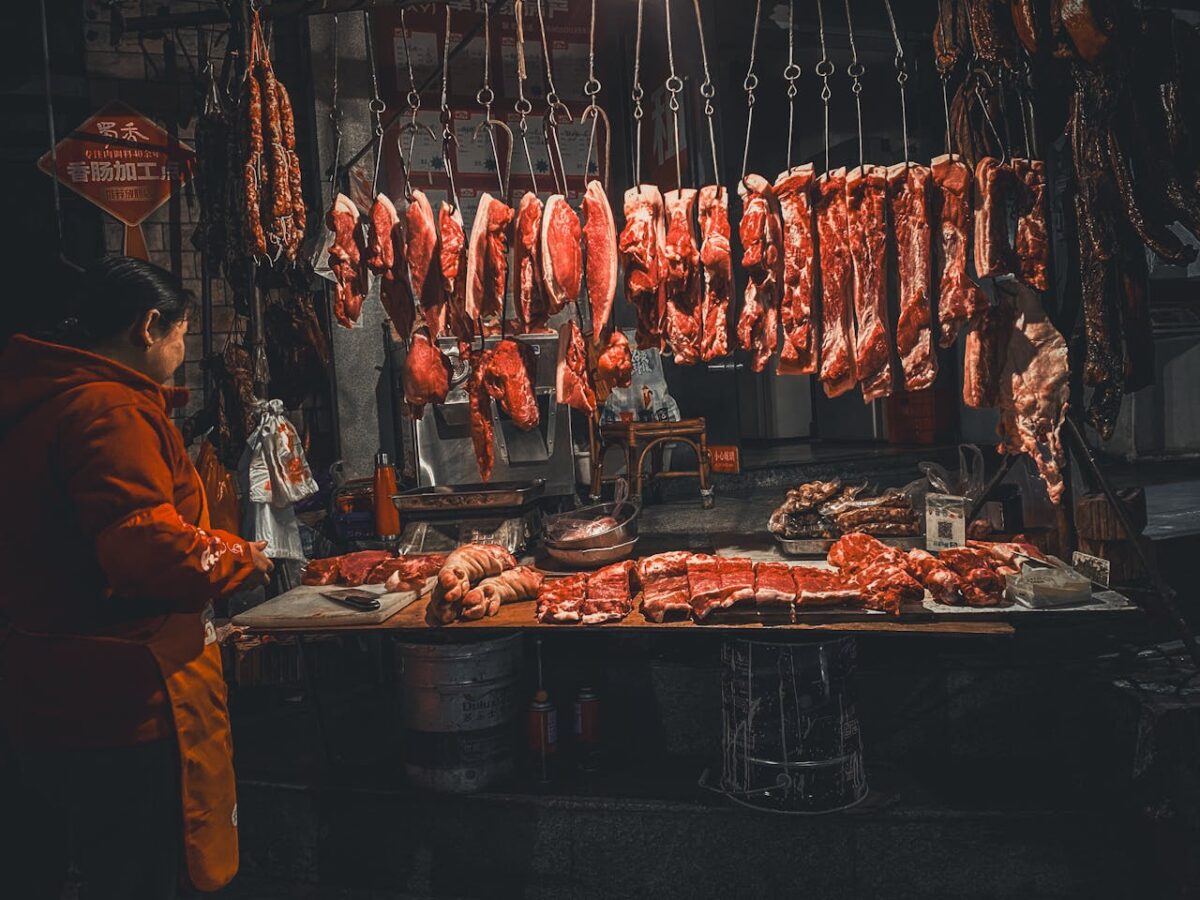
Horse meat, once a common source of protein, particularly in parts of the U.S. in the 19th and early 20th centuries, has largely disappeared from American diets. While it’s still consumed in certain parts of Europe and Asia, in the U.S., the consumption of horse meat became taboo due to the rise of animal rights advocacy. As horses became more closely associated with companionship and cultural symbolism,think of the beloved steeds of the Wild West; eating them was seen as unthinkable.
In the 2000s, the U.S. government passed a series of laws that effectively banned the slaughter of horses for meat. The Food Safety Inspection Service (FSIS) stopped inspecting horse slaughterhouses, and without this inspection, horses couldn’t legally be slaughtered for human consumption. While horse meat is technically not illegal in the U.S., the lack of processing infrastructure and the cultural shift have led to its near extinction from the American food scene.
Dog Meat
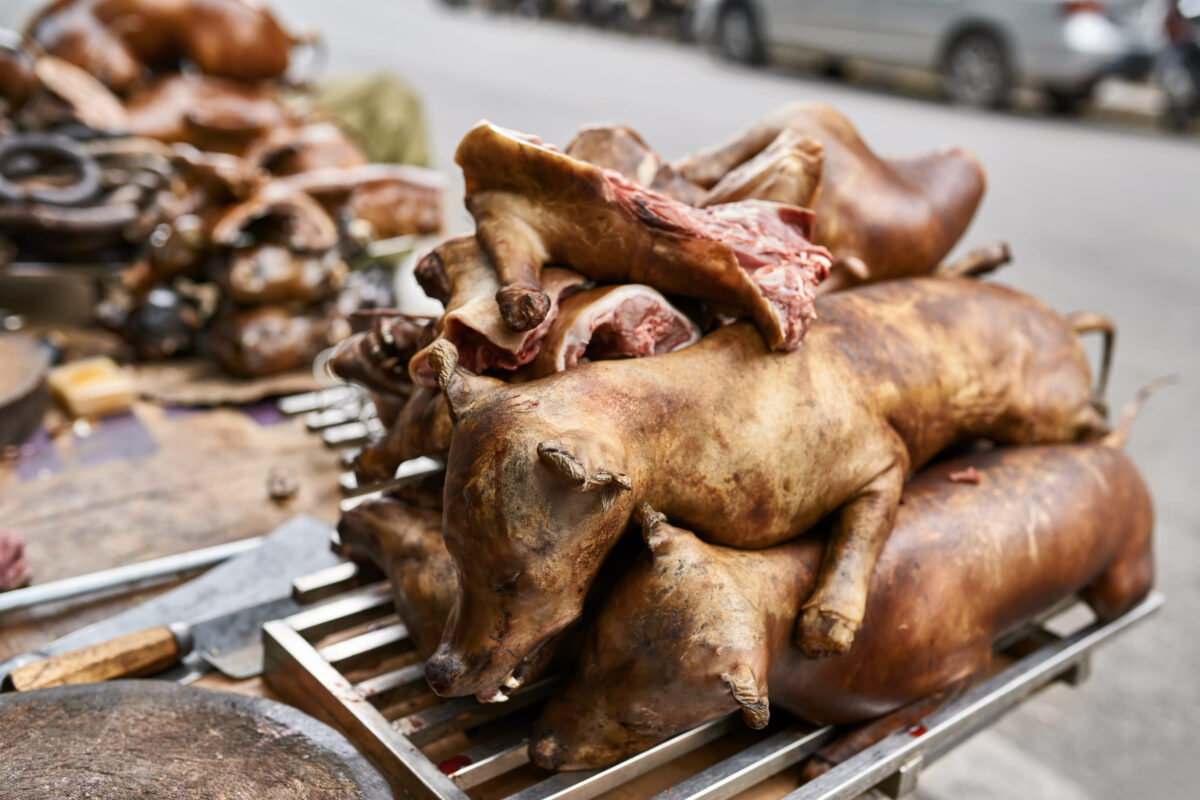
Dogs, regarded as beloved companions in American households, are universally viewed as pets rather than livestock. In the U.S., consuming dog meat has always been associated with cultural taboos and ethical concerns. Historically, dog meat was consumed by indigenous groups in certain parts of the U.S. and by early settlers, but the practice faded out over time.
By the 20th century, as animal rights and pet ownership gained prominence, eating dogs became increasingly unthinkable to most Americans. The passing of various state laws, including bans on the sale and consumption of dog meat, solidified its place as a forbidden food. Though still consumed in some cultures worldwide, the practice is now heavily illegal in the U.S., especially after a 2018 federal law that prohibited the slaughter and consumption of dogs and cats for food.
Cat Meat
Much like dog meat, cat meat is another example of a food historically eaten but now illegal in the U.S. In pre-modern times, various cultures consumed cat meat, and even in rural American communities, cats were sometimes eaten in times of famine. However, the cultural shift toward viewing cats as pets and their association with companionship made them taboo as a food source.
In 2018, the U.S. passed legislation similar to the dog meat ban, making it illegal to slaughter, sell, or eat cats for food. This law was part of a broader effort to combat animal mistreatment and promote ethical treatment.
Whale Meat
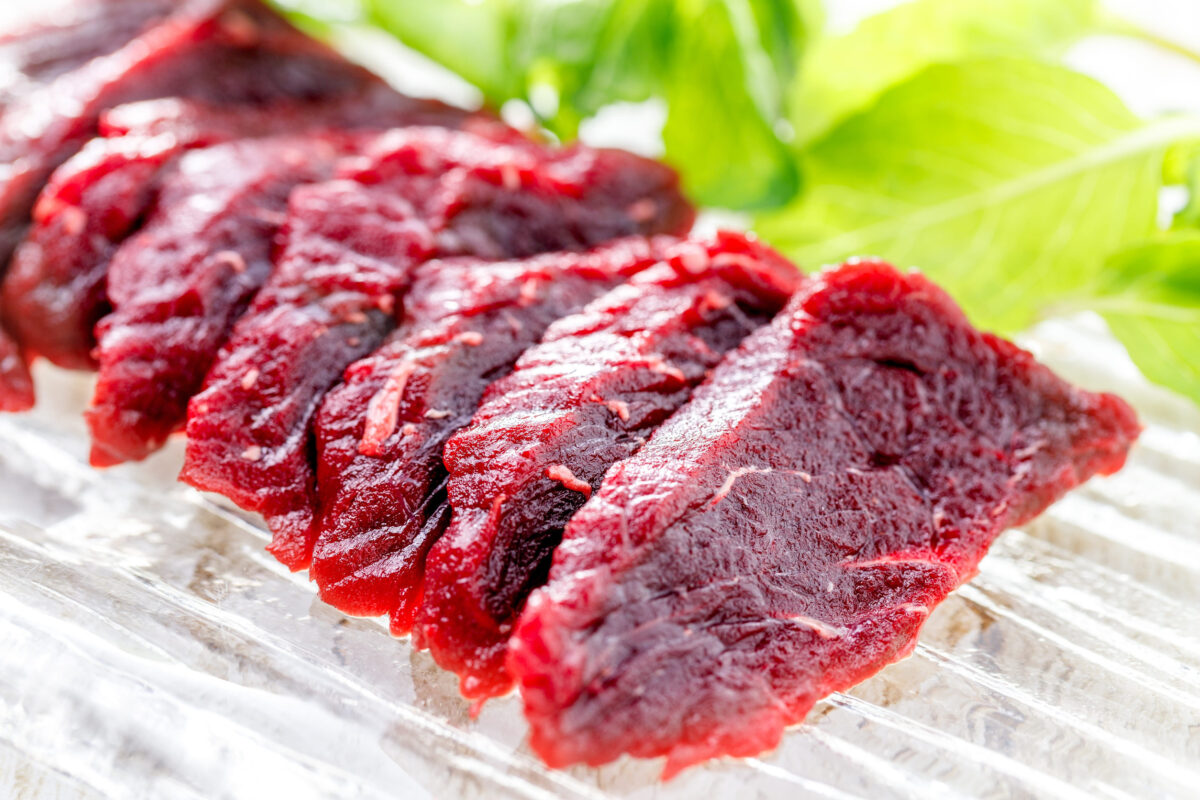
Whale meat was once consumed in coastal communities across the U.S., particularly in the 19th and early 20th centuries. Whaling was a prominent industry, and whale meat was part of the diet of many fishermen and sailors. However, as whale populations dwindled due to overhunting and the introduction of international protections, the consumption of whale meat became increasingly restricted.
By the mid-20th century, the U.S. banned commercial whaling, and as part of this, the hunting and consumption of whale meat became illegal. While there are still some reports of whale meat consumption in Alaska by native communities (under specific exemptions), it is illegal for most U.S. citizens to consume whale meat.
Balut (Fertilized Duck Eggs)
Balut, a delicacy popular in Southeast Asia, is a fertilized duck egg, often boiled and eaten with the partially developed embryo inside. While it’s considered a delicacy in many cultures, it’s not widely consumed in the U.S. This is partly due to cultural differences and the dish’s perceived unappetizing nature. While not technically illegal, its sale and consumption are subject to local health regulations, particularly in areas with high poultry safety standards.
In certain states, such as California, regulations heavily restrict the importation and sale of balut due to concerns about food safety and hygiene, especially given the challenges of maintaining fertilized eggs at the correct temperature during transport. Although some specialty stores in immigrant communities may still sell it, it remains largely inaccessible to the general American population.
Bear Meat
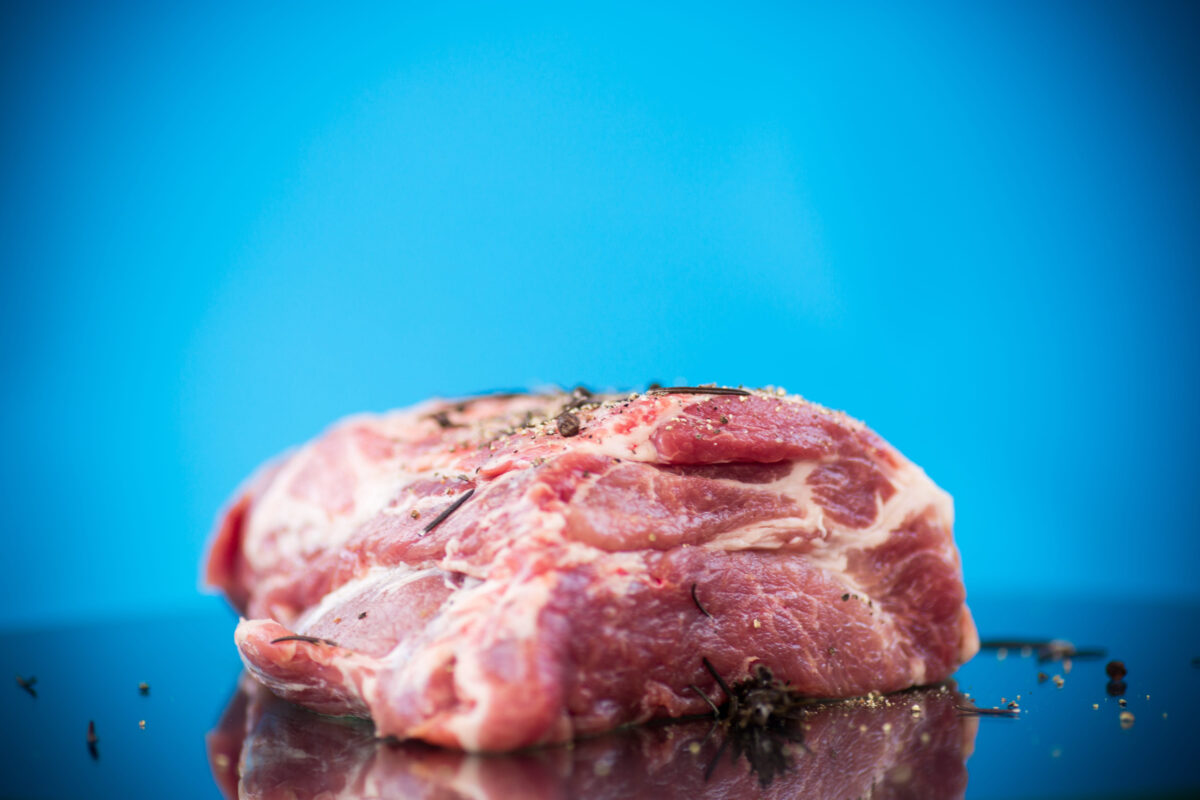
Bear meat was once eaten by settlers and indigenous peoples in North America. It’s a dark meat with a strong flavor, and in many regions, it was a primary source of protein, particularly in colder climates. However, bear populations have dwindled in some areas due to hunting pressure and habitat loss. As a result, the practice of hunting bears for meat has been restricted in many states.
In addition to ecological concerns, eating bear meat poses significant health risks, particularly the risk of trichinosis, a parasitic infection transmitted through undercooked meat. Due to these health risks and the protected status of certain bear species, the consumption of bear meat is illegal or heavily restricted in many parts of the U.S.
Civet Cat Meat
Civet cats, small carnivorous mammals, were once hunted for their meat in certain parts of the world, including the U.S., during the early 20th century. These animals were seen as a food source during times of scarcity. Today, the hunting and consumption of civet cats has become illegal in the U.S. due to conservation concerns and health risks.
In addition, civet cats are known carriers of diseases like the SARS virus, making the consumption of their meat particularly dangerous. Due to these factors, the sale and consumption of civet cat meat have been outlawed in the U.S. and many other countries worldwide.
Alligator Meat (In Some States)
While alligator meat is still available in some parts of the U.S., especially in southern states like Florida and Louisiana, it has been illegal to harvest and eat in others. Alligator populations were once severely threatened by overhunting and habitat destruction. In the 1970s, the U.S. government imposed restrictions on alligator hunting to protect the species.
Today, alligator hunting is regulated in states where it is allowed, and strict guidelines govern its harvest to ensure that alligator populations remain sustainable. However, in states where alligator populations remain at risk, hunting and consumption of alligator meat are illegal.
Bison (In Certain Areas)
Bison, once a symbol of the American West and a food source for many indigenous communities, were nearly driven to extinction by overhunting in the 19th century. Today, bison meat is legally consumed in the U.S. in areas where bison populations are protected, such as in national parks and reserves.
However, in some regions, hunting bison remains illegal due to conservation efforts. These efforts have been successful in some areas, and bison are now raised on farms for meat consumption. Despite this, hunting bison is still restricted in certain areas to preserve their populations.
Penguin Meat
Though penguins are not native to the U.S., there have been instances in history when explorers and settlers ate penguin meat during their travels to the Antarctic regions. However, consuming penguin meat is not only impractical in modern times but also illegal. Penguins are a protected species, and hunting them for food is banned under the Antarctic Treaty System.
Any attempt to consume penguin meat in the U.S. would likely face severe legal consequences due to international wildlife protection laws. As a result, penguin meat has been removed from modern American cuisine.
Koala Meat
Koalas, the beloved marsupials of Australia, were once consumed by early settlers and indigenous groups. However, as koala populations dwindled due to habitat destruction, they were protected. In the U.S., it is illegal to import or consume koala meat.
Koalas are now a symbol of conservation efforts in Australia, and hunting them for meat is strictly prohibited. Although koala meat was once part of the Australian food scene, it is now considered taboo due to efforts to protect this iconic animal.
Beaver Meat
Beaver meat was once consumed in North America, particularly during the fur trade era. The meat is lean and has a flavor similar to venison. However, as the beaver population dwindled due to overtrapping, hunting beavers for meat became illegal in many states.
Beaver populations have rebounded in certain areas, and beavers are now primarily regarded as a species to be protected, rather than a food source. As such, the consumption of beaver meat is now restricted or illegal in many parts of the U.S.
Snake Meat
While snake meat is still eaten in some parts of the world, it is illegal in many regions of the U.S. due to dwindling populations of certain snake species. Additionally, concerns about the spread of diseases, such as Salmonella, from consuming undercooked snake meat have led to restrictions on its sale and consumption.
In states where snakes are considered a protected species, consuming snake meat is prohibited. However, in some regions, particularly in the southern U.S., snake meat is still considered a delicacy, though its legality varies by state.
Conclusion
The meats that once graced American tables have largely disappeared due to a combination of ethical considerations, ecological concerns, and health risks. While some of these animals are still eaten in other parts of the world, the U.S. has embraced a cultural shift toward more sustainable, ethical, and health-conscious dietary choices.
Whether it’s the beloved dog, the iconic horse, or the more exotic civet cat, these meats have become illegal for a variety of important reasons, reflecting the changing landscape of food, culture, and conservation. As we continue to evolve as a society, so too will the foods we choose to consume, and the once-consumed meats may continue to serve as a fascinating part of our culinary history.