Foods to Avoid During Heavy Periods That Can Make Cramps, Bloating, and Fatigue Feel Worse
Heavy periods bring more than just bleeding. Cramps, bloating, low energy, headaches, cravings, digestive problems, and frequent changes of products can make things feel much worse. Finding ways to manage these symptoms really matters.
Diet by itself cannot stop heavy menstrual bleeding, which often has medical causes. Still, making smart food choices can help ease inflammation, bloating, tiredness, and discomfort during heavy periods.
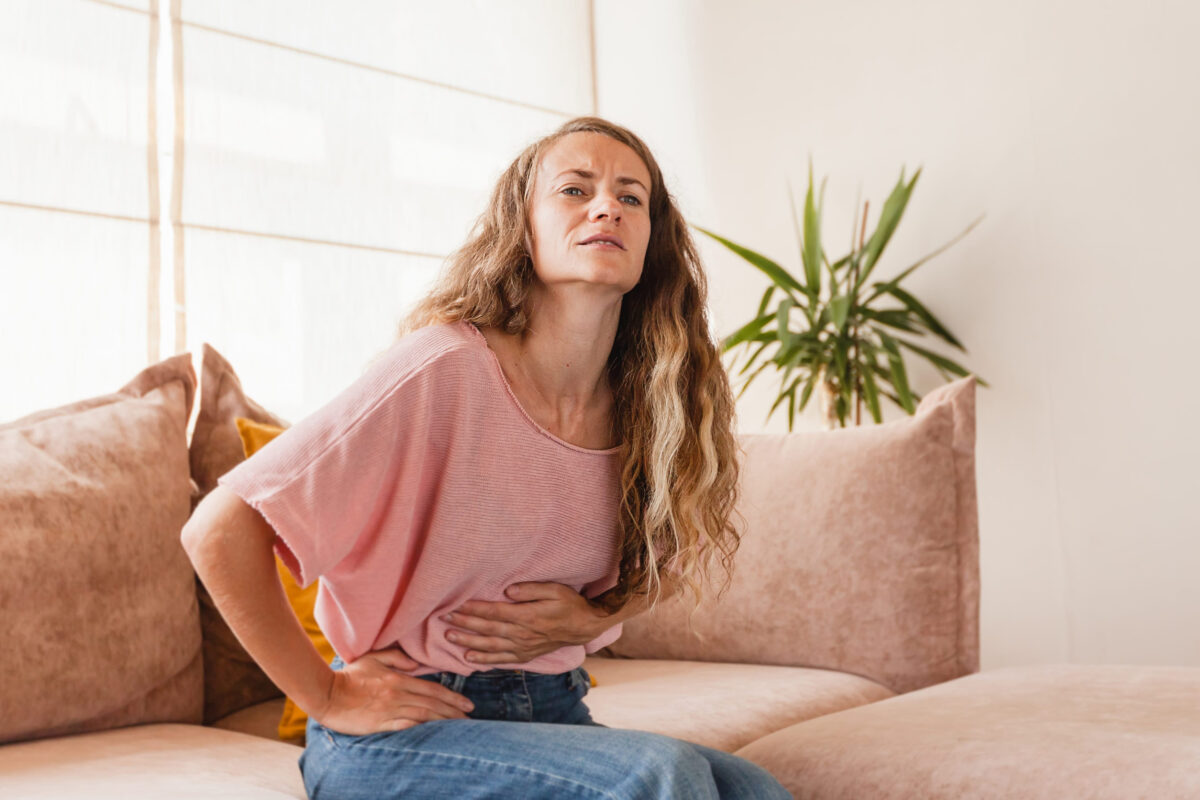
The CDC lists signs of heavy menstrual bleeding as needing to change a pad or tampon in less than two hours, soaking through one or more pads or tampons every hour for several hours, bleeding longer than seven days, passing clots the size of a quarter or larger, or having a flow that disrupts normal life. ACOG gives similar warning signs, including bleeding that lasts more than seven days or soaks through one or more pads or tampons every hour.
Can Food Make Heavy Periods Worse?
Food alone does not cause heavy menstrual bleeding, but it can make period symptoms worse. Salty foods can lead to more water retention and bloating. Too much sugar can make your energy crash. Alcohol can mess with your sleep and hydration. A lot of caffeine might make you feel anxious, jittery, or worsen cramps, although studies on caffeine and PMS show mixed results.
A helpful approach is to cut back on foods that make cramps, bloating, inflammation, tiredness, digestive problems, or iron loss worse during heavy periods. The goal is to support your body, not to punish yourself.
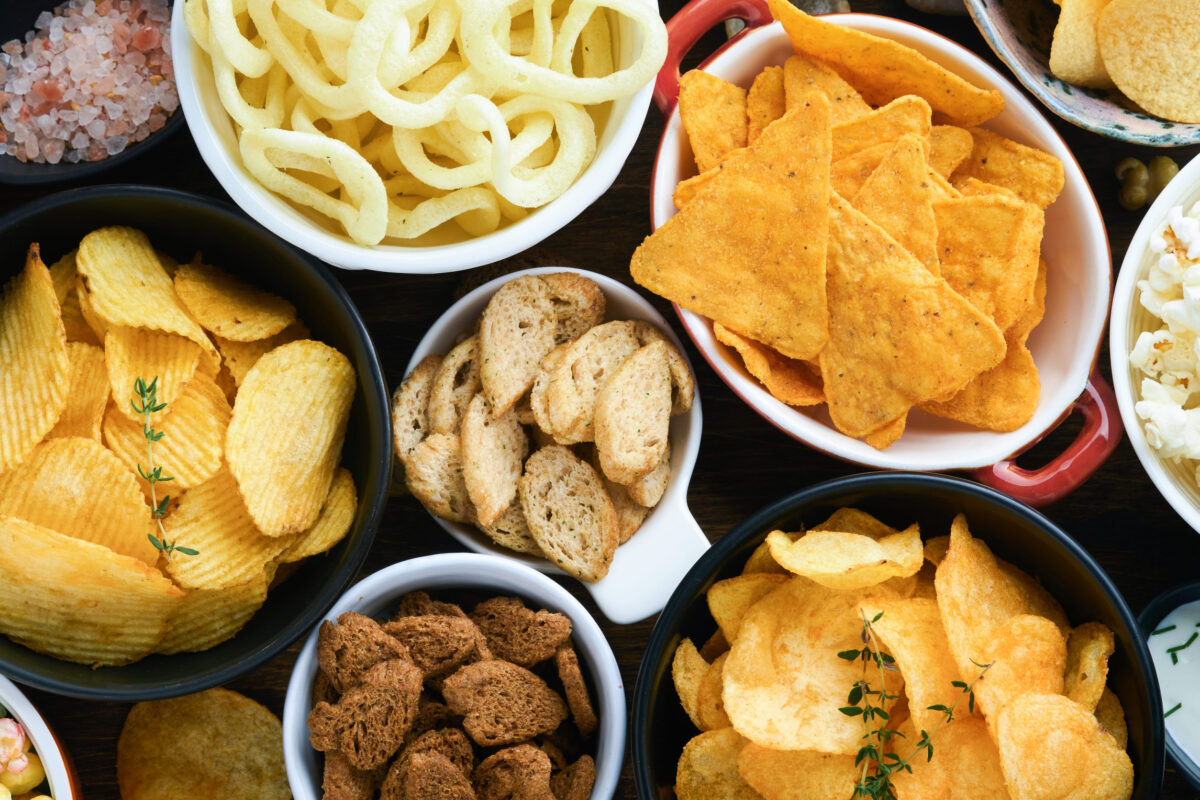
Salty Processed Foods
Chips, instant noodles, fast-food fries, deli meats, frozen meals, canned soups, and packaged sauces can make period bloating feel much worse. Because they are high in salt, your body holds onto more water, which increases bloating and swelling during your period. The Mayo Clinic suggests cutting back on salt to help with premenstrual water retention.
This matters even more during a heavy period, when bloating adds pressure to your belly and pelvis. Salty foods will not make you bleed more, but they can make you feel more uncomfortable and swollen. The FDA recommends adults keep sodium under 2,300 mg a day, but most people in the U.S. eat about 3,400 mg.
Sugary Snacks and Desserts
Candy, pastries, soda, sweet cereals, cookies, and sugary coffee drinks might feel comforting for a moment, but they often lead to energy crashes. Heavy periods can make this tiredness even worse, and eating too much added sugar can mean you miss out on important nutrients like iron, magnesium, fiber, and protein.
The American Heart Association suggests keeping added sugar to 100 calories a day, or about six teaspoons. You do not have to avoid all sweet foods, but during heavy periods, it is best not to eat a lot of sugar, especially if you are dealing with cramps, mood swings, headaches, or tiredness.
Refined Carbohydrates
White bread, pasta, crackers, pastries, breakfast bars, and many boxed cereals are digested quickly, so you feel hungry again soon after eating them. During a heavy period, this can make tiredness and cravings worse. Your body does better with steady energy, not snacks that burn off fast.
Whole grains take longer to digest and give you fiber, B vitamins, and minerals. Foods like oats, brown rice, quinoa, whole-grain toast, barley, sweet potatoes, and beans help keep your energy steady. This steady energy is important when heavy bleeding affects your iron, focus, and stamina.
Too Much Coffee and Energy Drinks
Coffee is not always a problem during your period. Some people drink it without any trouble. Research on caffeine and period symptoms is mixed, and some studies do not find a clear link between caffeine and PMS.
Heavy periods affect more than just bleeding. They can mess with your sleep, nerves, hydration, cramps, and headaches. Energy drinks or strong coffee can make you feel more jittery, stressed, or upset your sleep and stomach if you are sensitive. Cutting back on caffeine can help. Try a smaller coffee, half-caf, green tea, or herbal tea on heavy days.
Alcohol
Alcohol is not a good choice during a tough period week because it can hurt your sleep, hydration, mood, and recovery. The CDC warns that drinking too much alcohol is bad for your health, and period symptoms can feel even harder to handle when you are already tired.
Drinking alcohol often means you skip healthy meals and crave salty, greasy foods late at night. This can make bloating, stomach pain, headaches, and next-day tiredness worse during heavy bleeding, leaving your body feeling less rested and cared for.
Fried and Greasy Foods
Fried chicken, fries, onion rings, greasy pizza, doughnuts, and deep-fried snacks can feel heavy in your stomach. Since they have refined carbs, lots of salt, and unhealthy fats, these foods often make bloating and cramps worse.
Diets high in sugar, salt, oils, and processed foods can make menstrual cramps worse. Eating fried foods once in a while is not a big deal, but having them often during heavy periods can make you feel less comfortable and slow down your recovery.
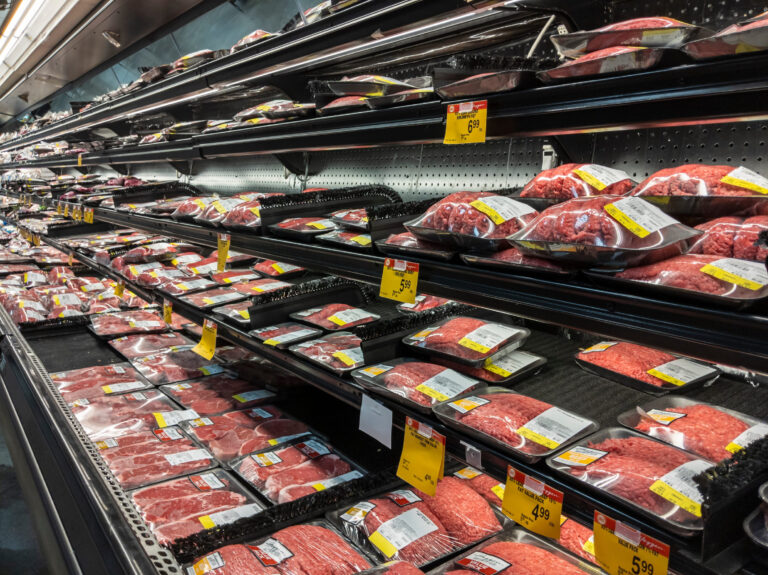
Excess Fatty Red Meat
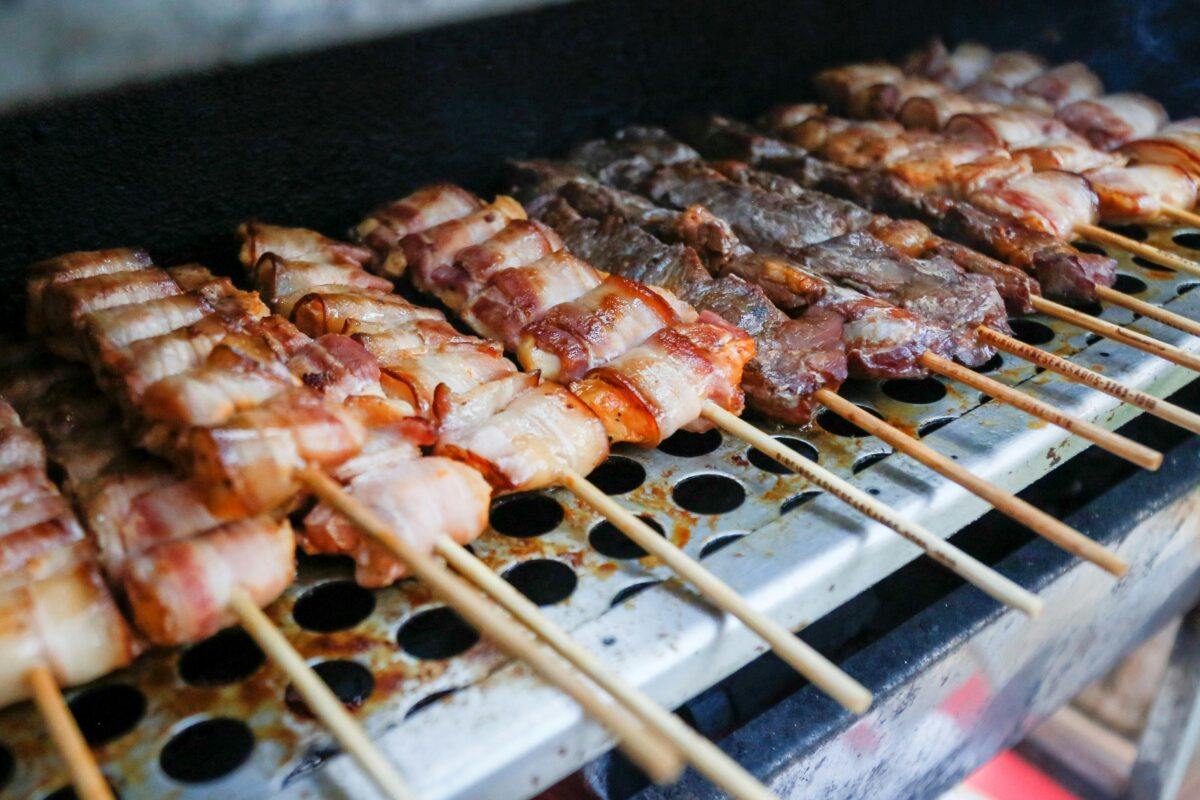
Red meat needs a fair discussion. It can provide heme iron, which is useful because heavy menstrual bleeding can increase the risk of iron deficiency and anemia. Mayo Clinic notes that heavy menstrual bleeding may lower iron levels and lead to iron deficiency anemia, with symptoms such as tiredness and headaches.
The problem is eating too much. Large servings of fatty red meat with fried sides and little fiber can increase inflammation and slow digestion for some people. Better choices include lean beef, turkey, eggs, lentils, beans, tofu, sardines, salmon, spinach, and iron-fortified foods, which usually do not cause these issues. To help your body absorb plant-based iron, eat it with foods rich in vitamin C, like oranges, strawberries, bell peppers, or tomatoes.
Dairy That Triggers Your Symptoms
Some people have no trouble with yogurt, milk, or cheese, but others get bloated, have loose stools, constipation, or stomach cramps during their period after eating dairy. Notice if these symptoms get worse for you when you eat dairy during your period.
TThe best rule is to listen to your body. If dairy makes your stomach feel worse during heavy flow, cut back for a few days and try other options. Lactose-free dairy, fortified plant milks, calcium-set tofu, leafy greens, and canned salmon with bones can help you get enough carbonated Drinks
Soda, sparkling water, fizzy energy drinks, and carbonated cocktails can cause more gas and bloating making you feel worse during your period. This is especially true if you already have cramps and bloating.
Sugary sodas combine carbonation and added sugar, which worsen energy fluctuations during heavy periods. Still water, warm tea, cucumber water, lemon water, or coconut water are gentler choices.
Spicy Foods
Spicy foods like hot peppers, spicy wings, fiery noodles, and strong chili sauces can upset your stomach. They might cause diarrhea, nausea, heartburn, or cramps for some people during their period. These symptoms can make your period feel even worse.
On your heaviest flow days, it is best to pick warm, gentle foods that are easy on your stomach. Ginger, garlic, turmeric, cinnamon, mild curry, broth-based soups, rice bowls, and roasted vegetables give you flavor without upsetting your digestion. Ultra-Processed Packaged Foods
Packaged snack cakes, processed meats, pastries, granola bars, instant meals, chips, and convenience foods are often high in sodium, sugar, refined carbs, and low-quality fats, which can worsen fatigue or bloating during heavy periods. They are often low in iron, magnesium, potassium, protein, and fiber, nutrients that support energy and symptom relief.
The problem is not having one snack, but depending on ultra-processed foods during your period. Heavy bleeding means your body needs to be replenished, and these foods satisfy cravings but do not really help your body recover.
What to Eat Instead During Heavy Periods
The best diet for heavy periods gives you steady, nutrient-rich support. It helps reduce cramps, tiredness, and discomfort, while keeping up your iron, hydration, digestion, and energy.Iron-rich foods matter most because heavy menstrual bleeding increases the risk of iron deficiency. The Office on Women’s Health explains that iron helps the body make hemoglobin, the part of red blood cells that carries oxygen. Good options include lean meat, poultry, eggs, beans, lentils, spinach, tofu, iron-fortified cereals, pumpkin seeds, and seafood.
Foods high in magnesium can help your muscles and nerves work well. Good choices include pumpkin seeds, almonds, cashews, dark chocolate, spinach, avocado, black beans, and oats. Omega-3-rich foods like salmon, sardines, chia seeds, flaxseeds, and walnuts can also help reduce inflammation.
Staying hydrated is important too. Heavy periods can leave you feeling drained, and being dehydrated can make headaches, constipation, and tiredness worse. Drinking water, herbal tea, soups, smoothies, coconut water, and eating water-rich foods like watermelon, oranges, cucumbers, and berries can help.
Heavy Period Meal Ideas That Feel Good
A strong breakfast could be oatmeal with berries, chia seeds, pumpkin seeds, and a spoon of peanut butter. That gives fiber, magnesium, healthy fats, and steady energy without a sugar crash.
For lunch, try a lentil bowl with brown rice, spinach, roasted sweet potatoes, tomatoes, and a lemon dressing. Lentils and spinach give you plant-based iron, and the lemon adds vitamin C to help your body absorb it.
Dinner could be salmon with quinoa, sautéed greens, avocado, and roasted carrots. This meal gives you protein, omega-3 fats, fiber, potassium, and nutrients that support iron, without the bloated feeling that salty takeout can cause.
For a snack, try Greek yogurt with berries, a boiled egg with fruit, hummus with veggies, trail mix, or whole-grain toast with avocado. These options help you avoid the shaky hunger that can lead to eating too much sugar and salt.
When Heavy Periods Need Medical Care
Diet can support comfort, but it cannot replace medical care for heavy menstrual bleeding. A period that soaks through protection every hour, lasts longer than seven days, produces large clots, causes shortness of breath, leads to dizziness, or disrupts normal life needs proper evaluation. The NHS also lists changing pads or tampons every one to two hours, bleeding through clothes or bedding, clots larger than about 2.5 cm, tiredness, and shortness of breath as signs linked to heavy periods.
Heavy bleeding can also drain iron over time. If fatigue feels unusual, skin looks paler than normal, headaches increase, the heart races, or stairs suddenly feel harder, iron deficiency should be considered. A clinician can check blood count, ferritin, hormones, thyroid function, fibroids, polyps, endometriosis, bleeding disorders, or other causes.
Conclusion
The worst foods during heavy periods are usually the ones that make you feel even worse. Salty processed foods can make bloating worse. Sugary snacks can make you more tired. Too much caffeine can mess with your sleep and nerves if you are sensitive. Alcohol, fried foods, carbonated drinks, spicy meals, and ultra-processed snacks can leave you feeling more inflamed, gassy, tired, and uncomfortable.
Eating well during your period does not have to be complicated. Make meals with iron-rich foods, vitamin C, whole grains, protein, fruits, vegetables, healthy fats, water, and soothing warm drinks. Food will not stop heavy bleeding, but the right choices can make your week feel less tough, less bloated, and easier to handle.