These Early Stroke Warning Signs Can Look Ordinary Until They’re Not

A stroke does not always arrive like thunder. Sometimes it enters the room quietly, through a crooked smile, a dropped cup, a strange sentence, or a dizzy spell that feels easy to explain away.
That is what makes it so dangerous. Many people wait because they hope the symptom will pass, blame it on stress, or convince themselves they are too young, too healthy, or too busy for an emergency.
Stroke warning signs need speed, not guesswork. The faster someone gets medical help, the better the chance of limiting damage and improving recovery.
A Face That Suddenly Droops on One Side
One of the clearest warning signs is a sudden change in the face. The person may smile, with only one side lifting, or one side of the mouth may sag in an unusual way.
This can happen quickly, even during a normal conversation. Ask the person to smile if something feels wrong, but do not turn it into a long home test. A drooping face can be a stroke sign, and emergency help should come first.
One Arm Feels Weak, Heavy, or Numb

Arm weakness can look small at first. A person may drop a phone, struggle to lift a cup, or say one arm feels strangely heavy. The warning becomes stronger when the weakness affects one side of the body.
Ask them to raise both arms. If one arm drifts downward or cannot rise properly, treat it as urgent. Even if they say they feel fine, sudden one-sided weakness is not something to sleep off.
Speech Turns Slurred, Strange, or Confused
A stroke can interrupt speech in ways that are frightening to watch. A person may slur words, speak slowly, use the wrong words, or sound confused even though they were clear a few minutes earlier.
Sometimes they understand you but cannot answer correctly. Other times, they may stare as if language has slipped out of reach. Ask them to repeat a simple sentence, then call emergency services if their speech sounds wrong.
Sudden Trouble Seeing
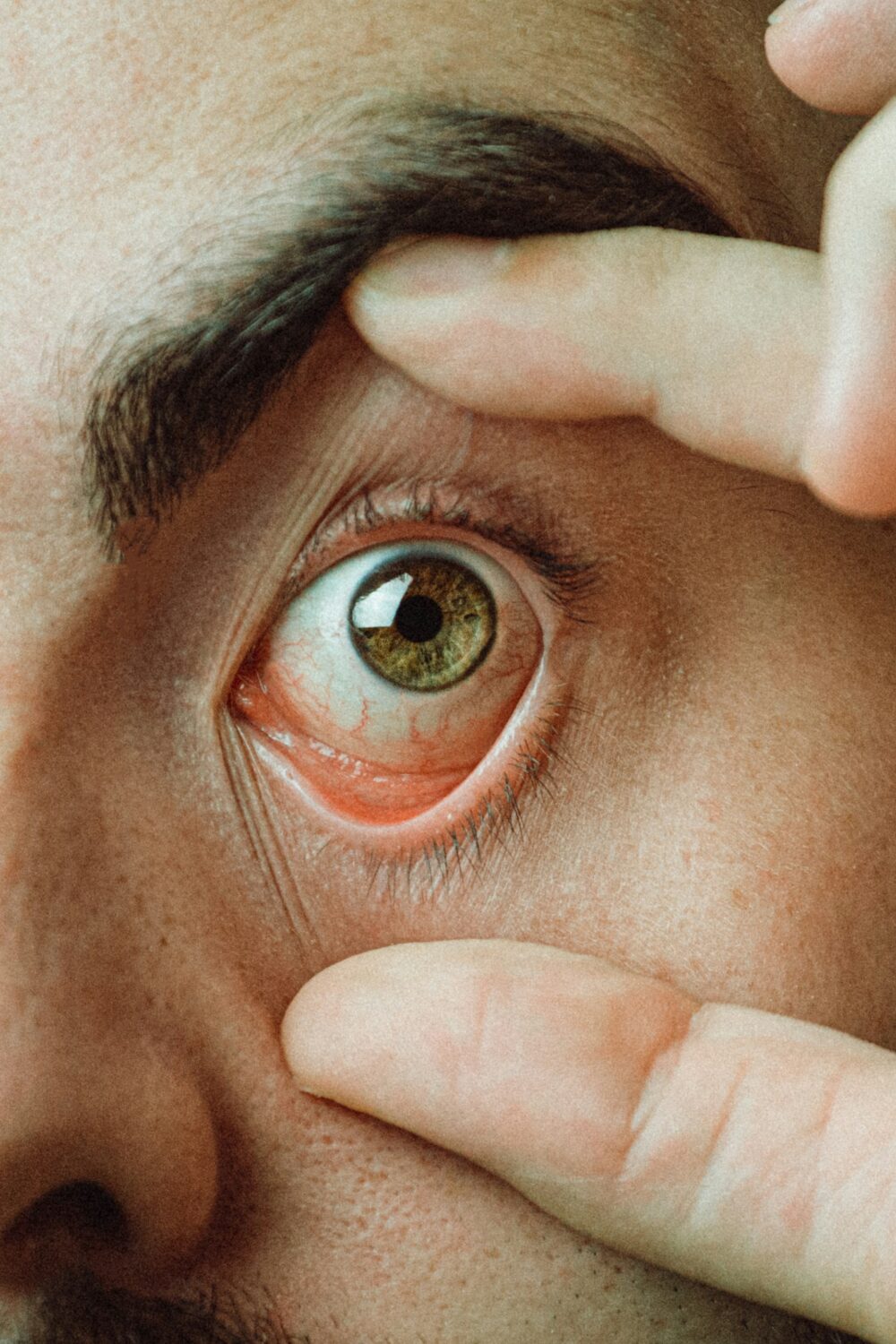
Vision changes can be easy to misread. A person may complain that one eye is blurry, both eyes feel strange, or part of the room seems to disappear. They may also see double or struggle to focus.
Because vision problems can have many causes, people often delay treatment. That delay can be costly. A sudden change in sight, especially with weakness, dizziness, or speech trouble, should be treated as a medical emergency.
Loss of Balance or Sudden Dizziness
Everyone gets dizzy now and then, but stroke-related balance problems often feel sudden and unusual. A person may stumble, sway, fall, or seem unable to walk straight.
This can be especially confusing because it may look like tiredness, dehydration, or even clumsiness. If balance loss appears suddenly, especially with vision changes or weakness, do not wait for it to “settle.”
A Severe Headache With No Clear Cause

A sudden, intense headache can be another red flag, especially when it feels different from the person’s usual headaches. Some people describe it as explosive, overwhelming, or unlike anything they have felt before.
The concern grows when the headache is accompanied by vomiting, dizziness, confusion, fainting, weakness, or vision changes. A severe headache with no clear cause should never be brushed aside when stroke is possible.
Numbness on One Side of the Body
Numbness can be sneaky because it does not always look dramatic. A person may say their face feels odd, one hand feels asleep, or one leg feels disconnected from the rest of the body.
The keyword is sudden. Sudden numbness on one side of the body can indicate a stroke, even if the person can still talk or move. Do not wait for more symptoms before taking action.
Confusion That Appears Out of Nowhere
Stroke can also show up as sudden confusion. Someone may not understand basic questions, forget where they are, struggle to follow instructions, or seem unusually lost in a familiar setting.
This warning sign is often mistaken for stress, panic, tiredness, or age-related forgetfulness. The difference is the sudden shift. If a person becomes confused without warning, especially with other symptoms, emergency care is needed.
Symptoms That Disappear Still Matter
One dangerous mistake is relaxing when symptoms fade. A brief episode of weakness, speech trouble, numbness, or vision loss may still signal a transient ischemic attack, often called a mini-stroke.
The word “mini” can make it sound harmless, but it is not. Temporary symptoms can be a serious warning that a bigger stroke may follow. Even if the person looks normal again, they still need urgent medical attention.
What to Do When Stroke Signs Appear
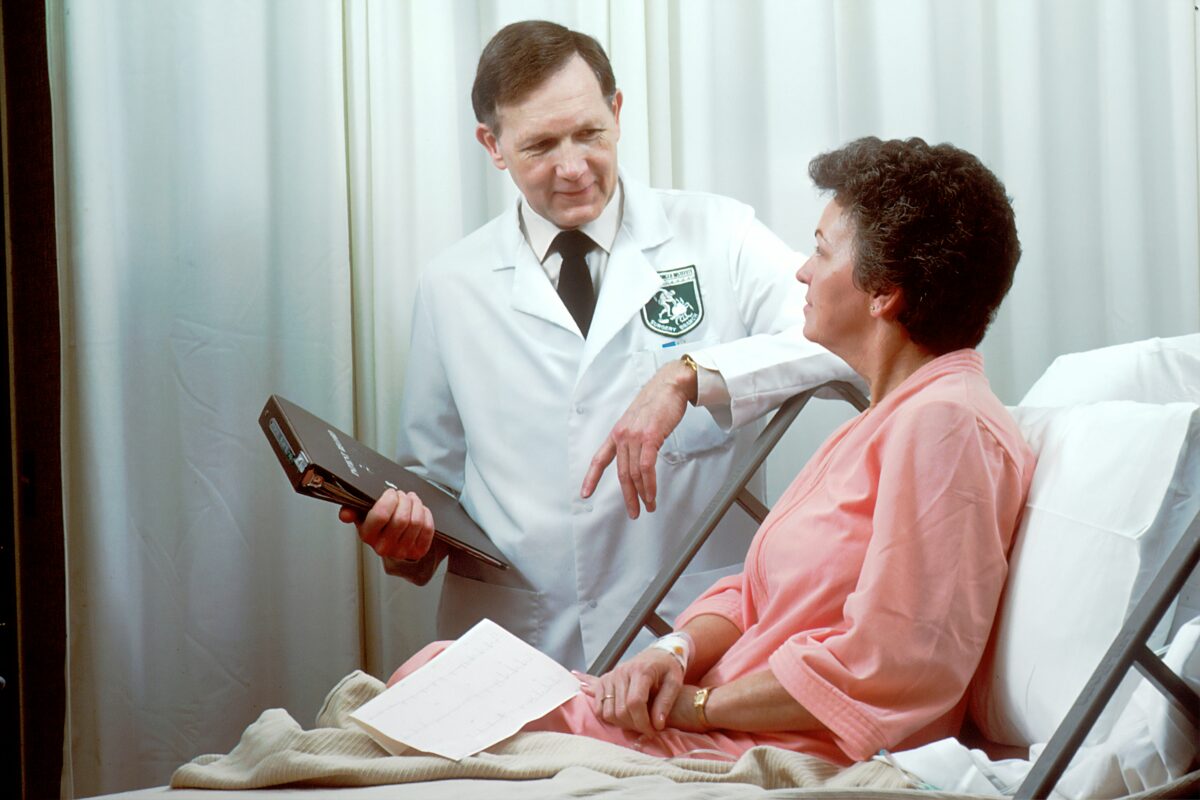
Do not drive the person yourself if emergency services are available. Call for help immediately and note the time symptoms started. That timing can help doctors decide which treatments may be safe and useful.
Keep the person calm, seated, or lying safely, and do not give food, drink, or medication unless a medical professional tells you to. Stroke is a race against time, and hesitation can steal precious minutes.
The Takeaway
Stroke signs are not always dramatic, but they are often sudden. A crooked smile, weak arm, strange speech, lost balance, vision trouble, severe headache, numbness, or confusion can be the body’s alarm bell.
The safest rule is simple. If something changes suddenly and feels wrong, treat it as urgent. Waiting to be sure can be the most dangerous decision in the room.