9 Boomer Favorites That Younger Generations Don’t Seem to Respect
Modern life does not always ask permission before it erases what people once loved. It just updates the app, closes the counter, removes the human cashier, cancels the printed copy, and tells everyone to scan a code if they want to keep up. For many Boomers, that can feel less like progress and more like being slowly pushed out of the world they helped build.
Younger generations may call it convenience, but not every old habit deserves to be mocked into extinction. Some of these Boomer favorites are slower, yes, but they are also more personal, more reliable, and sometimes more human than the digital replacements taking over. The fight is not really about nostalgia; it is about whether modern life is improving everything or simply deleting whatever cannot be monetized through a screen.
Landline phones that actually stayed in one place

Landline phones once gave the home a kind of anchor. People knew where the phone was, families shared it, and calls felt intentional because nobody carried the device into every room, store, bed, and dinner conversation. To many Boomers, the landline was not just old technology; it was a dependable household fixture.
Modern life has nearly turned it into a museum piece. Smartphones do more, but they also bring spam calls, dead batteries, cracked screens, app alerts, and the quiet pressure to be reachable every second. A landline may look outdated now, but there is something almost luxurious about a phone that only did one job and did not follow people into the bathroom.
Handwritten cards that felt like real effort
A handwritten card carries something a text message cannot fake. It shows someone sat down, chose words, held a pen, addressed an envelope, and created a small object that could be saved in a drawer for years. Boomers understand that kind of effort because they came from a time when communication had more weight.
Now, birthdays, condolences, thank-you notes, and holiday wishes often arrive as quick messages, emojis, or copied captions. It is faster, but it can also feel thinner. A handwritten card may seem old-fashioned, but it says something modern convenience often forgets to say: you were worth more than a five-second reply.
Printed newspapers that made mornings feel slower.
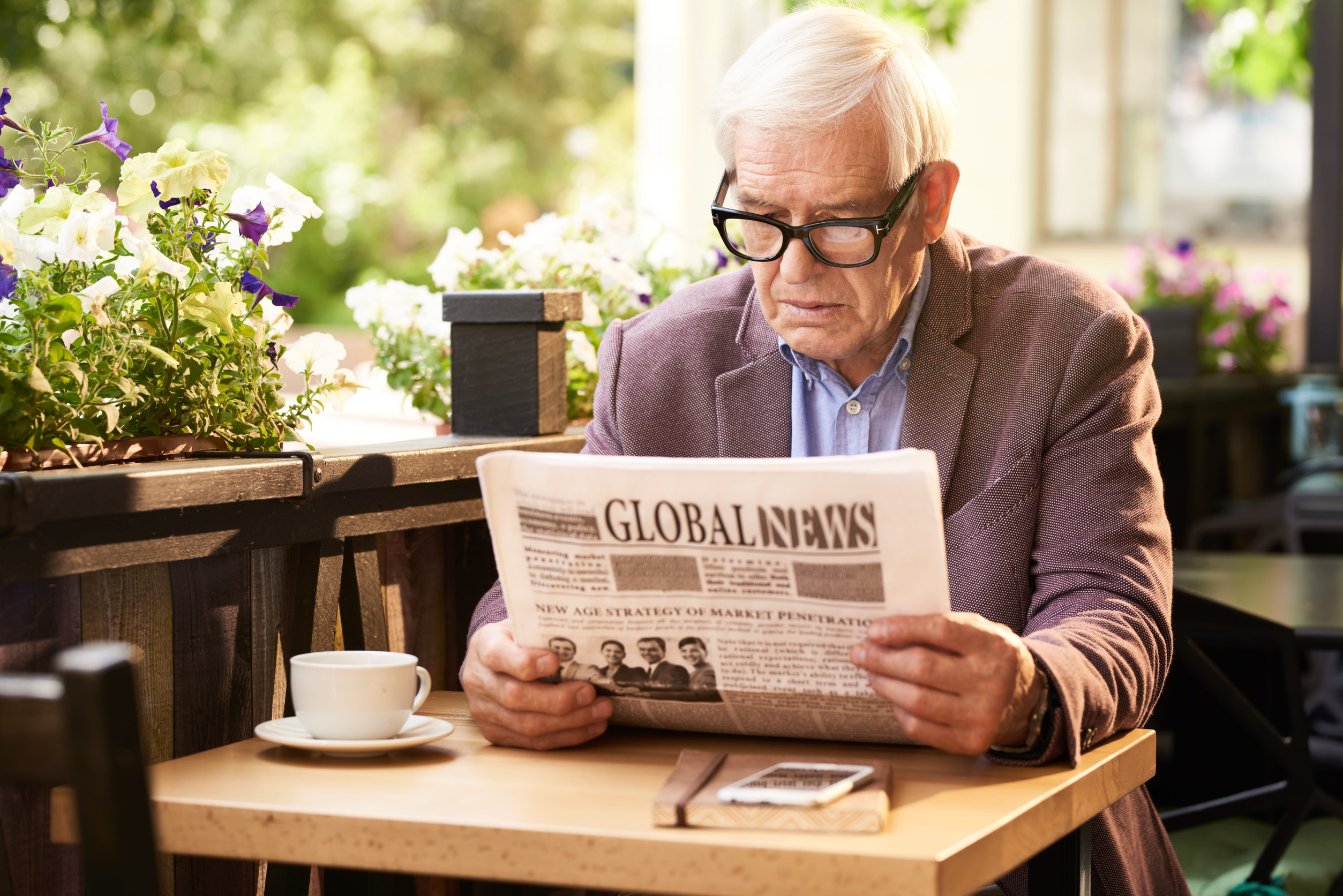
There was a rhythm to opening a newspaper that scrolling can never fully copy. The pages had weight, the headlines had space, and the reader could move through the world without a comment section screaming underneath every story. Boomers who still love print are not always refusing technology; they may simply miss a version of news that did not feel like being shoved into a digital fight.
Modern news moves faster, but faster does not always mean better. A printed newspaper gave people a beginning and an end, while online news keeps refreshing like anxiety with WiFi. The old paper on the breakfast table may seem outdated, but at least it did not beg for clicks every eight seconds.
Cash that did not need a password
Cash has a directness that digital payments can never fully replace. You hand it over, the transaction ends, and nobody needs an app, a phone signal, a bank alert, or a forgotten password. Boomers who still like cash often appreciate the control because money feels more real when it leaves the wallet.
Modern payment systems are fast but also fragile. Cards get declined, apps crash, phones die, and some businesses quietly make it harder for people who do not want every purchase turned into a data point. Cash may seem old school, but it still works when technology decides to act dramatically.
Paper maps that did not spy, glitch, or reroute for no reason

Before GPS, drivers had to understand roads, landmarks, exits, and directions instead of blindly obeying a voice from a dashboard. Paper maps required patience, but they also gave travelers a better sense of where they actually were. Boomers who still appreciate them know there is a difference between navigating and simply being told where to turn.
Modern GPS is convenient until the signal drops, the route gets weird, or the app sends someone through a neighborhood that looks like a mistake in real time. Paper maps did not track location, drain a phone battery, or interrupt the trip with ads and popups. They may not feel modern, but they gave drivers something many people have quietly lost: confidence without constant digital supervision.
Customer service with an actual human being
There was a time when solving a problem did not require yelling into a phone until a machine finally gave up. People could walk to a counter, explain an issue, and speak to someone with a name, a face, and sometimes the authority to fix it. Boomers who miss human customer service are not being difficult; they are remembering a time when companies still acted reachable.
Modern customer service often feels like a test of emotional endurance. Chatbots loop, phone menus stall, emails vanish, and companies keep replacing people with systems that apologize beautifully while solving nothing. The old way was not always perfect, but at least frustration had a human target and sometimes a human solution.
Physical photos that did not disappear into a cloud

Printed photos made memories visible. They lived in albums, frames, wallets, shoeboxes, and hallway walls, where people could stumble upon them without having to search for a device. Boomers often understood photos as keepsakes, not just content waiting to be posted, liked, or buried under thousands of forgotten screenshots.
Modern phones may hold more pictures than any album ever could, but that abundance can make memories feel strangely disposable. People take 20 photos of a single moment, then rarely look at any of them again. A printed photo may fade over time, but at least it exists outside a password nobody remembers.
Cable TV that did not require a subscription puzzle
Cable TV was never perfect, but at least people knew where their shows were. You turned on the television, checked the guide, flipped through channels, and found something to watch without hunting through five different streaming apps. Boomers who still love cable may not be clinging to the past as much as rejecting the chaos of modern entertainment.
Streaming promised freedom, then slowly became a maze of price hikes, password rules, disappearing shows, and platforms splitting content into expensive little kingdoms. People cut the cord, then somehow ended up paying for several new cords with better branding. Cable may look old now, but at least it did not make every movie feel like a scavenger hunt.
Stores where shopping felt like a social act

Boomers remember when shopping was not only about buying something as quickly as possible. It was a reason to get out of the house, talk to clerks, compare items in person, run into neighbors, and make an ordinary errand into a small event. Stores were not just places of purchase; they were part of the social map.
Online shopping is convenient, but it has made daily life more isolated in ways people do not always notice. Packages appear, stores close, malls empty out, and another small human interaction disappears from the week. Modern life may call that efficiency, but it is fair to ask how much connection people are willing to lose in exchange for faster delivery.