8 Jobs Americans Thought Were Safe Until AI Showed Up
AI did not kick the office door open. It walked in quietly, smiled politely, and asked if anyone needed help with emails, reports, coding, research, invoices, designs, customer complaints, and yesterday’s unfinished work.
At first, everyone called it a tool. Then the tool started doing the tasks that used to justify entire job descriptions.
That is the part making American workers nervous. AI is not only chasing factory jobs or repetitive warehouse tasks. It is sitting inside laptops, dashboards, customer service portals, design apps, legal databases, HR software, and accounting systems.
The careers once sold as “safe” now feel less protected, especially when companies can cut hours, shrink teams, or expect one employee to do the work of three with an AI assistant glowing on the screen.
Customer service representatives

Customer service used to feel safe because people never ran out of problems. Packages disappear. Passwords fail. Bills look strange. Flights get canceled. Subscriptions refuse to cancel quietly.
For years, companies needed human representatives to calm people down, find answers, and keep customers from walking away angry.
Then AI chatbots arrived like the tireless employee no one invited to lunch. They can answer basic questions, reset passwords, track orders, explain policies, and apologize in a tone that sounds almost human enough to be annoying.
The job is not disappearing overnight, but the easy first layer of customer service is shrinking. That leaves human workers with the messier calls, angrier customers, and the complicated cases that the bot cannot handle.
The danger is clear. AI may not replace every customer service worker, but it can make companies believe they need fewer of them.
Copywriters and content writers
Writers used to comfort themselves with one sweet thought. Machines could calculate, but they could not create.
Then AI started writing emails, blogs, product descriptions, captions, ad copy, newsletters, scripts, summaries, and headline options before a human writer had finished making coffee. Suddenly, the blank page was no longer a writer’s private battlefield.
The scary part is not that AI writes perfectly. It does not. It repeats itself, misses nuance, invents details, and sometimes sounds like a very confident intern wearing a cheap suit. The problem is that many companies do not need perfection.
They need fast, cheap, and acceptable. That puts low-level, repetitive, template-heavy writing in danger. The writers who survive will be the ones who bring taste, reporting, strategy, humor, judgment, and a voice people can actually feel. AI can fill a page. A strong writer can make someone care.
Paralegals and legal assistants
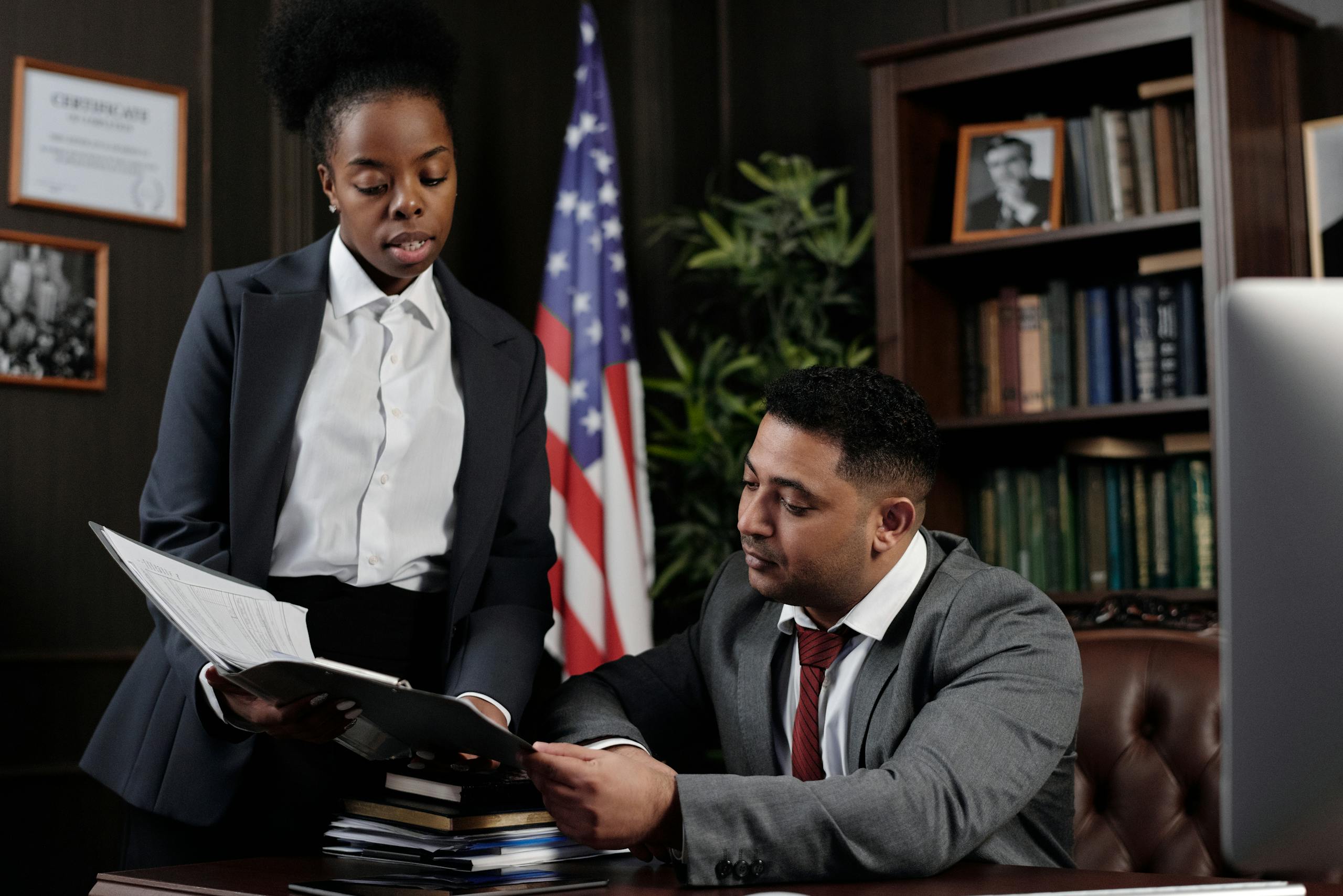
Legal work once looked protected behind a wall of complexity. Contracts, motions, filings, discovery, case law, citations, and court deadlines seemed too detailed for automation to touch.
Then AI began reading documents, summarizing cases, comparing clauses, organizing evidence, and pulling useful patterns from mountains of legal text.
That does not mean law offices can hand the keys to a robot and go home. Legal work still needs accuracy, ethics, confidentiality, and human review. But the first draft of research, the first scan of documents, and the first summary of a long file can now happen much faster.
That is where paralegals and legal assistants feel the pressure. The job will still exist, but the workers who handle only outline document review may find the ground shifting beneath their feet.
The safest legal support workers will be those who understand process, context, clients, and technology well enough to become harder to replace.
Graphic designers
Graphic design used to require software skill, a trained eye, and enough patience to move one stubborn logo two pixels to the left. Small businesses hired designers for flyers, posters, social media graphics, pitch decks, menus, product mockups, ads, and basic brand materials. Then AI design tools started generating polished visuals in minutes.
The threat lands hardest at the lower end of the market. A client who once paid someone to create a quick Instagram post may now type a prompt and accept the first decent image that comes up. A small business owner who needed a basic flyer may now use an AI template and call it good enough.
Great designers still matter because taste cannot be automated as easily as layout. Real design requires restraint, brand thinking, emotional intelligence, and the ability to know when something looks expensive or painfully cheap. AI can make a picture. A designer knows why the picture works.
Bookkeepers and payroll clerks
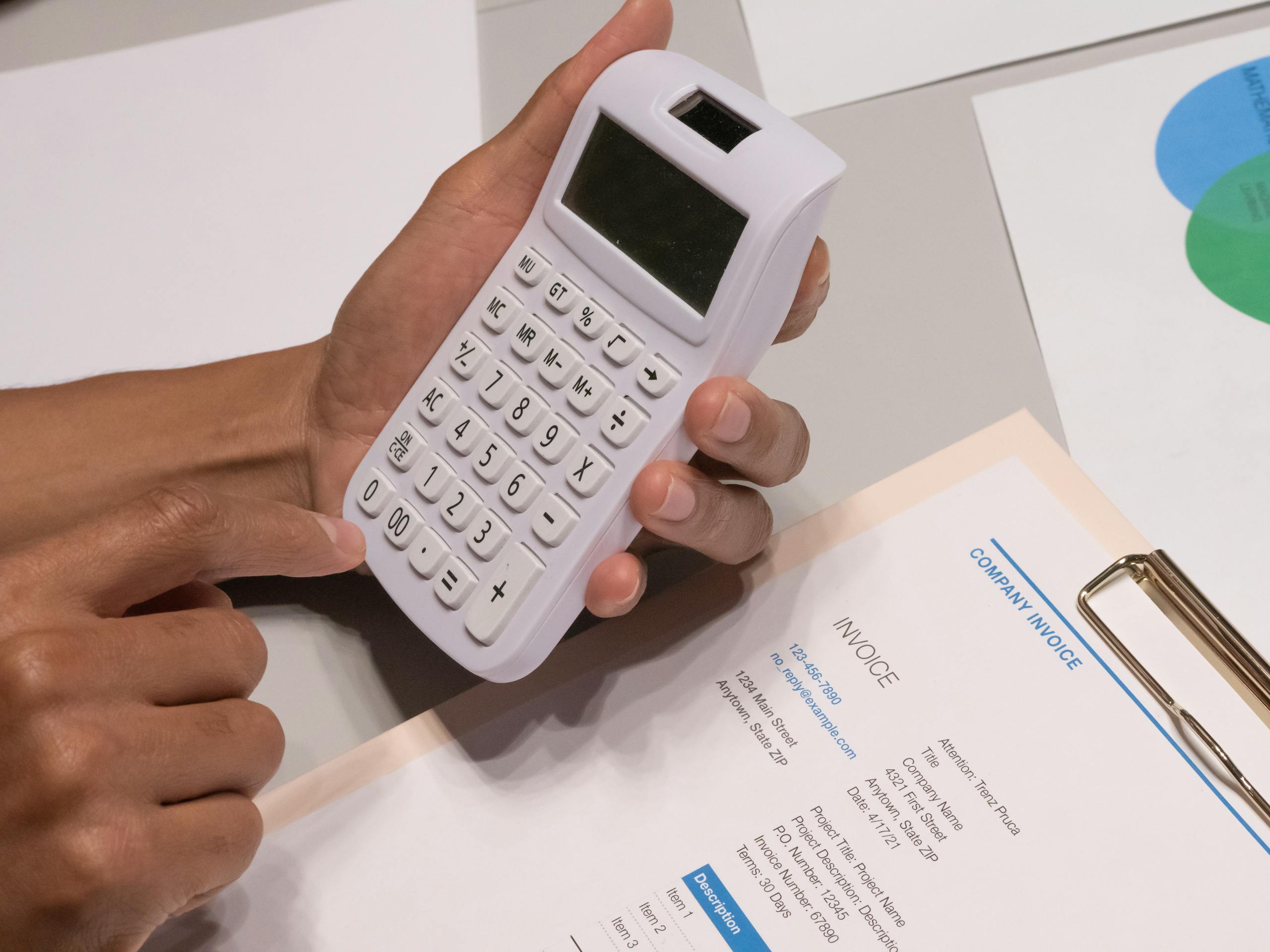
Bookkeeping seemed safe because money always needs to be tracked. Every business has invoices, receipts, payroll, expenses, vendor payments, taxes, reports, and those mysterious charges nobody remembers approving.
For a long time, that meant steady work for people who could keep financial chaos from swallowing the office whole.
AI loves this kind of work because it is structured, repetitive, and full of patterns. Modern accounting tools can categorize transactions, flag suspicious entries, prepare reports, match receipts, detect errors, and reduce manual data entry.
That means the old bookkeeping system is becoming less secure. The future will favor bookkeepers who can interpret numbers, spot financial risks, advise business owners, and resolve problems that software cannot fully handle.
The worker who only enters data is in danger. The worker who explains what the data means still has leverage.
Junior software developers
Software development was supposed to be the golden ticket. Parents pushed it. Career coaches praised it. Workers changed fields for it.
“Learn to code” became the magic phrase people repeated whenever someone worried about the future. Then AI learned to code too.
Now AI can generate simple functions, debug errors, explain code, write tests, build basic apps, and help senior developers move faster. That does not make software engineers useless. It does make the entry-level path more difficult.
Junior developers often learn by handling smaller tasks, fixing simple bugs, and writing basic features.
If AI absorbs much of that beginner-level work, companies may hire fewer junior developers and expect new developers to arrive sharper from day one. The safest coders will be problem-solvers, not just syntax typers.
They will understand systems, users, security, architecture, and why code exists in the first place.
Translators
Translation once seemed beautifully human. Language carries culture, memory, humor, emotion, and tiny meanings that do not always travel cleanly from one sentence to another. Then AI translation tools became fast, cheap, and good enough for everyday communication.
That is a real threat to basic translation work. Product descriptions, internal memos, simple emails, captions, menus, and customer support content can now be translated quickly by software.
Human translators still matter deeply in law, medicine, literature, diplomacy, marketing, and sensitive communication, where one wrong word can change everything. But the job is changing.
The safest translators will not just move words from one language to another. They will localize meaning, polish tone, catch cultural mistakes, and protect accuracy when AI gets too confident.
Recruiters and HR screeners
Recruiters used to sit at the gate of opportunity. They read resumes, screened candidates, wrote job posts, scheduled interviews, sent emails, and decided who moved forward. Then AI entered the hiring process, clipboard in hand and a cold little smile.
AI can scan resumes, rank applicants, draft job descriptions, write outreach messages, summarize interviews, and answer candidate questions. That speeds up hiring, but it also threatens the people doing the most repetitive screening work.
The human side of recruiting still matters because hiring is about trust, judgment, persuasion, and reading between the lines. But a recruiter who only filters resumes may feel exposed.
The recruiter who builds relationships, understands talent strategy, and protects the candidate experience still has a stronger seat at the table.
Why these jobs suddenly feel less safe
The old career advice was simple. Get a degree. Choose an office job. Learn technical skills. Avoid work that machines can do. That advice now feels painfully outdated because AI is not just replacing hands.
It is coming for tasks that use words, numbers, images, research, organization, and decision-making support.
The real danger is not always full replacement. Sometimes the bigger threat is compression. A company may not fire every writer, designer, recruiter, or assistant.
It may simply decide that one person with AI can do what three people used to do. That is how jobs change before they disappear. First, the workload shifts. Then teams shrink. Then the “safe” job starts looking very different from the career people signed up for.
Conclusion
AI did not arrive wearing a villain costume. It arrived as a helper, a shortcut, a productivity booster, and a shiny promise to make work easier. That is why it moved so quickly. People opened the door because it seemed useful, only to realize it could also become a competition.
The jobs Americans thought were safe are not automatically doomed, but they are no longer untouchable. Customer service representatives, writers, paralegals, designers, bookkeepers, junior developers, translators, and recruiters all face the same uncomfortable truth.
The future will not reward people who do routine tasks. It will reward people who can think beyond the task, use AI wisely, and bring the human judgment that no machine can convincingly fake.