“No Rope, No Chance”: A 21-Year-Old Falls During a Jump on a Brazilian Bridge Ends in Instant Death
A young woman arrived at a Brazilian bridge expecting the kind of adrenaline rush people chase for stories, photos, and bragging rights. Instead, the jump became a fatal tragedy that has left Brazil asking how something so basic could allegedly be missed before a life was lost.

Maria Eduarda Rodrigues de Freitas, 21, died on June 13, 2026, during a rope jumping activity at Ponte do Esqueleto, known in English as Skeleton Bridge, in Limeira, São Paulo. Authorities say she was released from the bridge without being secured to the safety equipment intended to prevent her fall. What should have been a controlled extreme sport activity turned into a devastating case, now under police investigation.
A Planned Adventure Turned Into a Nightmare
Rope jumping is built around trust. The participant trusts the crew, the equipment, the checklist, and the people standing closest to the edge. In Maria Eduarda’s case, that trust appears to have collapsed at the worst possible moment.
Reports say she was taking part in a jump from a bridge roughly 40 meters high. The activity was not simply a casual leap. Rope jumping depends on technical setup, correct harnessing, and repeated safety checks before anyone is released. When those checks fail, there is almost no room left for correction.

That is what makes this case so disturbing. Authorities said the safety line had not been attached before Maria Eduarda was launched. Witnesses reportedly realized something was wrong only as the jump was already happening. By then, the mistake had turned irreversible.
Why This Was Not Ordinary Bungee Jumping
Many people call the activity bungee jumping, but rope jumping is different. In bungee jumping, an elastic cord stretches, creating a bouncing motion. Rope jumping typically uses low-stretch climbing rope, creating more of a pendulum swing after the fall.
That difference matters because the safety system must be properly arranged before release. The rope is not a decoration. It is the entire barrier between thrill and disaster.
Extreme sports can look chaotic to outsiders, but safe operations are supposed to be the opposite. They rely on discipline, repetition, and boring details done correctly every single time. The harness must be checked. The attachment must be checked. The rope must be checked. The person giving the signal must be certain the participant is secured.
In this tragedy, authorities allege that the most important part of that process was missed.
The Viral Footage Made the Horror Impossible to Ignore
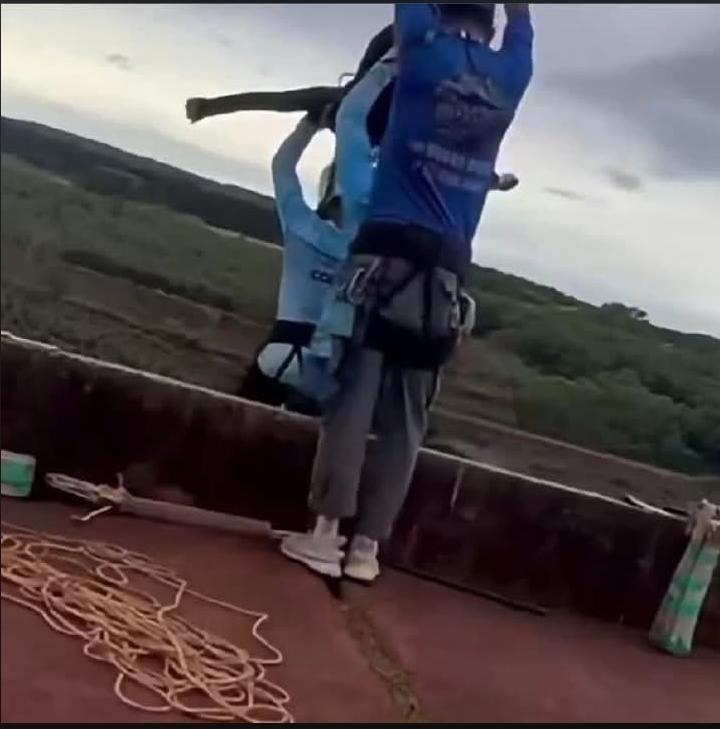
Video of the incident quickly spread online, drawing shock and anger from viewers. The footage reportedly showed Maria Eduarda being carried toward the jump point before being released. People nearby could be heard reacting as they realized the safety rope was missing.
The video’s spread has added another painful layer to the story. For the public, it became evidence of what appeared to be a catastrophic lapse. For her family and friends, it turned a private loss into a public spectacle replayed across social media.
That is why the story has traveled so far beyond Limeira. It is not only because a young woman died. It is because the video forced viewers to confront how quickly excitement can turn into terror when safety depends on people who cannot afford to be careless.
Police Are Now Sorting Through Responsibility
After the incident, authorities detained people connected to the activity, and investigators are examining how the jump was organized, who was responsible for safety checks, and whether criminal charges should follow.
This is where the story moves from tragedy into accountability. A fatal accident in an extreme sport is not automatically a crime, but authorities will likely focus on whether the organizers followed proper safety procedures, whether the activity had authorization, and whether anyone ignored obvious risks.
The central question is painfully simple: who had the duty to make sure Maria Eduarda was attached to the rope before she was released?
That question matters because extreme sports businesses sell more than excitement. They sell confidence. Customers are not only paying for a rush. They are paying for trained staff, functioning equipment, and a safety process strong enough to protect them when fear and adrenaline take over.
The Bridge Was Already a Safety Concern
Ponte do Esqueleto is not just any bridge. It is an abandoned structure that had already drawn concern from local officials. Limeira city officials said they had been pressing federal authorities for safety measures and now plan legal action after Maria Eduarda’s death.
That widens the issue beyond the people who handled the jump. It raises questions about access, inspections, site control, and whether known danger spots are being left open long enough for tragedy to repeat itself.
Local officials argue that responsibility for inspection, maintenance, and access control rests with federal authorities. Police, meanwhile, are investigating the private organization of the jump itself. Both issues can be real at once. A dangerous site can be poorly controlled, and an activity held there can still be badly managed.
For residents, that is the uncomfortable part. If a location has known risks, and people continue to use it for extreme activities, safety cannot depend on luck.
Adventure Tourism Has a Trust Problem After Tragedies Like This
Extreme sports will always carry risk. That is part of the appeal. But there is a clear difference between accepted risk and preventable danger.
A participant understands fear, height, speed, and the possibility of intense experiences. What no participant signs up for is a basic safety step allegedly being forgotten. That is not thrilling. That is failure.
This case may push more people to ask harder questions before joining adventure activities. Is the operator licensed? Who checks the equipment? How many instructors are involved? What is the emergency plan? Has the site been approved for this activity? Are there visible safety procedures before the jump?
Those questions may feel awkward in the moment, but they can matter more than the perfect photo or the pressure to look brave.
Maria Eduarda’s Death Leaves a Bigger Warning
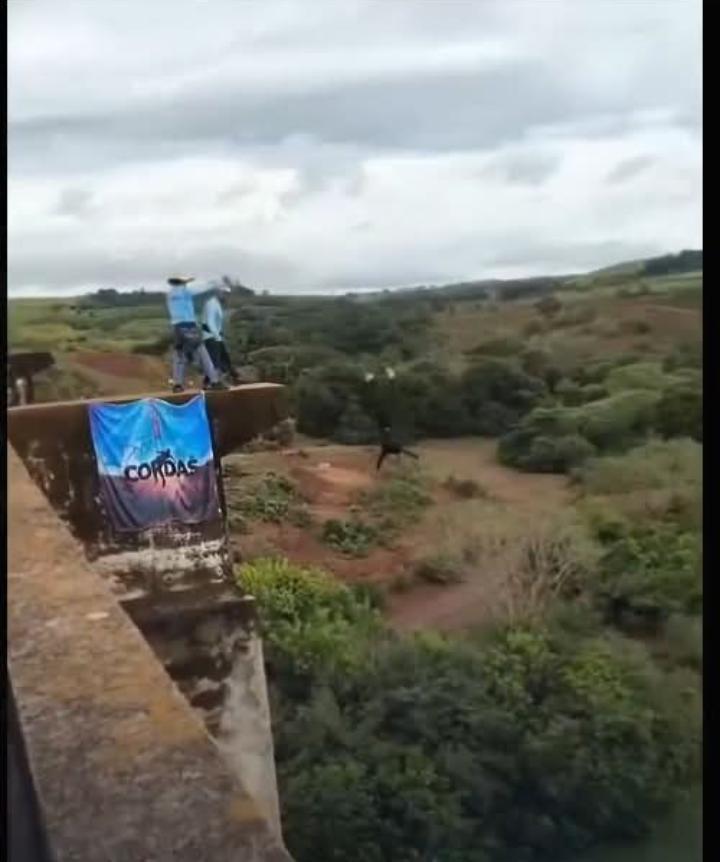
Maria Eduarda Rodrigues de Freitas was not just “a jumper” in a viral story. She was a 21-year-old woman whose life ended during an activity that should have been controlled by professionals. Her death has become a symbol of what happens when adventure is promoted louder than safety.
For families watching this story unfold, the fear is easy to understand. Many young people chase memorable experiences, travel moments, and high-adrenaline challenges. Most expect that the people running those experiences have done the invisible work needed to keep them alive.
That invisible work is now the heart of the investigation in Brazil.
A bridge known for risk, an extreme activity built on trust, and an alleged missing safety connection have combined into one devastating question: how could everyone be so close to danger and still miss the one thing that mattered most?