6 Reasons Your Grocery Bill Will Keep Rising in 2026 And What You Can Do About It
In recent years, many Americans have felt the sting of rising grocery bills, and the trend shows no signs of slowing down. In 2026, grocery prices are projected to continue rising, putting a strain on household budgets nationwide.
Whether it’s inflation, climate change, or supply chain disruptions, several factors are driving up food costs. However, understanding why your grocery bill keeps rising and how you can adjust can help you navigate the growing financial burden.
Let’s break down 6 Reasons Your Grocery Bill Will Keep Rising in 2026 and What You Can Do About It
Inflation Is Here to Stay
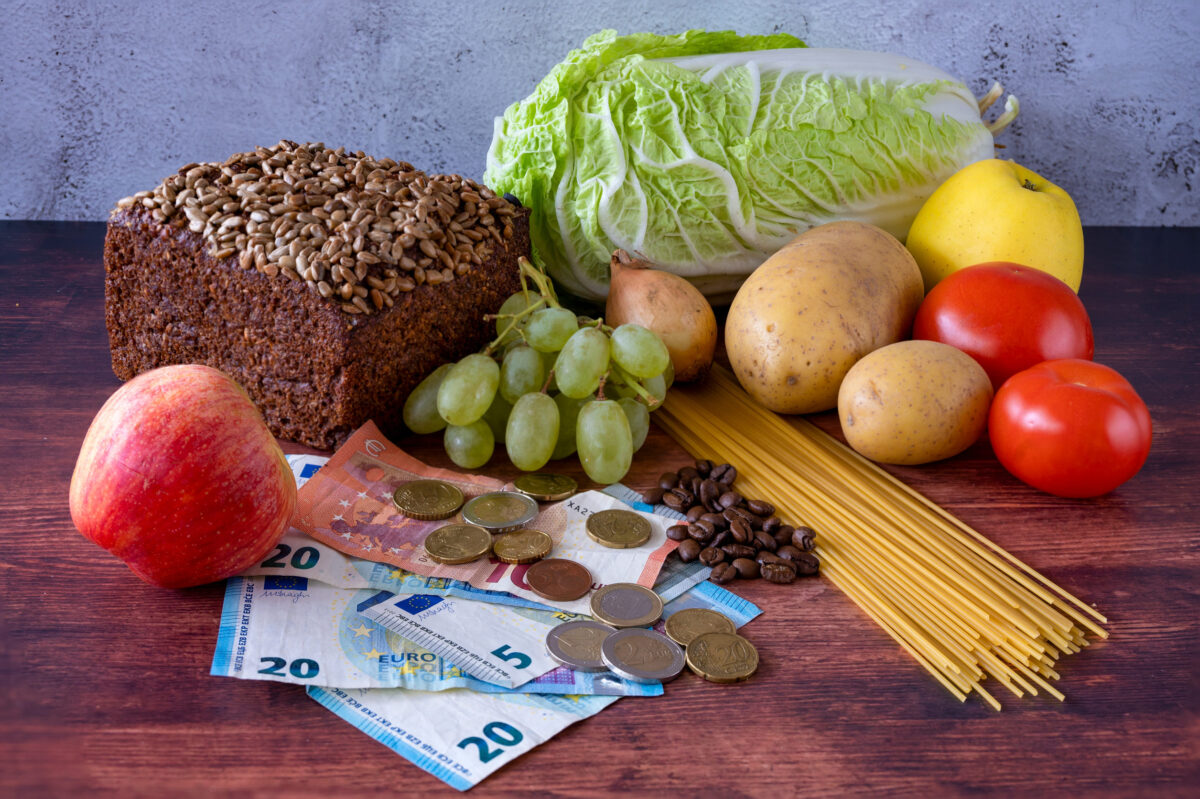
Inflation is one of the biggest contributors to rising grocery prices. Over the past few years, inflation has pushed up the cost of everything from food to everyday necessities. As the economy adjusts to rising wages, higher energy costs, and other factors, grocery prices are likely to continue increasing in 2026.
Whether it’s transportation, labor, or raw materials, inflation affects nearly every step in the food production and distribution process, leaving consumers to foot the bill.
Supply Chain Issues Are Still Disrupting Food Distribution
Despite improvements in some sectors, supply chain issues remain a significant driver of rising grocery costs. From labor shortages to transportation delays, the movement of goods is still far from seamless.
In the food industry, this has resulted in fewer products on shelves, especially perishables, and higher prices across the board. As disruptions persist in key sectors, such as trucking and agriculture, consumers will bear the brunt of supply chain inefficiencies, with rising costs passed on to them.
Climate Change Is Impacting Crop Yields

The effects of climate change are becoming increasingly apparent, and agriculture is among the industries most affected. Droughts, floods, and unpredictable weather patterns are increasingly damaging crop yields and livestock production.
As weather conditions grow more extreme, food prices will continue to rise as supply decreases. The rising costs of raw ingredients such as grains, fruits, and vegetables are being passed along to consumers, making everyday grocery items more expensive.
Labor Shortages Are Making Food Production More Expensive
Labor shortages are another critical factor contributing to the rising cost of groceries. With fewer workers in fields, food processing plants, and distribution centers, labor costs have risen dramatically in recent years.
As businesses struggle to hire and retain workers, wages are rising, ultimately raising the cost of production. These higher labor costs are often passed directly to consumers through higher food prices, from fresh produce to packaged goods.
The Demand for Plant-Based Products Is Driving Up Prices

The growing demand for plant-based products has driven up prices for these alternatives. While plant-based diets are more sustainable and often healthier, they can be more expensive to produce.
As more consumers choose plant-based milk, meat substitutes, and dairy-free options, manufacturers are struggling to keep up with the demand. This has led to higher prices for these products, making it more difficult for families on a budget to adopt plant-based diets, even if they wish to.
Global Trade Tensions and Tariffs Are Raising Prices
Global trade tensions and tariffs are putting additional pressure on food prices. Trade conflicts, especially with major food-producing countries, have increased import costs, ultimately raising prices for American consumers.
Whether it’s the cost of imported fruits, spices, or meats, these tariffs and sanctions ripple through the economy, making food more expensive for households across the country. As these trade disputes continue, grocery prices are expected to rise further, especially for products that rely heavily on imports.
Conclusion
Rising grocery bills are a complex issue, driven by a combination of economic, environmental, and global factors. While inflation, supply chain disruptions, climate change, and labor shortages are key drivers of higher food costs, there are ways to manage the financial strain.
By making smarter purchasing decisions, supporting local businesses, and adjusting your shopping habits, you can reduce the impact of rising prices on your household budget.
While the next few years may bring continued price hikes, staying informed and adaptable can help you navigate this evolving landscape.