8 Ways Pennsylvania’s New Phone Law Could Cost Drivers More Than They Expect
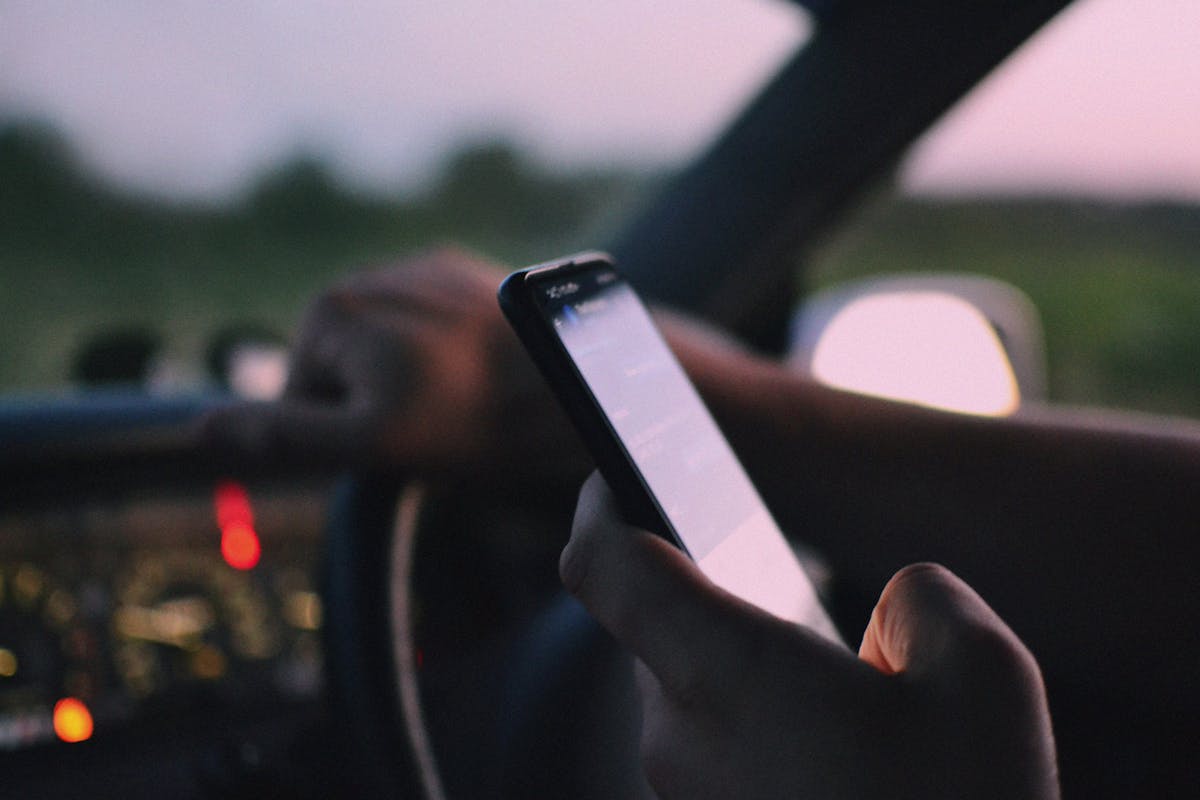
Pennsylvania drivers are now facing a rule that turns a common habit into a real ticket risk, as Paul Miller’s Law moved from warnings to enforceable fines on Friday, June 5, 2026. The year-long grace period has ended, and $50 fines can now be issued to anyone holding or using a phone while driving. What felt like a minor distraction before is now a serious safety concern, and drivers are being urged to adopt hands-free habits before getting caught off guard.
Drivers who ignore the rule could see their habits costing real money and headaches at court, not just because of the fine itself. The law also sparked a heated debate online, with some calling it a lifesaving measure and others labeling it government overreach. Here are the biggest questions drivers are asking, the points that matter, and the reactions making this law more controversial than a simple traffic rule.
Why are Pennsylvania drivers suddenly worried about a $50 ticket?
Because the warning period is over, and the habit many drivers treated casually can now cost them real money. Paul Miller’s Law lets officers ticket drivers who hold or support a phone while driving, even at a red light or in traffic. The fine starts at $50, but court costs and added fees may make the final bill sting more. Drivers who spent the past year shrugging off warnings now have to treat hands-free driving as a daily survival habit, not a polite suggestion they can ignore anymore.
What exactly does the new hands-free rule ban?

The law targets handheld phone use while driving. That means no holding the device, no resting it in your lap, no supporting it with your body, and no tapping around like the car is your living room. Drivers get only one touch on a mounted device for quick needs like answering a call or adjusting navigation. The clearest rule is simple: mount it, use voice commands, connect Bluetooth, or leave the phone alone until the vehicle is safely stopped off the road first.
Does the law still apply at red lights?
Yes, and that is the part setting off the loudest debate. A stopped car at a red light may feel like a safe pause, but the rule treats traffic stops, red lights, stop signs, and temporary delays as part of the driving experience. Critics say a quick glance should not be treated like reckless behavior. Supporters argue that those tiny pauses are when drivers miss pedestrians, cyclists, changing lights, and sudden movement around them. The law is built around prevention, not excuses after a crash happens nearby today.
Why is the law named after Paul Miller?
The measure carries the name of Paul Miller Jr., a 21-year-old killed in 2010 by a distracted tractor-trailer driver. His mother spent years pushing for tougher rules, turning private grief into a public safety campaign. That backstory gives the law emotional weight beyond a traffic ticket. Officials keep saying the point is saving lives, not collecting cash, but the human reason behind the law is what makes the warning harder to ignore. One distracted moment can rewrite a family forever.
Why are so many readers angry about enforcement?

The comments show a deep trust problem, not just annoyance over phones. Many readers believe the fine will become another reason for police to stop drivers, especially when the violation depends on what an officer says they saw through the glass, tint, traffic, and motion. Others fear fees will turn a $50 ticket into a much bigger hit. The frustration is about people feeling watched, judged, and charged for split-second behavior they believe may be hard to prove fairly in court later, too, today.
What complaint keeps coming up about the police?
One reaction came up repeatedly: drivers want police held to the same standard. Commenters pointed to officers using phones, radios, laptops, and dashboard screens while driving, then asked why civilians get punished for similar distractions. That double-standard argument is powerful because modern patrol cars are packed with technology. If officers appear to be exempt while everyone else gets fined, public support for the law could weaken quickly, even among people who already hate distracted driving.
Why are built-in car screens part of the debate?
Many readers argued that phones are no longer the only distraction. Newer vehicles often have large touchscreens for heat, music, maps, calls, cameras, settings, and even basic controls that used to be physical buttons. Drivers wonder why tapping a mounted phone is dangerous, yet digging through a dashboard screen is treated as normal. That concern exposes a bigger problem: vehicle technology has moved faster than traffic laws, and drivers now face distractions built right into the car.
What should drivers do now to avoid trouble?
The safest move is boring but effective: set the route before driving, connect Bluetooth, use voice commands, mount the phone properly, and pull over safely if a message or call cannot wait. Passengers can handle navigation when possible, especially on longer trips. Emergency use is treated differently, but convenience is not an emergency. The rule may feel irritating, especially to drivers who see it as overreach, yet a ticket is easier to avoid than to fight after the lights flash behind you.
Why this law is already dividing drivers
Pennsylvania’s hands-free law is simple on paper, but the reaction shows how complicated driving culture has become. Some people see the rule as common sense because phones have made roads more dangerous, while others see it as another way to fine ordinary drivers.
The safest takeaway is also the most practical one. Mount the phone before the trip, use hands-free tools, and treat red lights as part of driving rather than as a time to check the phone. The debate will keep going, but the tickets can start now.