9 Ways the Supreme Court’s New York Gun Law Decision Could Shake the Firearms Industry
The Supreme Court did not issue a sweeping new gun rights ruling. Instead, by declining to hear the gun industry’s challenge to New York’s firearm accountability law, the Court allowed the state to retain a legal tool that could expose gun makers, wholesalers, distributors, and dealers to civil lawsuits over business practices that allegedly endanger public safety.
This issue extends beyond a single New York statute. It raises the question of whether future gun policy battles will focus less on bans and background checks, and more on lawsuits, supply chain oversight, and corporate accountability.
Here are nine ways this decision could reshape the gun industry, state politics, and the national debate over firearm violence.
The fight is shifting from gun ownership to gun industry behavior.

The key aspect of this case is what it does not address. It was not a direct challenge to Americans’ rights to own or carry firearms under the Second Amendment. Instead, it examined whether gun companies can be sued under a state law requiring reasonable safeguards to prevent illegal sales, trafficking, theft, and straw purchases. This shifts the focus from individual gun owners to the companies that manufacture, distribute, market, and sell firearms.
New York argues that companies profiting from the firearms market are responsible for implementing safeguards to prevent guns from being diverted for illegal use. The gun industry views this as an unwarranted expansion of liability, maintaining that lawful companies should not be held accountable when criminals misuse legally sold products. The central issue is now not only who has the right to own a gun, but also who is responsible for preventing firearms from reaching prohibited individuals.
New York may have found a legal route around federal gun industry protections.
For nearly two decades, the Protection of Lawful Commerce in Arms Act has provided strong federal protection for gun manufacturers and sellers. Passed in 2005, the law was intended to block many lawsuits holding the firearm industry responsible for crimes committed with their products. However, the law includes exceptions, and New York structured its statute around one of them.
That exception can allow lawsuits when a gun industry member knowingly violates certain laws related to firearm sales or marketing, and that violation contributes to harm. New York argues that its public nuisance law fits inside that opening.
The firearms industry contends that New York is using strategic language to revive broad lawsuits that Congress intended to prevent. The Supreme Court’s refusal to hear the case does not resolve this issue nationally, but it allows New York’s approach to remain in effect. As a result, other states may consider adopting similar laws if New York’s statute survives further challenges.
The decision could turn supply chain records into courtroom evidence.
Future cases may closely examine how firearms move through the supply chain, from manufacturers to distributors, dealers, and ultimately to buyers. Plaintiffs may question whether manufacturers continued to sell despite warning signs, whether dealers engaged in repeated suspicious transactions, or whether companies tracked sellers linked to high numbers of crime-gun recoveries. As a result, compliance records, shipment data, dealer audits, and internal communications could become critical evidence in court.
This poses a significant business risk for the gun industry. Even companies confident in their practices may face lengthy litigation and be required to produce sensitive records. For New York officials, this is intentional. The law pressures companies to demonstrate that reasonable safeguards were in place before any harm occurred, effectively turning the courtroom into an inspection mechanism.
Gun dealers could face more pressure than manufacturers.
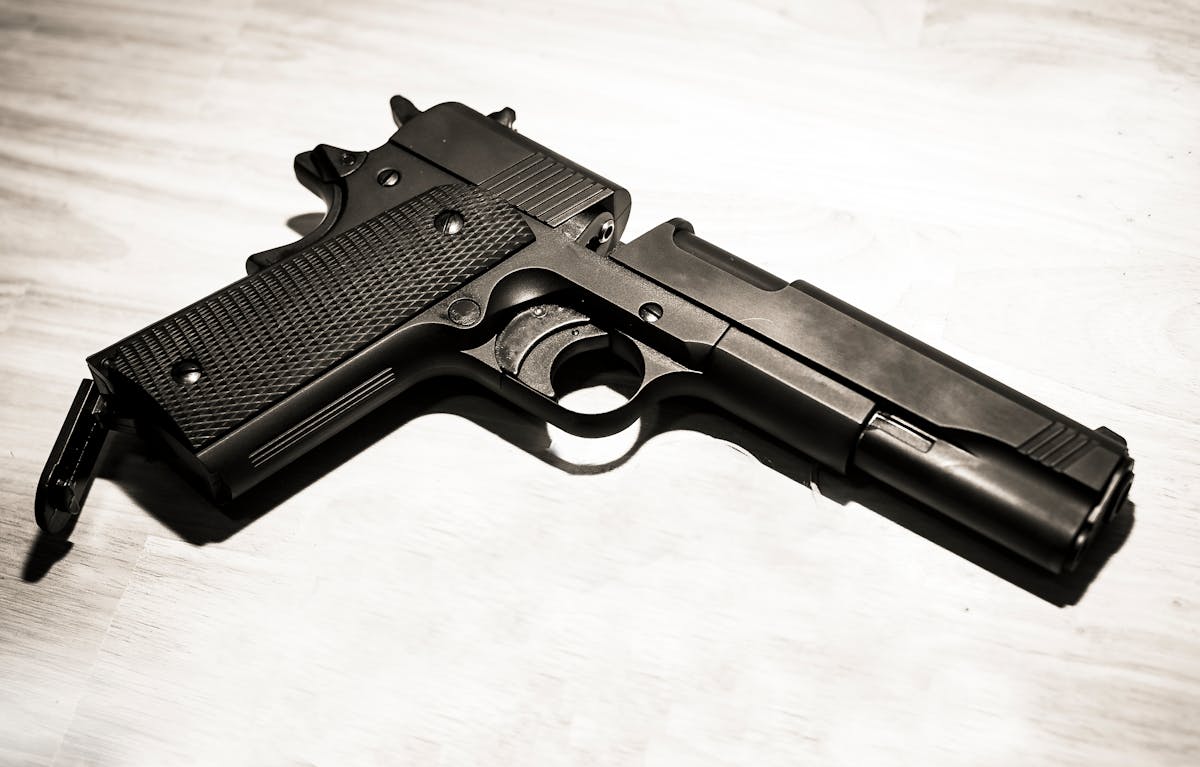
While large gun manufacturers often receive the most attention, dealers may be the most vulnerable in future lawsuits. Dealers are directly involved in sales, interact with buyers, observe purchasing behavior in real time, and are the first to notice potential straw purchase warning signs.
A straw purchase happens when one person buys a firearm for another person who may be prohibited from buying it or wants to avoid attention. Federal officials have long treated straw purchasing as a serious trafficking route.
This makes dealer conduct especially important. Plaintiffs can now question whether employees asked appropriate questions, noticed repeated bulk purchases, or followed procedures when buyers appeared nervous or suspicious. New York’s law enables these inquiries in court.
Manufacturers may still face claims, particularly if they are accused of overlooking risky dealer networks. However, smaller sellers and distributors may experience more immediate pressure, as their sales practices are closely linked to individual transactions.
The law could make gun companies behave more like opioid companies after the lawsuit wave.
An often overlooked aspect is the use of public nuisance law. This legal strategy has been applied in cases involving opioids, tobacco, pollution, and other public health crises. The core principle is that certain business practices can cause widespread harm affecting the public as a whole.
New York is applying that same pressure to firearms. That does not mean gun lawsuits will follow the same path as opioid lawsuits. Guns are protected by a different federal law, and the Second Amendment adds another layer of political and constitutional complexity.
This strategy is familiar. Rather than relying solely on new legislation, states and cities can ask courts to determine whether corporate actions contributed to dangerous conditions through reckless or unreasonable conduct. The decision is significant because it preserves the public nuisance model in the context of firearms.
Data lends emotional weight to New York’s argument.
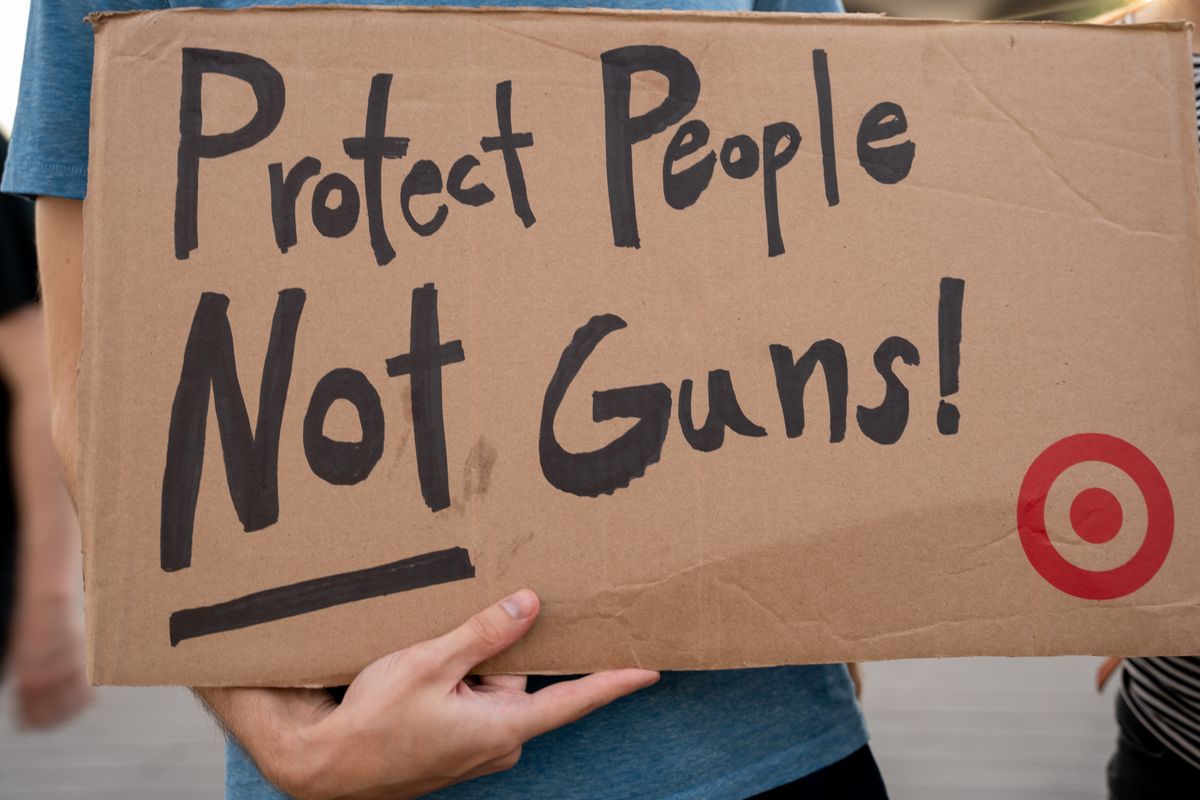
While the legal debate is technical, the statistics underscore its real-world impact. In 2024, over 44,000 people died from gun-related injuries in the United States, according to CDC data summarized by Pew Research Center. This figure includes suicides, homicides, accidental shootings, law enforcement-related deaths, and undetermined cases.
Trafficking data is also significant. The Bureau of Alcohol, Tobacco, Firearms, and Explosives reported that nearly 230,000 firearms were trafficked in thousands of cases between 2017 and 2021. These figures support New York’s characterization of gun violence as a public safety crisis, arguing that failures in firearm distribution channels can cause community harm.
The industry counters that gun violence data does not establish industry liability, noting that firearms often change hands before being used in crimes. Industry advocates argue that criminals, traffickers, and illegal buyers are the primary wrongdoers. While the data shows the scale of the issue, lawsuits must still prove responsibility.
The ruling could inspire other blue states to follow New York’s lead.
New York may now serve as a legal model. States with strict gun laws often contend that their regulations are undermined by firearms entering from states with looser laws. While a state can regulate its own dealers, it cannot fully control guns entering through interstate trafficking. Public nuisance laws appeal to gun safety advocates because they provide a tool to address the broader firearms supply chain.
Other Democratic-led states may now consider adopting statutes similar to New York’s and assess whether such laws could withstand legal challenges in their courts. Some have already begun this process, and the Supreme Court’s inaction encourages further efforts. This could result in a patchwork of liability risks for gun companies across states.
For the industry, varying state standards are a major concern. Nationwide businesses do not want fifty different definitions of reasonable safeguards. For state officials, this diversity may be intentional. In the absence of federal action, states will assert their own authority.
The gun industry may respond before lawsuits even succeed.
The most immediate impact may occur outside the courtroom. Companies may proactively tighten dealer contracts, expand compliance audits, implement new monitoring systems, enhance employee training, and improve documentation of safety procedures. Litigation risk often prompts changes in business conduct before any final ruling. In states with firearm public nuisance laws, premiums may rise, or coverage terms may become tougher. Smaller dealers may feel that pressure more than large national companies.
The industry may intensify efforts to secure federal or state legislation that more clearly blocks these lawsuits. As a result, the Supreme Court’s quiet denial could prompt a stronger response from lobbyists, insurers, compliance officers, and lawmakers.
This may be the beginning, not the end, of the Supreme Court fight.

The Supreme Court did not endorse New York’s law or issue a national ruling on similar statutes. It simply declined to hear this appeal, leaving the door open for future challenges. A more significant case could arise if a lawsuit under New York law results in a major judgment, or if federal appeals courts disagree on similar laws in different states. The justices may intervene if a future case presents a clearer conflict between state liability laws and federal firearm immunity.
For now, New York retains an advantage. Its law remains in effect, giving plaintiffs an opportunity to test it in court. The firearms industry still has defenses, such as arguing that certain lawsuits are preempted by federal law, lack sufficient evidence, or are too remote from the criminal act. However, the industry did not achieve the broad early victory it sought. This Supreme Court decision is significant because it allows the liability debate to continue.