Tennessee and Four Other States Offer to Accept Nuclear Waste in Exchange for Billions in Nuclear Energy Development
Five states are stepping into one of America’s longest-running energy debates by offering to accept nuclear waste in exchange for major investments in nuclear development, infrastructure and economic growth. Tennessee, Louisiana, Oklahoma, Utah and Idaho have agreed to explore hosting new Nuclear Lifecycle Innovation Campuses that could combine radioactive waste storage with advanced reactor development, fuel production, research facilities and electricity generation.
The proposal could represent a turning point in the nation’s decades-long struggle to find a permanent solution for nuclear waste. While supporters say the plan could unlock billions in investment, create thousands of jobs and strengthen America’s energy independence, critics warn that communities must carefully consider the long-term responsibilities that come with storing radioactive materials for generations.
Five States Step Forward in America’s Nuclear Waste Debate
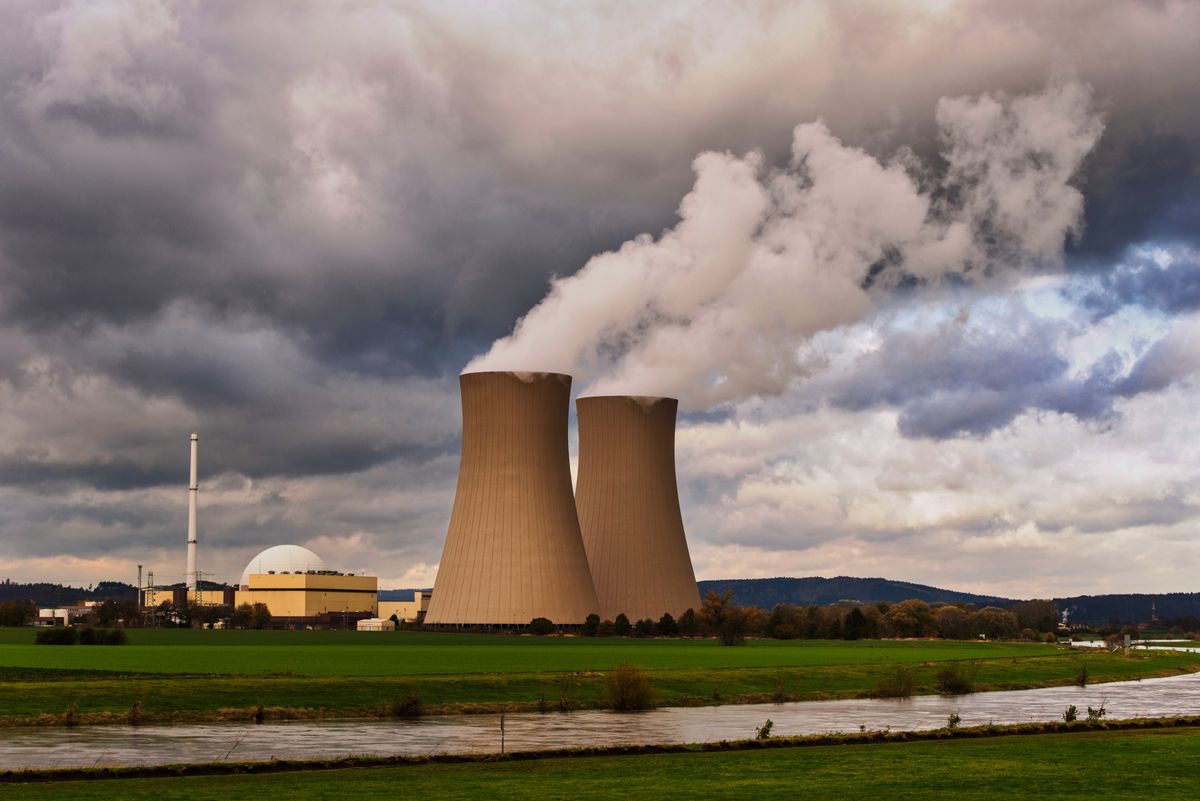
Tennessee and four other states have agreed to participate in a new approach aimed at solving one of the nuclear industry’s biggest challenges: what to do with spent nuclear fuel. The states are considering hosting Nuclear Lifecycle Innovation Campuses that would serve as major hubs for nuclear research, energy production and waste management.
For decades, the United States has struggled to establish a permanent storage solution for nuclear waste. About 95,000 metric tons of spent nuclear fuel and radioactive materials remain stored at nuclear plants and former nuclear facilities nationwide because previous plans for a permanent underground repository have faced political and public opposition.
America’s Nuclear Waste Problem Has Lasted for Generations
The nuclear industry has powered American homes, businesses and industries for more than half a century, but the country has never opened a permanent repository for commercial nuclear waste. Instead, spent fuel has remained at temporary storage locations while lawmakers and energy officials search for a long-term solution.
The issue became most associated with Yucca Mountain in Nevada, where federal officials planned to build a permanent underground storage facility. However, years of opposition from Nevada leaders and residents stalled the project, leaving the country without a final destination for nuclear waste.
New Nuclear Campuses Could Transform Waste Storage Into Economic Growth
The proposed Nuclear Lifecycle Innovation Campuses would take a different approach by combining waste storage with broader economic opportunities. Instead of hosting only a storage facility, states could become centers for nuclear manufacturing, research, and energy development.
The Energy Department has estimated that these campuses could attract up to $50 billion in private investment and generate billions in state and local tax revenue. Supporters believe the projects could create thousands of jobs in construction, engineering, technology, manufacturing, and energy operations.
Tennessee Uses Its Nuclear History to Lead the New Energy Push
Tennessee is among the states positioning itself as a major player in America’s nuclear future. The state is home to Oak Ridge National Laboratory. This historic research institution played a major role in the Manhattan Project and later became one of the nation’s leading nuclear science facilities.
State leaders say Tennessee’s nuclear expertise, skilled workforce and existing research infrastructure make it prepared to support the next generation of nuclear technology. Officials believe the proposed campus could strengthen the state’s economy while helping the country meet growing electricity demands.
Idaho Brings Decades of Nuclear Research Experience
Idaho has also developed a strong connection to America’s nuclear industry through Idaho National Laboratory. The facility has been involved in nuclear research, advanced reactor development and national energy programs for decades.
Supporters argue that Idaho’s existing scientific infrastructure could make it a natural location for future nuclear innovation. The proposed campus model could expand the state’s role in developing technologies that officials hope will power future generations.
Why Utah, Louisiana and Oklahoma Are Part of the Nuclear Expansion Plan
The other participating states also bring important energy connections to the table. Utah has historical ties to uranium production and early nuclear programs, while Louisiana and Oklahoma have decades of experience in large-scale energy industries and industrial development.
Officials believe those existing industries, skilled workers, and infrastructure could help support nuclear projects. By combining nuclear facilities with economic incentives, the states hope to attract companies looking for locations to build future energy operations.
Nuclear Energy Returns as America Faces Growing Power Demands

The push to expand nuclear energy comes at a time when electricity demand is rising across the United States. The growth of artificial intelligence, cloud computing, and massive data centers has created a need for reliable electricity sources that can operate continuously.
Supporters argue that nuclear power can provide steady electricity while producing fewer carbon emissions during operation. They believe expanding nuclear energy will be critical as the country attempts to balance economic growth, energy security, and environmental goals.
The Nuclear Comeback Depends on Solving the Waste Challenge
The future of nuclear energy expansion depends heavily on solving the waste issue that has followed the industry for decades. Building new reactors becomes more complicated when the country has no permanent solution for managing the waste they produce.
Supporters of the new campus model argue that combining storage with economic development could create a more realistic path forward. They believe communities may be more willing to accept nuclear facilities when they receive direct benefits through jobs, investment and infrastructure improvements.
The Yucca Mountain Debate Changed America’s Nuclear Strategy
The failed effort to develop Yucca Mountain shaped how officials now approach nuclear waste storage. The project demonstrated that scientific approval alone is not enough to move major nuclear projects forward.
The new strategy focuses on community participation rather than federal selection of a location. Officials hope that allowing states and communities to voluntarily participate will reduce opposition and create stronger public support.
Communities Must Decide Whether Economic Benefits Are Worth the Responsibility
One of the biggest challenges facing the proposed nuclear campuses will be public acceptance. Communities must decide whether the potential economic benefits outweigh concerns about storing radioactive materials for the long term.
Supporters say modern nuclear storage technology has advanced significantly and that facilities can be operated safely under strict regulations. Critics argue that nuclear waste remains hazardous for thousands of years and requires careful planning to protect future generations.
Nuclear Waste Transportation Could Become the Next Major Challenge
If new storage sites are approved, transporting nuclear waste across the country will become another major issue. Spent fuel currently sits at dozens of locations, meaning large amounts of radioactive material would need to be moved to new facilities.
Transportation plans would require strict safety measures, emergency response strategies, and public confidence. Communities along transportation routes would likely demand detailed information about how materials would be handled and monitored.
Advanced Reactors Could Become the Next Phase of Nuclear Growth
The proposed campuses could also support the development of advanced nuclear reactors, including smaller reactor designs that supporters believe could be easier to deploy than traditional nuclear plants.
These technologies have attracted attention from energy companies, government agencies and investors looking for new ways to provide reliable electricity. Officials believe combining advanced reactors with research facilities could help the United States compete in the global nuclear industry.
Nuclear Energy’s Promise Comes With Environmental Questions
Nuclear energy supporters point to its ability to generate large amounts of electricity with low operational carbon emissions. They argue that nuclear power can play an important role in reducing dependence on fossil fuels while meeting rising energy needs.
However, opponents continue to raise concerns about radioactive waste, environmental risks, and long-term storage responsibilities. The debate over nuclear energy remains centered on whether the benefits outweigh the challenges associated with managing waste.
Congress Faces Key Decisions Before Nuclear Campuses Move Forward
Although the five states have expressed interest, the proposed Nuclear Lifecycle Innovation Campuses still require additional approvals, funding decisions, and regulatory oversight.
Congress will play an important role in determining how the projects are authorized and how communities are protected. Federal agencies will also be responsible for establishing safety requirements and ensuring facilities meet strict standards.
America’s Nuclear Future Could Depend on This New Approach
The decision by Tennessee and four other states to consider accepting nuclear waste marks a significant shift in America’s energy conversation. After decades of political battles and stalled projects, officials are attempting a new strategy that combines waste management with economic growth.
The success of the plan will depend on whether communities trust the process, whether safety concerns are addressed, and whether lawmakers can create a workable framework. If successful, these nuclear campuses could become a major part of America’s effort to expand energy production while finally confronting a problem that has existed for generations.