Seven Cars Burned in Hackensack After Fallen Utility Pole Created a Dangerous Electrical Fire
A quiet New Jersey neighborhood faced a terrifying early morning emergency when a fallen utility pole turned a storm aftermath into a destructive electrical fire, leaving seven cars destroyed and residents questioning how quickly ordinary infrastructure can become a serious threat.
The Hackensack car fire unfolded near Prospect Avenue and Berry Street after severe storms moved through the region, bringing strong winds, heavy rain, and reports of damaged power lines across parts of the tri-state area. Firefighters arrived before dawn expecting a utility emergency, but they quickly discovered a much more complicated situation involving active electrical hazards and multiple burning vehicles.
The Hackensack Fire Department said crews received a call around 4:45 a.m. reporting a utility pole and power lines on fire. When firefighters reached the scene, they found that the fallen equipment had created dangerous conditions that prevented them from immediately attacking the flames.
As firefighters waited for Public Service Electric & Gas (PSE&G) crews to disconnect the electricity, the fire spread to seven parked vehicles. No injuries were reported, but the incident damaged property, disrupted power service, and raised broader questions about storm preparedness and aging utility infrastructure.
A quiet street became a dangerous fire zone before sunrise

The Hackensack car fire showed how a single infrastructure failure can quickly transform a familiar neighborhood into a complex emergency response situation.
Residents near Prospect Avenue and Berry Street woke up to the sound of emergency crews and the sight of flames spreading through parked vehicles. The fire did not begin as a typical car accident or isolated vehicle malfunction. Instead, it developed from a combination of fallen electrical equipment and a hazardous power situation.
The Hackensack Fire Department released footage showing several vehicles burning while a utility pole remained down nearby. The images captured the difficulty firefighters faced as they worked around active electrical dangers and attempted to prevent the fire from spreading further.
The incident occurred after severe storms affected New Jersey and surrounding areas. Strong weather events often create multiple hazards at once, including fallen trees, damaged power lines and weakened structures that may fail hours after the worst conditions have passed.
The exact cause of the utility pole collapse remains under investigation. While some neighbors believe the storms contributed to the failure, officials have not confirmed whether weather, equipment failure or another factor caused the collapse.
The hidden danger that forced firefighters to wait
The most challenging part of the Hackensack car fire was not controlling the flames. It was managing the invisible electrical threat surrounding them.
When firefighters arrived, they faced a situation where moving too quickly could have placed emergency personnel and nearby residents in greater danger. Downed power lines can remain energized and create risks through contact with vehicles, pavement, and surrounding objects.
Firefighters are trained to respond aggressively to emergencies, but electrical fires require a different approach. Crews must first confirm that the power source has been removed before safely operating around damaged equipment.
During the Hackensack car fire, firefighters waited until PSE&G arrived and shut off electricity to the affected area. Only after utility crews eliminated the electrical hazard could firefighters move closer and extinguish the burning vehicles.
The delay may have allowed the flames to spread, but the decision reflected standard safety practices used during electrical emergencies. Protecting lives remains the first priority, even when property damage continues to increase.
Seven vehicles destroyed in a storm aftermath nobody expected
For the owners of seven damaged vehicles, the Hackensack car fire represented a sudden loss that could affect transportation, work, and daily responsibilities.
The vehicles were parked normally along a neighborhood street when the emergency began. Within a short period, those same cars became part of a major fire scene caused by circumstances outside their owners’ control.
A vehicle loss can create immediate challenges beyond the cost of replacement. Many residents rely on their cars for employment, medical appointments, family responsibilities, and basic errands.
One resident described the emotional impact of losing a vehicle she had owned for years. The situation highlighted how quickly an unexpected disaster can disrupt personal routines and create financial pressure.
Insurance coverage may help some owners recover losses, but claims can involve inspections, documentation, and waiting periods. Even with compensation, replacing a vehicle can be difficult when the loss happens without warning.
The human impact of the Hackensack car fire extends beyond the damaged vehicles. It reflects how infrastructure failures can affect individual lives in ways that are not always visible from an emergency report.
A fallen utility pole exposed broader storm risks

The Hackensack car fire revealed a growing challenge faced by communities across the country: protecting neighborhoods from increasingly disruptive weather events.
Severe storms have become a major concern for utility systems across the United States. High winds, heavy rainfall, and lightning can damage electrical networks and create outages that affect thousands of customers.
Weather-related power disruptions have increased attention on grid reliability, tree management, and infrastructure maintenance. Communities often face difficult decisions about upgrading systems while balancing cost and long-term planning.
The Hackensack incident followed a pattern seen in other storm-related emergencies. A weather event may pass quickly, but damaged equipment can create dangerous conditions later.
Officials continue to investigate the specific cause of the fallen pole. However, the incident demonstrates why storm preparation involves more than responding to immediate weather warnings.
Utility systems must withstand changing conditions, while residents must understand that hazards can remain after the skies clear. The danger from a storm does not always end when the rain stops.
Thousands faced disruption as crews worked to restore safety
The Hackensack car fire affected more than vehicle owners, as electrical damage created wider disruptions across the neighborhood.
The fallen utility equipment contributed to a power outage affecting more than 1,000 PSE&G customers, according to local reports. Utility workers remained at the scene to repair damaged infrastructure and restore service safely.
Power restoration after an electrical emergency requires careful coordination. Crews must inspect damaged equipment, remove hazards, and ensure that repaired systems can operate without creating additional risks.
Police officers also assisted by managing traffic and keeping residents away from the dangerous area. Emergency scenes involving electrical equipment often require cooperation between firefighters, utility workers, and law enforcement.
For residents, the outage served as another reminder of how dependent modern communities are on reliable electricity. A single damaged pole can affect transportation, communication, businesses and households within minutes.
The Hackensack car fire demonstrated how a localized emergency can create broader community disruption. Infrastructure failures rarely affect only one person or one property.
Officials search for answers behind the collapse
The biggest unanswered question surrounding the Hackensack car fire is what caused the utility pole to fail in the first place.
Investigators must determine whether severe weather played a direct role or whether other factors contributed. Possible causes could include structural weakness, equipment problems, previous damage, or storm-related stress.
Determining the cause matters because it can influence future safety decisions. If weather caused the collapse, communities may focus on storm response strategies. If infrastructure problems contributed, inspections and maintenance practices may receive additional attention.
Similar investigations have followed major utility failures across the country. After severe storms, officials often review equipment conditions, maintenance records, and environmental factors to understand why certain systems failed.
The investigation into the Hackensack car fire will likely follow the same process. Officials need accurate information before drawing conclusions about what happened and whether additional measures are needed.
Why downed power lines remain one of the biggest storm dangers
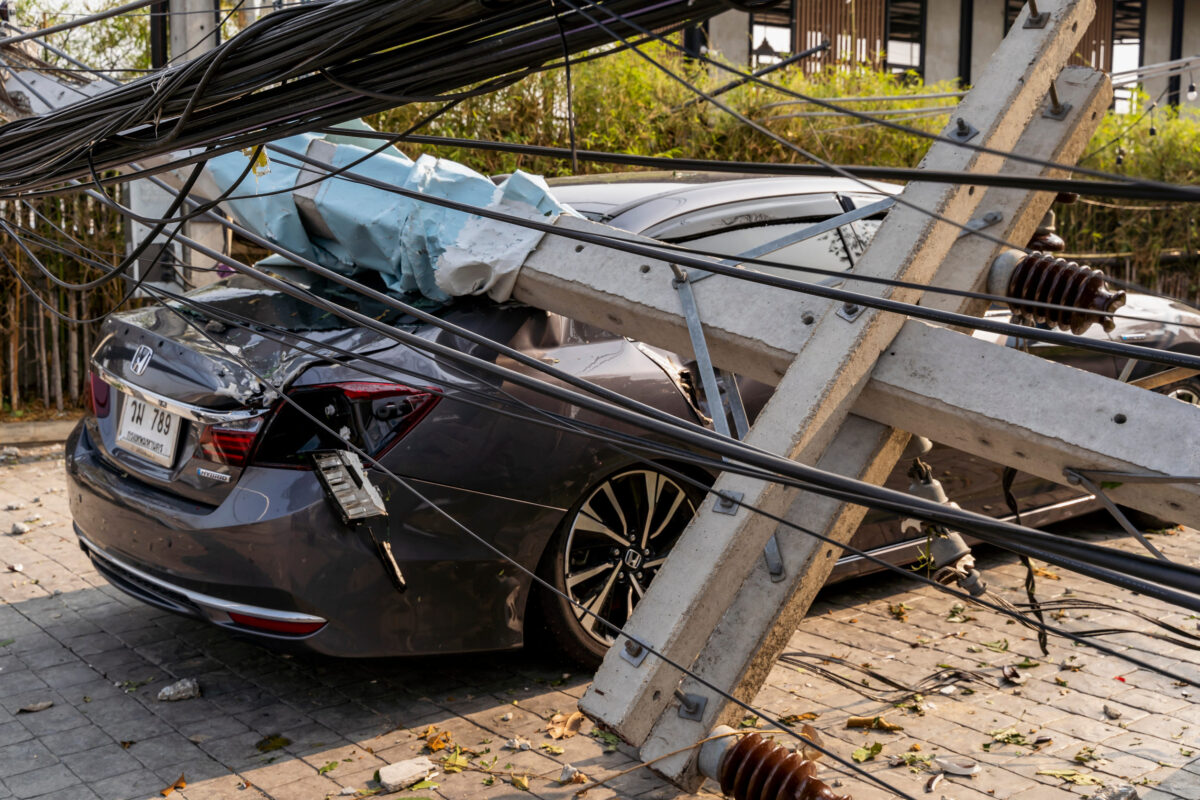
The response to the Hackensack car fire highlights a safety lesson that applies after every major storm: damaged electrical equipment should always be treated as dangerous.
Utility companies and emergency agencies regularly warn residents not to approach fallen power lines. Even wires that appear inactive may still carry electricity and create deadly conditions.
People should avoid touching damaged equipment, moving debris near wires, or approaching vehicles that may have contact with electrical lines. Reporting the hazard and waiting for trained crews remains the safest option.
The National Weather Service and utility providers frequently emphasize storm awareness because many injuries happen after storms rather than during them. Residents often underestimate the risks created by fallen wires, damaged trees, and unstable structures.
The Hackensack car fire provides a clear example of why caution matters. Firefighters with professional training still had to wait until the electrical danger was removed before taking action.
The investigation continues after the flames disappear
The burned vehicles in Hackensack tell a larger story about the relationship between weather, infrastructure, and community safety.
The immediate emergency ended when firefighters extinguished the flames and utility workers secured the area. However, questions remain about what caused the utility pole to fall and whether similar risks exist elsewhere.
The Hackensack car fire was not only a story about seven destroyed vehicles. It was a reminder that modern communities rely on complex systems that can fail suddenly when severe conditions arrive.
For residents, the incident may change how they view storm warnings and electrical hazards. A clear sky does not always mean a neighborhood is safe, especially after damaged infrastructure remains unchecked.
As investigators continue searching for answers, the event leaves an important question for communities everywhere: how prepared are local systems for the next storm, and how quickly can they protect the people who depend on them?