How Buffalo Wings Went From a Bar Snack to America’s Game-Day Royalty
The game hasn’t started, somebody is already questioning the referee, and the wings are disappearing faster than the napkins. Buffalo wings hold a familiar place in American sports culture, but their rise wasn’t simply about people liking spicy chicken. An inexpensive restaurant ingredient met expanding sports-bar culture, national restaurant chains, and a food perfectly suited to sharing. Together, they turned a Buffalo, New York, specialty into a game-day fixture nationwide.
The scale is impressive even before anyone reaches for extra blue cheese. In January 2026, the National Chicken Council projected that Americans would eat 1.48 billion chicken wings while watching that year’s Super Bowl, about 10 million more than its previous year’s estimate. That number covers chicken wings generally, not exclusively Buffalo-style wings, and it is an industry forecast rather than a verified count of every plate. Still, it illustrates how firmly wings and football have become connected.
The Famous Origin Story Comes With a Few Extra Ingredients
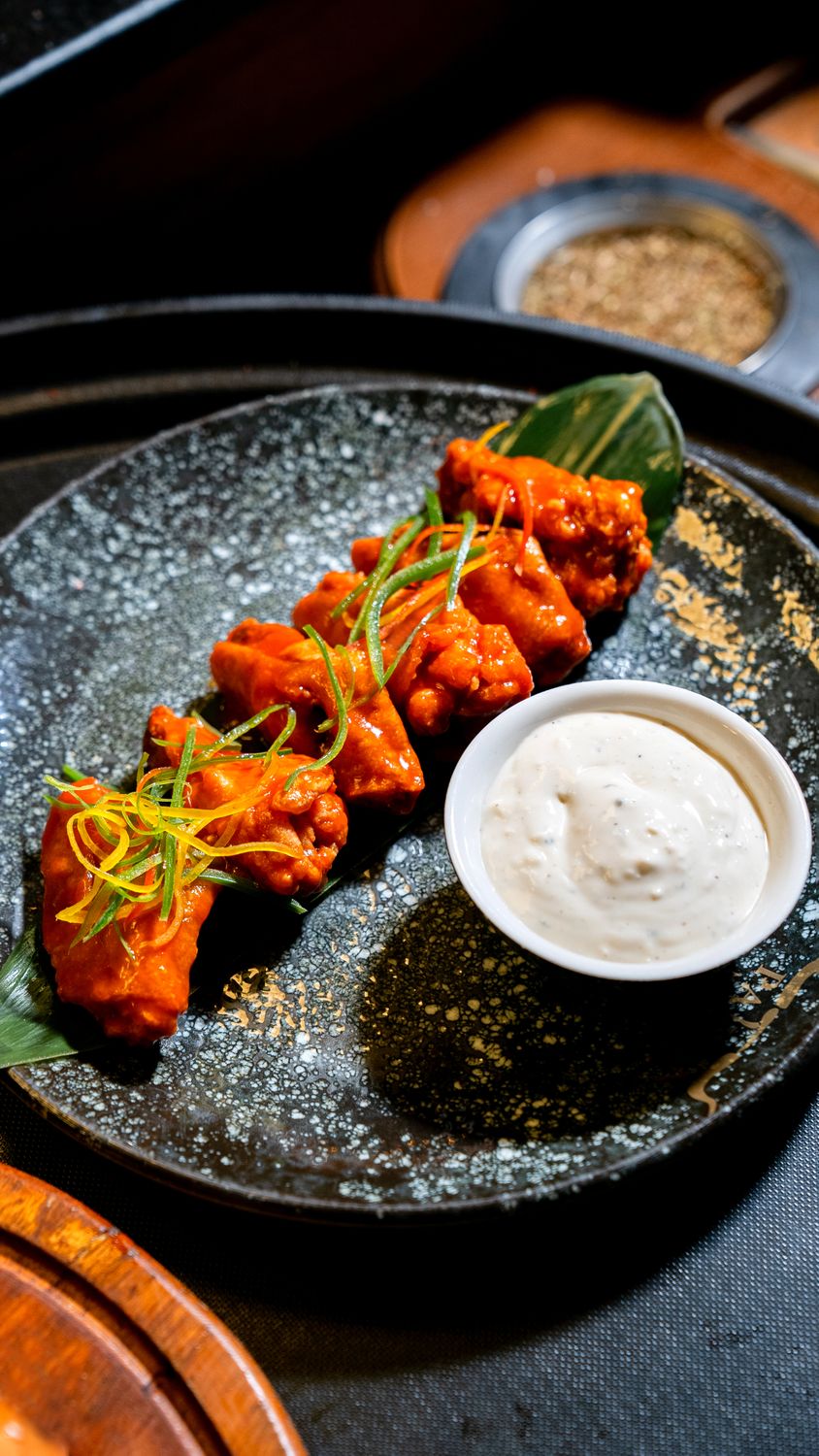
First, the name has nothing to do with the animal. “Buffalo” refers to Buffalo, New York City, where the dish’s best-known version emerged. The familiar origin story credits Teressa Bellissimo of the Anchor Bar with creating Buffalo wings in 1964. But as Smithsonian’s Joseph Stromberg explained in his history of the dish, even the Bellissimo family’s accounts disagree on what prompted that first batch. The destination is clear; the route there is less tidy.
Writer Calvin Trillin investigated the story for The New Yorker in 1980. According to Smithsonian’s account of his reporting, Teressa’s husband, Frank Bellissimo, said the bar mistakenly received wings instead of the chicken necks used for spaghetti sauce. Their son, Dominic, described a late-night snack for customers. The accounts agreed on the defining preparation: Teressa separated the wings into sections, deep-fried them without breading, coated them in hot sauce, and served them with celery and blue cheese dressing.
Another important name beyond the Anchor Bar is John Young. Trillin encountered Young in Buffalo, where the restaurateur told him, “I am actually the creator of the wing.” Young served whole, breaded wings with his own mambo sauce at John Young’s Wings ’n Things during the mid-1960s. His preparation differed from the split, unbreaded Anchor Bar style, but his place in the story matters. Buffalo’s wing history includes competing claims, and chicken wings were already familiar food in the African American community Young described.
That distinction keeps the history from becoming a misleading tale of somebody discovering an otherwise uneaten food. Deep-fried wings had long been part of Southern cooking, the National Chicken Council notes. What became nationally recognizable as Buffalo-style was a particular preparation and presentation, not the invention of eating chicken wings. The hot-sauce coating, separated pieces, celery, and blue cheese gave that version an identity other restaurants could reproduce and customers could recognize elsewhere.
Related: 5 Bedtime Snacks That Can Help Satisfy Late-Night Cravings
Cheap Wings and More Televisions Made a Powerful Team
The leap from local specialty to football companion had a practical business explanation.According to the National Chicken Council’s historical account, American consumers increasingly favored boneless, skinless chicken breasts during the 1980s. As a result, wings offered restaurants and bars a relatively inexpensive ingredient. Operators could sell an affordable plate of food, while the spicy, salty sauce complemented beer sales. That explains their historical appeal, not a promise that every basket on today’s menu will qualify as a bargain.
At roughly the same time, sports bars were adding multiple televisions and satellite dishes, making it easier to gather customers around televised games. The council describes wings as an affordable, shareable “group food,” particularly well matched to football-watching crowds and pitchers of beer. In other words,the connection wasn’t built on a mysterious culinary rule. Bars had an audience planning to stay, and wings offered something that audience could order together and keep eating as the action unfolded.
Restaurant expansion carried the dish well beyond western New York. The Smithsonian traces its spread through local and regional restaurants in the 1970s, then through chains that put wings in front of larger audiences. Hooters, founded in 1983, featured them prominently. In 1994, Domino’s spent $32 million advertising its national wing rollout, and Pizza Hut followed. The growth of Buffalo Wild Wings and their appearance on countless local menus further helped make wings broadly available, rather than a specialty requiring a trip to Buffalo.
The Super Bowl Turned a Habit Into a National Ritual
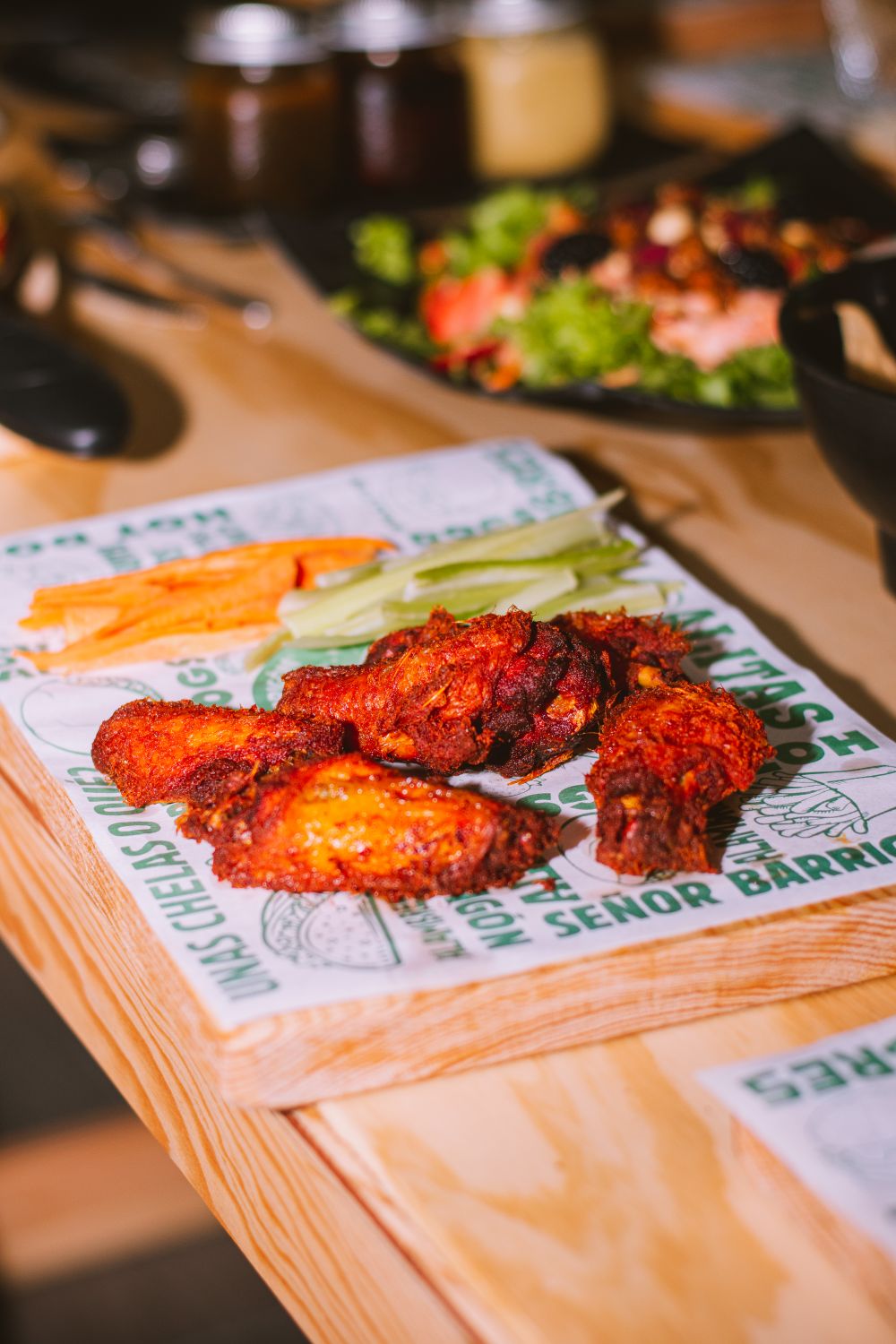
Once wings were established in bars and on delivery menus, the Super Bowl provided a particularly visible stage for the pairing. The National Chicken Council’s annual forecasts now put a number on that relationship, although they remain estimates from an industry organization. Its 2026 projection of 1.48 billion wings underscores the scale, but it doesn’t prove every one was coated in Buffalo sauce. Separating the broader chicken-wing category from the specific Buffalo preparation keeps an impressive statistic from telling a story it cannot support.
Council spokesperson Tom Super neatly captured the marketing appeal in the organization’s 2024 report: “Football is great. Wings are great. But they’re even better together.” His enthusiasm comes from a poultry-industry representative, not an independent verdict on America’s favorite food. Nevertheless, the historical connection is well documented: inexpensive wings, shareable portions, beer-friendly seasoning, expanding sports bars, and national restaurant distribution all helped the pairing take hold. No single advertising slogan invented that combination.
Buffalo flavor also became recognizable beyond the original bone-in dish. Smithsonian documented its spread to chicken fingers, pizza, and packaged snacks, even as Buffalo restaurants continued serving the familiar hot, medium, or mild wings with blue cheese and celery. That wider presence helped turn a city’s name into shorthand for a flavor. The game-day basket’s success ultimately comes down to timing as much as taste: the right bar food arrived just as America was finding more places, and more screens, to watch together.
Other Post You Might Also Like