Before the Cobb Salad Became a Lunch Staple, It Had a Starring Role at Hollywood’s Brown Derby
The Cobb salad has quite a résumé for something served on a bed of greens. Before it became a familiar restaurant order, it was the Brown Derby’s signature dish, a Los Angeles dining institution associated with movie stars, studio executives, and Hollywood gossip. The dish is named for restaurateur Robert Howard “Bob” Cobb. Exactly when, and by whose hands, the first bowl came together is less certain. The restaurant connection is well established; the tidy tale of one hungry man raiding a refrigerator needs a little qualification.
The best-known version places that refrigerator raid in 1937, with Cobb assembling ingredients after hours and theater impresario Sid Grauman helping turn his improvisation into a menu item. Other accounts point to 1929 or credit a Brown Derby chef. What emerged from those competing stories is unmistakable: a substantial chopped salad combining greens, poultry, bacon, egg, avocado, tomatoes and blue cheese. Its Hollywood pedigree set it apart from an ordinary side salad, and its legacy now includes a carefully maintained version at Walt Disney World.
The Brown Derby Was More Than a Place to Get Lunch
First, a small but important architectural correction: the Brown Derby famous for its Hollywood clientele was not the original restaurant shaped like an enormous hat. That first location opened on Wilshire Boulevard in 1926, with Cobb managing it before later becoming a co-owner.The Hollywood branch followed in 1929 near Hollywood and Vine, occupying a Spanish Colonial Revival building. The shared name can blur the distinction, but the hat-shaped landmark and the celebrated Hollywood dining room were different locations within the same growing restaurant business.
The Hollywood restaurant became a gathering place for figures including Cary Grant, Katharine Hepburn, Spencer Tracy and Joan Crawford. Gossip columnists Louella Parsons and Hedda Hopper also held court there, making the dining room part of the machinery of Hollywood celebrity.Yet actress Jane Wyman offered a less theatrical explanation for its appeal in the foreword to Sally Cobb Wright’s 1996 book, The Brown Derby Restaurant: A Hollywood Legend: “It was for the quality of the food, the excellent service, and to see a good friend, Bob Cobb.”
That atmosphere gave a house specialty a memorable setting. The Cobb salad was not merely attached to a famous surname; it belonged to a restaurant where recognizable faces gathered and diners returned for familiar service and food. The menu eventually included indulgences such as lobster and filet mignon, yet the salad became a defining dish. Its enduring association with the Brown Derby is clearer than the precise moment of invention and that distinction matters when separating restaurant history from a particularly entertaining origin story.
The Midnight-Snack Story Comes With Competing Versions
In the commonly repeated 1937 account, Cobb went looking for something to eat and combined ingredients from the restaurant kitchen with its French dressing. Grauman, associated with Grauman’s Chinese Theatre, tasted the result and requested it again the next day. The salad then joined the menu. It is an irresistible story: leftovers, a late hour and an accidental hit. The Los Angeles Almanac presents it as one version, however, rather than a conclusively proven sequence of events. Some tellings also leave open whether a chef helped create it.
A separate account credits executive chef Robert Kreis with creating the salad in 1929 to honor Cobb, the same year the Hollywood restaurant opened. Cobb’s widow, Sally Cobb Wright, offered another chronology in her book, tracing the dish to his work at the first Wilshire restaurant. “Bob worked very long days when he was managing the first Brown Derby and sometimes grew weary of the familiar items on the limited menu,” she wrote. In her account, his improvised chicken salads attracted the attention of friends and customers.
Wright placed the salad’s arrival on the menu in 1929. Her version included Grauman, screenwriter Wilson Mizner, Warner Bros. executive Jack Warner and journalist Gene Fowler discovering Cobb’s creation after service and ordering it themselves. These accounts overlap in their connection to Cobb and the restaurant, but disagree on date, location and authorship. The responsible conclusion is therefore narrower than the legend: the Brown Derby made the Cobb salad famous, while the exact circumstances of its invention remain disputed.
Related: The Salad That Gets Better Overnight and It’s the Smartest Thing You Can Make This Week
The Salad Outlasted the Restaurant and Found a Florida Encore
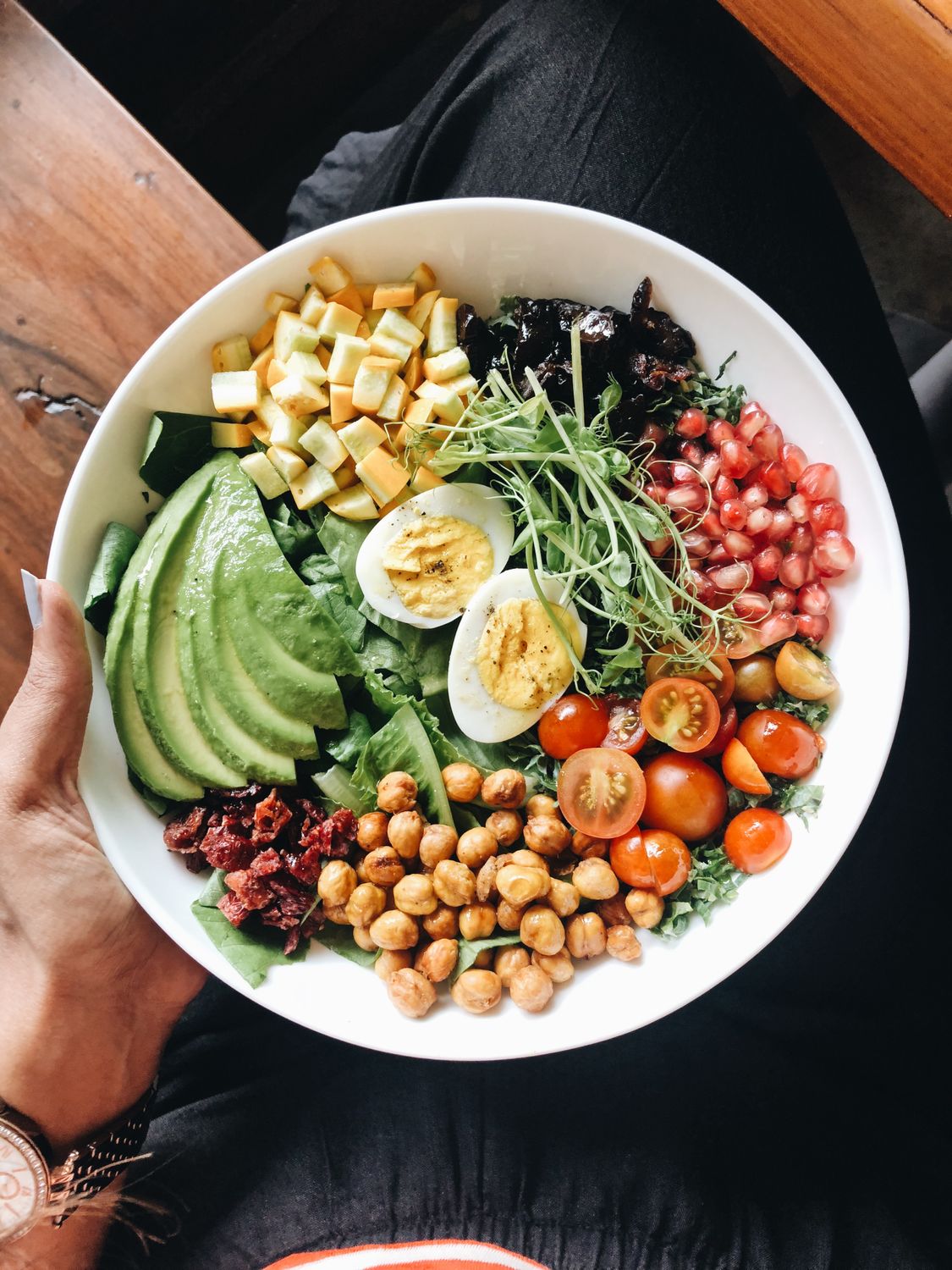
The ingredients help explain why the dish feels like a meal rather than a decorative pile of lettuce. Traditional descriptions combine several greens with chicken or turkey, avocado, tomatoes, hard-boiled eggs, crisp bacon and blue cheese, finished with a vinaigrette. Poultry and eggs provide substance, while avocado, bacon, and cheese add contrasting textures and flavors to each forkful. Historical references to “French dressing” also need context: the dressing described in Wright’s account more closely resembles a red-wine vinaigrette than the creamy orange dressing many shoppers now recognize by that name.
The Hollywood Brown Derby closed in 1985, according to the Los Angeles Almanac, but the name and salad received a prominent second act in Florida. Disney opened the Hollywood Brown Derby at Disney’s Hollywood Studios in 1989. Disney describes it as a replica of the famous restaurant, complete with celebrity caricatures recalling the original dining rooms. Its official description explicitly links the signature Cobb salad to Bob Cobb, though that institutional attribution doesn’t resolve the competing historical accounts.
Chef Katie Gross told Fine Dining Lovers that preservation remains central to the Florida restaurant’s approach: “The Cobb salad that we currently serve is as close to the original as we can make it.” She described minor adjustments, including brining the turkey to retain moisture, rather than a wholesale reinvention. “We don’t change the way that we chop anything,” she said. “The ideation of the dish stays the same.” The emphasis is on maintaining a recognizable dish, not simply borrowing a famous restaurant name.
That makes the Cobb salad an unusually edible piece of Hollywood history. The original dining room is gone, and the first-night story cannot be pinned down with certainty, but the connection between the dish, Bob Cobb and the Brown Derby survives. Its story is richer when those uncertainties remain visible: a restaurant specialty became an American staple, carrying the name of its host long after the celebrity tables were cleared. Not bad for a salad so often introduced as somebody’s improvised snack.