8 Things People Buy to Impress Others That Seem Cheap but Quietly Regret Later
Some purchases do not look dangerous at first. They are not luxury cars, diamond watches, designer sofas, or dream vacations with painful monthly payments. They are the smaller things people toss into carts because the price feels harmless, the style looks current, and the idea of being noticed feels just tempting enough.
That is what makes them tricky. A cheap purchase can still be expensive if it is bought for the wrong reason over and over again. One trendy shirt, one fake designer item, one fancy cup, or one little home accessory may not ruin anyone’s budget. But when the goal is to look richer, cooler, more stylish, more organized, or more successful than reality feels, those little purchases start piling up into quiet regret.
The real issue is not enjoying affordable things. Everyone deserves small treats and pretty objects. The problem begins when those objects become tiny performances. They stop serving real life and start serving other people’s opinions. Here are nine things people often buy to impress others that seem cheap at first, but can quietly become disappointing, wasteful, and oddly expensive later.
Cheap Jewelry That Turns Too Quickly
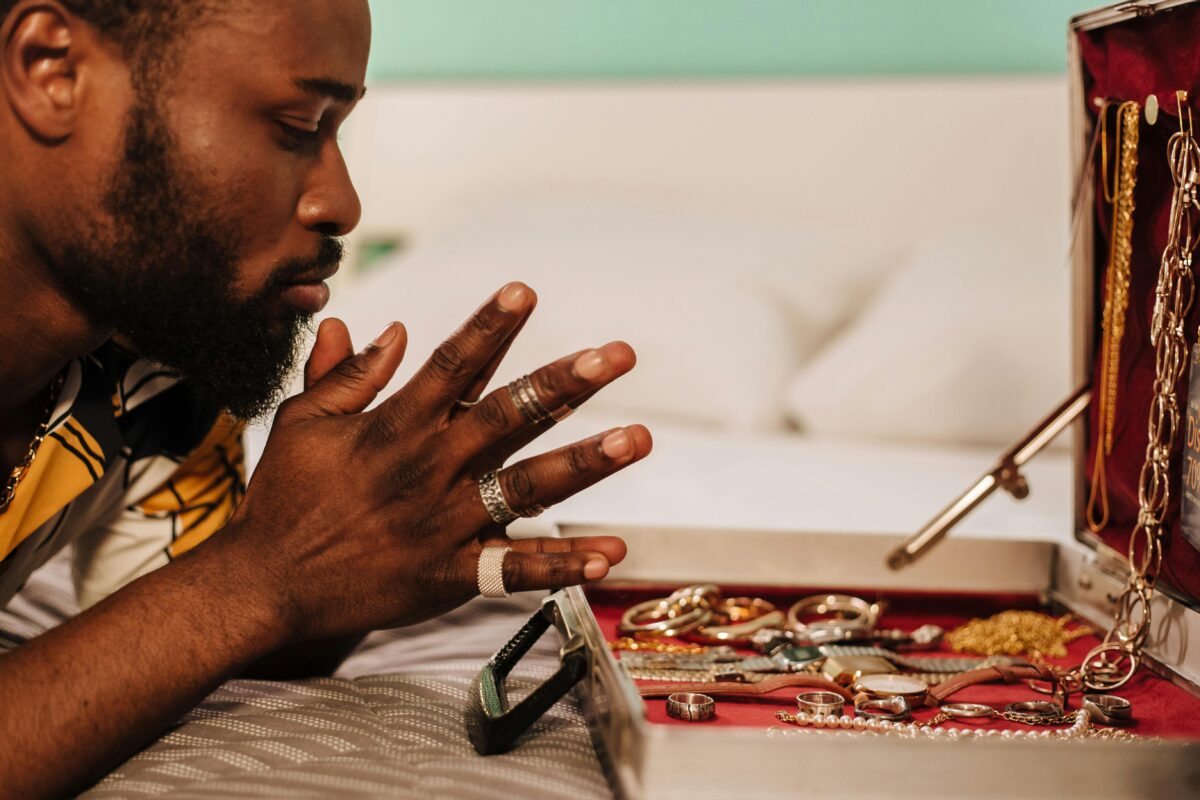
Affordable jewelry can be fun, playful, and useful for changing looks without breaking the bank. The trouble begins when it is bought mainly to look rich, glamorous, or more put-together than the buyer actually feels. Big rings, shiny chains, stacked bracelets, and dramatic earrings can create a quick impression, especially at parties, dinners, or social events.
Then the shine starts to betray the purchase. The metal changes color, the stones loosen, the clasp breaks, or the piece irritates the skin. What once looked bold and expensive can begin to look tired after only a few wears. Cheap jewelry is not the enemy, but jewelry bought to fake luxury often loses its magic fast.
Party Outfits Bought for One Night

A party outfit can feel urgent because events come with social pressure. People know photos may be taken, old friends may be watching, and everyone wants to look like they made an effort. That pressure makes a cheap one-night outfit feel reasonable. The buyer tells themselves it is just one small purchase for one important moment.
But one-night clothing has a way of multiplying. The outfit may never be worn again because it is too flashy, too tight, too uncomfortable, too recognizable, or too tied to one event. After a few months, the closet becomes full of clothes that had a big night and no future. The money may seem small each time, but the habit becomes expensive when every event demands a new version of yourself.
Fake Designer Accessories That Fool Nobody for Long
A fake designer belt, wallet, watch, or bag can feel like a shortcut to luxury. It offers the visible logo without the high price tag, making it tempting for people who want the look of wealth without the cost. For a short time, it may even feel clever, especially in photos or around people who pay attention to brands.
The problem is that fake luxury often brings fake confidence. The buyer may start worrying that someone will notice the weak stitching, strange logo spacing, shiny plastic finish, or cheap hardware. Instead of feeling polished, they feel nervous. A simple, well-made accessory with no famous logo often looks more mature than a counterfeit piece that tries too hard to fit in a richer room.
Phone Cases and Small Gadgets That Create a Fake Upgrade
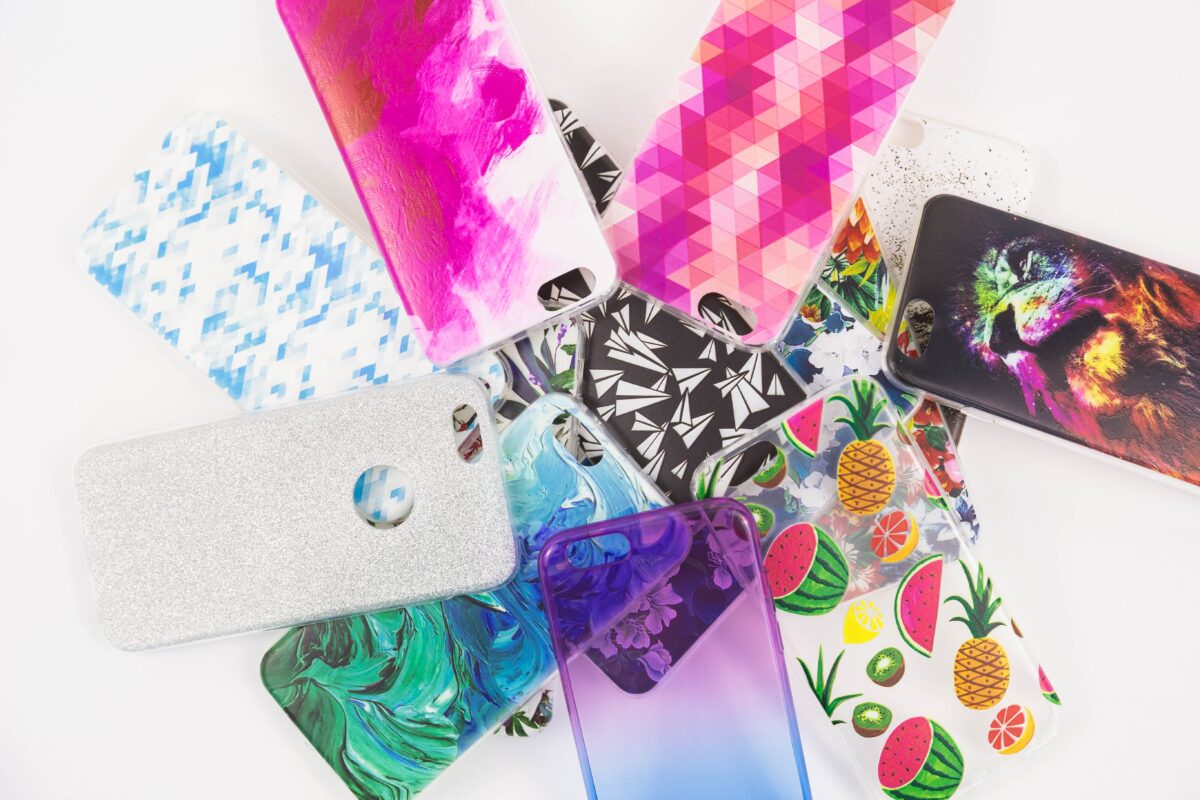
Not everyone can buy the newest phone, so small accessories can feel like a cheaper way to look updated. A glossy phone case, ring light, magnetic charger, camera lens attachment, grip, stand, or colorful keyboard can make a device feel newer for a moment. These items seem practical, but many are bought because they make the owner look more tech-savvy, creative, or polished.
The regret comes from how quickly these gadgets pile up. One phone case becomes five. One ring light becomes a drawer of cords, clips, stands, and accessories that rarely leave the house. The old phone still works the same, but the buyer has spent money chasing the feeling of having something fresh. It is a cheap upgrade on the surface, but often a clutter trap underneath.
Home Decor That Looks Stylish but Feels Empty
Small home decor items are easy to justify because they seem affordable and harmless. A candle, vase, throw pillow, fake plant, gold tray, framed print, decorative bowl, or fancy mug can quickly make a room look more polished. People buy them because they want their space to feel grown-up, stylish, and impressive when guests arrive or when photos are taken.
The problem is that decor bought for image can turn a home into a crowded display shelf. The room may look decorated, but not comfortable. Some items collect dust, take up space, and serve no real purpose beyond looking nice for a few seconds. A home should feel warm, personal, and easy to live in before it looks impressive. Cheap decor becomes regrettable when it adds visual noise instead of real comfort.
Budget Perfumes That Try Too Hard

Perfume is one of the easiest, most affordable ways to draw attention. A person may buy a budget fragrance because it smells bold, expensive, romantic, powerful, or mysterious at first spray. It can feel like instant confidence in a bottle, especially before a date, a meeting, a party, or a night out.
The regret appears when the scent changes after a few minutes or disappears too quickly. Some cheaper perfumes become too sharp, too sweet, or too heavy on the skin. Others push people to spray too much to make the fragrance last longer. Instead of smelling polished, they risk becoming overwhelming. A clean, subtle scent usually leaves a better impression than a loud one trying to imitate luxury.
Discount Sunglasses That Pretend to Be Luxury
Sunglasses are small, visible, and powerful as a style signal. A cheap pair can instantly make an outfit look cooler, sharper, or more expensive. That is why people often buy discount sunglasses that copy luxury shapes, oversized frames, or celebrity styles.
The disappointment usually arrives quickly. The lenses scratch, the frame bends, the screws loosen, or the glasses become uncomfortable after an hour. Some pairs look great in selfies but feel flimsy in daily use. Sunglasses should protect the eyes, fit the face, and survive more than a few outings. When they are bought mainly to look expensive, they often reveal their cheapness at the worst time.
Fancy Cups, Bottles, and Lifestyle Props
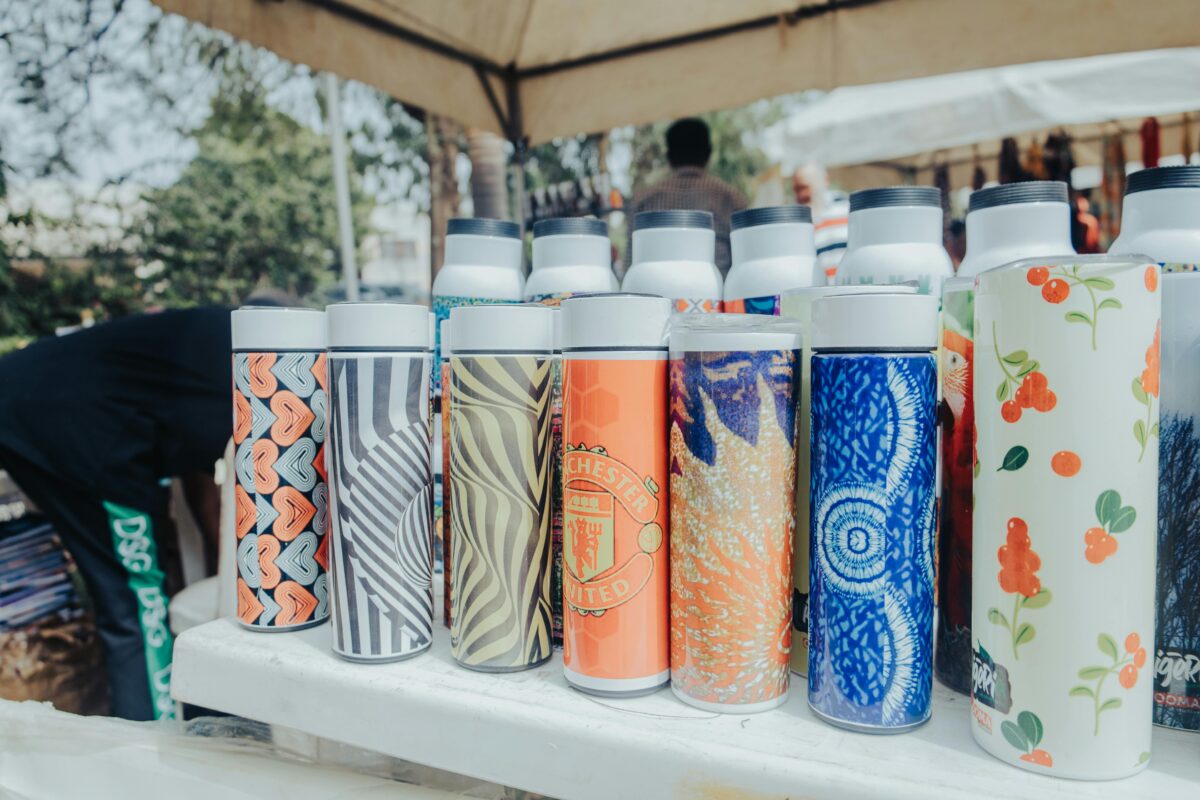
A stylish cup, tumbler, planner, tote bag, lunch box, or water bottle looks practical at first. These items seem useful, affordable, and easy to defend. The hidden problem is that many people buy them because they want to look organized, healthy, productive, creative, aesthetic, or disciplined.
The regret begins when the object does not change the habit. The water bottle does not make someone drink more water. The planner does not automatically create discipline. The cute coffee cup does not make mornings peaceful. The tote bag does not, by itself, create a more stylish life. These things can support a routine, but they cannot build the routine for you.
Conclusion
Cheap purchases can be more dangerous than expensive ones because they do not scare us at checkout. They feel small, harmless, and easy to explain. That is why people repeat them without noticing the pattern. A little item bought for attention can turn into a drawer, shelf, closet, or room full of things that looked better in the fantasy than they feel in real life.
The smartest question before buying is simple: Would this still matter if nobody saw it? If the answer is yes, the purchase may be useful, joyful, or worth keeping. If the answer is no, it may be another tiny performance disguised as a bargain. Real confidence is cheaper than most people think, because it doesn’t need a logo, trend, prop, or a perfect photo to prove anything.