12 Family Meal Ideas That Save Parents From Mealtime Chaos
Family food planning gets messy fast when everyone wants something different, the grocery budget keeps shrinking, and dinner somehow arrives every single evening like a tiny household emergency. We can have a fridge full of ingredients and still feel stuck if the food does not match real family life. Parents need meals that work for picky eaters, tired mornings, school lunches, toddler nutrition, road trips, freezer prep, and those broke weeks when every dollar has to stretch.
The smartest family meal system does not depend on fancy ingredients or perfect planning. It depends on flexible food ideas that can bend around busy schedules, changing appetites, low energy, and real budgets. These family meal ideas bring together easy breakfast recipes, quick three-ingredient meals, cold school lunches, air fryer favorites, freezer meals, toddler protein portions, and snack ideas that keep active kids fueled without turning the kitchen into a full-time job.
Sunday Breakfasts That Feel Special Without Feeling Exhausting
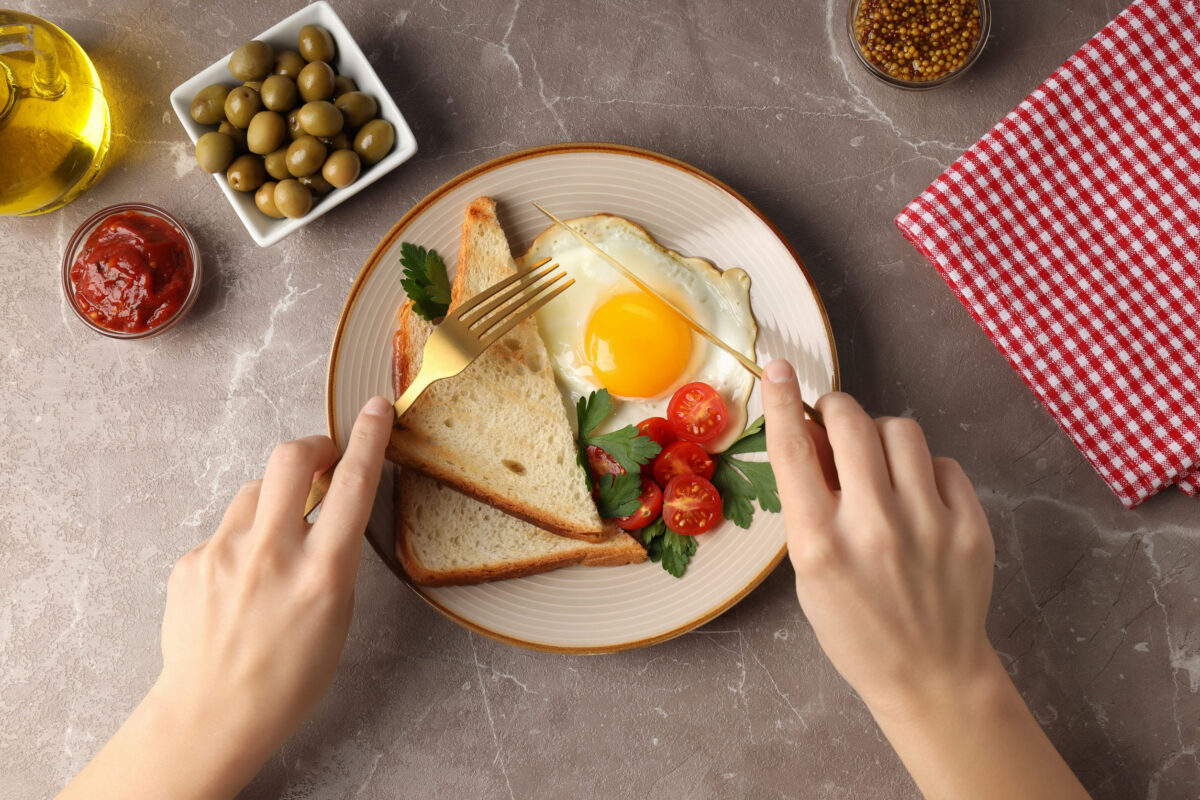
Sunday breakfast works best when it feels cozy, slow, and a little more generous than the rushed meals of the week. We do not need a restaurant-style spread to make the morning feel special. Pancakes, egg muffins, baked oatmeal, French toast, breakfast burritos, yogurt parfaits, and fruit-topped waffles can turn an ordinary morning into something children remember.
The trick is choosing breakfast recipes that create comfort without creating chaos. A sheet-pan pancake saves time by skipping endless flipping at the stove, and baked oatmeal can stretch across several mornings. We can also build a simple breakfast board with boiled eggs, toast, fruit, yogurt, cheese, and spreads, allowing every family member to pick what they like without forcing one meal on everyone.
Three-Ingredient Meals For Nights When Energy Is Gone
Three-ingredient meals are a quiet lifesaver because they remove decision fatigue from cooking. We can build satisfying meals with pasta, sauce, and cheese, or rice, beans, and salsa. Eggs, tortillas, and shredded cheese can become quesadillas in minutes, and canned tuna, mayo, and bread can turn into a quick sandwich dinner when the day has already won.
The best quick meals do not feel lazy when they are planned well. A three-ingredient meal can still offer protein, fiber, and comfort if we keep reliable staples nearby. Parents can stock tortillas, eggs, pasta, frozen vegetables, rotisserie chicken, rice, beans, canned fish, yogurt, oats, peanut butter, and cheese so there is always a backup meal on hand.
Dinner Ideas For Picky Eaters That Do Not Start A Table War
Picky eating becomes harder when dinner feels like a battle instead of a choice. We can make dinner easier by serving meals in parts rather than mixing everything together. Taco bowls, pasta bars, baked potato nights, rice bowls, homemade pizzas, sandwich boards, and breakfast for dinner let children choose familiar ingredients without rejecting the whole meal.
This approach gives parents more control without making kids feel cornered. A child who dislikes sauce can still eat plain pasta with cheese. A child who refuses vegetables may accept cucumber sticks beside a sandwich. When meals are customizable, picky eaters get a sense of control, and parents still keep protein, grains, fruits, and vegetables on the plate.
Cheap Meals For Broke Weeks That Still Feel Filling
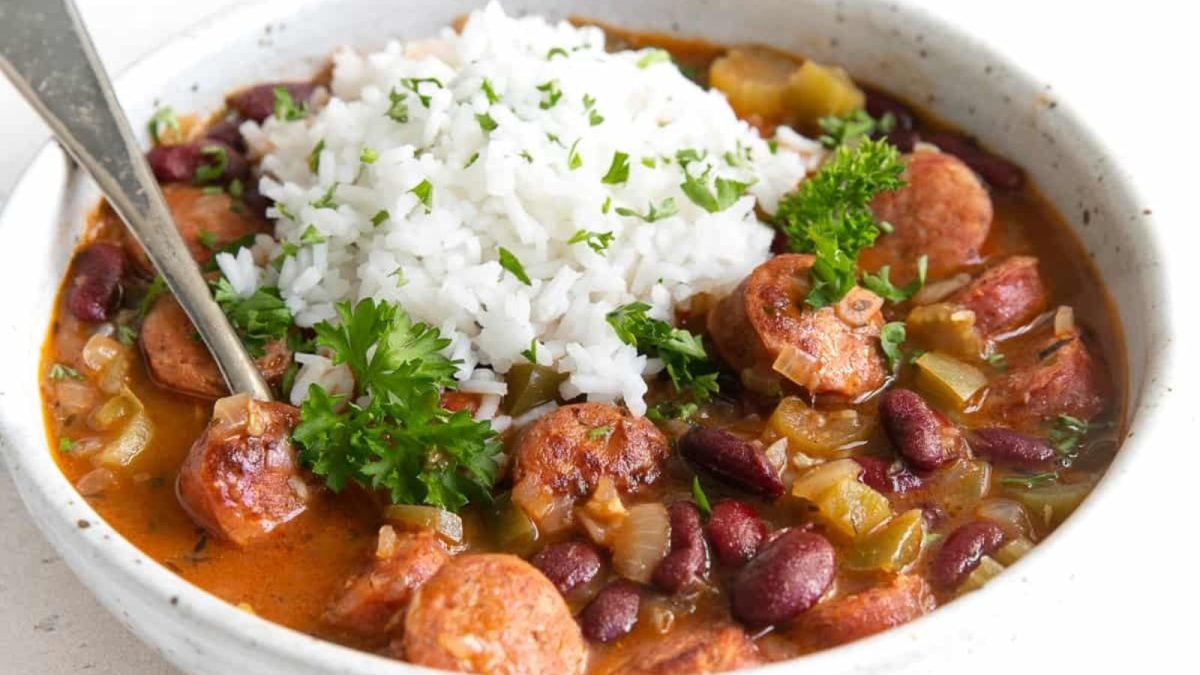
Budget meals do not have to taste like punishment. Some of the most reliable family dinners come from humble ingredients such as rice, potatoes, eggs, lentils, beans, cabbage, pasta, oats, carrots, frozen vegetables, and canned tomatoes. These foods stretch well, cook easily, and let you feed several people without panic at the checkout line.
We can build cheap meals around volume and comfort. Lentil soup, fried rice, bean burritos, potato hash, spaghetti with tomato sauce, vegetable stew, egg sandwiches, tuna pasta, oatmeal bowls, and rice with beans can carry a family through tough weeks. Adding small flavor boosters such as garlic, onion, bouillon, herbs, cheese, or hot sauce makes simple food taste more complete.
Toddler Protein Portions That Support Growth Without Overfeeding
Toddler meals need balance, not oversized adult portions. We can offer protein in small, manageable servings through eggs, yogurt, cheese, beans, lentils, chicken, fish, tofu, nut butter, hummus, cottage cheese, turkey, beef, and soft-cooked peas. The goal is to give toddlers steady nourishment in a form they can chew, hold, and enjoy.
Protein works best when paired with familiar foods. Scrambled egg with toast, yogurt with banana, beans with rice, chicken strips with sweet potato, cheese with crackers, or hummus with soft pita can feel safe to a young child. We should keep textures gentle, flavors simple, and portions realistic because toddlers often eat well one day and barely touch food the next.
No Pre-Cooking Freezer Meals For Busy Parent Survival
Freezer meals become powerful when they do not require cooking before storage. We can assemble raw ingredients in freezer bags or containers, label them clearly, and cook them later in a slow cooker, an oven, a skillet, or a pressure cooker. This saves the most time on the days when homework, work stress, errands, and bedtime routines all crash into dinner.
Good no-pre-cook freezer meals include chicken fajita packs, beef and vegetable stew kits, marinated chicken thighs, turkey meatball mix, dump-and-bake pasta, vegetable curry packs, breakfast burritos, smoothie packs, and soup starter bags. The key is freezing meals flat, removing excess air, writing cooking instructions on the container, and grouping ingredients that cook at a similar speed.
Cold School Lunches Kids Actually Want To Eat
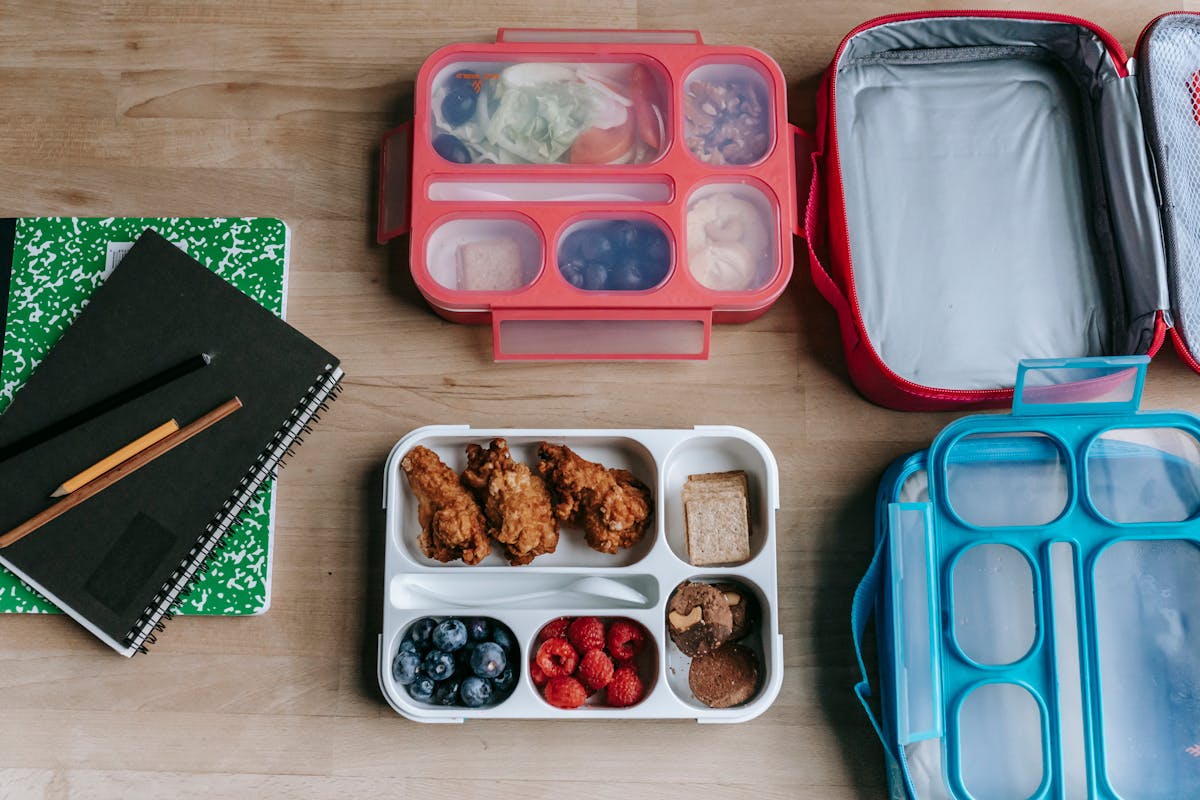
Cold school lunches need to survive backpacks, short lunch breaks, and children who suddenly decide they hate the food they loved yesterday. We can keep lunchboxes interesting by rotating wraps, pasta salad, crackers with cheese, mini sandwiches, boiled eggs, yogurt cups, hummus with pita, chicken strips, fruit skewers, muffins, rice balls, and vegetable sticks with dip. Variety matters because children often eat better when lunch looks inviting.
The strongest cold lunches have a simple formula. We can pack one protein, one grain, one fruit, one vegetable, and one small fun item. A turkey wrap, apple slices, cucumber sticks, yogurt, and a small cookie feel balanced without becoming complicated. A pasta salad with chicken, grapes, carrots, and cheese cubes can also keep a child full through the school day.
Extreme Poverty Meals That Teach Resourcefulness
Extreme poverty meals show how families survive when food choices shrink and every ingredient matters. Meals built from rice, beans, cornmeal, cabbage, potatoes, noodles, lentils, bread, broth, and leftover scraps often come from necessity rather than trend. These meals deserve respect because they reflect survival, creativity, and the ability to make something filling from almost nothing.
We can learn practical lessons from these meals without romanticizing hardship. Resourceful cooking teaches us to use leftovers, save bones for broth, turn stale bread into crumbs or toast, stretch meat with beans, and build meals around affordable staples. A pot of beans can become dinner, burrito filling, soup, or lunch topping across several days.
Road Trip Snacks That Do Not Spoil In The Car
Road trip snacks need to be durable, clean, and easy to eat without turning the back seat into a disaster zone. Shelf-stable snacks such as trail mix, granola bars, crackers, pretzels, dried fruit, roasted chickpeas, popcorn, cereal cups, rice cakes, applesauce pouches, beef jerky, nut butter packs, and whole fruit can travel well. These options help families avoid the high prices at gas stations and frequent fast-food stops.
The best road trip snack plan mixes crunchy, sweet, salty, and protein-rich choices. Kids get bored quickly, so a small snack box with compartments can feel more exciting than one large bag of food. We can also pack wipes, small trash bags, water bottles, and a few surprise snacks to reduce meltdowns during long drives.
Air Fryer Recipes For Fussy Kids
Air fryers help parents make crispy foods without waiting for the oven or dealing with deep-frying. Fussy kids often respond well to texture, and the air fryer gives foods a golden crunch that feels familiar. Chicken tenders, potato wedges, fish sticks, quesadillas, mini pizzas, veggie nuggets, apple chips, and crisp tofu can become fast family favorites.
The air fryer also makes it easier to introduce new foods, not just safe ones. A child who loves fries may try sweet potato wedges. A child who likes nuggets may accept homemade chicken bites. We can keep sauces on the side, cut food into small pieces, and avoid overwhelming seasoning when cooking for children who are sensitive to flavor or texture.
Bulletproof Snacks For Active Kids Who Burn Energy Fast
Active kids need snacks that do more than quiet hunger for ten minutes. We can combine protein, healthy fats, fiber, and slow-burning carbohydrates to keep them steady between meals. Greek yogurt with fruit, peanut butter on toast, cheese with crackers, boiled eggs, hummus with pita, trail mix, banana with nut butter, and smoothies can fuel long school days, sports, and outdoor play.
Snack timing matters too. A sugary snack alone may create a quick burst followed by another hunger crash. A balanced snack keeps children satisfied longer and helps them focus. We can prep snack bins in the fridge and pantry, so kids have parent-approved choices ready without asking for chips every time hunger appears.
Breakfast Meal Prep For School Mornings
School mornings become easier when breakfast does not require fresh thinking. We can prepare overnight oats, egg muffins, freezer pancakes, breakfast burritos, smoothie packs, chia pudding, banana bread, and yogurt jars ahead of time. These meals help children eat before school without turning the kitchen into a race track.
A good breakfast prep system should include both grab-and-go and warm options. Some mornings call for a microwave breakfast burrito, while others need yogurt and fruit that can be eaten quickly. Parents can rotate two or three options each week so breakfast stays simple without becoming boring.
Conclusion
Family cooking becomes easier when we stop chasing perfect meals and start building practical systems. A strong parent-friendly kitchen needs quick breakfasts, cold school lunches, picky-eater dinners, budget meals, freezer backups, road-trip snacks, toddler protein options, and active-kid snacks that actually fit real life. We can feed a family well without cooking from scratch every night or buying expensive specialty foods.
The best family meal ideas are simple, flexible, and forgiving. They help us stretch groceries, reduce waste, calm dinner stress, and give children food they can trust. Once we build a routine around practical meals, the kitchen stops feeling like a daily crisis and starts working like a family support system.