A Fight Over National Park Signs Is Now About Who Gets to Tell America’s Story
A sign in a national park may look harmless.
A plaque on a wall. A few lines beside a battlefield. A display inside a visitor center. A marker near a trail where families stop, read, take photos, and move on.
But in America right now, even a park sign can become a political fight.
A federal judge has ordered the Trump administration to restore national park signs, exhibits, and historical materials that were altered or removed under a policy governing how federal sites present American history. The ruling has turned what sounded like a quiet agency dispute into a much larger argument about memory, patriotism, and who gets to decide what the public sees.
This is not only about signs.
It is about whether America tells its story with the hard chapters included, or whether public history should focus more on pride, unity, and national achievement.
That is why this ruling is already reaching far beyond the parks themselves.
The sign fight is really about memory
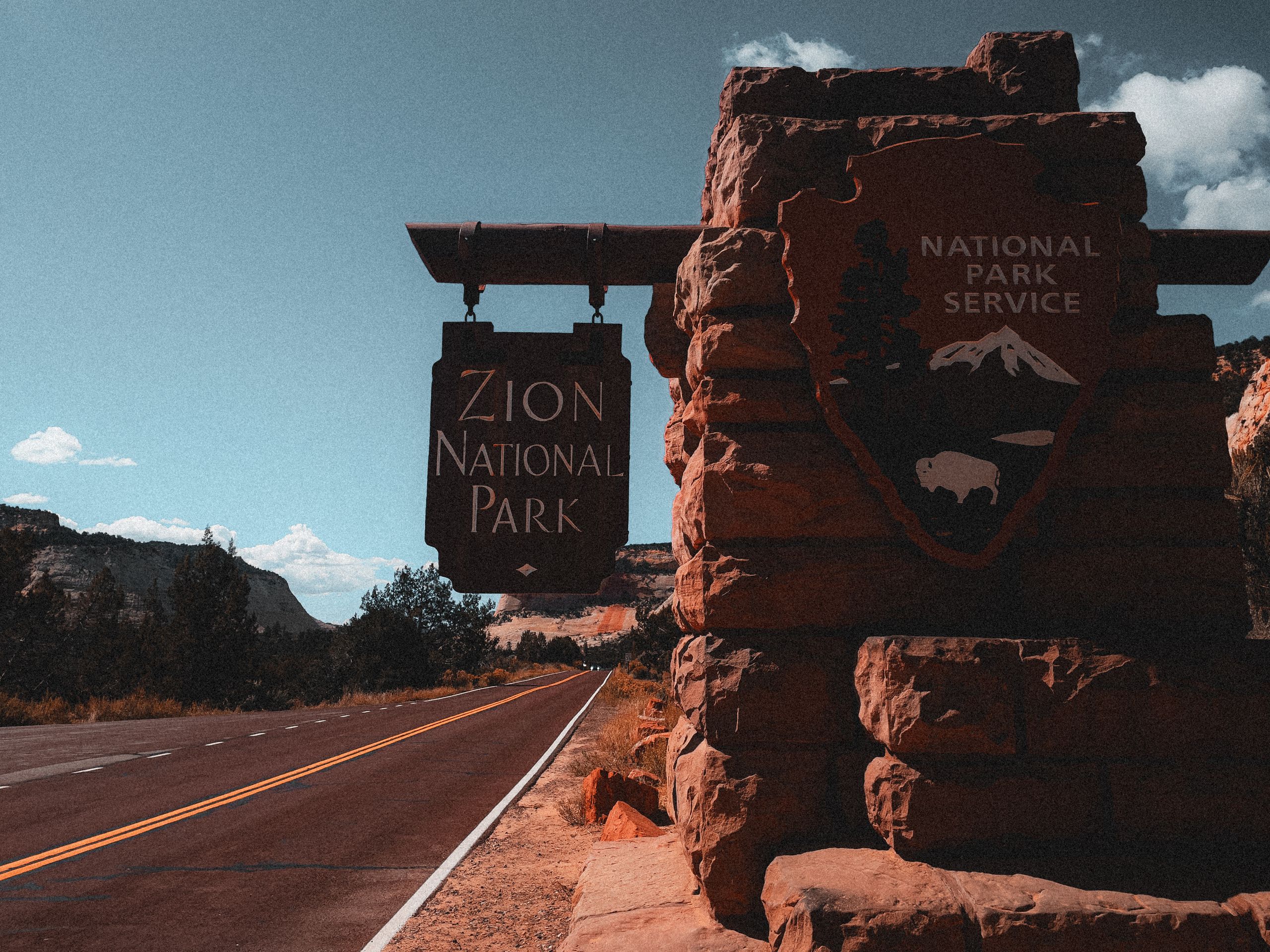
The ruling came from U.S. District Judge Angel Kelley in Massachusetts, who issued a preliminary injunction requiring the government to restore certain changed materials while the legal case continues.
The challenge was brought by groups that argued the administration’s policy affected fact-based history and science content in public spaces. Their concerns centered on materials related to subjects such as slavery, civil rights, Indigenous history, LGBTQ history, and climate change.
The administration’s broader position has been that federal institutions should not present American history in a way it views as one-sided, negative, or politically tilted.
That is the collision at the center of the case.
One side says the public deserves the full story, including the painful parts. The other side says public spaces should not frame America mainly through its failures.
That is why this is not a small dispute over wording. It is a fight over national memory.
Why parks became the battlefield
National parks are not only places for hiking, camping, and vacation photos.
They are outdoor classrooms.
Families visit them to see mountains, forests, battlefields, monuments, historic homes, tribal lands, fossil beds, and places where major American events unfolded. For many visitors, the signs and exhibits at those sites become part of how they understand the country.
That is why changing a few lines on a plaque can matter more than it first appears.
A display about slavery is not just a display. A sign about Indigenous history is not just a sign. A climate panel is not just a wall of text. These materials help shape how millions of people understand land, power, conflict, science, progress, and loss.
The fight is not only about what is written.
It is also about what gets left out.
The court order keeps the issue alive
Judge Kelley’s order does not end the case, but it does change the moment.
The court said the government must restore the affected materials while the legal fight continues. That means the administration cannot simply move forward as if the challenge is settled.
The judge also required progress reporting, which keeps the issue active rather than allowing it to disappear in agency paperwork.
For groups challenging the changes, the ruling is an important win.
For supporters of the administration’s approach, it may feel like another example of courts stepping into a cultural debate over how federal institutions should describe America.
That tension is why the story has weight.
It is not just about who controls a sign. It is about who controls the story behind it.
The word history is doing heavy lifting
Every side in this fight says it is defending history.
That is what makes the argument so charged.
Supporters of the administration’s approach often argue that public sites should not be used to shame the country or reduce its story to oppression, grievance, and failure. They want national parks and monuments to reflect achievement, sacrifice, progress, and shared pride.
Opponents see the issue differently. They argue that pride without honesty becomes selective memory. In their view, America’s achievements mean more, not less, when visitors also understand the struggles and injustices that shaped them.
Both arguments touch something real in American life.
People want to love their country. People also want the truth.
The hard part is deciding where the balance belongs, and who gets the authority to set it.
Why did this hit visitors differently?
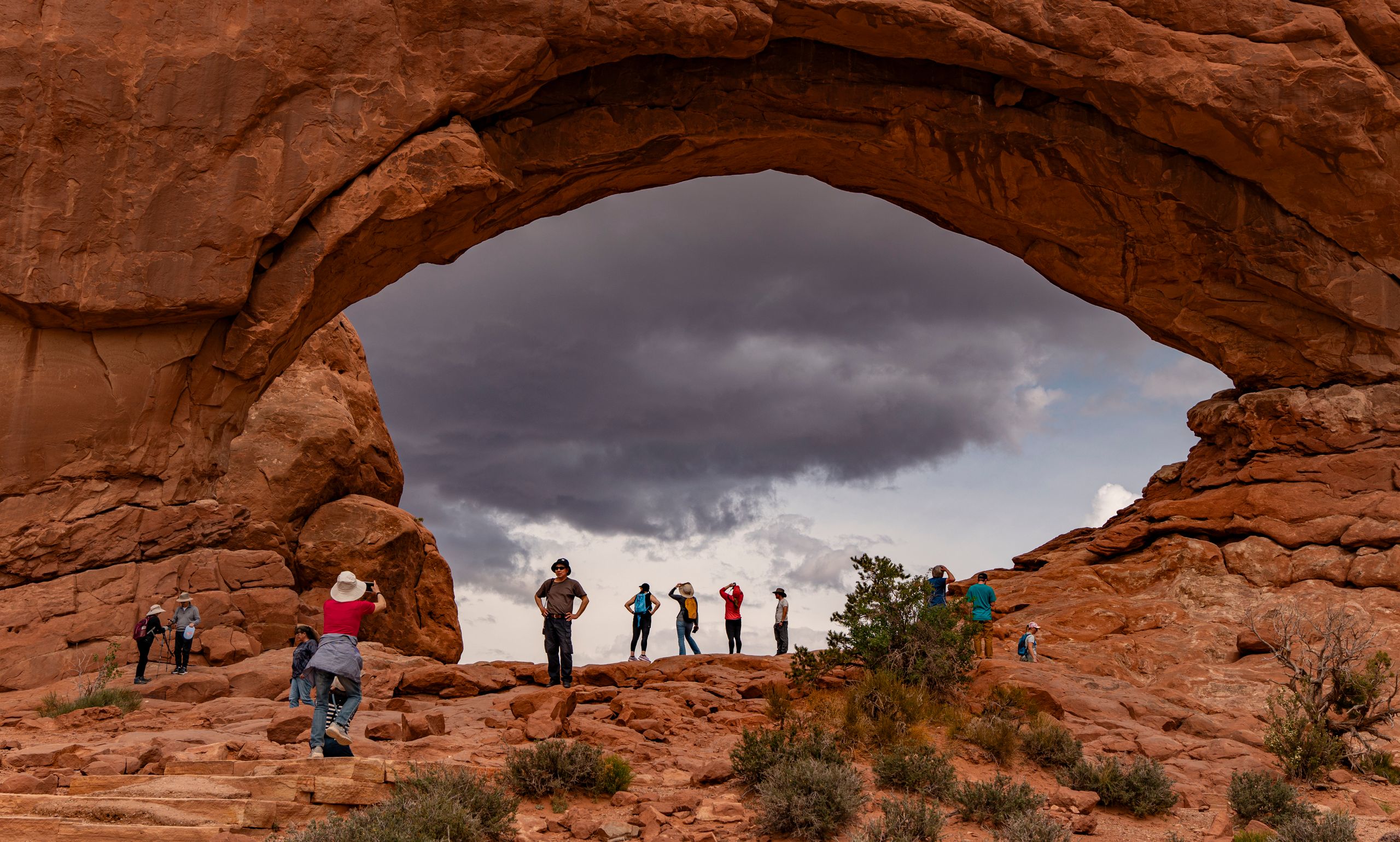
For many Americans, national parks feel less political than Washington.
That is part of their appeal.
People go there to breathe, learn, hike, camp, teach their children, honor the past, and feel connected to something larger than daily political noise. But this case shows that even those spaces cannot fully escape the country’s bigger arguments.
A battlefield sign can become a debate about race.
A museum display can become a debate about patriotism.
A climate panel can become a debate about science and public trust.
That is why this ruling feels bigger than one lawsuit. It shows how deeply America’s culture wars have moved into public institutions that many people once assumed were neutral ground.
And once those debates enter the places where children learn history on family trips, the reaction becomes even stronger.
The administration still has legal options
The order is important, but it is not the final word.
A preliminary injunction means the judge has ordered action to be taken while the case continues. The administration may still challenge the ruling, appeal parts of it, or defend the policy further in court.
That matters because this issue is unlikely to disappear quickly.
Even if signs are restored, the larger debate over public history will continue. Future administrations can shift emphasis again. Courts can review agency actions. Advocacy groups can bring new challenges. Park employees may still face pressure over how exhibits are written.
In other words, the signs may go back up, but the argument is not coming down.
That is what makes this story politically powerful.
It is not a one-day headline. It is another chapter in a much longer fight over how America explains itself.
Why Americans are reacting so strongly
This story spreads because it looks simple on the surface and explosive underneath.
At first glance, it is about signs.
Underneath, it is about slavery, race, Native history, climate change, LGBTQ history, executive power, public education, and national identity.
That mix is exactly why Americans are reacting strongly.
Some see the judge’s order as a defense of public history and factual context.
Others see it as another court ruling against an effort to change how federal institutions present the country.
Many readers may fall somewhere in the middle. They may believe America should be taught honestly while also worrying that public history has become too politically charged.
That middle ground is where the argument gets complicated.
No one wants national parks turned into political shouting matches. But no one agrees on what counts as neutral history anymore.
The real fight is over what America remembers
The most powerful part of this case is not the legal language.
It is the emotional question beneath it.
What should America remember in public?
Should national parks focus on inspiration and unity? Should they lean into difficult truths? Can they do both without turning every exhibit into a political argument?
Those questions are not new. But this ruling puts them back in front of the country at a time when trust in institutions is already fragile.
The signs may be small.
The fight over them is not.
What happens next
The administration has been ordered to restore the affected materials and report on its progress. The legal case will continue, and the political debate around it will likely grow louder.
For visitors, the change may eventually show up in a simple way: a sign returned to a wall, a display restored in a visitor center, or a panel placed back where it once stood.
But the meaning behind those signs is much larger.
This ruling is a reminder that national parks do more than preserve land. They preserve memory.
And in a divided country, memory is never just about the past. It is also about the kind of America people believe should be passed on next.