Lettuce Recall Sparks National Food Safety Debate After Cyclospora Outbreak Sickens More Than 1,600 People
A bag of shredded lettuce sitting inside a refrigerator may seem harmless. Still, a nationwide food safety investigation has turned a common kitchen item into the center of a growing public health debate. More than 1,600 people across multiple states have been sickened in a Cyclospora outbreak linked to shredded iceberg lettuce, pushing federal agencies, restaurants and food suppliers into a race to understand how contamination happened.
The outbreak has raised questions that go far beyond one ingredient or one restaurant chain. Health officials say the source has been identified and corrective actions have been taken. Still, lawmakers and public health experts are debating whether America’s food surveillance systems are strong enough to catch future outbreaks before they spread. The investigation has become a test of public confidence in the country’s ability to protect the food supply.
The Lettuce Outbreak That Turned a Common Ingredient Into a National Health Concern
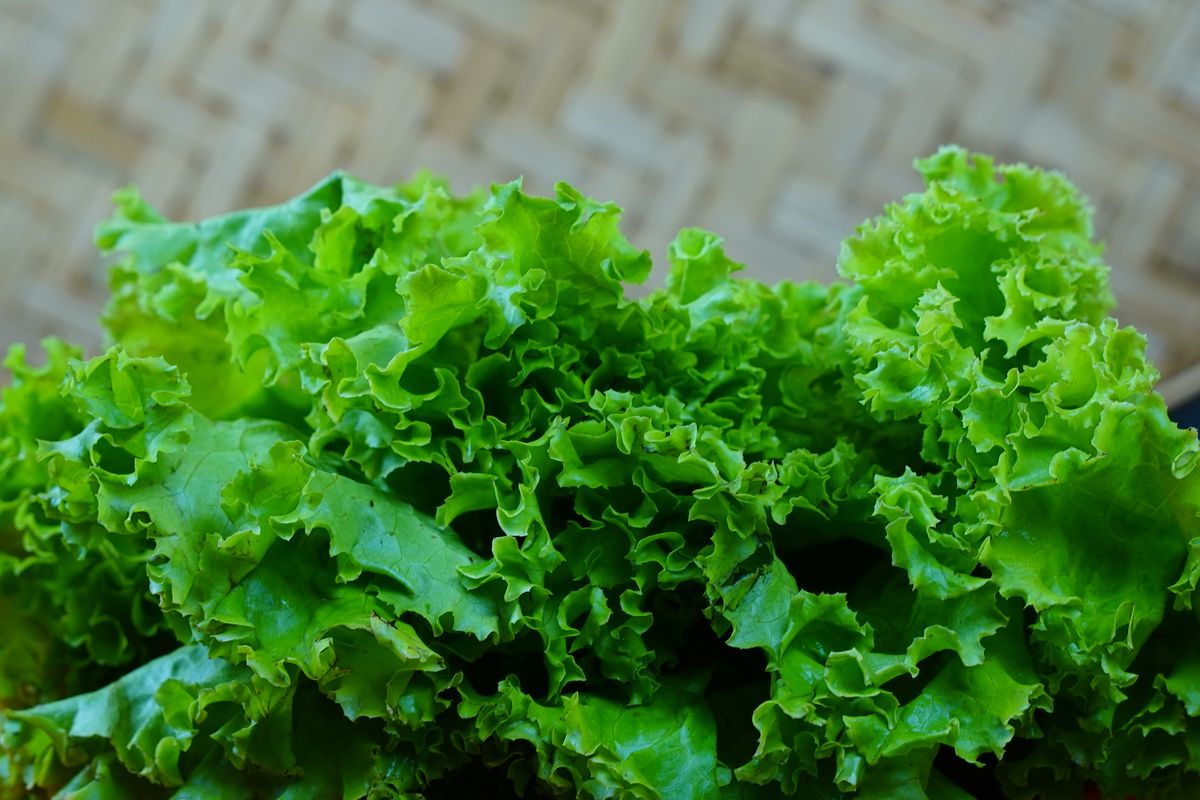
The investigation began after health officials identified a connection between reported Cyclospora illnesses and shredded iceberg lettuce served at some Taco Bell locations. The lettuce was supplied by Taylor Farms and sourced from central Mexico, leading the company to voluntarily recall affected products and announce that it would stop sourcing iceberg lettuce from that region for the remainder of the growing season. What started as a supply chain issue quickly became a nationwide concern as officials worked to identify every possible connection.
Fresh produce outbreaks are especially challenging because the same ingredient can travel through multiple states before reaching consumers. A single contaminated batch can move from farms to processing facilities, distributors, restaurants and grocery stores before anyone realizes there is a problem. By the time illnesses appear, investigators often have to work backward through a complicated network to find where contamination occurred.
The Parasite Behind the Outbreak Is Harder to Detect Than Ordinary Food Poisoning
Unlike familiar foodborne illnesses caused by bacteria such as Salmonella or E. coli, cyclosporiasis is caused by a microscopic parasite called Cyclospora cayetanensis. The infection can cause prolonged diarrhea, stomach cramps, nausea, fatigue, and loss of appetite, making it a serious illness for people who become infected. One of the biggest challenges is that symptoms may not appear immediately, making it harder for investigators to connect illnesses to a specific meal.
Cyclospora outbreaks require detailed detective work because the parasite behaves differently from many other foodborne threats. It is usually spread through contaminated food or water rather than direct person-to-person contact, which means investigators must focus heavily on tracing ingredients and supply chains. Finding the source often requires laboratory testing, patient interviews, and careful review of where people ate and what they consumed.
How One Lettuce Supply Chain Created a Multi-State Investigation

The modern food system allows Americans to enjoy fresh produce year-round, but it also creates challenges when contamination occurs. Lettuce can travel through several stages before reaching a restaurant plate, including farming, harvesting, processing, packaging, transportation, and preparation. Each step creates another point where investigators must examine possible contamination risks.
The Cyclospora outbreak shows how quickly a local food problem can become a national issue. A single supplier connected to multiple restaurants or distribution networks can potentially affect customers hundreds of miles apart. That is why federal and state health officials often rely on detailed supply chain records to identify patterns and prevent additional illnesses.
Why Taco Bell Became Part of the National Food Safety Investigation
Taco Bell locations became connected to the investigation after health officials linked some illnesses to shredded iceberg lettuce served at certain restaurants. The connection brought additional attention because large restaurant chains operate across many communities and rely on complex supplier networks. When a potential problem involves a widely distributed ingredient, the response often requires coordination between companies, regulators and public health agencies.
For consumers, the situation highlighted how much trust is placed in the systems behind everyday meals. Most customers never see the farms, processing facilities or transportation networks involved in producing their food. They expect that the ingredients served at restaurants have passed through proper safety checks before reaching their plate.
RFK Jr. Says the Outbreak Is Controlled as Officials Defend Their Response
Health and Human Services Secretary Robert F. Kennedy Jr. said the outbreak was “under control” after federal officials identified the likely source and companies involved began taking corrective action. Kennedy said investigators used extensive epidemiological methods to trace the outbreak and that recalls had been implemented to reduce the risk of additional illnesses.
His comments came as the administration faced criticism from some lawmakers who questioned whether recent changes to public health programs could affect future outbreak detection. Critics argued that reducing certain surveillance requirements could create gaps in the country’s ability to recognize foodborne threats quickly. Supporters of the administration argued that agencies continue to monitor illnesses through other reporting systems.
The FoodNet Debate Raises Questions About America’s Outbreak Tracking System
One of the biggest political debates surrounding the outbreak involves changes to the CDC’s Foodborne Diseases Active Surveillance Network, known as FoodNet. The program has historically helped track foodborne illnesses across selected states and provided valuable information about infection trends. Some lawmakers argue that reducing certain reporting requirements could make it harder to identify emerging problems.
Sen. Jon Ossoff criticized the administration’s handling of food safety programs and questioned why Cyclospora tracking through FoodNet had changed. Kennedy pushed back against those claims, saying surveillance efforts were still active and arguing that some changes were made because of what officials considered unnecessary overlap. The disagreement reflects a larger debate over whether public health systems are becoming more efficient or losing important warning signals.
Inside the Race to Find the Source of a Foodborne Illness Outbreak
Finding the source of a foodborne outbreak is often like solving a complicated puzzle. Investigators must compare illness reports, examine laboratory samples, interview patients, and trace where contaminated products may have traveled. Every piece of information can help determine whether cases are connected or whether another source may be responsible.
The Cyclospora investigation also showed why accuracy matters during public health emergencies. The FDA initially reported that a lettuce sample supplied by Taylor Farms tested positive, but later clarified that the result was a false positive after reviewing the findings again. The situation demonstrated the difficult balance between acting quickly to protect consumers and ensuring that scientific conclusions are correct.
What Consumers Should Know About Cyclospora and Food Safety Risks
For consumers, the outbreak serves as a reminder that food safety concerns can involve everyday products people rarely question. Fresh vegetables are an important part of a healthy diet, but because many leafy greens are eaten raw, they do not go through cooking processes that can destroy certain contaminants. Paying attention to recall announcements and health guidance remains one of the easiest ways consumers can protect themselves.
People experiencing persistent diarrhea, stomach cramps, nausea, or other symptoms associated with cyclosporiasis should consider speaking with a healthcare provider. While many illnesses improve with treatment, some cases can last longer and require medical attention. Public health officials continue to encourage awareness as investigations move forward.
The Lettuce Outbreak Reveals Bigger Questions About America’s Food System
The Cyclospora outbreak has become more than a story about contaminated lettuce. It has highlighted the complicated relationship between global food supply chains, government oversight and public confidence. Americans depend on a system that moves food quickly and efficiently, but that same system creates challenges when something goes wrong.
The investigation will likely continue shaping conversations about how the country monitors food safety and responds to future outbreaks. While officials say the immediate threat has been controlled, the questions raised by the outbreak remain important. Protecting the food supply requires accurate surveillance, strong cooperation, and public trust from the farm all the way to the dinner table.