7 Foods That Can Negatively Affect Your Kidneys
Maintaining kidney health is crucial for overall well-being, and what you eat plays a significant role in safeguarding this vital organ. Kidneys are responsible for filtering toxins from the blood, regulating fluid balance, and controlling blood pressure. When kidney function begins to decline, waste products and fluids can accumulate, leading to various complications.
One of the most effective ways to prevent kidney damage and slow the progression of kidney disease is through diet. Certain foods, when consumed in excess, can strain the kidneys and exacerbate underlying conditions. This article explores seven foods that can harm your kidneys and why it’s essential to monitor your intake of them.
Red Meat

Red meat is a primary source of protein, an essential nutrient for body repair and muscle function. However, consuming too much protein, particularly from animal sources like red meat, can strain the kidneys. The kidneys are responsible for filtering waste products from protein metabolism, such as urea.
When you eat large amounts of red meat, the kidneys must work harder to eliminate these waste products, potentially leading to kidney damage over time. Additionally, red meat is high in saturated fats, which can contribute to heart disease.
If you have pre-existing kidney conditions, excessive protein intake can worsen kidney function by increasing the kidneys’ workload. Moderating your red meat intake and incorporating lean protein sources, such as fish and plant-based proteins, can alleviate this strain and support better kidney health.
Butter and High Saturated Fats
Butter, lard, and other sources of saturated fat can negatively affect your kidney function. While fats are essential in the diet, the type of fat you consume matters significantly. Saturated fats, commonly found in butter, raise your cholesterol levels, contributing to plaque buildup in the arteries. This can reduce blood flow to the kidneys, impairing their ability to filter blood efficiently.
The National Kidney Foundation highlights the connection between heart disease and kidney disease. When heart function is compromised, it puts additional stress on the kidneys, making it harder for them to function optimally. Cutting back on butter and other sources of saturated fat is essential for maintaining heart health, which in turn benefits your kidneys.
Peanuts

Peanuts may seem like a healthy snack option, but they contain high levels of oxalates, a compound found in kidney stones. Oxalates, when consumed in excess, can bind with calcium in the kidneys, leading to the formation of calcium oxalate kidney stones, the most common type. Kidney stones can cause intense pain and obstruct urine flow, leading to complications such as kidney infections and renal damage.
If you’ve experienced kidney stones in the past or have a family history of them, it’s wise to limit your intake of peanuts and other high-oxalate foods. Instead, opt for low-oxalate snacks such as almonds, sunflower seeds, and cashews to reduce the risk of stone formation and keep your kidneys healthy.
Canned Vegetables
Vegetables are generally a great addition to a kidney-friendly diet. However, canned vegetables often contain added sodium, which can pose a significant risk to kidney health. High sodium intake can impair the kidneys’ ability to filter excess fluid from the bloodstream, leading to increased blood pressure and fluid retention.
To protect your kidneys, it’s essential to limit your sodium intake. Choose fresh or frozen vegetables instead of canned varieties, or rinse canned vegetables thoroughly to reduce their sodium content. Reducing sodium intake not only benefits kidney health but also helps control blood pressure, another key factor in maintaining optimal kidney function.
Processed Meats

Processed meats, such as bacon, sausages, and hot dogs, are high in sodium and protein, both of which can harm your kidneys. Excessive sodium intake increases blood pressure, while high protein consumption forces the kidneys to work harder to filter waste products. The high-fat content in processed meats can also lead to inflammation, which can further damage kidney tissue over time.
For kidney health, it’s best to limit processed meats and replace them with lean, unprocessed protein sources, such as poultry, fish, and plant-based options like beans and legumes. A balanced diet with lower sodium and protein intake is key to reducing the risk of kidney damage and supporting overall health.
Organ Meats
Organ meats, such as liver and kidneys, are nutrient-dense but pose a hidden risk to kidney health. These meats are high in purines, compounds that the body breaks down into uric acid. Excessive uric acid in the blood can lead to gout, a painful form of arthritis, and can also contribute to the formation of uric acid crystals in the kidneys, which can lead to kidney stones.
For those with kidney disease or a history of kidney stones, it is advisable to avoid organ meats and opt for leaner cuts of meat that are lower in purines. Maintaining a balanced diet with proper hydration is essential to prevent uric acid buildup and protect kidney function.
Avocados
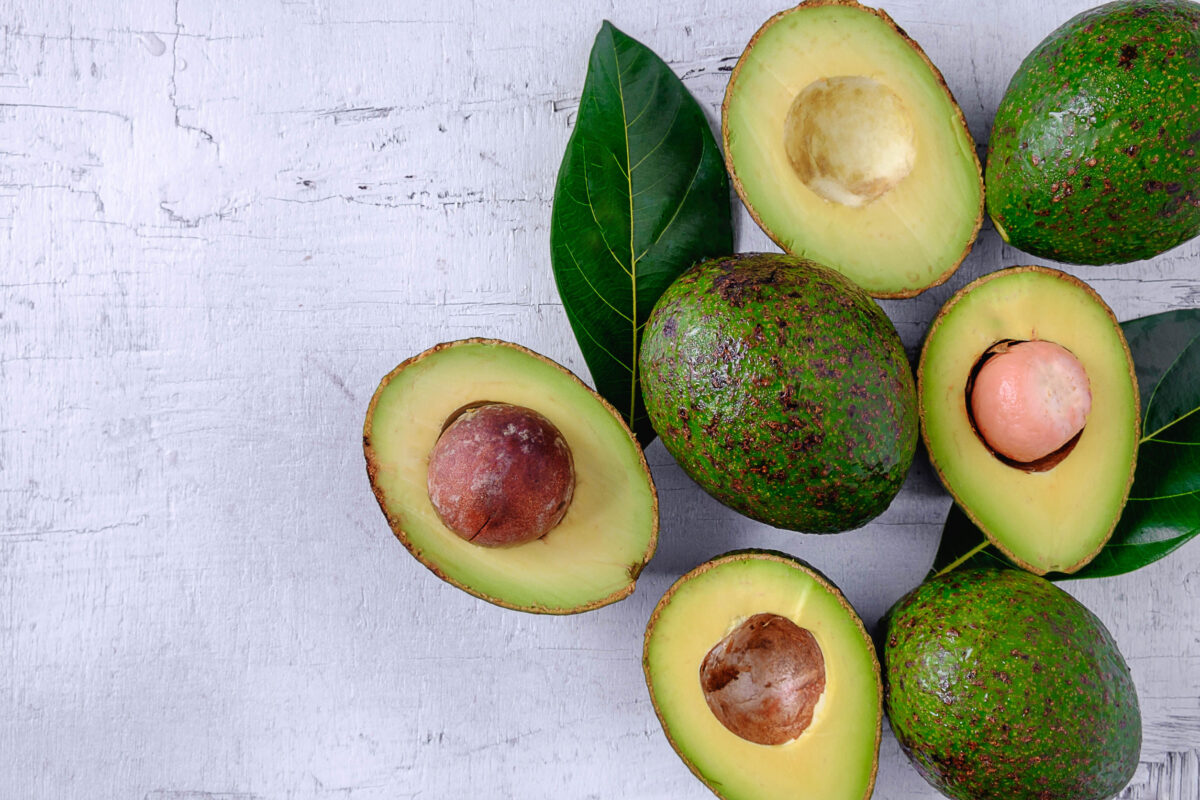
Avocados are a popular and nutritious food, but they are also high in potassium, a mineral essential for nerve and muscle function. While potassium is vital for overall health, excess potassium can be dangerous for individuals with kidney disease.
In people with compromised kidney function, the kidneys may struggle to regulate potassium levels, leading to hyperkalemia, which can cause irregular heart rhythms and muscle weakness.
If you have advanced kidney disease, you may need to limit your potassium intake, including foods like avocados. It’s important to monitor potassium-rich foods in your diet and consult with a healthcare provider to ensure you maintain a safe, balanced intake.
Conclusion
The health of your kidneys is intricately connected to what you eat. Foods like red meat, processed meats, peanuts, canned vegetables, and organ meats can put a significant strain on the kidneys, leading to complications such as kidney stones, high blood pressure, and impaired kidney function.
On the other hand, focusing on a balanced diet with lower sodium, moderate protein, and potassium-controlled foods can help keep your kidneys healthy and functioning optimally.