Why These 7 Protein-Packed Foods Are Actually Holding Back Your Fitness Goals
Protein has earned superstar status in the fitness world, and for good reason. It supports muscle repair and recovery, satiety, and overall performance. But there is a catch most people miss. When you choose a food for its protein alone, you are also choosing the full nutrition package that comes with it, including sodium, saturated fat, added sugar, calories, and how heavily processed it is. Harvard’s nutrition experts make this exact point in their guidance, noting that the whole protein package matters, not just the grams on the label.
That is why some foods that look fitness-friendly can quietly work against fat loss, steady energy, digestion, and even heart health. This does not mean these foods are forbidden or toxic. It means they are easy to overrate. If your goal is to get leaner, recover better, or build muscle without piling on extra junk, these seven “high protein” choices deserve a closer look.
Delis meats and cold cuts

Turkey slices, roast beef packs, and chicken cold cuts often get treated like clean gym food because they are convenient and relatively high in protein. The problem is that processed meats often have a high sodium content, and cold cuts remain one of the major contributors to sodium intake in the American diet.
The American Heart Association recommends no more than 2,300 milligrams of sodium a day, with an ideal target of 1,500 milligrams for most adults, while CDC data show that cold cuts and cured meats are among the leading sources people regularly eat. Too much sodium will not automatically ruin your physique, but it can contribute to water retention, make scale progress look messy, and push your eating pattern away from fresher, less processed options.
Bacon, sausage, and other breakfast meats

These foods are packed with flavor, and yes, they do contain protein. But they are a weak trade when your goal is performance and body composition. Harvard advises people to avoid bacon, cold cuts, and other processed meats, and to limit red meat in favor of healthier protein sources such as beans, fish, nuts, and poultry.
That advice exists because processed red meat is linked to poorer long-term health outcomes, and these foods also tend to contain a lot of saturated fat and sodium along with the protein. In practical fitness terms, that means you can end up eating a breakfast that feels “high protein” but gives you less overall nutrition quality than eggs, Greek yogurt, tofu, beans, or leftover lean chicken.
Flavored protein yogurt
Yogurt can absolutely be a smart food, especially plain Greek yogurt. The issue shows up when brands turn it into a dessert with a health halo. Harvard recommends choosing plain, unsweetened yogurt and adding fruit or spices yourself, and specifically notes that yogurt can become more processed when sweeteners and additives accumulate.
Added sugar matters because the American Heart Association recommends keeping it very low, and Harvard points out that yogurt is one of the less obvious but significant sources of added sugars in the U.S. diet. So if your “fit snack” delivers good protein but also a big dose of sweetness, you may be feeding cravings more than recovery.
Protein bars
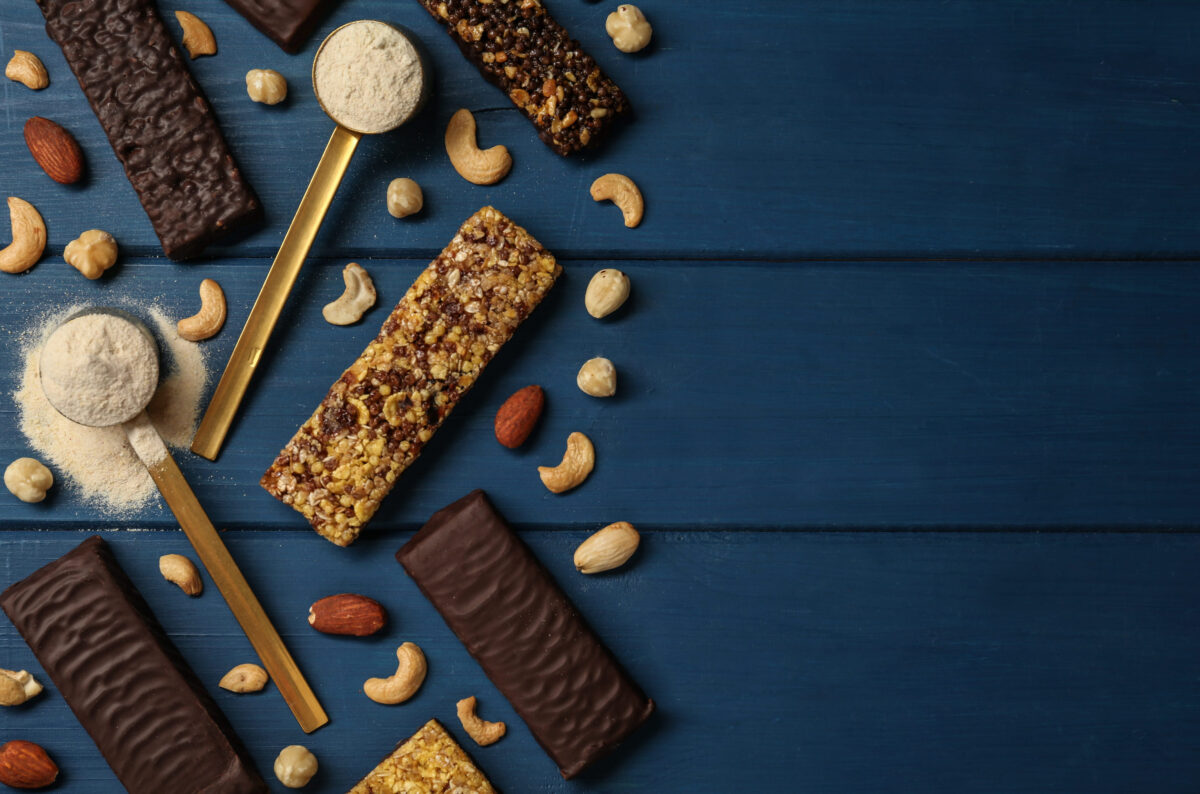
Protein bars are sold like pocket-sized discipline. In reality, many behave more like candy bars in gym clothes. Harvard warns that workout supplements and protein products can contain much more than protein, including added sugars, non-caloric sweeteners, artificial flavoring, and other extras that make the label look busier than your training schedule.
On top of that, some low-sugar bars rely on polyols such as sorbitol, xylitol, or erythritol, which the NHS notes can have a laxative effect in large amounts. That means your convenient “healthy snack” can leave you bloated, uncomfortable, and still unsatisfied. A bar can be useful in a pinch, but it should not become your default idea of sports nutrition.
Ready-to-drink protein shakes and oversized smoothies
This one surprises people because shakes feel efficient. They are quick, portable, and easy after a workout. But many packaged shakes and large smoothies carry added sugars, flavorings, or enough calories to turn a snack into a stealth meal.
Harvard’s guidance on workout supplements says protein powders and shakes often include added sugars and other non-protein ingredients, while its sugary drinks guidance explains that liquid calories tend to be less filling than solid food, which can make it easier to overconsume energy later in the day. That is a terrible bargain if your goal is fat loss. A simple shake can help when you truly need convenience, but once it becomes a milkshake in disguise, your progress can slow down fast.
Cheese as your main protein source

Cheese is delicious, easy, and rich in protein, which is why it sneaks into so many “healthy” snack plates. But ounce for ounce, it often brings a lot of saturated fat and sodium too. Harvard notes that a single ounce of hard cheese contains about 120 calories, 8 grams of protein, and 6 grams of saturated fat, and many cheeses are high in sodium because salt is central to the cheesemaking process.
Harvard’s quick protein tips also specifically say to limit cheese when choosing healthy protein foods. Cheese is not the enemy, but it is usually better treated as a supporting player than the star of your protein plan. Build meals around leaner or less processed proteins first, then use cheese for flavor instead of relying on it to do all the nutritional heavy lifting.
Ultra-processed plant-based meats
Plant-based does not automatically mean performance-friendly. Some modern meat alternatives deliver a solid protein hit, but Harvard has noted that fake meat’s main nutritional downside is often its high sodium compared with unprocessed meat, and other Harvard reporting has flagged concerns about sodium, calorie load, and heavy processing in some popular products.
More broadly, NIDDK highlights research showing that heavily processed foods can drive overeating and weight gain. That does not mean every veggie burger is bad or that plant proteins are weak. In fact, Harvard strongly supports nutrient-dense plant proteins like soy, beans, lentils, nuts, and seeds. The real issue is confusing whole-food plant proteins with highly engineered imitation meats that may look clean on the front label and get messy on the nutrition panel.
Conclusion
The truth is simple. Protein is powerful, but branding is louder. A food does not deserve a place in your routine just because it says “high protein” on the wrapper. If it also brings too much sodium, saturated fat, added sugar, ultra-processed ingredients, or calories that do not satisfy you, it can quietly hold back the very goals you are working for.
The better move is to focus on protein sources with a stronger overall package, such as beans, lentils, soy foods, fish, poultry, eggs, plain yogurt, and minimally processed dairy, then use packaged options as occasional tools instead of daily staples. Fitness progress usually does not fall apart because of one dramatic mistake. It stalls because small, marketable compromises keep showing up every day.