12 Dirty Gym Secrets Members Learn Too Late
You join a gym, thinking the hard part will be the workout. Then the real problems show up before you even finish your first week. The cancellation policy feels like a trap, the locker room smells suspicious, the “free” trial wants your card, and every shared mat suddenly looks like it has a secret history.
That is the side of gym life nobody puts in the glossy brochure. A gym can help you get stronger, but it can also drain your wallet, test your patience, and make you question every surface your skin touches. Before you chase that fitness glow, it helps to know what may be hiding behind the mirrors.
Equipment cleaning is not always enough.
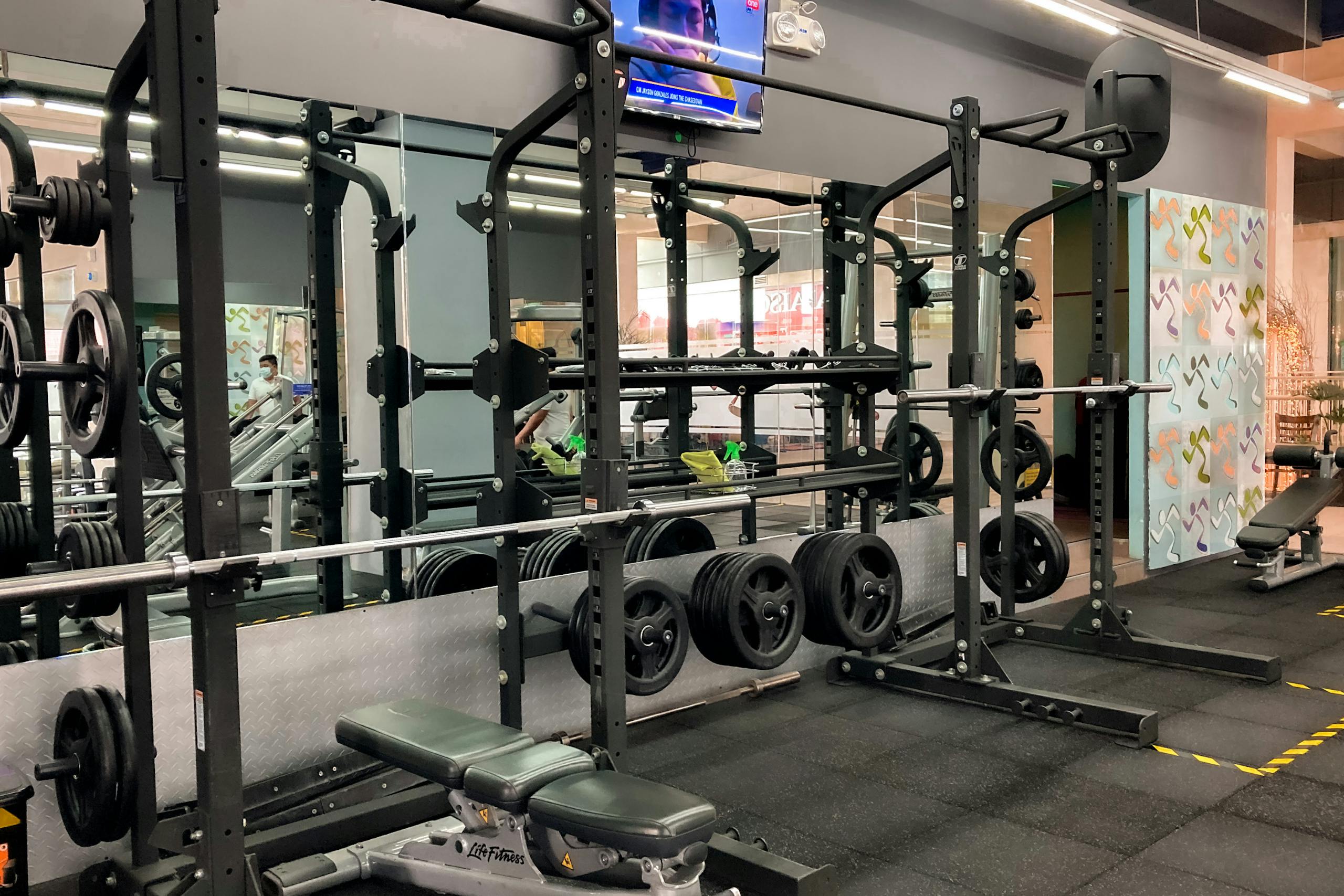
A gym can have wipes everywhere and still have dirty equipment. The real question is whether members actually use them and whether staff follow a serious cleaning routine. A bench may look clean, but it could still be carrying sweat, skin oils, hair, residue, and whatever the last person brought from their phone or hands.
This is where members need to protect themselves. Wipe equipment before and after use. Use a towel as a barrier. Wash your hands after workouts. Avoid touching your face between sets. The person before you may have been careful, but they also may have treated the bench like a personal napkin.
Free trials can quietly become paid memberships.
A free trial sounds like the perfect way to test a gym without pressure. You imagine yourself trying a few classes, lifting a few weights, and deciding later like a calm, financially responsible adult. Then life gets busy, the trial deadline passes, and the gym suddenly becomes part of your monthly expenses.
This trick works because people sign up during motivated moments. January energy, summer panic, wedding goals, breakup confidence, and doctor warnings can all push someone into saying yes too quickly. The smarter move is to set a reminder the minute you sign up. If a gym needs your card for a free trial, treat the word “free” with suspicion.
Shared mats can be nastier than they look.

A yoga mat can look peaceful until you remember how many sweaty bodies, bare feet, and floor germs have touched it. Stretching mats, foam pads, and exercise mats often sit in corners looking innocent, but they may have been through hours of planks, sit-ups, shoes, sweat, and rushed cleaning.
Bringing your own mat is not dramatic. It is basic self-defense with better posture. If you use a gym mat, wipe it before and after, then let it dry before pressing your face near it. A mat should support your workout, not make you wonder what stranger’s foot history you just inherited.
Cancellation can become a trap.
Joining a gym often feels too easy. A smiling staff member gives you a tour, points at the shiny machines, explains the “limited-time” offer, and suddenly your card is on file before you have even touched a treadmill. The whole process can feel smooth, friendly, and almost harmless.
Canceling can feel like a completely different sport. Some gyms require written notice, in-person visits, strict deadlines, certified mail, or confusing account rules that turn a simple goodbye into a paperwork obstacle course. That monthly charge can keep appearing long after your motivation has disappeared. Before you join, read the cancellation policy as if it were the most important machine in the building.
Locker rooms reveal the real standards.
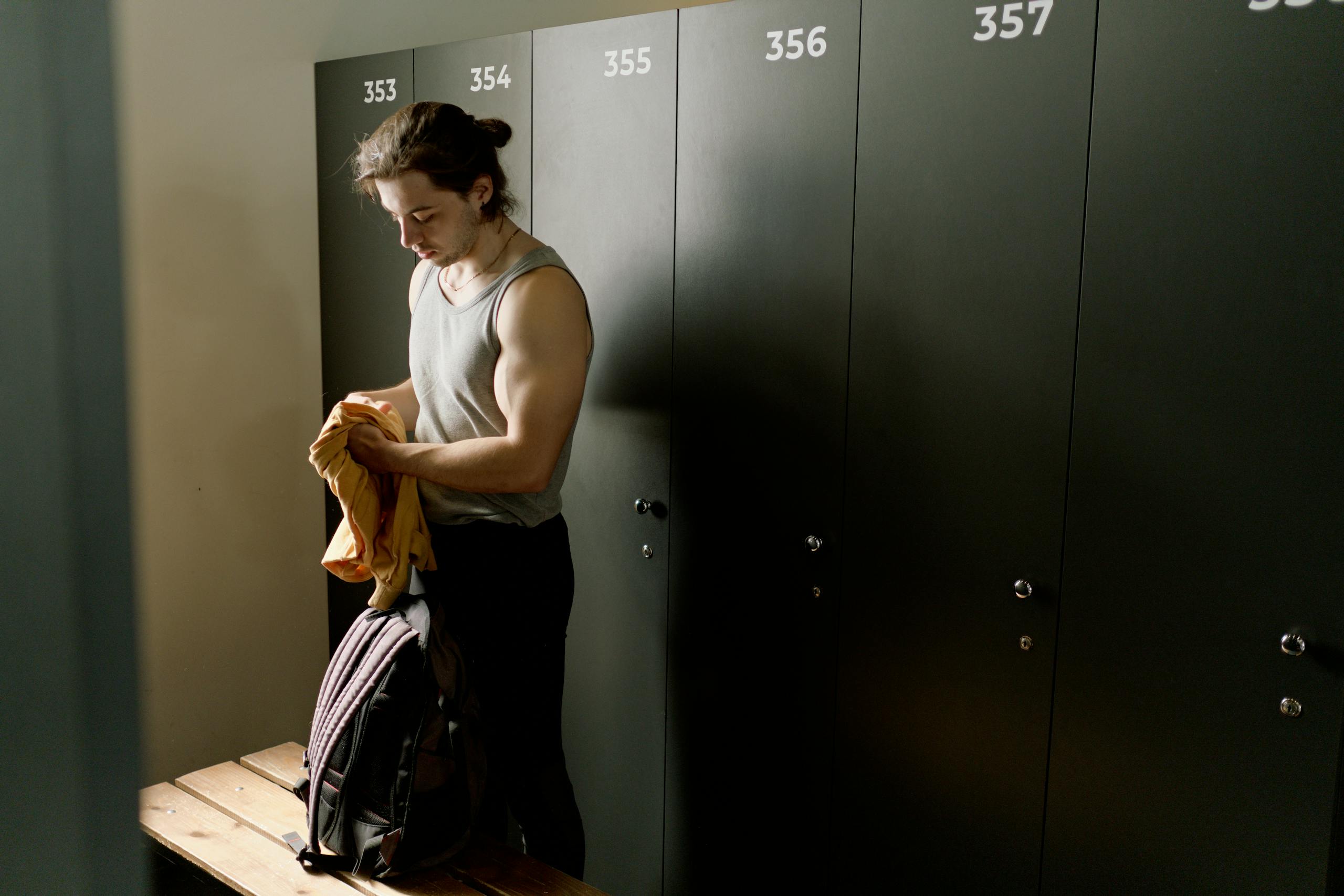
The workout floor is the showroom. The locker room is the truth serum. If the showers smell sour, the drains look neglected, the benches feel sticky, or the floors stay wet all day, that tells you more than any fancy front desk ever could.
A bad locker room is not just unpleasant; it’s dangerous. It can make the whole gym feel careless. People walk barefoot, change clothes, store bags, use sinks, and touch shared surfaces in that space. If a gym cannot keep the locker room clean, you have every reason to question what else is being ignored.
Water fountains deserve side-eye
The gym water fountain looks like a lifesaver when your throat feels dry after cardio. But think about how many people touch the button after gripping dumbbells, wiping sweat, adjusting earbuds, and grabbing locker handles. Suddenly, that quick sip feels less refreshing.
That does not mean every fountain is dangerous. It means shared surfaces need common sense. Bring your own bottle when you can, avoid touching the nozzle, and refill carefully. Hydration matters, but nobody needs to treat a public fountain like a sacred mountain spring.
Personal trainers may be selling insecurity.

A great trainer can help someone move better, build confidence, and avoid injury. A bad one can turn body insecurity into a payment plan. Some gyms push training packages hard because personal training can bring in serious money, especially from new members who already feel unsure.
Pay attention to how the trainer speaks to you. Helpful coaching explains, listens, adapts, and respects your limits. Pressure-based selling makes you feel weak, clueless, or doomed unless you have more sessions. Fitness should make you feel stronger, not trapped in a sales pitch wearing gym shorts.
Peak hours can ruin everything.

A gym tour at 11 a.m. can look calm, clean, and full of promise. Visit the same gym at 6 p.m., and it may feel like an airport with dumbbells. Every bench is taken, the squat racks have waiting lines, the treadmills are full, and someone has been “resting” on a machine for ten minutes while scrolling like they pay rent there.
That is why timing matters before signing anything. Ask when the gym is busiest, then visit during the hours you actually plan to work out. A gym is not just about equipment. It is about whether you can use that equipment when your real life allows you to show up.
Cheap memberships can hide expensive catches.
A low monthly price can look like a win, especially when money already feels tight. But some gyms know how to turn a cheap membership into a slow budget leak. Activation fees, annual fees, maintenance fees, late fees, class fees, towel fees, and cancellation fees can make the advertised price feel like only the opening scene.
Always ask for the full cost before joining. Ask what gets charged today, what gets charged later, and what happens if you cancel. A gym that explains everything clearly is easier to trust. A gym that dodges simple money questions may be telling you something before you even sign.
Waivers protect the gym first.

That membership agreement is not just boring paperwork. It often includes language about injuries, lost items, equipment use, trainer responsibility, and what the gym will or will not cover if something goes wrong. Many people sign because they are excited, rushed, or embarrassed to hold up the process.
Read before you agree. Ask what happens if equipment breaks, if a class feels unsafe, or if personal items disappear from a locker. A gym may still care about safety, but the paperwork usually protects the business first. That does not mean you should panic. It means you should not sign blindly.
Some members make the gym worse for everyone.
Not every gym problem comes from management. Some members create chaos all by themselves. They leave weights scattered, hog machines, film strangers, skip deodorant, drip sweat without wiping, and treat the locker room like their private disaster zone.
This matters because gym culture shapes the whole experience. A respectful gym feels safer, cleaner, and more motivating. A careless one feels tense. You should not have to dodge plates on the floor, wait forever while someone texts on a machine, or worry about appearing in the background of a stranger’s video. Good gyms set rules. Better members follow them without needing a speech.
Pretty gyms can still be poorly run.
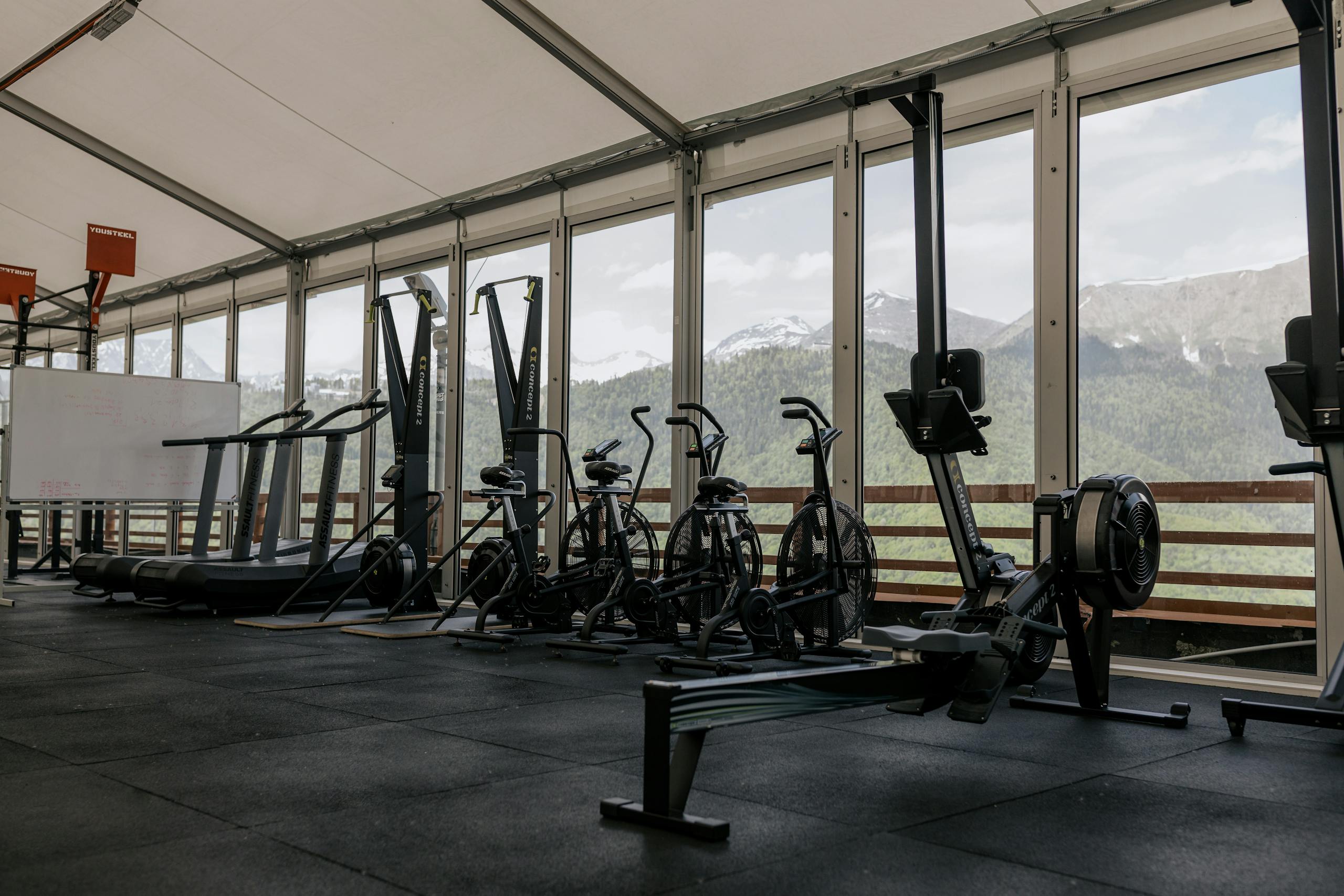
A polished gym can be distracting in the best and worst ways. New machines, bright lights, trendy music, and sleek mirrors can make a facility feel trustworthy before you check anything meaningful. But beauty does not guarantee safety, cleanliness, fairness, or good management.
Look beyond the vibe. Notice whether machines are maintained, whether staff walk the floor, whether broken equipment gets labeled quickly, and whether cleaning stations are stocked. Ask about emergency procedures. Watch how members behave. A good gym should motivate you, but it should also protect your wallet, your health, your time, and your peace of mind.
Key takeaway
A gym membership can be a smart investment, but only if you know what you are buying. The real danger is not the treadmill, the weights, or the soreness after your first workout back. The dangers are signing too quickly, trusting the sales pitch too easily, ignoring dirty spaces, and assuming every shiny facility is well-run.
The smartest move is simple. Tour the gym during busy hours. Read the contract. Ask about cancellation. Check the locker room. Watch how members treat equipment. Notice whether staff clean, guide, and enforce rules. A good gym should help you build strength, not trap your wallet, test your patience, or make you regret walking through the door.