Foods That Refuse to Go Bad: 8 Pantry Staples Built to Last
Many pantry foods seem like they should last forever, but the reality is more nuanced. A “Best if Used By” date usually refers to peak quality rather than an automatic safety deadline, and how long a food remains useful depends on temperature, humidity, light exposure, packaging, and storage conditions.
Some everyday staples can remain usable for years when stored correctly. Others last only a year or two but are still worth keeping on hand. The key is knowing the difference between a food’s long-term storage potential and a guarantee that it will remain unchanged forever.
Here are pantry staples with strong evidence for long storage, plus what you need to know before relying on them.
Granulated White Sugar
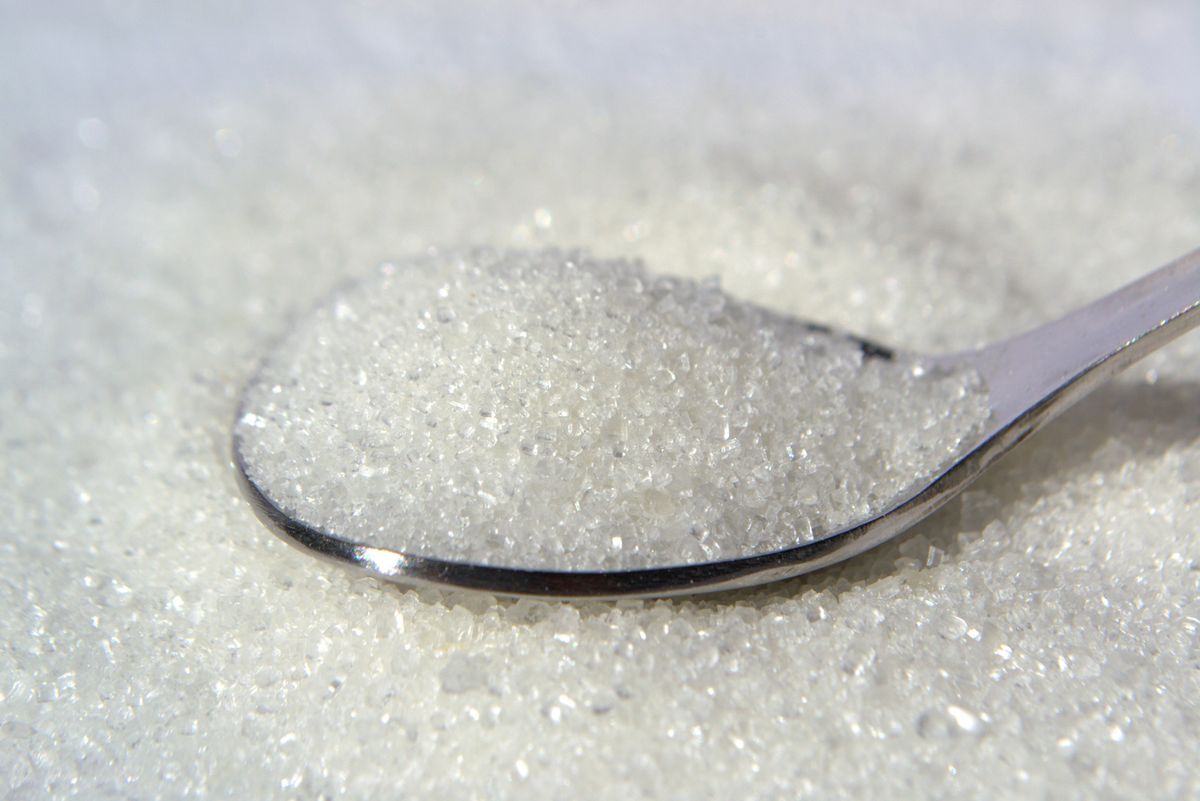
Sugar is one of the most reliable long-term pantry staples. According to Utah State University Extension, commercial sugars such as granulated sugar have an indefinite shelf life because they resist microbial growth. However, that does not mean sugar will always maintain perfect texture or quality. The same guidance gives about two years as a best-quality period.
For the longest storage life, keep sugar in a cool, dry place in an airtight, moisture-resistant container. Ordinary paper packaging is not ideal for long-term storage because sugar can absorb moisture and odors.
Sugar that becomes hard or forms lumps has usually been exposed to moisture. This affects convenience and texture but doesn’t automatically mean the sugar is unusable.
Related: 8 Pantry and Fridge Staples That Offer Calcium Beyond Milk
Commercial Filtered Honey
Honey has earned a reputation as a food that can last for extremely long periods, but the type of honey matters. Commercial filtered honey supports long storage because it resists microbial growth. Utah State University Extension notes an indefinite microbial shelf life while also identifying about two years as a best-quality guideline.
Over time, honey may crystallize, darken, or develop flavor changes. Those changes affect quality, not necessarily usability. Crystallized honey is not automatically spoiled.
For the best results, keep honey sealed in a suitable container and away from excessive heat. Don’t confuse commercial filtered honey with raw, comb, or unfiltered honey, which may have different storage characteristics.
Polished White Rice
White rice is one of the strongest examples of a food whose storage life changes dramatically depending on packaging.
Ordinary pantry rice does not automatically last decades, but properly stored polished white rice can. Utah State University Extension says rice stored at a constant 70°F with oxygen absorbers can last up to 10 years, while properly sealed oxygen-free storage under favorable conditions can extend that range to roughly 25 to 30 years.
The important detail is the storage method. Those long timeframes apply to carefully packaged rice, not an opened grocery-store bag sitting in a cupboard. Long-term storage requires food-safe containers, oxygen reduction, and protection from moisture and pests.
Dried Beans
Dried beans are another pantry staple with impressive storage potential. Under ordinary conditions, dry beans stored in food-grade packaging may last a year or more. With specialized packaging such as #10 cans or Mylar-type bags with oxygen removed, Utah State University Extension lists storage lives of 10 years or more.
Temperature, moisture, and packaging make the difference. Older beans may still be edible but can take longer to cook as quality declines.
The “10-plus years” figure applies to specific storage methods, not every bag of beans purchased from a supermarket.
Iodized Table Salt
Salt is one of the simplest foods to store long term. Utah State University Extension states that iodized salt has an indefinite shelf life when kept free from moisture and contamination.
The main enemies of stored salt are humidity and contamination. Salt can absorb moisture and odors from its surroundings, which may affect how it performs in cooking.
This guidance applies specifically to iodized table salt, not every seasoning blend or flavored salt product.
Commercially Canned Low-Acid Foods
Canned foods are often associated with long storage, but the details matter. USDA guidance says unopened commercially canned low-acid foods generally maintain their best quality for two to five years. These include canned vegetables, meats, poultry, soups, and stews.
Storage conditions matter: keep cans in a cool, dry, dark place and avoid cans with serious damage. Discard bulging cans, leaking cans, cans with rust that has penetrated the container, or cans with damaged seams. The timeline refers to quality, not a promise that every old can is safe indefinitely.
Properly Pasteurized Vinegar
Vinegar can have excellent storage stability when properly prepared and stored. Illinois Extension notes that properly stored pasteurized vinegar can remain in excellent condition indefinitely.
The important qualifier is “pasteurized.” Proper storage involves keeping vinegar capped, using clean containers, and protecting it from direct sunlight.
This does not mean every homemade or unfiltered vinegar should automatically be treated the same way.
Properly Bottled Maple Syrup
Maple syrup can last for years when properly packaged. Utah State University Extension says properly packaged syrup can last many years unopened, while opened syrup should be refrigerated.
The long-storage claim depends on proper bottling or canning methods, including sterilized containers and correct packaging.
An opened bottle left at room temperature does not have the same storage expectations as a sealed, properly packaged product.
The Bottom Line
The longest-lasting pantry foods are not simply the ones with the biggest numbers attached to them. Their storage life depends on the food itself and the conditions around it.
A sealed container, stable temperature, low humidity, and protection from light can dramatically extend the usefulness of pantry staples. But “lasts for years” does not mean “never expires.” The smartest approach is to understand whether a food’s timeline refers to best quality, long-term storage under special conditions, or a specific product’s guidance.
Before throwing away an old pantry item, check the package, storage conditions, and the type of food. A date label alone doesn’t tell the whole story.
Other Post You Might Also Like
. Six Budget-Friendly Foods That Make Everyday Meals Healthier
. 9 Everyday Foods People Are Choosing as They Think About Aging Well