7 Foods You May Be Preparing the Wrong Way
Many cooking frustrations are not caused by the recipe itself. Sometimes a familiar food simply needs a different technique to achieve the texture, browning, or finish you are aiming for. A small change in how you prepare an ingredient can affect the final result in noticeable ways.
The key is understanding that “wrong” depends on the dish you want to make. These seven everyday foods show how adjusting a cooking habit can help you get closer to the result you actually want.
Rice
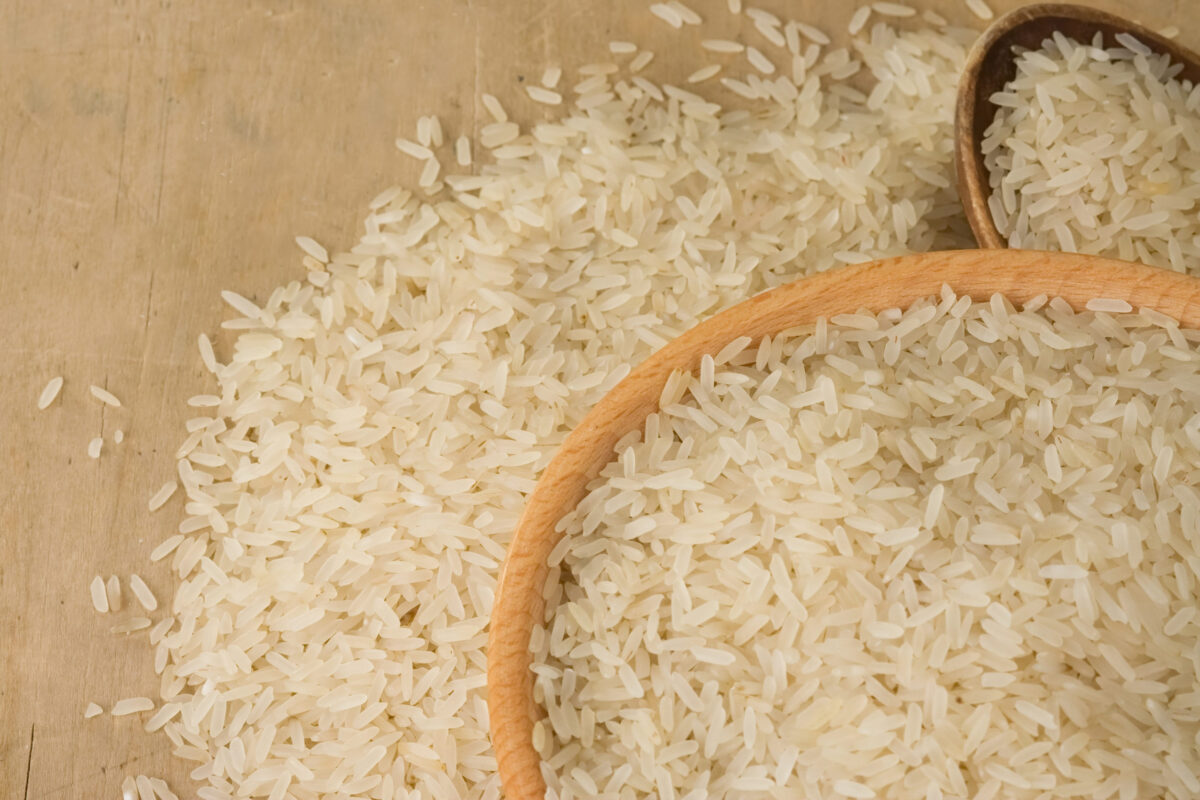
Skipping the rinse when making plain jasmine or long-grain rice while expecting clearly separate grains. If you want rice with distinct, less-gummy grains, rinsing uncooked rice before cooking can make a difference. Rinsing removes excess surface starch, which can contribute to a stickier texture.
Serious Eats notes that rinsing jasmine rice helps remove excess starch associated with gummy, sticky results. For dishes where separate grains are the goal, this simple step can help create the consistency many cooks are looking for.
However, rinsing is not the right choice for every rice preparation. Some dishes, such as risotto, rely on released starch to create a creamy texture. The best technique depends on the result you want from the finished dish.
Pasta
Adding oil to pasta water in an attempt to prevent sticking. For hot, sauced pasta, the focus is better placed on using plenty of boiling water and stirring regularly while the pasta cooks. Adding oil does not prevent pasta from sticking and may interfere with the way sauce clings to the pasta.
Another useful technique is to finish hot pasta in the sauce rather than simply combining the two at the end. Reserving some pasta water can help the sauce coat the pasta more effectively because the starch released during cooking contributes to a more cohesive texture. Barilla recommends saving pasta water and using it to help sauce cling to pasta.
That does not mean pasta should never be rinsed. Rinsing can make sense for certain cold-pasta preparations. The advice here is mainly about creating a better result for hot pasta served with sauce.
Related: 10 Foods You Should Never Wash, According to Food-Safety Experts
Potatoes
Putting raw potato pieces straight into the oven when the goal is an especially crisp roast-potato exterior. For extra-crispy roast potatoes, a different approach can help. Parboiling the potatoes first, then draining, steam-drying, and roughing up the surfaces creates a texture that is better suited for developing a crisp exterior during roasting.
This technique is specifically about achieving very crisp roast potatoes. It is not a requirement for every potato dish. Different preparations call for different methods depending on the texture you want to create.
Eggs
Waiting until scrambled eggs appear completely finished in the pan before removing them from the heat. If your goal is soft, creamy scrambled eggs, taking them off the heat slightly before they reach the final texture can help. Eggs continue cooking from residual heat after they leave the burner, especially while they remain in a hot pan.
Creamy scrambled eggs are only one style, not the only way to prepare them. Different techniques can create different curd sizes and textures. A method that produces softer, creamier eggs is simply suited to a different preference than one designed for larger, fluffier curds.
Chicken
Cooking a boneless chicken breast with a thick center and thinner ends without evening out the thickness. When a chicken breast has uneven thickness, flattening the thicker sections can help create a more uniform piece before cooking. This allows the thinner and thicker areas to cook more evenly instead of having one part spend much longer over the heat while another catches up.
This technique is mainly useful for boneless chicken breasts or similarly uneven cuts. It is not meant as a universal approach for every type of chicken preparation.
Related: 5 Protein-Packed Foods That Make Meatless Dinners Feel Like a Real Meal
Steak
Placing a visibly wet steak onto the cooking surface when the goal is a deeply browned exterior. Surface moisture can get in the way of strong browning because it needs to evaporate before the surface can develop that browned finish. Patting the steak dry and properly preheating the cooking surface helps more of the cooking process focus on browning rather than removing surface water.
The exact cooking approach can vary depending on the steak, equipment, and method being used. The important technique here is focusing on a dry surface when browning is the goal, rather than following one universal cooking schedule.
Vegetables
Crowding vegetables onto one roasting pan when the goal is browned, crisp edges. When vegetables are packed too closely together, moisture can become trapped and encourage steaming instead of roasting.
Spreading vegetables out in a single layer with space between pieces allows better airflow and supports surface browning. Serious Eats’ roasting guidance similarly emphasizes avoiding crowding when crisp, browned vegetable edges are the goal.
This technique applies when you are aiming for roasted vegetables with browned edges and crispness. Other cooking methods, including steaming or braising, are designed to create different results and are not mistakes simply because they produce a different texture.
Good cooking is often about matching the technique to the result you want. A small adjustment can change the texture, appearance, or finish of familiar foods without changing the ingredient itself. The best method depends on the dish you are trying to create.