7 Everyday Food Parts That Can Create Amazing Recipes
Many of the foods we buy come with parts we often throw away without a second thought. Broccoli stems, citrus peels, carrot tops, and corn cobs may look like kitchen scraps, but with the right preparation, they can become flavorful ingredients.
Instead of tossing these overlooked food parts, home cooks can turn them into stocks, sauces, pickles, toppings, and side dishes with a few simple techniques.
These ideas aren’t about using every part of every ingredient. The key is knowing which pieces are worth saving and how to prepare them properly.
Here are 7 food scraps that deserve a second chance in your kitchen.
Broccoli Stems
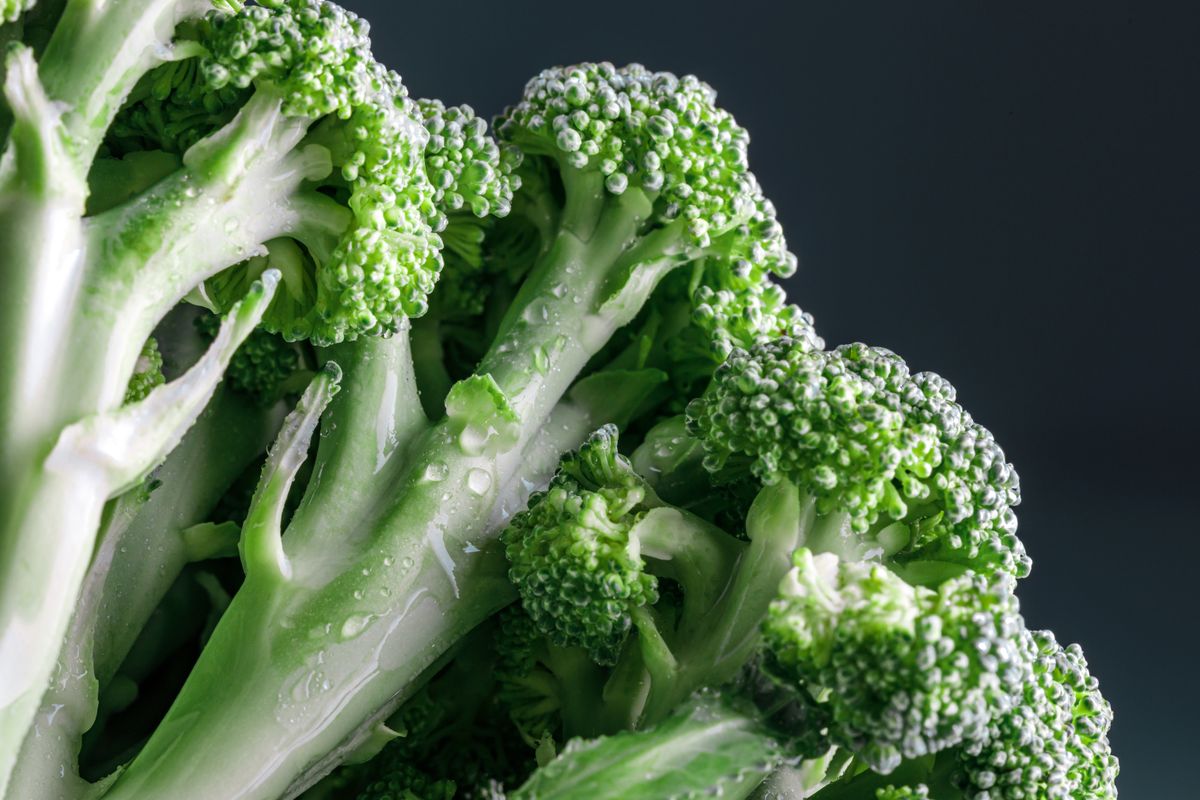
The thick broccoli stalk is often discarded, but it is one of the vegetable’s most versatile parts. The usable portion is the tender inner core beneath the tougher outer layer. You can eat broccoli stems raw in salads and slaws, sauté them as a side dish, turn them into quick pickles, or cook them alongside the florets.
To prepare broccoli stems, cut away the dried bottom end. For thicker stalks, peel away the fibrous outer layer to reveal the softer inside. Then slice, shave, julienne, or cut the stem into small batons.
The flavor is mild, crisp, and juicy, making it useful in both fresh and cooked dishes. The important detail is that not every part of the stem has the same texture. Thick stalks may need peeling, and you should remove the dried lower end.
Related: Six Budget-Friendly Foods That Make Everyday Meals Healthier
Corn Cobs
After you remove the kernels, the leftover cob still contains plenty of corn flavor. You can use bare corn cobs to make a flavorful corn stock or an infused cooking liquid for dishes such as chowder, risotto, polenta, soups, and sauces.
To use them, scrape the cob with the dull side of a knife after removing the kernels. This releases the starchy liquid sometimes called “corn milk.” Then simmer the cobs in water or stock, then strain.
The result is a liquid with a sweeter corn flavor, while the scraped corn liquid adds extra starch and richness to soups and sauces. Cooking times depend on the recipe. Some corn-cob stocks simmer for about an hour, while other recipes use a shorter infusion method.
Citrus Peels
Orange, lemon, lime, and other citrus peels can become more than kitchen waste. One of the most popular uses is candied citrus peel, which adds a sweet, chewy citrus flavor to cookies, breads, fruitcakes, and other baked goods.
Making candied peel involves cutting the peel into strips, removing excess fruit, blanching the strips several times to reduce bitterness, and then simmering them in a sugar-and-water mixture until softened.
King Arthur Baking uses candied lemon peel in citrus cookies and candied orange, or citron peel in pound cake recipes. The repeated blanching step matters because each boil-and-drain cycle helps remove bitter flavors from the peel.
Watermelon Rind
The pale layer between watermelon flesh and the tough green exterior is often overlooked, but it can become a flavorful pickle. Watermelon rind pickles use the crisp inner rind after removing the green skin and red flesh.
The rind is typically cut into pieces and cooked in a sweet-and-sour spiced brine until it becomes tender and partially translucent. Before cooking, remove the hard green outer layer and keep only the pale inner rind. In the Serious Eats recipe cited, the rind cooks in the brine for around 40 minutes.
This technique creates a completely different food experience from fresh watermelon, turning a discarded part into a tangy side dish.
Carrot Tops
The leafy green tops attached to fresh carrots are another part many cooks throw away. Carrot tops can be transformed into pesto or blended green sauces. Combine the leaves with ingredients such as herbs, garlic, nuts, cheese, salt, and olive oil to create a flavorful mixture.
Food52’s roasted carrots with carrot-top pesto recipe uses washed carrot tops blended with basil, toasted walnuts, Parmesan, garlic, salt, and olive oil.
When preparing carrot tops, wash them thoroughly and use the leafy portions called for in the recipe. Some recipes remove tougher stems before blending.
Celery Leaves
Celery leaves often end up in the trash, even though they can bring fresh flavor to sauces and salads. You can use these leafy tops in pesto, herb sauces, salads, and blended pasta sauces.
To use them, remove the leaves from celery stalks, wash and dry them, then blend or pulse them with ingredients such as garlic, nuts, cheese, olive oil, lemon juice, and seasonings. Food52’s celery pesto uses celery leaves with parsley, garlic, pine nuts, olive oil, water, salt, and lemon juice.
The leaves provide a recognizable celery flavor, while the added oil and nuts create a smooth pesto-style texture.
Tender Herb Stems
Not all herb stems belong in the trash. Tender stems from herbs such as cilantro, parsley, mint, and basil can be used alongside the leaves in sauces, pestos, salsa verde-style preparations, and herb-heavy dishes.
You can chop soft stems and blend them with ingredients like garlic, chile, citrus juice, salt, and oil. Bon Appétit uses herbs with stems attached in a blended pesto-style sauce, while Serious Eats includes tender parsley and cilantro stems in zhug.
The key word is tender. This advice applies to soft herb stems, not tough, woody stems from herbs like rosemary or thyme.
The Secret to Smarter Cooking
Many kitchen scraps are not really scraps at all; they are ingredients waiting for the right technique.
Broccoli stems can become crunchy additions, citrus peels can become sweet treats, herb stems can boost sauces, and corn leftovers can add deeper flavor to soups and stocks.
The next time you prepare vegetables or fruit, take a second look before throwing parts away. A small change in preparation can turn overlooked food pieces into something delicious.
Other Post You May Like
. 9 Everyday Foods People Are Choosing as They Think About Aging Well
. 8 Natural Food Ingredients That Make Everything Taste Better